The Baku Boinije Pigeon holds a very special place in my heart as an experienced avian breeding specialist. I love showing off these fantastic performance pigeons because their grace in the air simply amazes me every time I open the loft door. Native to the Caucasus, these birds are famous around the world for their breathtaking aerial acrobatics, high flight stamina, and distinct neck markings.
Whether you admire white Baku pigeons, dark colors, or rare color options like Almond, Ash Red, and Recessive Red, this tumbler type pigeon never fails to impress. Over my years of hands-on management, I have watched these amazing flyers perform brilliant somersaults and literally disappear from sight in the high clouds. Today, I am excited to share my complete hands-on knowledge so you can successfully raise, feed, and train your own healthy flock!
History & Origin of Baku Boinije Pigeon
My journey with performance pigeons started years ago, and learning about the history of the Baku Boinije Pigeon gave me a deep appreciation for this breed. This bird originated in the Baku region of Azerbaijan. Breeders in this beautiful coastal area carefully developed these birds over generations. They wanted a tumbler type bird that could endure long hours in the sky while showing off impressive fighting style flight actions in mid-air.
Cultural Heritage and Global Expansion
Pigeon traditions run deep in Azerbaijan and across Russia, where pigeon breeders preserve purebred pigeons with immense pride. Over the decades, selective breeding and careful cross-breeding techniques refined their flight duration and distinct plumage patterns. Trade routes helped spread these high-flying birds across Eastern Europe and into the American pigeon museum gallery archives. Today, these birds stand as a shining symbol of rich cultural heritage and legendary breeding dedication.
Read More: Angoni Cattle: Master Powerful Native Beef Farming
Characteristics of Baku Boinije Pigeon
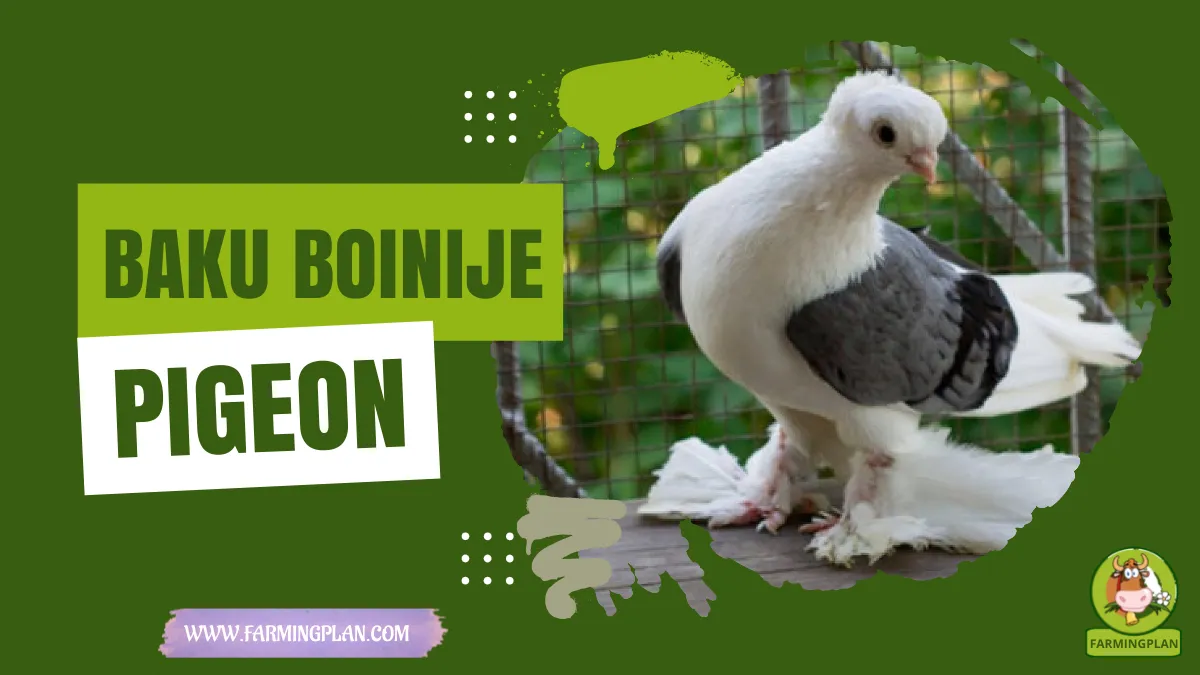
When you look at a Baku Boinije Pigeon in your hands, the first thing you notice is its sleek body build and impressive wingspan. Their feathers come in diverse shades including Blue, Ash Red, Recessive Red, and gorgeous Almond tones. Many exhibit the iconic “hryvnias” style, featuring a colored neck patch that contrasts sharply with a pristine white body. This mirror-symmetrical pattern makes them stand out among other fancy pet pigeon varieties and Baku Grivachi pigeons.
Aerodynamic Frame Designed for High Sky Flight
These birds possess a strong, muscular chest, tight feathering, and clean legs built for endurance. Their body structure allows them to battle strong winds without losing balance or tiring quickly. Unlike heavy Giant Runt Utility Pigeons, these tumblers remain lightweight and agile. Their sharp eyes, broad tail, and smooth beak structure all contribute to their remarkable flight stamina and precision aerial maneuvers.
Nature and Behavioral Temperament of Baku Boinije Pigeon
I love working with these pigeons because their temperament balances high energy in the sky with calm behavior inside the loft. When you release them, their high-flying instinct takes over immediately. They love to fly fast, hit high altitudes, and execute dramatic somersaults with powerful wing claps. In the air, they show fierce determination, proving why enthusiasts classify them as a top-tier fighting breed tumbler.
Gentle Behavior and Great Loft Compatibility
Inside the coop, these birds act calm, friendly, and very social toward their loft mates. They bond quickly with their caretakers when you maintain a routine of controlled feeding and gentle handling. They are not overly aggressive, making them suitable for beginners and seasoned breeders alike. Watching them rest peacefully after a long morning flight brings immense joy to any dedicated pigeon keeping enthusiast.
Food and Daily Diet of Baku Boinije Pigeon
Feeding your birds the right blend of grains keeps their energy levels high for long flights. I rely on a high-quality seed mix packed with millet, wheat, and oats to provide crisp carbs and clean fiber. During active flying seasons, I increase healthy fats by adding small seeds like safflower and sunflower hearts. This rich combination keeps their flight stamina strong and protects their muscles during long exercise sessions.
Crucial Dos and Don’ts for Flock Health
Proper dietary management requires constant observation and clean feeding habits. Always offer fresh grit, calcium powder, and clean drinking water every day to support smooth digestion and strong eggshells.
- Do: Feed balanced grains like wheat, millet, and oats at fixed times every day.
- Do: Provide clean water and mineral grit constantly.
- Don’t: Feed moldy grains, salty snacks, or processed human foods.
- Don’t: Overfeed your birds right before an important flight exercise.
Usage and Purpose of Baku Boinije Pigeon
The main reason breeders keep this bird is its incredible flying capability. In pigeon competitions, judges measure total flight duration, altitude, and the clarity of aerial somersaults. These performance pigeons can fly for six to eight hours straight, climbing so high that they disappear from sight entirely. Their loud wing-clapping and sharp aerial flips make every competition an exciting event for spectators.
Exhibition Favorites and Family Companions
Beyond performance trials, these birds frequently appear in pigeon exhibitions and local bird shows. Their clean lines and striking neck markings attract attention from lovers of Arc Angel pigeon varieties and White and red pigeon breeds. Many hobbyists keep them purely as fancy pet pigeon companions, enjoying their peaceful cooing, easygoing nature, and stunning beauty in backyard aviaries.
“Every Great Flying Pigeon Starts With Proper Loft Care And Passionate Daily Training.”
Special Features of Baku Boinije Pigeon
What truly sets this breed apart is its unique “fight” in the air. As the bird climbs into the sky, it rolls backward, hitting sharp somersaults while clapping its wings loudly together. This distinctive sound echoes across the sky, thrilling anyone watching from below. Few other tumblers match their ability to combine extreme flight height with constant acrobatic action.
Remarkable Endurance and Navigation Instincts
Their physical endurance matches their brilliant homing instincts. These pigeons navigate home reliably even after spending hours drifting high above their home territory. Their thick feathering protects them against sudden cold winds, while their keen eyesight helps them spot hawk threats early. This powerful blend of athletic skill, smart navigation, and stamina makes them legendary in the bird world.
Special Care Tip: Consistent daily routines build strong trust between you and your birds, ensuring they always return straight home after long high-altitude flights.
Health Issues and Preventive Care of Baku Boinije Pigeon
Maintaining health requires early detection and clean loft management. Pigeons can suffer from respiratory infections, Canker (Trichomoniasis), Coccidiosis, and internal parasites. Look out for red flags like ruffled feathers, runny noses, sudden weight loss, or watery droppings. Catching these signs early saves lives and prevents sickness from spreading through your coop.
Proven Strategies for Preventive Care
Prevention beats treatment every single time in pigeon keeping. Keep your loft bone-dry and well-ventilated to prevent dangerous mold spores from growing. Schedule routine deworming every three months, and administer Canker treatments before the breeding season starts. Vaccinate your entire flock annually against Paramyxovirus (PMV) to guard your birds against devastating nerve damage and loss.
Step-by-Step Pet Owner Care Guide for Baku Boinije Pigeon
Setting up a complete care program takes time, patience, and the right approach. I have broken down my personal care framework into detailed steps so you can raise strong, high-flying birds without stress.
Step 1: Building a Secure and Well-Ventilated Loft
Your first step involves building a dry, safe, and draft-free loft for your birds. Pigeons need plenty of fresh air circulation, but direct cold drafts make them sick. Construct the framing with strong timber and cover all windows with heavy wire mesh to keep out rats, cats, and hawks. Allocate at least four square feet of floor space per pair so your birds do not feel overcrowded.
Install sturdy wooden perches at different height levels along the walls. Box perches work best because they prevent droppings from falling onto lower birds. Place clean nesting boxes in quiet corners and line them with pine shavings or wooden nesting bowls. Keep the floor covered with a dry wood shavings bed or clean coarse sand for easy daily scraping.
Step 2: Establishing a Nutritional Feeding Routine
Feeding your flock requires strict timing and precise quantity control. Measure out rations so each bird receives roughly two tablespoons of grain mix per day. Feed them twice daily—once early in the morning and once in the late afternoon after flight training. Never leave grain sitting on the floor all day, as stale feed attracts wild rodents and carries disease.
Incorporate a high-protein diet containing peas and lentils during the spring breeding season to help parents raise strong chicks. Switch to an energy-rich blend of millet, wheat, and oats during active flight training. Always supply fresh mineral grit containing crushed oyster shells, charcoal, and red stone grit in a separate dry feeder. Refresh their drinking water daily, adding multivitamins twice a week to boost immunity.
Step 3: Implementing Exercise and Aerial Flight Training
Flight training requires daily discipline and calm patience from the keeper. Open the loft trap door early in the morning before feeding them breakfast. Let the young birds explore the roof first so they imprint on their surrounding landmarks. Once they are familiar with the area, gently flush them into the air using a light flag or bamboo pole.
Start with short thirty-minute flights every day, slowly increasing flight duration as their muscles strengthen. Never fly your birds on full stomachs, as heavy birds refuse to climb high and may land on neighbors’ roofs. Use a consistent whistle or grain shaker sound when calling them back inside. As soon as they land, feed them immediately so they associate returning home with delicious food.
Step 4: Maintaining Loft Hygiene and Regular Health Checks
Keeping your birds healthy demands consistent hygiene practices inside the loft. Scrape down all perches, nest boxes, and floor spaces at least twice every week to remove dried droppings. Scrub water fountains every three days with hot water and white vinegar to eliminate bacteria buildup. Keep the bedding completely dry to prevent Coccidiosis outbreaks.
Perform individual health checks on every pigeon once a month. Pick up each bird, examine its chest muscles, check under its wings for feather lice, and inspect its throat for yellow Canker lesions. Trim overgrown beaks or toenails carefully using sharp clippers. Isolate any sick or lethargic birds immediately in a separate isolation cage until they fully recover.
Read More: Emporda Goose Care: Remarkable Rare Catalan Heritage Birds
Expert Tips and Best Practices for Baku Boinije Pigeon
- Track genetic traits carefully by keeping accurate written records of every breeding pair and egg hatch date.
- Avoid over-breeding your pairs; limit each hen to three or four clutches per year to protect her vitality.
- Mix fresh greens like finely chopped spinach and kale into their diet once a week for extra natural vitamins.
- Install a shallow bathing pan twice a week so your pigeons can clean feather dust and maintain soft plumage.
- Use controlled feeding to ensure your birds respond instantly to your recall whistle during flight sessions.
- Keep wild birds completely away from your loft feeders to avoid virus transmission and pest infestations.
- Select only birds with strong wingspan muscles and tight tail feathers when choosing future breeding stock.
FAQs
How high can these flying pigeons reach during flight?
These tumblers easily reach extreme altitudes, often soaring so high into the sky that they vanish from sight completely. Their strong cardiovascular system lets them maintain high altitudes for several hours at a time.
What is the average flight duration for this breed?
When properly conditioned with daily flight routines, healthy adult birds usually fly continuously between four to eight hours. Their great flight stamina makes them top contenders in endurance flying competitions.
How do I train my young birds to complete somersaults?
Somersaulting is an instinctual genetic trait, so you do not need to force the action manually. You simply need to build their wing strength through consistent daily flying routines and a high-energy seed diet.
Can I keep these pigeons alongside other fancy breeds?
Yes, these pigeons live peacefully alongside other calm breeds like Baku Grivachi pigeons or fancy pet pigeon varieties. Just ensure your loft offers adequate perch space so birds do not fight over roosting spots.
What should I feed my flock during the winter months?
Increase corn and barley ratios in their feed mix during cold weather to help them generate internal body heat. Always keep drinking water unfrozen and provide fresh grit continuously to support easy digestion.
Conclusion
Raising the Baku Boinije Pigeon offers an immensely rewarding experience for any dedicated bird enthusiast or serious breeder. From their historic origins in the Caucasus to their magnificent somersaults high above the clouds, these performance pigeons combine striking beauty with athletic flight power. By providing a secure loft, balanced grain nutrition, clean water, and disciplined flight exercise, you ensure your flock thrives for years to come. I encourage you to take the next step in your avian journey today—join a local pigeon club, start your own loft setup, or leave a comment below to share your personal breeding stories with our passionate community!