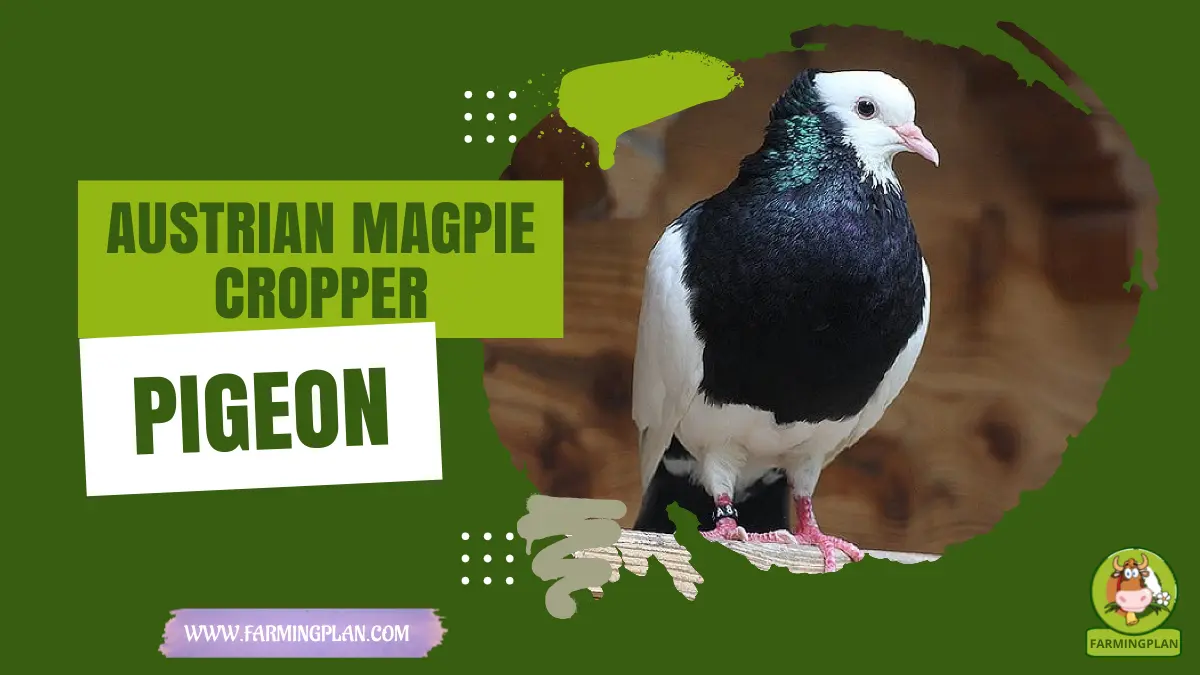
When I first started learning about fancy pigeons, the Austrian Magpie Cropper Pigeon quickly caught my attention because it combines an upright display, an inflatable crop, and an attractive magpie-style color pattern. This pigeon belongs to the Pouter and Cropper group, a family known for birds that inflate their crop during display. The breed comes from Austria and carries the German name Österreichischer Ganselkröpfer. The European breed list identifies it as breed number A/351, while Wikimedia Commons classifies it as a domesticated fancy pigeon and a Pouter/Cropper breed originating in Austria.
In this guide, I’ll explain the Austrian Magpie Cropper’s history, appearance, temperament, food, health, breeding, and everyday care in simple language. I’ll also discuss the Austrian Magpie Cropper Pigeon price, what affects its value, and practical Austrian Magpie Cropper Pigeon care methods that I would use in my own loft. If you’re a hobbyist, pet owner, breeder, or show-pigeon enthusiast, I’ll help you understand what makes this unusual Austrian pigeon breed special.
History & Origin of Austrian Magpie Cropper Pigeon
The Austrian Magpie Cropper has a strong connection with Austria and belongs to the wider European tradition of fancy pigeon breeding. The Entente Européenne list identifies Österreichischer Ganselkröpfer as the Austrian Magpie Cropper and places it under Austria with the designation A/351. The same breed appears within the Pouter and Cropper group, also known as Kröpfer in German terminology.
When I study old pigeon breeds, I always look at the regional background because local breeding traditions often explain a bird’s shape and purpose. Sources discussing this breed connect its development with historical monarchical regions such as Austria, Bohemia, and Moravia. One modern breed reference specifically describes the variety as appearing in Upper Austria in the 1990s, although other online sources give older dates and histories. Because those accounts conflict, I would avoid presenting one exact origin year as settled fact.
The Meaning Of Cropper And Pouter
The word Cropper tells us something important about this pigeon. These birds have a specialized crop that they can inflate as part of their characteristic display. The term Pouter also describes this general group of pigeons. I think of the crop as the bird’s natural display feature rather than something that owners should force or manipulate. A healthy pigeon should be able to eat, breathe, move, mate, and care for its young normally. Good breeding should preserve both the fancy appearance and practical health.
Recognition Within Fancy Pigeon Groups
The Austrian Magpie Cropper appears in international lists of fancy pigeon breeds and sits among other European pouter and cropper breeds such as the Waldviertler Cropper, Bohemian Cropper, Brunner Pouter, Holle Cropper, and Dutch Curled Cropper. The EE classification gives the Austrian Magpie Cropper the ring size designation 8 in the cited list. That classification matters to breeders who participate in organized pigeon shows. It helps separate this breed from other pigeons that may look similar from a distance. For serious breeders, I recommend checking the current standard used by the relevant national or regional pigeon organization before selecting breeding stock.
Read More: Chinchilla Giganta Rabbit Care Raising Ultimate Pork
Characteristics of Austrian Magpie Cropper Pigeon
The first feature I notice in a cropper is the inflated crop. The bird can expand this area and create the upright appearance that makes pouters so recognizable. The Austrian Magpie Cropper combines this cropper structure with a distinctive color pattern. The breed is listed as a fancy pigeon, a domesticated pigeon, and a member of the Pouter/Cropper group. Wikimedia Commons also categorizes it among pigeon breeds originating in Austria.
Magpie-Style Coloring
The name “Magpie” points toward the bird’s patterned appearance. Breeders and show enthusiasts pay attention to the relationship between the darker and lighter feather areas, overall body shape, feather quality, and presentation. I would never choose a breeding bird based only on color. A beautiful pigeon with weak legs, poor feather condition, breathing difficulty, or weak fertility can create more problems than it solves. I prefer a balanced bird with good health first and strong show qualities second.
Body, Legs, Wings, And Feather Quality
A good specimen should present itself confidently and maintain a clean, healthy feather coat. The legs should support the bird properly, and the wings should sit naturally against the body. The exact ideal proportions depend on the applicable breed standard, so breeders should use official show guidance rather than relying on random online photographs.
Related Austrian Fancy Pigeons
Some online breed descriptions make very specific claims about metallic wing or tail colors, but I treat those descriptions cautiously because color names and varieties can vary between sources and standards. Austria has produced several fancy pigeon breeds. The Austrian Magpie Cropper should not get confused with the Austrian Fischer Pigeon or Austrian White-tail. Breed lists treat these as separate breeds.
Nature & Temperament of Austrian Magpie Cropper Pigeon
In my experience with fancy pigeons, calm handling produces better results than chasing birds around the loft. A cropper needs regular observation because the owner needs to notice changes in appetite, crop behavior, droppings, feathers, and movement. I prefer to approach the bird slowly, use both hands when necessary, and avoid squeezing the crop. The crop is a functional body structure, not a handle. Rough handling can cause unnecessary stress and injury.
Display Behavior
One of the most interesting things about cropper pigeons is their natural display behavior. They can inflate the crop and adopt an upright posture. This behavior forms part of their appeal to breeders and show enthusiasts. I don’t try to force a bird to inflate its crop for long periods. Instead, I give it a comfortable environment where natural behavior can develop. A relaxed bird generally presents itself better than a frightened bird.
Suitable Owners
I think this breed suits people who enjoy observation, breeding, showing, and maintaining ornamental pigeons. It can work well for an experienced hobbyist, but a complete beginner should learn basic pigeon management before investing heavily in specialized breeding stock. If you’re buying your first birds, start with a small group and learn the basics of loft hygiene, nutrition, quarantine, parasite control, and record keeping.
Food & Diet for Austrian Magpie Cropper Pigeon
I keep pigeon feeding simple. A quality pigeon grain mixture can form the foundation of the diet, but I don’t rely on one grain alone. Depending on availability, a balanced mixture may contain grains and seeds such as wheat, peas, corn, millets, sorghum, or similar ingredients. The exact mixture should match the bird’s age, breeding condition, activity, and body condition. Show birds don’t need excessive food simply because they look impressive. Overfeeding can create obesity and reduce fitness.
Clean Water Matters Every Day
Fresh water is one of the easiest health improvements a pigeon keeper can make. I replace drinking water regularly and clean the container rather than simply topping it up. During hot weather, I pay even closer attention to water because pigeons can become dehydrated quickly. I also prevent droppings, feed, insects, and bedding from contaminating the drinker.
Minerals And Grit
Pigeons need access to suitable grit and mineral sources. I use products intended for pigeons and keep them dry and clean. I don’t randomly add supplements because more isn’t always better. If a bird shows poor feather quality, weight loss, reproductive problems, or repeated illness, I investigate the underlying problem rather than covering it with supplements.
Feeding Dos And Don’ts
I recommend:
- Use a balanced pigeon feed.
- Provide fresh water every day.
- Offer suitable grit and minerals.
- Adjust feed according to activity and breeding.
- Remove spoiled or wet feed.
- Monitor body condition.
I avoid:
- Moldy grain.
- Dirty drinking water.
- Sudden major diet changes.
- Excessive treats.
- Unverified medicines or supplements.
- Feeding human junk food.
Usage & Purpose for Austrian Magpie Cropper Pigeon
The Austrian Magpie Cropper is primarily valuable as a fancy pigeon. The European classification places it within the Pouter/Cropper group rather than racing pigeon groups. I wouldn’t buy this breed expecting the performance of a racing Homer. Its appeal comes from its structure, crop display, color, carriage, breeding potential, and show qualities.
A Hobby For Pigeon Lovers
For me, one of the biggest attractions of ornamental pigeons is the relationship between breeding decisions and visible results. You can study pedigrees, compare youngsters, watch feather development, and slowly improve a family over several generations. That makes this breed interesting for hobby breeders who enjoy detailed record keeping.
Showing And Breeding
Show breeders usually focus on traits that match the recognized breed standard. They may evaluate color, pattern, body structure, crop development, posture, feather condition, and overall presentation. I recommend attending local pigeon shows whenever possible. Seeing birds in person teaches you much more than looking at a small online image.
Special Features for Austrian Magpie Cropper Pigeon
The inflatable crop is the breed’s most obvious special feature. It gives the pigeon the characteristic appearance associated with pouters and croppers. I find this feature fascinating because it combines anatomy with behavior. The bird isn’t simply carrying a large decorative feather structure; it actively uses its crop as part of its display. The breed’s official European naming connects it clearly with Austria.
Austrian Identity
The German name Österreichischer Ganselkröpfer and French name Boulant Autrichien dominicain appear in breed references. Other sources also list names such as Gozzuto Austriaco Ochetta and Австрийский дутыш. These alternative names can help breeders find older books, foreign websites, catalogs, and photographs. The Austrian Magpie Cropper isn’t a generic backyard pigeon. Its special characteristics require selective breeding and careful management. That specialization creates both its charm and its challenge. I enjoy breeds like this because every breeding decision matters.
Health Issues & Prevention for Austrian Magpie Cropper Pigeon
Pigeons can develop respiratory illness, and crowded or poorly ventilated lofts can make the situation worse. I watch for sneezing, nasal discharge, noisy breathing, reduced activity, and changes in appetite. I don’t diagnose serious disease from symptoms alone. When a bird shows persistent respiratory signs, I isolate it and seek advice from an avian veterinarian or qualified pigeon-health professional.
Parasites And External Pests
Lice, mites, and other parasites can affect feather quality and comfort. I inspect feathers and skin regularly, especially around the vent and under the wings. I don’t treat every bird with random pesticides. I use pigeon-safe products according to their instructions and seek professional advice when an infestation persists. If anything looks abnormal, I keep the bird separated and seek professional advice.
Canker And Digestive Problems
Pigeons can also suffer from digestive problems and infections such as trichomoniasis, commonly called canker. Warning signs can include difficulty eating, weight loss, abnormal saliva, poor condition, or changes in behavior. Treatment requires an accurate diagnosis. I never recommend giving prescription medicine blindly because the wrong drug or dose can cause harm and may hide a more serious problem.
Loft Hygiene Prevents Problems
Cleanliness makes a huge difference. I remove wet or heavily contaminated bedding, keep feeding areas dry, wash drinkers, and avoid unnecessary overcrowding. I also quarantine new pigeons before introducing them to an established flock. This single habit can protect an entire loft from preventable disease introduction. If you keep or breed this variety, share your experience, photos, or breeding tips in the comments and help other pigeon lovers learn more about this remarkable Austrian breed.
“Raising Beautiful Birds Brings Pure Joy To Your Backyard Loft Everyday.”
Step-by-Step Austrian Magpie Cropper Pigeon Care Guide
When I raise a specialized cropper, I don’t start with fancy breeding goals. I start with a healthy bird, a safe loft, clean water, appropriate feed, and a reliable routine. Good Austrian Magpie Cropper Pigeon care depends on consistency. I also remember that fancy pigeons need enough space to move, stand, feed, mate, and display without damaging their feathers or crop.
Start With The Right Foundation
I keep the loft dry and well ventilated without creating harsh drafts. I provide safe perches and clean nesting areas, and I keep wild birds and rodents away from feed. Before breeding, I examine each bird carefully. I look at body condition, eyes, feathers, feet, breathing, appetite, and general activity. I keep breeding records so I know which pairs produced healthy youngsters.
Step 1 – Prepare A Safe Loft
I start with the loft because every other part of pigeon care depends on it. I choose a dry structure with good airflow, protection from rain, and enough space for the flock. I avoid sharp wire, exposed nails, unstable perches, and cramped corners. I also design the loft so I can clean it easily. A difficult-to-clean loft eventually becomes a dirty loft. I want removable or accessible surfaces, clean feeding areas, and drinkers that I can wash every day.
For cropper pigeons, I pay special attention to movement space. The birds need room to display without repeatedly hitting walls or other pigeons. I also provide suitable perches that don’t damage their feet or tail feathers. I inspect the loft every morning. If I see wet bedding, standing water, damaged wire, or excessive droppings, I fix the problem immediately rather than waiting for the weekly cleaning.
Step 2 – Select Healthy Birds
When I buy or select breeding birds, I look beyond color. A good bird should show alert behavior, clear eyes, clean feathers, healthy feet, normal breathing, and good body condition. I ask the seller about age, breeding history, parentage, vaccinations or health records where applicable, and previous show performance. If the seller cannot explain the bird’s background, I become cautious.
Price also needs careful consideration. I wouldn’t assume that an expensive pigeon automatically makes a better breeder. A specialist bird’s price can change with pedigree, show quality, rarity, age, sex, proven breeding performance, location, and breeder reputation. I quarantine new pigeons before adding them to my main flock. During quarantine, I observe appetite, droppings, breathing, feather condition, and general behavior.
Step 3 – Create A Daily Feeding Routine
I prefer a consistent feeding schedule. I provide a balanced pigeon feed and adjust quantities based on body condition, weather, breeding, and activity. Fresh water stays available. I wash drinking containers regularly because a dirty drinker can become a major source of contamination. I also keep feed away from moisture and rodents. I provide appropriate grit and mineral access.
Breeding females may have different nutritional demands from nonbreeding birds, so I monitor their condition rather than feeding every bird exactly the same amount. I check the birds while they eat. This simple routine helps me spot problems early. If one pigeon repeatedly refuses food, struggles to swallow, loses weight, or behaves differently, I separate it for observation.
Step 4 – Manage Breeding And Young Birds
I don’t rush breeding. I first make sure both parents show good health and acceptable breed qualities. I avoid pairing birds that share obvious weaknesses simply because they have attractive color. Before nesting, I clean the nesting area and provide safe nesting material. I watch the pair’s behavior and make sure both birds can move comfortably. Once eggs appear, I minimize unnecessary disturbance.
I check the nest quietly and maintain good hygiene. After hatching, I monitor the parents and youngsters for feeding problems, weakness, poor growth, or abnormal behavior. Young pigeons need careful observation because problems can develop quickly. If a youngster appears weak or fails to thrive, I seek advice from a veterinarian or experienced pigeon-health specialist rather than guessing at treatment.
Step 5 – Build A Long-Term Care Routine
Long-term success comes from routine rather than one big intervention. Every day, I check water, feed, droppings, behavior, and general appearance. Every week, I perform a deeper loft inspection and cleaning. I keep records of breeding pairs, hatch dates, young birds, illnesses, treatments, and show results. These records become extremely valuable after several breeding seasons.
I also review my breeding goals each year. If I keep selecting only for appearance, I can accidentally weaken other traits. I want attractive birds that remain vigorous, fertile, active, and comfortable. That balance matters especially with specialized ornamental breeds. A show-quality pigeon should still function like a healthy pigeon.
Read More: Estonian Bacon Pig Guide: Raising Ultimate Pork
Expert Tips & Best Practices For Austrian Magpie Cropper Pigeon
A dramatic pattern can attract your eye immediately, but I always inspect the entire bird before making a decision. Healthy structure and good condition should come first. I recommend studying the recognized standard used by the club or organization where you plan to show. Online images can help, but they don’t replace hands-on comparison.
Keep A Breeding Record
I record parentage, hatch dates, colors, health problems, and show results. This makes it easier to identify strong breeding lines. Crowding increases stress and makes hygiene harder. It also increases the chance of disease spreading through the loft. Handle cropper pigeons gently. Never grab or squeeze the inflated crop. This is one of the most important habits I recommend. Keep newcomers separate and monitor them before introducing them to your established flock.
Don’t Trust Every Online Price
There isn’t one universal Austrian Magpie Cropper Pigeon price. Current online availability appears extremely limited, with one marketplace showing no active listings or public breeder records at the time checked. I would compare several reputable breeders and ask about pedigree, age, sex, health, breeding history, show quality, transport, and location before judging a price.
Watch The Bird, Not Just The Breed Name
Every pigeon is an individual. I pay attention to the bird in front of me instead of assuming every Austrian Magpie Cropper will behave identically. With good Austrian Magpie Cropper Pigeon care, a clean loft, balanced nutrition, careful quarantine, and sensible breeding choices, this unusual pigeon can become a rewarding part of a fancy-pigeon collection.
FAQs
Is The Austrian Magpie Cropper A Real Pigeon Breed?
Yes. The Austrian Magpie Cropper is a recognized fancy pigeon breed listed under the European Pouter/Cropper group as Österreichischer Ganselkröpfer, A/351.
Where Does The Austrian Magpie Cropper Come From?
The breed originates from Austria and has historical connections with Central European pigeon-breeding regions. Sources also associate its development with areas such as Bohemia and Moravia.
How Much Does An Austrian Magpie Cropper Pigeon Cost?
There isn’t a reliable universal market price because this is a specialized fancy breed with limited online listings. Pedigree, show quality, age, breeding record, availability, and breeder reputation can strongly affect the asking price.
Is The Austrian Magpie Cropper Easy To Care For?
I would call it manageable rather than completely beginner-proof. Clean housing, good nutrition, careful handling, disease prevention, quarantine, and regular observation make the biggest difference.
Why Does This Pigeon Inflate Its Crop?
Cropper pigeons have the ability to expand their crop as part of their characteristic display behavior. The inflatable crop forms one of the defining features of the Pouter and Cropper group.
Conclusion
The Austrian Magpie Cropper Pigeon offers a fascinating combination of Austrian heritage, cropper behavior, ornamental appearance, and specialized breeding value. I see it as a breed for people who enjoy careful observation, selective breeding, show preparation, and daily pigeon care rather than someone simply looking for a racing bird. Its position within the European Pouter and Cropper group gives it a clear identity, while its magpie-style appearance adds extra visual appeal. If you’re considering buying one, don’t focus only on the Austrian Magpie Cropper Pigeon price. Look at health, pedigree, breeding history, body structure, feather quality, and the breeder’s reputation.