I have spent decades working with rare poultry breeds, and the Indio de León chicken stands out as a true marvel in the world of livestock. Originating from the Curueño river valley in Spain, this historic strain of Gallus gallus has captured the hearts of fly-tying artisans and poultry enthusiasts for centuries. My first encounter with an Indio rooster left me mesmerized by its radiant plumage and robust vitality.
Farmers initially preserved this lineage for its remarkable feathers, which anglers convert into world-renowned dry flies and wet flies. Unlike a typical Black Spanish chicken or Black Castilian breed, this flock offers a distinct blend of heritage elegance and practical utility. In this guide, I will share my personal experience to help you master housing, nutritional needs, and selective breeding practices for this magnificent Spanish bird.
History & Origin of Indio de León Chicken
My historical research into Spanish poultry history continually brings me back to the famous Manuscrito de Astorga from 1624. This ancient text proves that Spanish anglers and local farmers have treasured the Indio de León chicken for over four centuries. Breeders developed this bird along the cold banks of the Porma river and Curueño river, where harsh mountain weather shaped a remarkably hardy breed. In regional farms, caretakers carefully guarded pure stock to supply the local crafts trade with premium fly-tying materials.
Over centuries of cría tradicional del gallo indio de León, caretakers maintained pristine genetic lines without heavy industrialization. The Spanish government recognized this incredible legacy by placing the breed in the Catálogo Oficial de Razas de Ganado de España through the Junta de Castilla y León and the Ministerio de Agricultura. Visitors today can even explore the Museo del Gallo in La Vecilla to witness historical displays detailing how local families preserved these legendary birds. While some people confuse them with Asian Malayoid breeds like the Shamo or the giant Brazilian Indio Gigante, our Spanish Indio remains an authentic European treasure closely linked to early Red Jungle Fowl descendants.
Read More: Germanata Veneta Duck: Remarkable Heritage Guide
Characteristics of Indio de León Chicken
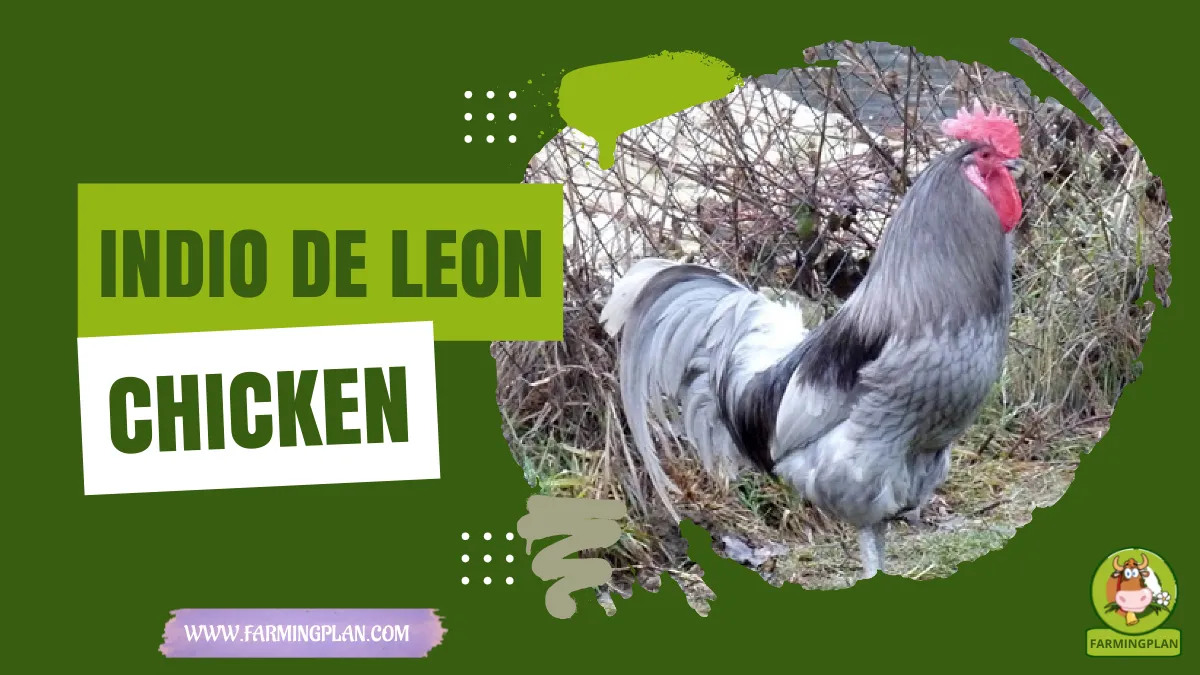
When you walk into my barn, the brilliant shine of the Indio de León chicken immediately grabs your attention. These birds possess strong body frames, erect postures, and bright red single crests paired with bold barbillas. Their legs feature smooth, unfeathered scales with a sharp espolón on mature roosters. Unlike heavy meat birds, they carry a lean, athletic build reminiscent of traditional European stock.
The true genius of this breed lies in its feathers, prized globally for hackles with incredible natural stiffness and luster. Breeders divide the color strains into two main categories: Indio and Pardo. The Indio lineage displays dark blue, slate gray, and steel tones driven by natural color genetics. Variations include sub-shades like negrisco, langareto, and flor de endrina. When sunlight strikes these feathers, the metallic sheen creates a breathtaking display that synthetic materials simply cannot replicate.
Temperament & Flock Behavior of Indio de León Chicken
I always tell new flock owners that the Indio de León chicken possesses a lively, independent spirit. These birds demonstrate sharp awareness and energetic behaviors that keep them active throughout the day. Roosters protect their territories fiercely, displaying proud body language while monitoring nearby threats. While they show confidence around familiar caretakers, they retain an alert nature that helps them thrive in vast outdoor spaces.
Because these birds evolved in rustic mountain environments, they excel in corrales abiertos and spacious pastures. They interact dynamically with other barnyard animals while maintaining a clear social order. Hens show calm personalities and settle nicely into well-managed nest boxes, though they display occasional broodiness. If you provide adequate room to roam, you will enjoy watching an intelligent, highly active breed that brings endless energy to your homestead.
Food & Daily of Indio de León Chicken
Feeding your Indio de León chicken requires a well-balanced dietary plan to support vibrant health and premium feather growth. High-quality protein forms the backbone of their diet, especially during seasonal molting periods when feather production demands intensive resources. I feed my flock natural grain mixes containing cracked corn, wheat, barley, and sunflower seeds to promote brilliant plumageConditioning.
- Daily Staple: Feed a clean, balanced 18% protein layer ration every morning.
- Essential Minerals: Provide free-choice crushed oyster shell and coarse granite grit.
- Fresh Forage: Offer daily access to leafy greens, alfalfa, and pasture bugs.
- Clean Water: Maintain fresh, cool water supplies in clean troughs all day.
- Nutritional Avoidances: Never feed moldy grains, processed salt, avocado, or citrus scraps.
Proper mineral balances directly impact hackle quality and feather texture. I incorporate natural omega-3 sources and clean greens into their feeding schedule to increase feather shine. Keep feeding troughs dry and elevated off the dirt floor to prevent contamination. Clean, mineral-rich drinking water ensures robust digestive health and maintains consistent daily growth across all life stages.
Usage & Cultural Significance of Indio de León Chicken
The primary fame of the Indio de León chicken stems from its irreplaceable role in fly fishing culture. Fly tiers across the globe search for genuine pluma de León to craft dry flies, wet flies, tails, and wings for trout angling. The natural stiffness and water resistance of these hackles allow artificial fishing flies to float effortlessly across swift river currents.
Beyond the fishing crafts trade, these birds play a vital role in sustainable heritage farming. Hens lay consistent yields of large tinted eggs throughout the warmer months of the year. Small homesteaders appreciate their efficient foraging skills, high vitality rates, and strong environmental hardiness. Raising this breed preserves centuries of Spanish cultural history while supplying functional barnyard products.
Special Features of Indio de León Chicken
What makes the Indio de León chicken truly special is its unique feather structure. The barbs along each feather shaft grow with exceptional rigidity and natural oily sheaths that resist water saturation. This physiological trait evolved over centuries in the humid river valleys of northern Spain, giving the feathers unparalleled buoyancy on water.
Furthermore, this breed carries rare color-modifying genes that create magnificent metallic lusters. When you inspect a mature rooster’s saddle feathers, you see shimmering highlights of gold, steel blue, and deep violet. Their natural disease resistance, strong legs, and keen instincts make them far tougher than standard commercial poultry strains.
“Raising Legendary Birds Demands Passion, Patience, And Pure Passion Every Single Day.”
Health Issues & Prevention Tactics of Indio de León Chicken
Maintaining exceptional poultry health in your Indio de León chicken requires continuous observation and clean farm management practices. While these birds boast hardy genetic backgrounds, they remain vulnerable to common barnyard challenges like external parasites, respiratory issues, and seasonal biosecurity risks like gripe aviaria.
Preventive care starts with keeping clean, dry bedding materials inside the coop spaces. Establish routine physical checks to inspect wattles, feet, and feather shafts for signs of unwanted pests. Provide dust bathing stations filled with clean wood ash and coarse dry sand to let birds naturally groom themselves. Isolate incoming birds for three weeks before integrating them into your primary breeding groups.
Step-by-Step Care Guide for Indio de León Chicken
Starting your journey with the Indio de León chicken requires systematic planning, proper housing designs, and consistent daily care protocols to secure success.
Step 1: Building Secure Housing and Outdoor Runs
Setting up your housing setup demands sturdy construction to safeguard your Indio de León chicken from clever predators. I design coops that provide at least four square feet of interior floor space per bird, alongside ten square feet per bird in outdoor runs. Secure all windows and open vents with heavy-duty quarter-inch hardware cloth rather than thin chicken wire. Install solid elevated roost bars set eighteen inches off the floor to protect long tail feathers from floor debris.
Proper ventilation remains essential when constructing your coop interior. Position air vents high on the walls above roost levels to remove moisture and ammonia gases without creating direct cold drafts across resting birds. Cover floor surfaces with thick pine shavings or clean dry straw to absorb droppings and maintain dry conditions. Secure outer run perimeters by burying hardware cloth twelve inches underground to prevent digging predators like foxes or raccoons from gaining access.
Step 2: Managing Daily Routine Care and Feeding Schedules
Daily care routines keep your birds healthy, active, and productive throughout every season of the year. Open housing doors early each morning to grant your flock immediate access to outdoor pastures and fresh sunlight. Inspect automated waterers immediately to clear out any dirt or debris, filling containers with clean, cool water daily. Scatter high-protein grain mixes across clean foraging grounds to encourage natural scratching activities.
Clean nest boxes twice weekly, adding fresh cedar or pine shavings to ensure clean egg collections. Perform brief physical inspections of your flock while they feed, looking for upright postures, clear eyes, and active movements. Lock your birds securely inside their night housing before twilight strikes to eliminate night losses from nocturnal predators. Clean main water barrels weekly with food-safe vinegar solutions to prevent algae build-up.
Step 3: Harvesting and Sorting Hackle Feathers Correctly
Harvesting feathers from your mature roosters requires patience, gentle handling techniques, and proper seasonal timing. I execute harvesting routines during late autumn when roosters finish their natural molt and display fully grown, prime hackles. Secure the rooster calmly under your arm, supporting its weight while gently parting the neck and saddle feather areas. Carefully pluck individual mature feathers using smooth, upward pulls along the direction of natural feather growth.
Never pull pinfeathers that carry active blood supplies at their bases. Sort harvested feathers immediately into labeled paper envelopes based on color shades, structural length, and stiffness ratings. Store filled envelopes inside dry, airtight containers packed with natural cedar chips to deter moth larvae. Proper sorting and clean storage methods preserve natural feather oils, keeping hackles pristine for fly-tying projects.
Read More: Carmagnola Grey Rabbit: Essential Care Guide
Pro Tips for Legendary Success for Indio de León Chicken
- Maintain a balanced rooster-to-hen ratio of one male per eight females to prevent feather damage from over-mating.
- Provide large dust bath boxes containing dry sand, wood ash, and food-grade diatomaceous earth to prevent lice infestations.
- Keep juvenile roosters in spacious bachelor groups to protect growing hackle feathers from competitive pecking.
- Feed natural sunflower seeds and ground flaxseed during autumn molting seasons to enhance natural feather shine.
- Collect hatching eggs twice daily during spring breeding windows to maintain maximum fertility and viability rates.
- Clean coop floors weekly to keep ammonia levels low and prevent respiratory irritation across your breeding lines.
FAQs
What makes the Indio de León chicken different from other Spanish chicken breeds?
This breed evolved specifically in the Curueño river region for its unique hackle feather stiffness and brilliant iridescent color tones. Unlike typical dual-purpose Spanish chickens, caretakers selectively breed this line for fly-tying materials and heritage survival capabilities.
How often do hens of this breed lay eggs throughout the year?
Hens lay medium-sized tinted eggs at a moderate rate, typically producing 120 to 150 eggs per year. Their primary focus remains heritage genetic traits and feather production rather than industrial egg yields.
Can I raise these birds in cold winter climates?
Yes, this breed developed in the cold mountain valleys of northern Spain, making it naturally hardy against chilly weather conditions. Provide dry, draft-free coop spaces during winter months to protect single crests from severe frostbite.
What diet produces the best hackle feather quality on roosters?
A high-protein diet rich in natural grains, sunflower seeds, green forage, and essential omega fatty acids yields the best feather stiffness and shine. Avoid low-quality feeds that lack amino acids like methionine during active molting periods.
Where can anglers purchase genuine feathers from this specific breed?
Authentic pluma de León feathers come from certified specialty breeders and local artisanal farms concentrated in the León region of Spain. Always buy from registered sources to ensure you receive genuine, hand-sorted hackles.
Conclusion
Raising the magnificent Indio de León chicken offers a deeply rewarding journey that connects you directly with centuries of Spanish heritage and artisan craft traditions. By providing secure housing setups, balanced protein nutrition, and attentive feather management practices, you preserve an irreplaceable living treasure on your farm. Whether you wish to supply world-class fly-tying materials to eager anglers or raise hardy heritage birds across your green pastures, this breed delivers unmatched beauty and rustic resilience. Are you ready to add these legendary Spanish birds to your homestead flock today? Leave a comment below, share your experiences with rare poultry, and pass this guide along to fellow breeders!