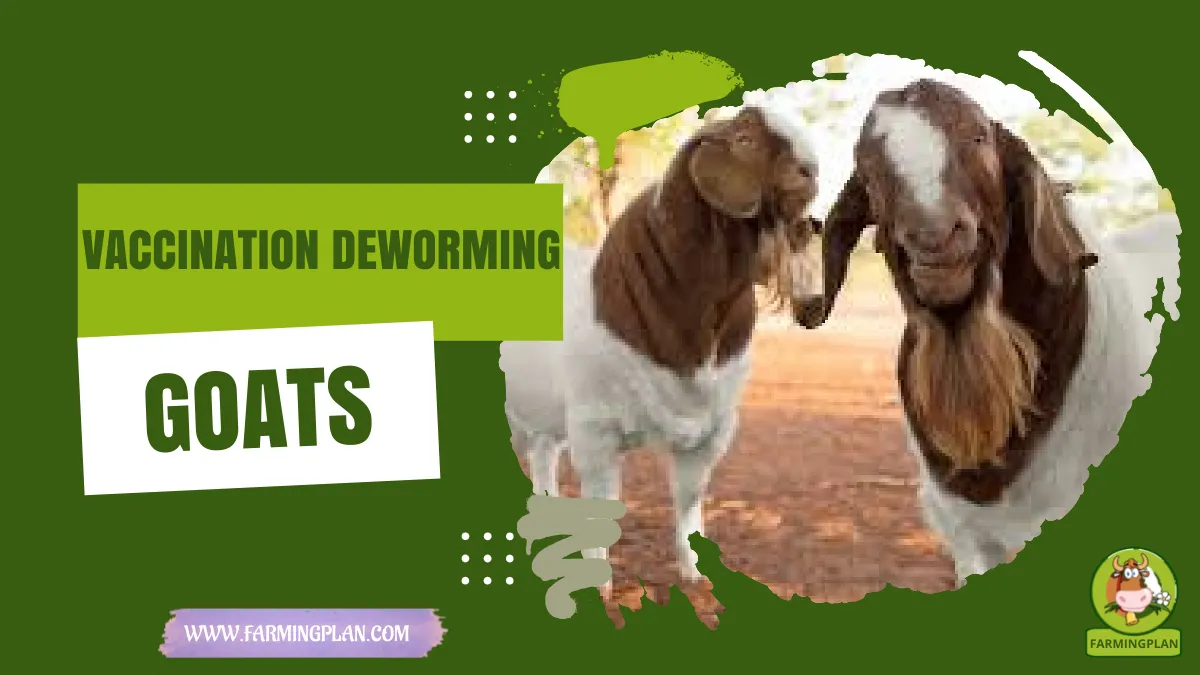
Vaccination and Deworming play a vital role in protecting both humans and animals from dangerous diseases and parasitic infections. As a farming specialist, I’ve seen firsthand how a simple vaccination schedule and a proper deworming program can completely change the health of a farm, a home, or even a whole community. Whether you’re caring for dogs, cats, or even kids, maintaining a proper immunization schedule and using effective anthelmintic treatments can prevent serious health concerns.
In this guide, I’ll walk you through everything—from pet vaccination protocols and puppy deworming to human protection against diseases like West Nile Virus and parasitic infections. We’ll also explore practical tools like oral pills, liquid medication, fecal egg count testing, and preventive measures that keep your furry companion and family safe.
History & Origin
Early Discoveries That Changed Health Forever
Vaccination started centuries ago when scientists discovered that exposure to weakened pathogens could trigger the immune system to build protection. One of the earliest breakthroughs came with the use of Bacille Calmette-Guerin for tuberculosis. Over time, vaccines evolved to include advanced forms like DNA-based vaccines and MF59-adjuvanted Fluad, which improved immune response.
Deworming, on the other hand, began with herbal remedies. Farmers used natural treatments long before modern anthelmintic treatments like Ivermectin Gold and Strongid Paste became available. Today, we rely on science-backed medications to fight intestinal parasites effectively.
Read More: Shetland Sheep: Colorful, Hardy & Full of Charm
Modern Advances in Immunization and Parasite Control
Now, vaccination protocols include protection against diseases like canine influenza, feline leukemia virus, and even rare infections like Sleeping Sickness. In livestock, vaccines like Pneumabort K1b and Pneumabort K protect pregnant mares and horses from reproductive diseases. Modern deworming programs use precise tools like fecal egg count to detect parasitic infections early. This helps avoid overuse of medication and ensures better pet health and livestock productivity.
Characteristics – Key Features of Vaccination and Deworming
How Vaccines Work Inside the Body
Vaccines stimulate the immune system to create an immune response without causing the disease. This process often leads to sterile immunity, where the body completely blocks infection. Core vaccines like rabies vaccine and distemper shot are essential for pets, while influenza vaccines protect humans from viruses like the 2009 pH1N1 influenza A virus. Vaccines may contain adjuvanted vaccine components that boost effectiveness. These help the body produce stronger protection against infections.
Understanding Deworming Treatments
Deworming focuses on eliminating intestinal parasites using oral pills or liquid medication. Products like Panacur Power Pack and Strongid Paste target worms effectively. Regular testing, such as a fecal egg count, helps determine the right treatment plan. I always recommend combining deworming with tick and flea treatment. This ensures complete parasite control and prevents reinfection.
Nature/Temperament
Healthy Animals Show Better Behavior
When animals follow a proper vaccination plan, they show improved energy, appetite, and temperament. I’ve seen aggressive dogs calm down after treatment because underlying health issues disappeared. Pets suffering from parasitic infections often show irritability, weight loss, and poor coat quality. Deworming helps restore their natural behavior and vitality.
Immune System and Emotional Health
A strong immune system doesn’t just prevent disease—it supports overall well-being. Animals and humans feel more active and stress-free when they’re healthy. For example, heartworm disease in dogs can cause fatigue and breathing issues, which directly affect their mood. Maintaining regular vaccination and deworming ensures your pets stay happy and active.
Food & Diet – Supporting Immunity Naturally
Nutrition That Boosts the Immune System
I always tell pet owners that food plays a huge role in immune response. A balanced diet rich in proteins, vitamins, and minerals strengthens the body’s defense system. For pets, include high-quality commercial feed or home-prepared meals. Avoid feeding raw or contaminated food, as it increases the risk of Salmonella strains and parasites.
Diet Tips During Deworming
During deworming, I recommend light and digestible food. This helps the body process medications like oral pills or liquid medication more efficiently. Clean water is essential. It helps flush out toxins and supports recovery. For children undergoing deworming, ensure proper hygiene and nutritious meals.
Usage/Purpose – Why We Use Vaccination and Deworming
Protection Against Deadly Diseases
Vaccination protects against life-threatening diseases like rabies, feline leukemia, and kennel cough. In humans, vaccines prevent infections like influenza and West Nile Virus. Livestock vaccines protect animals like Ranch/pleasure horses and Roping/Rodeo horses from diseases such as Equine Herpes Virus and Eastern & Western Encephalomyelitis.
Controlling Parasites Effectively
Deworming programs control intestinal parasites that can spread rapidly. These parasites not only affect animals but can also infect humans. Regular deworming reduces the risk of heartworm disease and improves overall productivity in farms and households.
Special Features – Unique Strengths and Benefits
Advanced Vaccine Technology
Modern vaccines use cutting-edge technology like HIV-gag expressing Listeria monocytogenes vaccine vector and DNA-based vaccines. These innovations provide stronger and longer-lasting immunity. Vaccines can also trigger regulatory T cell and type 1 regulatory T cells (Tr1) responses, which help control inflammation.
Efficient Deworming Solutions
Deworming has become more precise with tools like fecal egg count testing. This ensures targeted treatment instead of guesswork. Products like Ivermectin Gold and Panacur Power Pack offer broad-spectrum protection. Combined with preventive measures, they create a strong defense system against parasites.
Health Issues & Prevention – Common Risks and Solutions
Common Diseases and Symptoms
Unvaccinated pets risk diseases like canine influenza, distemper, and feline leukemia virus. Symptoms include fever, coughing, and lethargy. Parasitic infections cause diarrhea, weight loss, and poor growth. In severe cases, they lead to life-threatening complications.
Prevention Strategies That Work
I always recommend a strict vaccination schedule and regular deworming program. Conduct heartworm test and fecal egg count checks regularly. Use tick and flea treatment to prevent external parasites. Keep your environment clean and maintain proper hygiene.
Step-by-Step Pet Owner Care Guide – Practical Daily System
Simple Daily System for Healthy Pets
Taking care of vaccination and deworming doesn’t need to be complicated. I’ve created a simple system that I personally follow on farms and with pet owners. This method focuses on planning, monitoring, and preventive care. When you follow these steps, you reduce health concerns and ensure long-term pet health. Let’s break it down step by step.
Step 1 – Create a Vaccination Plan
I always start by building a vaccination plan based on the animal’s age and species. Puppies need early protection, especially for distemper shot and rabies vaccine. Kittens require vaccines for feline leukemia and other core vaccines. Consult a Licensed Veterinary to create a personalized vaccination protocol. They will consider factors like maternal antibodies and exposure risks. Keep a Health Record for every pet. This helps track doses and prevents missed vaccinations.
Step 2 – Follow a Deworming Program
Deworming should start early, especially puppy deworming. I usually recommend deworming every few weeks initially, then switching to a monthly or quarterly schedule. Use trusted products like Panacur Power Pack or Strongid Paste. These work well against most intestinal parasites. Always perform a fecal egg count before treatment when possible. This ensures accurate dosing and avoids unnecessary medication.
Step 3 – Maintain Hygiene and Preventive Measures
Clean living spaces reduce infection risk. I always emphasize washing feeding bowls, cleaning litter areas, and removing waste promptly. Use tick and flea treatment regularly. This prevents parasites from spreading. For humans, especially kids, maintain hand hygiene and follow proper deworming schedules using safe oral pill treatments.
Step 4 – Monitor Health and Behavior
Watch for signs like weight loss, dull coat, or low energy. These often indicate parasitic infections or weak immunity. Regular vet visits help detect issues early. Conduct heartworm test and other screenings as needed. Early detection saves money and prevents serious complications.
Step 5 – Stay Consistent and Updated
Consistency is the key. I always remind pet owners that skipping doses can undo all progress. Stay updated with new vaccines and treatments. Modern options like adjuvanted vaccine and improved deworming drugs offer better protection. Keep learning and adapting your care routine for best results.
Read More: Burlina Cattle: Legendary Dairy Breed With Exceptional Milk
Expert Tips & Best Practices – Smart Care Secrets
Pro Tips From My Experience
- Always follow a proper immunization schedule
- Never skip booster doses
- Combine deworming with tick and flea treatment
- Keep detailed health records
- Use vet-approved medications only
Advanced Care Strategies
- Rotate deworming drugs to prevent resistance
- Use fecal egg count tests regularly
- Vaccinate based on lifestyle and exposure risk
- Avoid overcrowding animals
“Healthy Pets And People Start With Timely Vaccination And Smart Deworming Habits.”
FAQs
What is the correct vaccination schedule for pets?
The vaccination schedule depends on age and species. Puppies and kittens start early and receive boosters every few weeks. Adult pets require annual or periodic boosters.
How often should I deworm my dog or cat?
Young pets need frequent deworming every 2–4 weeks. Adults usually follow a monthly or quarterly schedule based on risk.
Can humans benefit from deworming?
Yes, especially children. Deworming helps prevent parasitic infections and improves overall health.
Are vaccines safe for pets?
Yes, vaccines are safe when administered by professionals. Mild side effects may occur but serious reactions are rare.
What are signs of parasitic infections?
Common signs include diarrhea, weight loss, bloated belly, and low energy. Consult a vet if you notice these symptoms.
Conclusion
Vaccination and Deworming form the foundation of a healthy life for both humans and animals. From protecting against deadly diseases like rabies and influenza to controlling harmful parasites, these practices ensure long-term wellness. I’ve seen farms transform and pets thrive simply by following a proper vaccination schedule and deworming program. The key lies in consistency, awareness, and working closely with professionals. If you want your pets and family to stay healthy, start building your plan today. Share your thoughts, ask questions, and let’s create a healthier future together.