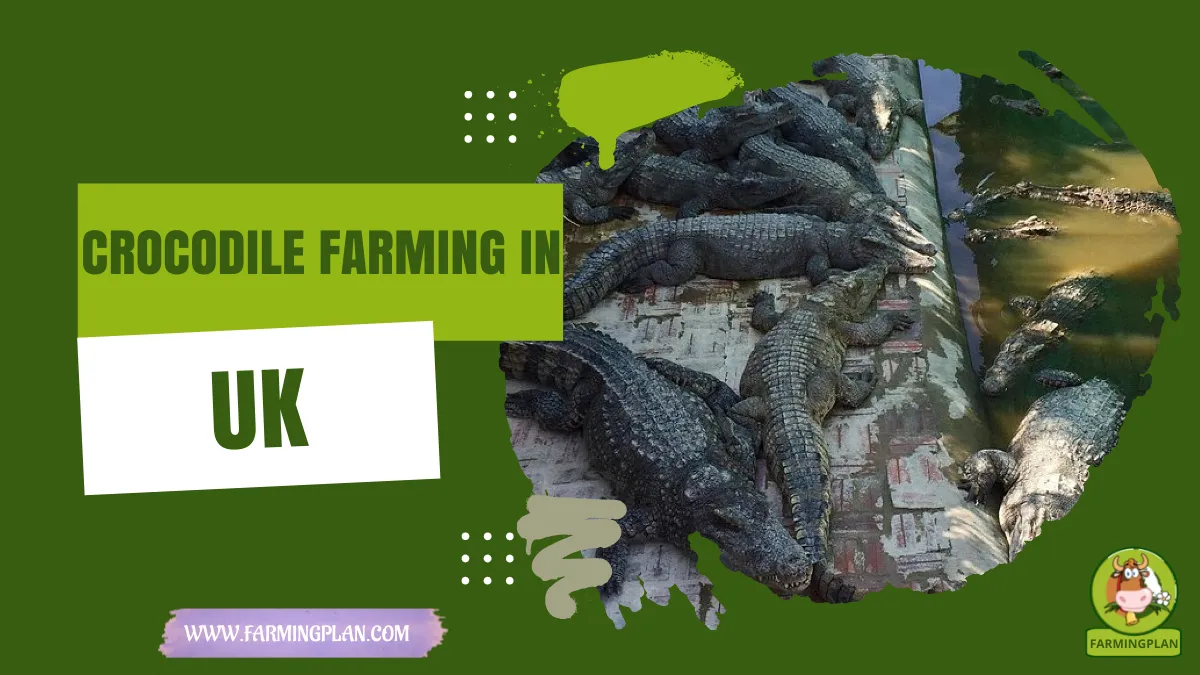
Crocodile farming in UK facilities might sound like a strange dream, but I have spent years studying how these ancient reptiles manage in temperate environments. Many folks ask me if setting up a commercial reptile facility in Britain is even realistic. While Britain does not offer tropical sunshine, modern indoor housing, specialized heating systems, and proper ventilation allow these fascinating animals to thrive.
Whether you explore crocodile farming in the UK for beginners or study wild populations across Australia and Kenya, success comes down to understanding reptile welfare. In this detailed guide, I will share my firsthand experience with housing, diet, safety laws, and commercial potential so you can understand every side of this unique livestock venture.
History & Origin of Crocodile Farming in UK
I always tell my students that to manage cold-climate crocodilians, you must understand where commercial ranching started. Decades ago, hunters took wild specimens from tropical rivers across Africa, Asia, and Australia. Over-hunting crippled wild crocodile populations, forcing governments to step in with strict rules. The creation of CITES (Convention on International Trade in Endangered Species) completely reshaped the luxury leather trade. Farmers shifted from wild hunting to sustainable captive breeding and ranching programs.
Ranchers began gathering wild crocodile eggs from fragile ecosystems, incubating them in controlled rooms, and raising hatchlings in safe farm enclosures. This system protected wild populations while supplying commercial markets with high-value crocodile skins. Tropical countries like Kenya, Zimbabwe, and Australia pioneered these massive commercial ranches. Over time, advanced heating technology made indoor farming possible even in cooler European regions.
Bringing Tropical Reptiles to British Soil
When crocodilians first arrived in Britain, people viewed them strictly as exotic zoo animals rather than agricultural livestock. Early pioneers faced massive challenges trying to recreate tropical humidity and heat inside traditional brick buildings. Without proper insulation, cold drafts caused severe respiratory illness and killed young animals quickly.
Over the last few decades, modern environmental controls transformed how British specialist keepers house big reptiles. Facilities like Crocodiles of the World, founded by specialist keeper Shaun Foggett, proved that species like Nile crocodiles, Saltwater Crocodiles, and the American alligator can live healthy lives in Britain. Today, British keepers combine strict animal welfare laws with efficient indoor housing designs to keep these powerful prehistoric predators healthy year-round.
Read More: Pros and Cons of Goat Farming: Best Goat Farming
Characteristics of Crocodile Farming in UK
Whenever I handle juveniles or assess adult stock, their sheer evolutionary design amazes me. These animals feature tough armor made of bony plates called osteoderms embedded right under their scales. Their eyes, ears, and nostrils sit on top of their flat heads, allowing them to remain almost invisible while swimming in deep water. Inside their snout, they possess Jacobson’s organ, a chemical sensor that helps them track scent signals through the air and water.
Temperature regulation dictates every single aspect of their daily survival. Since crocodilians are ectothermic, they rely entirely on external heat sources to warm their blood. If their body temperature drops, their metabolic rate slows down, stopping digestion completely. In my experience, keeping their core temperature steady keeps their immune system strong and prevents common digestive blockages.
Key Species Differences for Domestic Housing
Not all crocodilians perform the same inside intensive farming setups. The Nile Crocodile (Crocodylus niloticus) grows exceptionally large, reaches extreme power, and demands heavy-duty enclosure barriers. Nile hatchlings grow rapidly when fed a clean protein diet, but adults require massive heating budgets due to their large body mass.
The Saltwater Crocodile (Crocodylus porosus) produces the most prized crocodile leather for high-end luxury fashion brands like Hermès and Louis Vuitton. However, “Salties” demonstrate extreme territorial aggression, meaning keepers must separate juveniles early to prevent damage. The American alligator offers higher cold tolerance, making them somewhat easier to heat during harsh British winters compared to tropical African or Australian species.
Nature/Temperament of Crocodile Farming in UK
Working closely with apex reptiles teaches you fast that you cannot train a crocodile like a dog. Instinct rules every choice they make. Dominant adults establish strict social hierarchies inside group pools. Larger animals quickly bully smaller hatchlings, pushing them away from hot basking zones and prime feeding stations.
Overcrowding triggers immediate physical fighting, which leads to scute-clipping, torn webbed feet, and deep hide scratches. In commercial hide production, skin damage destroys financial profits instantly. I always design enclosures with multiple visual barriers, hidden retreat boxes, and scattered basking platforms. Giving subordinate animals escape paths keeps stress levels low and prevents sudden aggression spikes.
Human Interaction and Safe Management Protocols
People frequently ask me if a crocodile can become a docile pet for home living. My simple answer is always no. Even captive-bred juveniles retain sharp predatory instincts, reacting instantly to sudden movements or splashing water. While young hatchlings seem easy to handle, an adult Nile crocodile packs enough bite force to crush bone effortlessly.
Handling must remain strictly professional, limited to necessary medical checks, size sorting, or pool cleaning. Specialist keepers use long catch poles, padded snout straps, and wooden shift boards to move large animals safely. Respecting their wild nature protects both the keeper from serious injury and the animal from unnecessary stress.
Food & Diet of Crocodile Farming in UK
Feeding predatory reptiles requires a strict balance of whole animal prey to support dense bone growth and muscle development. A diet consisting only of boneless meat leads to metabolic bone disease, causing soft jaws and deformed spines. Hatchlings need small, calcium-rich items like whole day-old chicks, vitamin-dusted pinkie mice, and fresh freshwater fish. As juveniles grow into large adults, their feeding schedule shifts from daily meals to spaced-out feeding days. Adult diets include whole poultry, beef joints, large fish, and specialized vitamin supplements. I carefully track nutrient intake across all growth stages to maintain steady weight gain without causing liver damage from excess fat.
Crucial Feed Management Guidelines
- Do thaw frozen food completely until the center reaches room temperature before offering it to your stock.
- Do add specific calcium and vitamin D3 powders to raw meat cuts to support strong scute development.
- Do clean all feeding platforms immediately after eating to prevent dangerous bacterial growth inside the barn.
- Don’t throw cold or semi-frozen meat into warm pools, as this drops their core gut temperature instantly.
- Don’t overfeed young stock, because rapid artificial growth causes painful joint deformities and liver fat deposits.
Usage/Purpose of Crocodile Farming in UK
The main financial driver for commercial farms worldwide remains the luxury leather trade. Premium fashion houses use high-grade crocodile hides to manufacture expensive handbags, boots, and watch bands. To harvest top-grade leather, farmers must raise stock in flawless conditions to prevent any bite marks, wire scratches, or skin scars.
Understanding crocodile farming in UK methods helps you keep hatchlings, juveniles, and adults healthy and strong all year long. Alongside hides, crocodile meat serves a growing exotic food market. The meat offers a lean, high-protein alternative to traditional livestock, carrying a mild taste similar to chicken and pork. Beyond hides and meat, secondary markets process crocodile teeth, skulls, and oil for traditional crafts and specialized cosmetics.
Educational Displays, Zoos, and Conservation Programs
In the UK, commercial hide farming faces intense public scrutiny and strict welfare rules. As a result, many British facilities focus heavily on public education, captive breeding, and wildlife conservation. Places like Crocodiles of the World educate thousands of visitors daily about reptile biology and global wetland protection. These public facilities run targeted enrichment activities like live Nile Croc Feed sessions, Binturong Feed demonstrations, and Wild Keeper Experiences. Visitors gain a real appreciation for species conservation, learning how regulated CITES ranching saves wild habitats in Kenya and Australia from destructive human development.
Special Features of Crocodile Farming in UK
Crocodilians carry physical traits that have remained practically unchanged for millions of years. Their hearts feature a unique four-chambered structure with a specialized valve called the Foramen of Panizza. This valve allows them to divert blood away from their lungs while diving underwater, conserving oxygen during long submerged hunts. Their clear third eyelid, known as a nictitating membrane, acts like built-in goggles to shield their eyes underwater.
While crocodile farming in UK locations brings high heating costs, offering public educational tours and specialized breeding can make your operation rewarding. Furthermore, specialized palatal valves at the back of their throat seal off their airway completely. This allows a crocodile to snap its jaws open and capture prey underwater without drowning.
Extreme Sensory Powers and Survival Tools
The sensory systems of these animals outmatch almost any other freshwater predator. Dermal pressure receptors dot their jaw scales, detecting tiny ripples caused by swimming fish or struggling land animals. In my work, I notice how even hatchlings react to water vibrations several feet away within milliseconds. Their immune system packs extraordinary defensive powers as well. Crocodilian blood contains powerful antimicrobial peptides that destroy harmful bacteria and viruses quickly. This incredible blood chemistry allows wild individuals to heal from severe territorial bite wounds inside dirty river water without developing fatal systemic infections.
Health Issues & Prevention of Crocodile Farming in UK
High temperatures and wet housing create an ideal environment for harmful bacteria and viruses if sanitation routines slip. Salmonellosis poses a constant threat, causing severe enteritis in young hatchlings and creating significant public health risks for human handlers. Keeping water filtration systems running continuously stops bacterial numbers from spiking.
Setting up crocodile farming in UK farms also means securing official licenses under the Dangerous Wild Animals Act to keep handlers and the public safe. Viral infections also cause sudden stock losses in intense rearing units. West Nile virus, crocodile pox (a parapoxvirus), and various respiratory bugs spread rapidly through crowded holding pools. Infected animals display swollen eyelids, lethargy, skin lesions, and sudden loss of appetite, requiring immediate quarantine steps.
Medical Care and Preventive Biosecurity
- Maintain Water Quality: Run mechanical and biological bio-filters continuously to keep ammonia levels near zero.
- Control Air Temperature: Install redundant thermostat controls so room heat never drops below target ambient levels.
- Sanitize Holding Pens: Scrub feeding decks daily with reptile-safe disinfectants to destroy surface bacteria.
- Use Targeted Medication: Work with certified exotic veterinarians to administer oxytetracycline when bacterial outbreaks strike.
- Isolate New Stock: Quarantine any newly arrived reptiles in a separate building for 60 days before moving them near your main collection.
“Raising Crocodiles In Cold Climates Requires Absolute Dedication To Temperature Control And Strict Welfare Standards.”
Step-by-Step Farming Guide of Crocodile Farming in UK
Building a cold-climate crocodilian barn requires meticulous engineering, high insulation values, and heavy financial investment. Before buying any animals, you must secure official Dangerous Wild Animals Act (DWA) permits and local planning permissions. Your building design must prevent any risk of escape while keeping heating costs manageable during freezing winter months.
I always build facilities using waterproof concrete walls, sealed epoxy floors, and high-density polyurethane insulation panels. Drafts will kill young reptiles quickly, so your air exchange system must heat incoming fresh air before blowing it across holding pools. If you want to succeed with crocodile farming in UK setups, you must install heavy-duty insulation, reliable heating units, and high-tech water filtration systems to mimic tropical river conditions.
Step 1: Setting Up the Hot Hatchling Area
Your hatchling room serves as the heart of your rearing facility, requiring absolute precision regarding climate controls. I build raised fiberglass shallow tubs containing dedicated land basking ramps and water channels. The water temperature must sit between 30°C and 32°C continuously, while overhead ceramic lamps create a focused basking zone of 34°C.
You must install accurate digital temperature controllers with automated alarms that text your phone if heat levels drop. Young hatchlings dry out fast, so keep air humidity levels around 70% to 80%. Place smooth plastic hides inside the water channels so young animals feel secure while resting.
Step 2: Setting Up the Adult Enclosure Design
Adult crocodiles need heavy-duty concrete pools paired with wide dry basking decks. I design pools with sloping entry ramps so large animals slide into the water smoothly without damaging their bellies. The water depth should match at least half the length of your largest adult, allowing them to submerge completely and turn around without hitting walls.
Security remains your top structural priority when housing adult stock. Build pool perimeter walls using reinforced concrete blocks topped with heavy steel mesh panels. Install double-door airlock entries so keepers never stand inside an open enclosure with an unsecured adult animal.
Step 3: Installing Water Systems and Temperature Regulation
Water management dictates your daily labor requirements and overall animal health. Crocodiles pollute water fast through waste and uneaten meat, making static water changes exhausting and risky. I install commercial aquaculture recirculating systems featuring rapid sand filters, ultraviolet sterilizers, and biological bio-reactors.
Heating heavy volumes of water in cold weather demands commercial heat pumps or biomass boilers. Ensure your filtration system turns over the total pool volume every two hours. Run backwash cycles twice weekly to remove solid waste before organic compounds break down into toxic ammonia.
Step 4: Setting Up the Incubator Room and Egg Care
Successful breeding depends entirely on precise nest management and artificial egg incubation. Female crocodiles lay eggs in moist dirt or vegetable mounds, which you must carefully collect within hours of laying. Mark the top of every egg with a pencil before moving it, as rotating a crocodilian egg destroys the delicate embryo inside.
Place eggs inside sealed plastic containers filled with damp vermiculite at a 1:1 water-to-media ratio by weight. Slide containers into specialized chest incubators set strictly to 31.5°C for a mix of sexes, or 32.5°C to produce males. Keep humidity inside incubators above 95% throughout the 80-day incubation period.
Step 5: Daily Feeding and Enrichment Schedule
Establish a fixed daily routine to lower stress levels and keep your stock active. Feed hatchlings once daily late in the afternoon when ambient temperatures peak. Scatter food across clean dry boards rather than dropping meat directly into water pools, as submerged food rots fast and fouls your filtration media.
Offer adult animals large prey items two to three times per week during warm months, dropping feeding frequency during winter. Introduce enrichment activities like hanging fresh meat cuts from overhead ropes to encourage natural jumping behaviors. These daily workouts build strong muscle tone, improve gut digestion, and keep animals mentally stimulated.
Read More: Goat Feeding Guide: How to Keep Goats Healthy
Expert Tips & Best Practices for Success of Crocodile Farming in UK
- Build double-door safety airlocks on every main door so animals can never reach open corridors.
- Install backup power generators with automatic transfer switches to keep heat pumps running during power grid failures.
- Sort juveniles by total length every two months to stop aggressive larger animals from hurting smaller pen mates.
- Scrub concrete basking decks with reptile-safe veterinary disinfectant weekly to control bacterial growth.
- Use directional LED lighting to match natural tropical daylight hours, which helps regulate hormonal cycles.
- Keep detailed computerized logs tracking individual growth rates, food consumption, water test parameters, and medical treatments.
- Form direct working relationships with specialized exotic veterinarians before bringing any high-risk reptiles onto your property.
FAQs
Is crocodile farming legal in the UK?
Yes, keeping and farming crocodilians is legal in Britain, but you must obtain a Dangerous Wild Animals Act (DWA) license from your local council. You also need proper planning permissions and must follow strict national animal welfare laws.
Is Crocodile Farming in UK profitable in cold climates?
Profits remain very difficult to achieve in Britain due to extreme heating bills and high facility setup costs. Successful operations usually rely on public entry tickets, educational experiences, and specialist breeding rather than hide sales alone.
Can I keep a small crocodile as a house pet?
No, crocodilians make terrible indoor house pets because they grow exceptionally large, bite with extreme force, and demand complex heated housing setups. Local councils will not grant a DWA license for standard residential home care.
What do farmed crocodiles eat daily?
Farmed crocodilians eat a carnivore diet consisting of whole poultry, day-old chicks, rodents, beef cuts, and fresh fish. Keepers dust this food with essential calcium and vitamin supplements to support healthy bone growth.
How warm must a crocodile enclosure be?
Enclosures require an ambient air temperature of 28°C to 30°C, a pool water temperature around 30°C, and a focused basking spot reaching 34°C. Allowing temperatures to drop causes severe digestive issues and respiratory illness.
Conclusion
Managing crocodile farming in UK facilities requires incredible financial investment, deep biological knowledge, and absolute commitment to safety protocols. While cold winters make commercial hide farming tough compared to tropical ranches, modern indoor environmental controls allow these incredible reptiles to thrive under expert care. Success relies on proper licensing, strict biosecurity, continuous water filtration, and balanced whole-prey diets. If you are passionate about exotic agriculture or conservation education, reach out to licensed specialist keepers, visit established reptile parks, or share this guide to help educate others about modern crocodilian care! Crocodile farming in UK facilities is an incredible venture that requires deep knowledge of tropical reptile care and strict climate management.