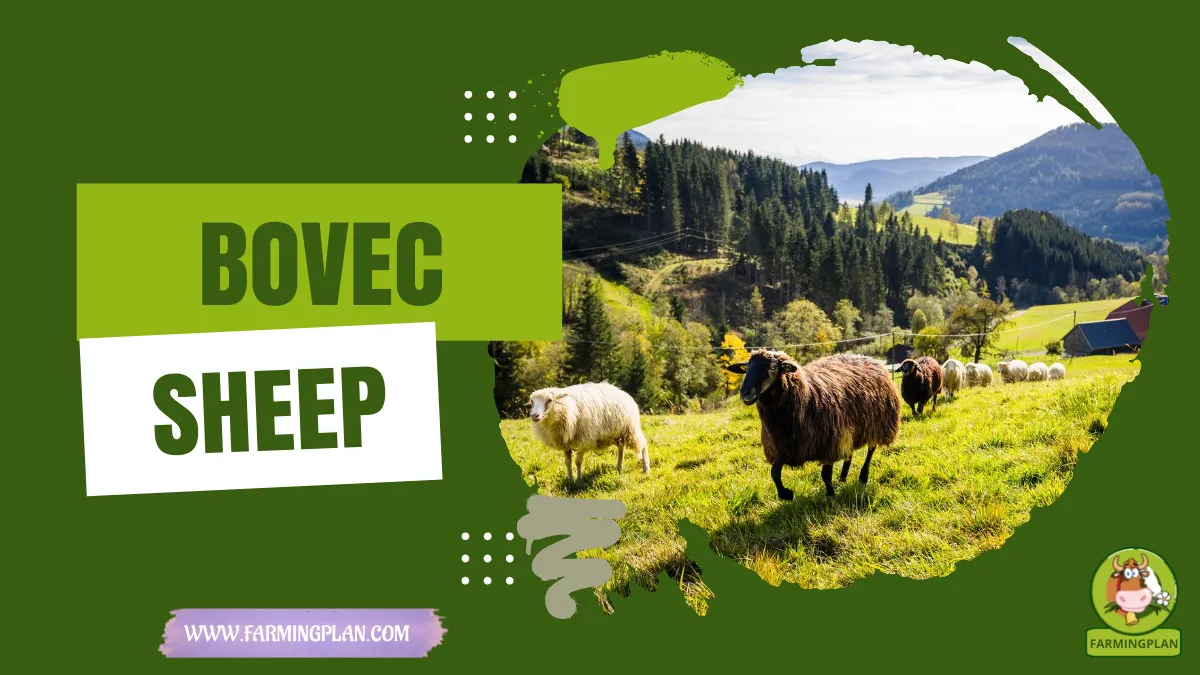
When I first walked the steep, emerald trails of the Soča valley in Slovenia, I met a truly extraordinary animal: the Bovec sheep. As a farming specialist who has spent decades working with rare livestock breeds, I immediately admired this hardy Alpine native. Known locally as Bovška ovca or trentarka in the Trenta Valley, this small-framed dairy superstar thrives on high mountain pastures where other stock would stumble.
The Bovec sheep brings incredible resilience, producing rich sheep’s milk packed with fat and protein that local cheese-makers turn into world-famous Bovec cheese (Bovški sir). Whether you graze them along the Juliana trail or maintain small holdings across Austria and Italy, these resilient animals turn tough mountain forage into top-tier dairy products.
• High Fat & Protein • Steep Slope Grazing • Delicate Flavor
• Bovec Cheese (PDO) • Bare Belly & Legs • Coarse Rug Wool
• Albumin Curd/Whey • Weather Resistant • Sustainable Meat
History & Origin of Bovec Sheep
The story of this breed reaches deep into the heart of the Julian Alps. Scholars first mentioned Bovec cheese as a form of payment back in 1377 in the Tolmin land register. Centuries later, polymath Johann Weikhard von Valvasor highlighted the region’s remarkable sheep cheese in his 1689 classic, The Glory of the Duchy of Carniola. Local shepherds bred the original Alpine white sheep with historic dairy and wool lines to create a tough, highly productive animal.
Throughout history, these animals sustained remote farming communities across Udine in Italy, Carinthia in Austria, and the Goriška statistical region of Slovenia. In German-speaking areas, people call them Krainer Steinschaf, while Italian shepherds refer to them as Plezzana. While modern commercial breeds caused numbers to decline in the 20th century, dedicated conservationists and the FAO’s Öpul programme have helped safeguard this autocthonous breed. Today, organizations like the Slow Food Presidium preserve their vital heritage.
Read More: Adal Sheep Care Secrets for Amazing Farm Success
Characteristics of Bovec Sheep
When you examine a Bovec sheep, you notice right away how perfectly built it is for rugged mountain life. They are light and nimble, with ewes standing 45 to 55 cm at the withers and rams reaching under 65 cm. Mature ewes weigh roughly 45 kg, while rams weigh 50 to 80 kg. About 70% of the population sports an off-white fleece, while the remaining 30% features striking black, brown, or patterned coats.
| Attribute | Ewe (Female) | Ram (Male) |
| Withers Height | 45 – 55 cm | Up to 64 cm |
| Body Weight | ~45 – 50 kg | 50 – 80 kg |
| Primary Color | Off-White (~70%) | Off-White, Black, Brown |
| Ear Structure | Small, sideways pointing | Small, sideways pointing |
| Lactation Yield | 221 – 270+ kg milk | N/A |
Their physical traits match their environment. Their legs are short, thin, and angled slightly forward, allowing them to climb steep grass slopes without slipping. They feature a bare belly and bare lower legs, which prevents wet alpine brush from soaking their wool. They have small ears and a narrow head covered in light wool. Their coarse outer wool shields them from heavy rainfall and high-altitude winds.
Nature & Temperament of Bovec Sheep
Managing these animals on open alpine range reveals their sharp intelligence and strong survival instincts. They possess a strong herd instinct, keeping the flock close together while grazing high mountain slopes. This tight-knit behavior makes trailing them through passes like the Javorca River pass or high pastures near Triglav straightforward and manageable.
They display remarkable docility toward human handlers, especially during milking sessions. Mother ewes exhibit outstanding maternal qualities, caring for their lambs with great attention even during cold, wet mountain spring weather. They remain alert to predators, making them ideal for traditional extensive grazing where shepherds rely on watchful, self-reliant livestock.
Food & Diet of Bovec Sheep
Feed management for this breed centers on high-quality forage. These animals excel at digesting tough alpine grasses, wild herbs, and mountain mountain-meadow vegetation that beef cattle refuse to touch. During summer months, they thrive on high pastures across places like Kriški podi or the Dleskovec Plateau, turning wild plants into highly nutritious milk.
In winter, feed them good-quality meadow hay harvested from lower valley fields. Avoid sudden feed shifts or dusty, moldy hay, as sheep digest food best when forage remains clean and consistent. Provide continuous access to fresh water and mineral salt blocks rich in selenium and iodine to support milk production and keep the flock healthy year-round.
Usage & Purpose of Bovec Sheep
This multipurpose breed serves several important agricultural functions. Their main purpose is dairy production. Over a 210-day lactation period, a well-managed ewe produces between 221 kg and 270 kg of rich milk containing over 7% fat and nearly 6% protein. Local farmers process this raw milk into famous Bovec cheese (Bovški sir), cottage cheese, and traditional albumin curd (skuta).
Beyond dairy, these animals produce tender, fine-fibered lamb meat with a delicate, spicy flavor from their herb-rich diets. Farmers also use their coarse wool for local textiles, rug yarn, and insulation products through initiatives like PROJEKT LANATURA. Furthermore, their active grazing keeps steep Alpine meadows clear of overgrown brush, preserving the landscape for eco-tourism along popular routes like the Alpe Adria Trail.
Special Features of Bovec Sheep
The most notable trait of this breed is its uncanny ability to navigate steep mountain slopes. Their low center of gravity, light weight, and forward-sloping back legs help them climb cliffside paths safely. Furthermore, their milk features a high fat-to-protein ratio, making it one of the finest natural bases for hard cheese making. Their milk holds European Protected Designation of Origin status, guaranteeing that authentic Bovec cheese comes strictly from traditional Alpine methods. Their frugal nature allows them to stay healthy on low-input farms where modern breeds struggle to survive.
Read More: Guppy Fish Care: A Complete Guide to Raising Vibrant Aquariums
Health Issues & Prevention of Bovec Sheep
Thanks to centuries of natural selection in harsh climates, these animals enjoy naturally strong immune systems and excellent longevity. However, high moisture in low valley pastures can occasionally cause health challenges.
- Internal Parasites: Grazing wet, low-altitude pastures can lead to stomach worms and liver flukes. Rotate pastures regularly and conduct routine fecal checks.
- Foot Rot & Scald: Soft valley soils retain moisture, which can cause foot rot. Trim hooves twice a year and keep winter housing lined with dry straw.
- Mastitis: Because these ewes produce high milk yields, inspect udders daily during lactation. Clean milking equipment thoroughly to keep bacterial infections away.
- Vaccinations: Keep the flock updated on clostridial disease vaccines, especially before spring lambing.
Step-by-Step Farming Guide of Bovec Sheep
Raising this mountain breed requires careful planning, proper shelter, and structured seasonal management. Follow these step-by-step instructions to establish a thriving flock.
Step 1: Secure Proper Alpine Shelter And Fencing
Before bringing stock onto your land, prepare clean, well-ventilated housing. Build a barn that provides at least 1.5 square meters of floor space per ewe, using dry wood or stone to prevent cold drafts. Combine woven wire fencing with electric offset wires set at a minimum height of 1.2 meters to keep stock secure and deter predators.
Step 2: Select Healthy Breeding Stock
Choose registered breeding stock from certified producers in Slovenia, Austria, or Italy. Look for bright eyes, strong backs, clean udders, and well-formed hooves. Confirm that ewes have a strong pedigree history of high milk yields and twin lambing capacity.
Step 3: Implement A Rotational Pasture Plan
Divide your grazing acreage into smaller paddocks to maximize forage quality and control parasites. Move the flock to fresh grass every 3 to 5 days, keeping them on high alpine pastures throughout the summer months. This rotation gives pastures time to recover while keeping forage clean and nutritious.
Step 4: Master The Daily Milking Routine
Start milking ewes shortly after weaning lambs at 30 to 40 days old. Establish a quiet, consistent daily milking schedule, washing udders with warm water before every session. Strain the fresh milk immediately and chill it to 4°C to preserve its sweet, aromatic flavor for cheese making.
Step 5: Process Traditional Bovec Cheese
Warm raw sheep milk to approximately 31°C to 35°C and add natural rennet to form a firm curd. Cut the curd into grain-sized pieces, gently heat it while stirring, and press it into traditional round cheese moulds. Age the cheese wheels in a cool, humid cellar for 60 to 90 days to develop their signature spicy, rich flavor.
[RAW MILK] ──► [WARM TO 33°C] ──► [ADD RENNET] ──► [CUT CURD] ──► [PRESS & AGE 60+ DAYS]
Expert Tips & Best Practices
- Maintain Pure Genetic Lines: Work closely with official breed registries like the Associazione Nazionale della Pastorizia or Slovenian genetic banks to preserve pure strains.
- Monitor Body Condition: Score your ewes monthly to ensure they stay in peak health during heavy lactation.
- Optimize Cheese Ripening: Keep aging cellars at 12°C to 14°C with 85% relative humidity to produce authentic, high-quality cheese.
- Provide Clean Bedding: Refresh straw bedding daily in winter barns to prevent foot issues and keep wool clean.
- Use Natural Salt Licks: Keep mineral blocks containing trace elements available to support digestion on high pastures.
To Shepherd High Alpine Pastures Is To Walk In Harmony With Nature’s Boldest Canvas.
FAQs
What is the most expensive sheep?
The most expensive sheep ever sold is the Double Diamond Texel ram, which fetched £367,500 (over $490,000 USD) at an auction in Scotland in 2020. Texel sheep command high prices due to their exceptional muscle density and top-tier breeding genetics.
What are Swiss sheep called?
Swiss sheep include several famous native breeds, with the Valais Blacknose being the most widely recognized for its black face and shaggy white wool. Other popular Swiss breeds include the Swiss White Alpine, the Engadine Red Sheep, and the Black-Brown Mountain Sheep.
How much milk does a Bovec sheep give per day?
A well-fed Bovec ewe yields between 1.0 and 1.5 liters of rich milk per day during peak lactation. Over a full 210-day lactation cycle, a single ewe can produce up to 270 kg of milk.
What makes Bovec cheese so special?
Authentic Bovec cheese uses raw milk from sheep grazing on rich, herb-filled Alpine pastures, giving it a unique spicy aroma and complex flavor. Its protected European PDO status ensures traditional preparation methods refined over 500 years.
Can Bovec sheep live in warm climates?
While this breed adapts well to cold temperatures and steep terrain, they suffer in hot, humid climates. They do best in cooler mountain regions with plenty of shade, fresh water, and good air circulation.
Conclusion
Raising the Bovec sheep lets you actively support centuries of European agricultural history while producing world-class dairy. These remarkable animals convert tough mountain forage into rich, sweet milk and famous artisan cheeses. Their light frame, friendly nature, and strong health make them a joy to manage on small farms or high pastures. If you want to raise a resilient dairy breed or help conserve rare livestock, these sheep offer incredible rewards. Have you considered adding rare heritage stock to your homestead? Share your thoughts in the comments below, pass this guide along to fellow farmers, and join the effort to protect our heritage breeds!