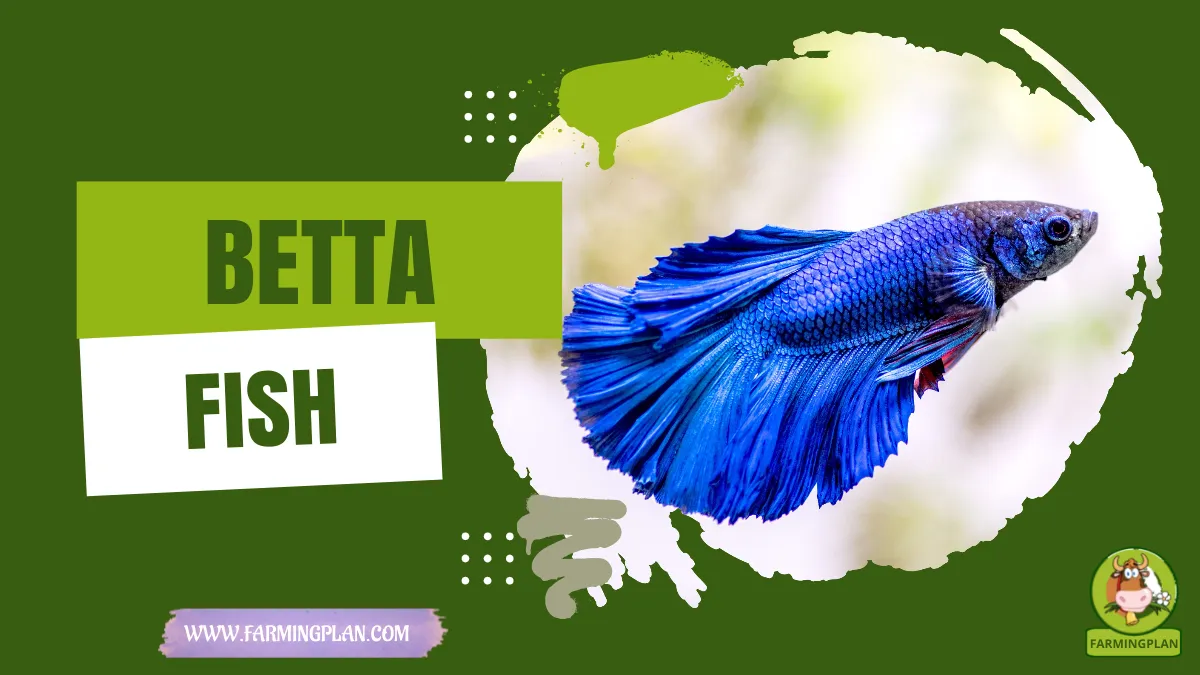
Betta Fish have become one of the most loved pet fish in the freshwater aquarium world. I still remember my first Siamese fighting fish swimming proudly through a planted setup with flowing fins and bold colors. Betta fish attract beginners and expert aquarists because they combine beauty, personality, and easy tank care in one small package. These fish come in many forms like Halfmoon Betta, Crowntails, Veiltails, Plakat Betta, Dragon Betta, and Koi Galaxy Betta. Their colorful finnage, territorial behavior, and bubble nest habits make them exciting to watch every day. Many new owners buy them in tiny betta cups or a fish bowl, but proper care needs heated aquariums, clean water, beneficial bacteria, and stable water parameters.
History & Origin
Siamese Fighting Fish originally came from Southeast Asia, especially Thailand, Cambodia, Laos, and Vietnam. Wild Betta splendens lived in shallow rice paddies, marshes, and slow-moving water channels filled with live plants and driftwood. Farmers noticed these aggressive fish fighting over territory, which led to selective breeding for stronger fighting strains. That history explains why modern Betta fish still show strong aggression and territorial behavior today.
People in Thailand called them “Pla Kat,” which inspired the modern Plakat Betta name. Breeders slowly developed colorful strains with larger fins, brighter pigmentation, and unique fin shapes. Over time, the fish entered the international pet trade and became popular in home aquariums worldwide.
Domestication And Global Popularity
I’ve visited several breeding farms where aquarists carefully select Betta fish for color variety, fin symmetry, and temperament. Selective breeding created stunning varieties like Halfmoons, Doubletail Plakat, Big Ear Elephant, delta tail, Yellow koi, and Phantom Betta strains. Modern breeders even study chromosomal mitochondrial genomes and the genetic basis of pigmentation to improve color stability.
The aquarium hobby exploded online through forum community discussions, fishtank videos, and social media. Stores now offer WYSIWYG selections where customers see the exact fish before purchase. Companies like LiveAquaria helped introduce exotic Betta strains to hobbyists around the world. Today, Betta fish remain one of the most recognized pet fish species in the aquarium industry.
Characteristics
One reason I love Betta fish involves their incredible visual diversity. Their fins flow like silk underwater, and their color patterns range from solid black to metallic emerald green. Some Betta fish display marbled patterns, while others show koi-style splashes of orange, white, and blue.
Popular fin types include:
- Halfmoon Betta
- Crowntails
- Veiltails
- Doubletail Plakat
- Emerald-Eye Green Plakat Betta
- Big Ear Elephant
- Delta tail varieties
Male Betta fish usually display longer fins and brighter colors than Female Betta fish. Female Bettas look smaller and less flashy, but they still show beautiful colors and active personalities.
Unique Physical Traits And Labyrinth Organ
Betta fish possess a special labyrinth organ, sometimes called a labyrinth lung. This organ lets them breathe atmospheric oxygen from the water surface. Because of this feature, Betta fish survive in low-oxygen environments where many fish struggle. I always explain to new owners that this doesn’t mean poor water quality is acceptable. Toxic ammonia, nitrates, fish waste, and unstable temperature still create serious health problems.
Healthy Betta fish need filtered water, a heater, and proper tank maintenance. Adult Betta fish usually grow around 2.5 to 3 inches long. Most Betta fish lifespan ranges from 3 to 5 years with good care. Some healthy fish live longer when owners maintain excellent water quality and provide a high-protein diet.
Nature & Temperament
Betta fish earned the nickname “fighting fish” for a good reason. Male Betta fish often attack other males aggressively. I never place two males together in the same Betta Tank because severe injuries and fin damage happen quickly. Male Bettas flare their gills, spread their fins, and charge rivals to protect territory. This aggressive display connects to serotonin transporter pathways and cortisol production inside the fish’s nervous system.
Breeders carefully manage aggression during breeding programs. Female Betta fish behave more peacefully, but they still establish social order in groups. I only recommend sorority tanks for experienced aquarists who understand behavior monitoring and tank management.
Reads More: Jersey Giant Chicken: The Best American Heritage Breed
Friendly Interaction With Owners
Despite their aggression toward rivals, Betta fish often interact playfully with humans. Many fish recognize feeding time and swim toward the glass when owners approach. I’ve trained several Bettas to follow my finger across the aquarium. Betta fish also build bubble nests at the surface when they feel healthy and comfortable. Males create these nests before breeding. A bubble nest usually signals stable water parameters and reduced stress levels.
Suitable tank mates may include:
- Snails
- Corydoras catfish
- Kuhli loaches
- Peaceful shrimp in large tanks
Aggressive fish or fin nippers create major problems for Bettas. I avoid tiger barbs and similar species completely.
Food & Diet
Betta fish thrive on protein-rich foods because they naturally eat insect larvae and tiny aquatic creatures. I feed my Bettas high-quality betta pellets as their primary food source. These pellets contain balanced nutrients for color, energy, and fin health.
I also rotate frozen brine shrimp, daphnia, and bloodworms throughout the week. Live foods encourage natural hunting behavior and improve activity levels. A varied diet supports strong immune systems and healthy finnage.
Good Betta food choices include:
- High-quality betta pellets
- Frozen brine shrimp
- Bloodworms
- Daphnia
- Mosquito larvae
Avoiding Overfeeding And Water Pollution
Overfeeding creates one of the biggest mistakes in betta care. Uneaten food quickly breaks down into toxic ammonia, damaging water quality and beneficial bacteria. I only feed small portions that fish finish within two minutes. Many new owners assume Betta fish survive happily in tiny bowls with minimal feeding. That myth causes serious health issues.
Betta fish need balanced nutrition, heated aquariums, and regular water changes. I also fast my Betta once per week to support digestion and reduce bloating problems. Healthy feeding habits improve lifespan, color intensity, and disease resistance. In this guide, I’ll share my personal experience with betta care, feeding, breeding Betta fish, disease prevention, tank mates, aquascape ideas, and long-term aquarium success for hobbyists and pet owners alike.
Usage & Purpose
Betta fish remain one of the best pet fish for beginners and hobbyists. Their bright colors and interactive personalities make them ideal for desktop aquariums, nano tanks, and planted setups. Many owners enjoy aquascape projects with driftwood, live plants, and natural decorations designed around a centerpiece Betta fish. Modern aquarium kits simplify fishkeeping for first-time owners. Companies like Lifegard Aquatics produce compact Betta Fish Tank systems with filters and heaters included.
Breeding, Competitions, And Educational Value
Experienced breeders raise Betta fish for competitions, selective breeding, and exotic strain development. I’ve worked with breeding pairs to produce Halfmoon Betta and Dragon Betta offspring with improved fin symmetry and vibrant color patterns.
Schools and families also use Betta fish to teach children about:
- The nitrogen cycle
- Water parameters
- Animal behavior
- Aquarium biology
- Fish health management
Their hardy nature helps beginners learn aquarium basics while building confidence in fishkeeping.
Special Features
The labyrinth organ gives Betta fish a major survival advantage. They can breathe surface air when oxygen levels drop. Wild Bettas evolved this trait in warm, shallow habitats with poor oxygen circulation. This adaptation allows Betta to survive temporary environmental stress better than many freshwater aquarium species. Even so, proper filtration and water conditioner remain essential for long-term health.
Massive Color Variety And Genetic Diversity
I’ve never seen another aquarium fish with such endless color combinations and fin designs. Modern breeders produce:
- Koi Galaxy Betta
- Black Betta fish
- Yellow koi strains
- Metallic dragon scales
- Marble patterns
- Double tail varieties
Selective breeding continues improving finnage, pigmentation, and body shape every year. Some breeders even study endocrine-disrupting chemicals and genetic mutations affecting coloration. Betta also communicate through body language, flaring displays, and swimming patterns. Watching their behavior feels surprisingly personal for such a small pet fish.
Health Issues & Prevention
Poor tank maintenance causes most Betta fish illnesses. Dirty water, unstable temperature, and overcrowding weaken immune systems quickly.
Common Betta fish diseases include:
Fin Rot
Fin rot damages the edges of fins and creates ragged tissue. Dirty water and bacterial infections usually trigger this condition. I improve water quality immediately and use aquarium salt or medication when needed.
Swim Bladder Disorder
Overfeeding often causes buoyancy problems. Fish may float sideways or struggle to swim normally. Fasting and better portion control usually help recovery.
Ich
Ich appears as tiny white spots across the body and fins. Raising temperature carefully and using aquarium medication often solves the problem.
Velvet Disease
Velvet creates gold dust-like coating on the body. Fish rub against surfaces and lose energy quickly.
Prevention Tips For Healthy Betta Fish
I focus heavily on prevention because healthy tanks reduce medical problems dramatically.
My prevention routine includes:
- Weekly water changes
- Stable heater temperature
- Testing nitrates and ammonia
- Gentle filter flow
- Removing leftover food
- Quarantining new fish
- Using water conditioner
Physical injury from sharp decorations also creates infection risks. I always choose smooth aquarium decorations and soft live plants.
“Healthy Betta Fish Thrive In Warm, Clean Water And A Stress-Free Aquarium. A Small Change In Care Can Create Big Results.”
Step-by-Step Betta Fish Care Guide
When I help new Betta owners, I always explain that success starts with preparation. Betta fish may look simple to care for, but they need stable water parameters, healthy food, and a stress-free environment to thrive. Tiny betta cups inside stores do not represent proper living conditions. In my experience, fish kept in larger heated aquariums show brighter colors, stronger finnage, and better overall behavior.
A proper Betta Tank creates balance between filtration, temperature, beneficial bacteria, and tank maintenance. I’ve raised Betta fish in planted setups, nano tanks, and breeding systems, and the same care principles always matter. Stable conditions prevent stress and disease. Good aquarium habits also reduce aggression and improve lifespan. Follow these steps carefully if you want a healthy and active fish.
Step 1 – Choose The Right Betta Fish Tank
I recommend at least a 5-gallon aquarium for one Betta fish. Larger tanks create more stable water conditions and give fish space to swim naturally. Small fish bowls often create temperature swings and toxic ammonia buildup.
Choose:
- A gentle filter
- Adjustable heater
- Secure lid
- Soft lighting
- Smooth decorations
Live plants and driftwood create hiding areas that reduce stress levels.
Step 2 – Cycle The Aquarium Properly
The nitrogen cycle helps beneficial bacteria break down fish waste safely. I always cycle tanks before adding Betta fish. Without cycling, toxic ammonia damages gills and weakens fish health.
Use:
- Water conditioner
- Aquarium test kits
- Beneficial bacteria supplements
Cycling may take several weeks, but it prevents many future problems.
Step 3 – Maintain Proper Water Parameters
Betta fish prefer:
- Temperature: 76–82°F
- Stable pH around 6.8–7.5
- Low nitrates
- Zero ammonia
I test water weekly to catch problems early. Consistency matters more than chasing perfect numbers.
Step 4 – Feed Balanced Meals Carefully
Feed high-quality betta pellets once or twice daily. Rotate bloodworms, daphnia, and frozen brine shrimp for variety. Remove uneaten food quickly to protect water quality. I avoid overfeeding because digestive issues and dirty water appear fast in small aquariums.
Step 5 – Monitor Behavior And Health Daily
Healthy Betta fish swim actively, respond to feeding, and show vibrant colors. Watch for:
- Clamped fins
- White spots
- Lethargy
- Loss of appetite
- Rapid breathing
Fast action prevents small issues from becoming dangerous diseases.
Expert Tips & Best Practices
After years of raising Betta fish, I’ve learned that small daily habits create the biggest long-term results. Beginners often chase fancy equipment while ignoring water stability and stress management.
My favorite Betta care practices include:
- Use live plants to improve water quality
- Keep gentle filter flow for long fins
- Avoid mirrors for long periods
- Maintain consistent heater settings
- Perform weekly partial water changes
- Quarantine sick fish immediately
- Use dark backgrounds to reduce stress
- Feed frozen foods for color enhancement
Advanced Tips For Serious Betta Enthusiasts
Experienced aquarists can explore:
- Breeding Betta fish
- Advanced aquascape design
- Selective color breeding
- Blackwater setups
- Low-tech planted aquariums
I also recommend watching fishtank videos and joining forum community groups for real-world advice from other hobbyists. Reliable educational channels like Dustin’s Fishtanks provide excellent aquarium inspiration and planted tank ideas.
FAQs
How Long Do Betta Fish Live?
Most Betta fish lifespan ranges from 3 to 5 years with proper care. Clean water, stable temperature, and good nutrition help them live longer.
Can Male And Female Betta Fish Live Together?
Male Betta fish usually attack each other aggressively. Males and females should only stay together temporarily during supervised breeding.
Do Betta Fish Need A Heater?
Yes, Betta fish need warm water between 76–82°F. Cold water weakens their immune system and slows metabolism.
What Size Tank Does A Betta Fish Need?
I recommend at least a 5-gallon Betta Fish Tank with filtration and heating. Larger tanks create healthier and more stable conditions.
Why Is My Betta Fish Building A Bubble Nest?
Bubble nests usually show that a male Betta fish feels healthy and comfortable. This behavior connects to breeding instincts and territorial behavior.
Conclusion
Betta fish bring beauty, personality, and excitement into any freshwater aquarium when owners provide the right environment. I’ve seen amazing transformations when hobbyists upgrade from tiny bowls to healthy heated aquariums with clean water, live plants, and balanced nutrition. Good betta care focuses on stable water quality, high-protein diets, gentle filtration, and close daily observation. Whether you love Halfmoon Betta, Crowntails, Dragon Betta, or Plakat Betta varieties, these fish reward patient owners with stunning colors and fascinating behavior. If you found this guide helpful, share it with fellow aquarium enthusiasts, leave a comment about your favorite Betta fish variety, and keep learning more about responsible fishkeeping.