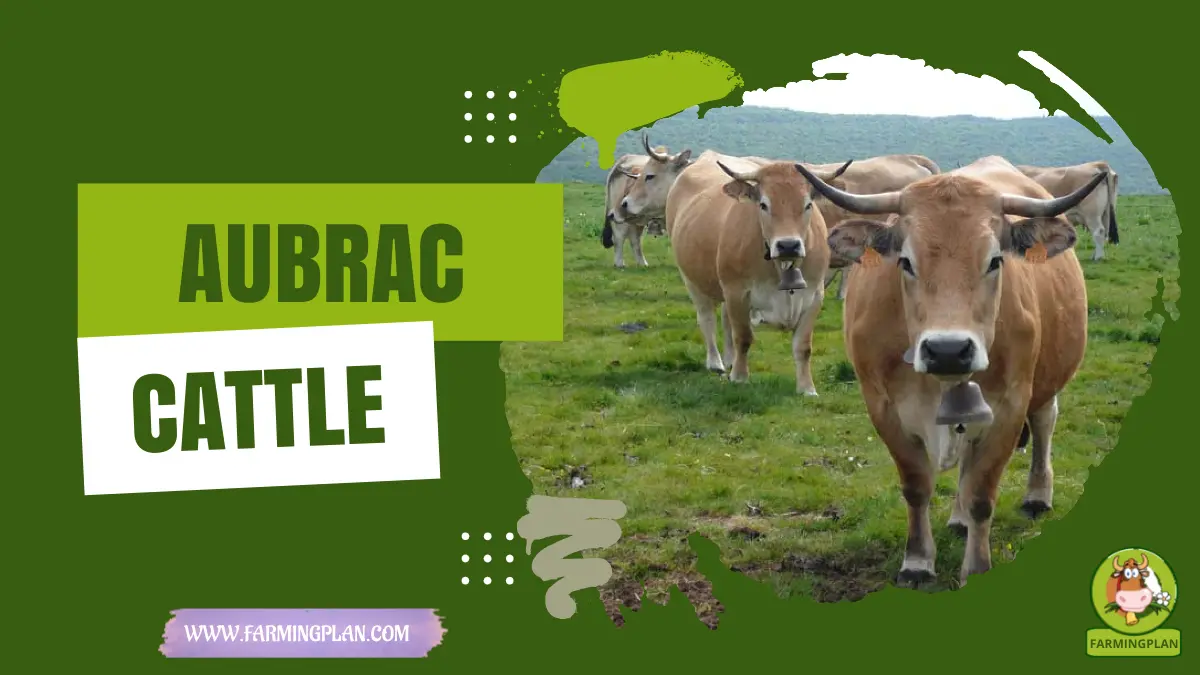
Aubrac Cattle are one of France’s most iconic breeds, celebrated for both beef and milk. Native to the rugged Massif Central, these cattle are perfectly adapted to harsh climates and mixed-quality pastures. Their striking wheaten coat, strong horns, and muscular build make them easily recognizable, while their calm temperament ensures they are manageable for farmers and breeders alike. Whether you’re interested in Aubrac meat quality, milk production, or traditional practices like transhumance, you’ll find practical insights here. By the end, you’ll see why the Aubrac breed is prized not just for productivity but for its deep cultural ties, from the famous Laguiole cheese to regional festivals celebrating the “fleur d’Aubrac” and the Fin Gras du Mézenc.
History & Origin
Aubrac Cattle have a fascinating history rooted in the Massif Central of France, spanning the Aveyron, Cantal, and Lozère regions. This hardy French breed was shaped by centuries of adaptation to high-altitude pastures and harsh winters. Local farmers selected for strong bones, fertility, and calving ease, producing a breed that could thrive with minimal supplemental feed. Traditionally, these cattle were integral to transhumance, moving seasonally between lowland valleys and upland plateaus, and they remain a symbol of regional pride.
Their influence extends beyond France. The Irish Aubrac Cattle Breed Society, for instance, maintains herds outside Europe, ensuring the genetics and hardiness of this breed reach wider markets. The French Herd-Book and Union Aubrac oversee pedigree registration, semen doses, and herd management, preserving both meat and dairy traits. Notably, their association with regional products like Laguiole cheese and aligot underscores the breed’s contribution to culinary traditions. Historically, the Aubrac breed has also been compared to the Charolais and Illawarra cattle in crossbreeding trials, demonstrating versatility and robust genetics.
Read More: Beagles Dog: Expert Advice From A Breeder
Characteristics
Aubrac Cattle are instantly recognizable. They feature a distinct wheaten coat that ranges from light blonde to rich golden brown, often with a darker dorsal line along the spine. Their broad, flat muzzle and large, expressive eyes give them a gentle appearance, while strong horns curve outward gracefully. Bulls are muscular with a solid frame, and heifers display excellent pelvic conformation, which ensures smooth calving.
In terms of size, mature Aubrac bulls typically weigh between 900 to 1,100 kg, while cows weigh around 600 to 750 kg. Their hooves are strong, supporting mobility across rugged plateaus, and their tails end in a bushy tuft. Beyond looks, Aubrac Cattle are prized for marbled meat, high feed conversion efficiency, and strong milk yields for dairy farmers. Their Longissimus dorsi and other key muscle groups contribute to prized beef cuts, and their udder structure allows for efficient milking, making them a dual-purpose breed suitable for both meat and dairy operations.
Nature & Temperament
One of the reasons I enjoy raising Aubrac Cattle is their temperament. These cattle are calm, intelligent, and cooperative, making them easy to manage even in larger herds. They exhibit strong maternal instincts, with cows being protective yet gentle with calves. Their foraging abilities allow them to graze efficiently on mixed-quality pastures, reducing feed costs while maintaining good body condition.
They adapt well to free-range systems, including transhumance practices where they move seasonally across different elevations. Despite their size and strength, Aubrac Cattle are not aggressive, which makes them suitable for both experienced farmers and hobbyists. In my experience, they respond well to consistent routines, human interaction, and proper handling during veterinary care or transport. This friendly temperament also makes them ideal for educational farms, agricultural shows, and local festivals celebrating traditional cattle breeds.
Food & Diet
Aubrac Cattle are efficient grazers and thrive on roughage, making them ideal for plateau or mixed-pasture farming. Their diet should consist primarily of high-quality hay, fresh grass, and supplemented grains as needed. Protein-rich feed helps support muscle growth, while minerals like calcium and phosphorus ensure strong bones and healthy udder development.
Avoid moldy or overly processed feed, as these can cause digestive upset. Providing clean water at all times is essential for hydration and milk production. During winter months, supplementing with silage or hay is necessary, especially for pregnant cows or lactating heifers. I recommend monitoring body condition scores regularly, adjusting feed to prevent over-fatting or weight loss. For optimum meat quality, maintain a balance between grazing, supplemental feed, and light exercise to ensure lean, marbled, and flavorful Aubrac beef.
Usage & Purpose
Aubrac Cattle are a dual-purpose breed. For meat production, they are renowned for tender, marbled beef with excellent flavor, often used in traditional French dishes. Bulls and bullocks yield profitable finished cattle, ideal for regional markets. Their carcass quality, combined with strong muscle development, makes them a preferred choice for gourmet meat, including cuts like the Longissimus dorsi.
On the dairy side, Aubrac cows provide moderate milk yields with excellent butterfat content, suitable for producing regional cheeses like Laguiole tomme. Beyond production, Aubrac Cattle play a cultural role. They feature in traditional festivals such as the “Feast of the Fat Oxen” and participate in agricultural shows, showcasing their pedigree, coat quality, and overall health. These cattle are also essential in organic and sustainable farming systems, thriving in low-input environments where their foraging skills and hardiness reduce dependency on commercial feed.
Special Features
Aubrac Cattle possess several traits that make them special:
- Climate Adaptation: They withstand harsh winters and hot summers on the plateau.
- Fertility & Maternal Traits: Cows exhibit high calving ease and strong maternal instincts.
- Meat Quality: Marbled, flavorful beef with excellent feed conversion ratio.
- Milk Production: Moderate yields with high butterfat, perfect for artisanal cheeses.
- Longevity: They have a long productive life in both meat and dairy herds.
- Foraging Ability: Efficient on mixed-quality pastures, reducing feed costs.
These strengths explain why breeders often choose Aubrac Cattle over other French breeds like Charolais when seeking resilience, productivity, and cultural heritage combined.
Health Issues & Prevention
Aubrac Cattle are generally hardy, but some health concerns deserve attention. Common issues include:
- Hoof Problems: Ensure regular trimming and avoid wet, muddy pastures.
- Digestive Upsets: Caused by sudden feed changes; introduce supplements gradually.
- Reproductive Health: Monitor heifers and cows for smooth calving; check pelvic conformation.
- Parasites & Flies: Regular deworming and tsetse fly control are essential in susceptible regions.
Preventive care includes vaccination, clean water supply, proper sanitation in barns, and routine veterinary checks. Early detection of issues, like mastitis in dairy cows or weight loss in beef cattle, helps maintain herd health and productivity. Using good breeding records and genetic selection also minimizes congenital problems and improves resilience.
Step-by-Step Farming Guide
Raising Aubrac Cattle requires care, planning, and attention to their unique needs. Here’s my detailed guide:
Step 1: Setting Up Your Farm
Start with sturdy fencing to contain the herd, considering that bulls can be large and strong. Allocate pasture based on quality, rotation needs, and water access. Build simple shelters for winter protection, ensuring ventilation to prevent respiratory issues. Separate areas for calving, milking, and young stock help maintain hygiene and reduce stress.
Step 2: Selecting Stock
Choose animals from reputable breeders or herd-book-registered sources. Inspect cattle for strong hooves, good pelvic structure, and healthy coats. Consider both meat and dairy traits depending on your goals. Bulls should display muscularity and vigor, while cows should have good udders and calm temperaments. Record keeping is essential—track lineage, vaccination, and breeding history for future herd improvement.
Step 3: Feeding & Nutrition
Offer balanced rations: high-quality hay, pasture grazing, and supplements as needed. Monitor body condition monthly. Provide clean water and mineral blocks to prevent deficiencies. Adjust feed for lactating cows, bulls in growth phases, and calves. Avoid sudden changes to prevent digestive upset, and use rotational grazing to preserve pasture quality.
Step 4: Breeding & Reproduction
Time breeding with seasonal pasture availability. Natural mating is common, but artificial insemination with registered semen doses allows better genetic control. Monitor pregnancy, provide extra nutrition during gestation, and prepare calving pens with clean bedding. Record calving outcomes and note maternal performance to inform future selection.
Step 5: Daily Care & Management
Check cattle daily for signs of illness or injury. Maintain clean water troughs and feed stations. Groom and inspect hooves regularly. Rotate pastures to minimize parasite loads, and provide shade during hot weather. For dairy cows, maintain milking routines with hygiene to prevent mastitis.
Step 6: Harvesting & Market Strategies
For beef, plan slaughter at optimal weight for marbling and tenderness. For dairy, schedule milk collection and manage cheese or butter production efficiently. Explore local markets and festivals, such as those highlighting Fin Gras du Mézenc or regional Protected Geographical Indication products, to maximize value. Proper record keeping ensures traceability, a valuable feature for buyers and consumers.
“Raising Aubrac Cattle isn’t just farming—it’s preserving a tradition where every cow tells a story of the plateau.”
Expert Tips & Best Practices
- Use rotational grazing to maximize pasture quality and reduce parasite risks.
- Select breeding stock from herd-book-registered sources for optimal traits.
- Maintain clean shelters and calving pens to prevent disease outbreaks.
- Monitor body condition to adjust feed according to growth and lactation.
- Take part in regional shows to network and share breeding knowledge.
- Consider transhumance practices for seasonal grazing efficiency.
- Leverage cultural ties: cheese production and festivals increase market value.
Tip: “A well-cared-for Aubrac herd isn’t just productive—it becomes the heart of your farm.”
Read More: Pomeranian Duck Wonderful Farming Guide
FAQs
1. How much does an Aubrac cow weigh?
Adult Aubrac cows typically weigh between 600–750 kg, while bulls reach 900–1,100 kg.
2. What color are Aubrac Cattle?
They have a distinctive wheaten coat, ranging from light blonde to golden brown, often with a darker dorsal line.
3. Are Aubrac Cattle good for milk production?
Yes, they provide moderate milk yields with high butterfat content, ideal for artisanal cheeses like Laguiole.
4. What are the common health issues?
Hoof problems, digestive upset, mastitis, and parasite infestations are the main concerns. Regular care prevents them.
5. Can Aubrac Cattle adapt to harsh climates?
Absolutely. They thrive in rugged pastures and withstand cold winters and hot summers on the Massif Central plateau.
Conclusion
Raising Aubrac Cattle offers more than just meat or milk—it connects you to centuries of French farming tradition and the resilient Massif Central landscape. Their unique traits, calm temperament, excellent feed conversion, and adaptability make them a top choice for farmers, breeders, and hobbyists seeking dual-purpose cattle. By following proper feeding, breeding, and daily care routines, you can enjoy high-quality beef, productive dairy cows, and a thriving herd that embodies both practicality and culture. Aubrac Cattle are more than animals—they’re partners in sustainable farming, culinary heritage, and regional pride. Share your experience, join breeder forums, or attend a local agricultural show to immerse yourself in this living legacy.