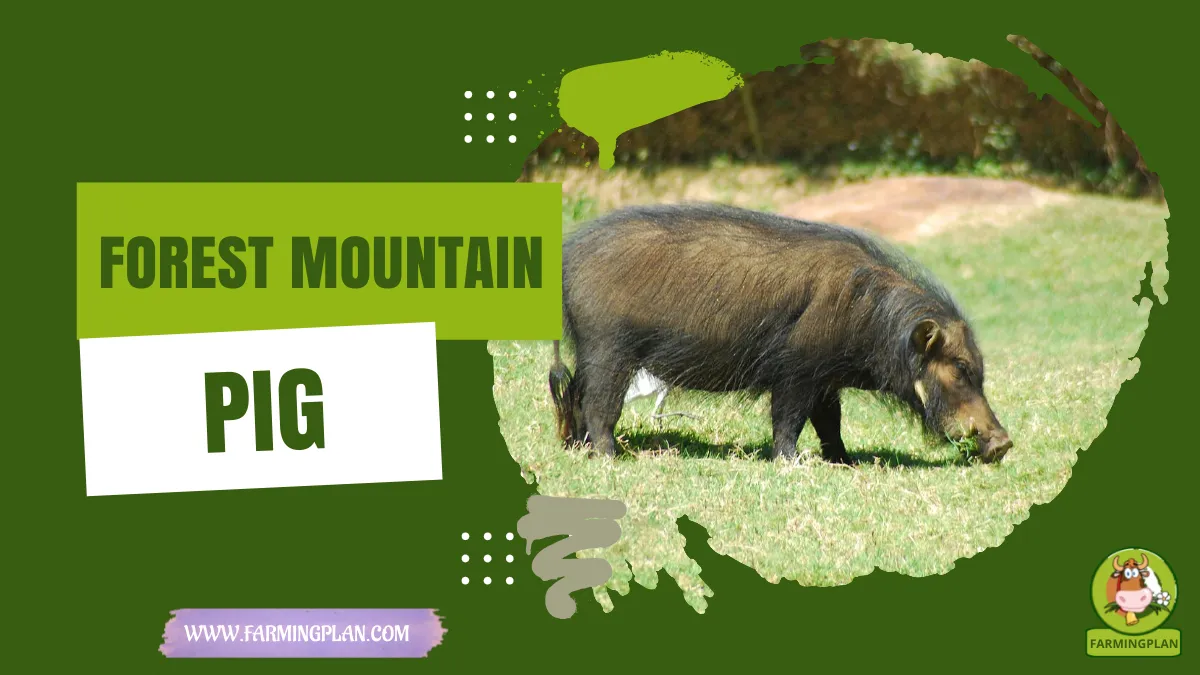
I love sharing my hands-on wildlife experience with fellow farmers and animal lovers. The incredible forest mountain pig, commonly known as the giant forest hog or Hylochoerus meinertzhageni, represents one of the most fascinating wild swine species in Africa. These massive creatures roam the lush forest-grassland mosaics, the dense Congo Basin, and high subalpine habitats like Mount Kenya and the Ethiopian Highlands.
As a farming specialist, I find their unique behaviors, strong group dynamics, and rugged survival traits absolutely extraordinary. You will discover their natural habitats, dietary needs, and physical features so you can truly appreciate these magnificent giant suids. Discover the amazing forest mountain pig with expert farming insights, key traits, and practical care tips for these wild suids.
History & Origin of Forest Mountain Pig
I often tell my fellow breeders that understanding an animal starts with its origins. Naturalists first classified the giant forest hog in 1904, naming the species after British military officer Col. Richard Meinertzhagen. Belonging to the family Suidae within the order Artiodactyla and class Mammalia, this wild pig represents the largest living wild species in the pig family.
These incredible suids evolved across Western and Central Africa, adapting perfectly to dense tropical biomes. You can find distinct populations throughout the Democratic Republic of the Congo, the Toro-Semliki Wildlife Reserve, and the Kibale National Park. Their ancient lineage allowed them to thrive alongside African lions, leopards, and spotted hyenas in mountain terrain and wooded savannas.
Read More: English Saddleback Goose Care Secrets
Characteristics of Forest Mountain Pig
During my field studies, the sheer size of these animals always takes my breath away. The giant forest hog features a massive body length covered in coarse black hair that stands out against the green canopy. Adult males carry sharp, impressive tusks and large facial pads that shield their eyes during territorial fights. These wild pigs showcase broad snouts and strong necks designed for digging through dense brush. Subspecies living in high regions like the Rwenzori Mountains often grow thicker bristles to survive chilly nights. Their muscular legs support swift movement through steep mountain slopes, proving their unmatched adaptability.
Nature, Temperament, and Herd Behavior of Forest Mountain Pig
I always remind people that these animals maintain a fierce, wild nature. Forest mountain pigs form close social groups called sounders, which typically consist of a dominant boar, several females, and their young piglets. Dominant boars protect their sounders with intense courage, frequently challenging each other head-to-head for herd supremacy.
While females show gentle maternal care, adult males display aggressive protection when threatened. They mark territorial pathways and establish designated bathroom areas near their foraging routes. Understanding their protective temperament helps wildlife managers respect their space without causing unnecessary stress to the sounder.
Food, Diet, and Foraging Habits of Forest Mountain Pig
As a specialist, I study how these animals eat to keep my livestock healthy. The giant forest hog operates primarily as an herbivore, unlike the common European wild boar or omnivorous wild swine. They graze heavily on tender herbaceous plants, grasses, fallen fruit, and soft shrub leaves in shaded forest glades. These hogs practice coprophagy to extract maximum nutrition from fibrous plant matter. They travel up to 8 miles daily to locate fresh grazing areas and mineral licks. Water remains essential for their digestion, so they always build home ranges around active mountain streams.
Usage, Ecological Purpose, and Cultural Role of Forest Mountain Pig
In nature, every creature serves an important job within its ecosystem. These large suids act as essential seed dispersers across the Guinean and Congolese forests, helping maintain diverse plant life. Their intense foraging clears dense undergrowth, creating open pathways that smaller woodland animals use to navigate safely.
Indigenous communities historically hunted wild hogs for meat, though modern conservation protects them on public lands. Researchers study their resistance to diseases like African Swine Fever and trypanosomes carried by the tsetse fly. Their ecological role helps balance predator populations like lions and leopards, stabilizing African forest biomes.
Special Features of Forest Mountain Pig
I love pointing out the specialized features that make this animal survive severe conditions. Giant forest hogs wallow in mud daily to cool their dark skin and remove pesky parasites like the tampan tick. This muddy coating acts as a natural sunscreen under high tropical sun exposure. Their broad snouts lack the hard digging disc found on warthogs, meaning they prefer cutting surface plants over digging deep roots. Female hogs build massive ground nests made of branches and grass before giving birth. These structural nests shield vulnerable newborn piglets from predators and heavy tropical rainfall.
Health Issues, Parasites, and Disease Prevention of Forest Mountain Pig
Managing swine health requires constant vigilance against infectious threats. Wild swine face major risks from African Swine Fever, a deadly viral disease that impacts domestic and wild populations. Parasites like ticks, fleas, and internal worms also reduce their lifespan if left unmonitored. Farmers and wildlife officers prevent disease spread by strictly isolating domestic stock from wild herds. Regular habitat checks eliminate stagnant water traps where vectors thrive. Ensuring access to clean mud baths keeps their skin free from severe bacterial infections.
Read More: Cumberland Pig Ultimate Farming Guide
Step-by-Step Practical Management Guide of Forest Mountain Pig
Managing large suids or keeping wild-type pigs on vast pastures requires structured planning, proper equipment, and dedicated daily routines to maintain animal safety.
Step 1: Secure Robust Enclosure Infrastructure
I always build extra-strong boundary fences before introducing any large suid to open pasture land. You must install heavy-duty steel mesh fencing reinforced with low-placed electric wiring to stop these powerful animals from breaking through perimeter boundaries. Inspect your fence line weekly to find loose wires, broken posts, or eroded soil patches. High-strength enclosures prevent conflict with neighbors and keep wild predators out.
Step 2: Construct Shaded Shelters and Mud Wallows
You must construct sturdy three-sided wooden or metal shelters that protect your herd from intense heat, driving rain, and cold winds. Place your shelters on slightly elevated ground to keep bedding dry during heavy thunderstorms. Ensure fresh water feeds the mud wallow daily so it remains clean and moisture-rich. Mud baths regulate body temperature and keep skin parasites away naturally.
Step 3: Establish Balanced Foraging and Water Systems
Design a feeding schedule that mirrors their natural grazing habits, placing emphasis on high-fiber greens, quality grasses, and fresh vegetables. Position broad, tip-proof trough systems across the enclosure to prevent aggressive feeding fights. Avoid feeding salty foods, spoiled produce, or meat scraps that spread dangerous diseases. Rotate grazing plots every few weeks to keep pasture vegetation fresh and parasite-free.
Step 4: Implement Daily Health and Safety Protocols
I check my animals every single morning to monitor their movement, skin condition, and appetite levels. Healthy hogs display active movement, clear eyes, and steady breathing while grazing across pastures. Isolate any animal showing signs of lethargy, loss of appetite, or skin lesions right away. Consult a qualified veterinarian immediately to prevent potential contagious outbreaks across your herd.
Always Respect The Natural Instincts Of Wild Swine To Maintain A Safe, Healthy Wallow Environment.
Expert Tips & Best Practices
* Rotate Pastures: Move herds between plots to preserve vegetation and lower parasites.
* Add Shade Structures: Build natural shade canopies using tall trees and roofed sheds.
* Monitor Group Hierarchy: Separate overly aggressive boars to shield young piglets.
* Provide Clean Mud: Ensure wallows stay moist without collecting stagnant waste.
* Maintain Biosecurity: Restrict outside vehicle access near your pig management zones.
* Use Sturdy Feeders: Secure heavy rubber feed troughs that resist tipping and damage.
FAQs
Forest mountain pig size compared to domestic pigs?
The giant forest hog easily ranks among the largest wild suids in the world, growing up to 6.0 feet long and weighing up to 600 pounds. Most standard domestic pigs match their weight, but wild hogs pack far more muscle and dense bone structure.
Forest mountain pig dangerous to humans in the wild?
Yes, these wild swine can become extremely dangerous if you corner them or threaten their sounder. Dominant boars use sharp tusks and massive physical weight to charge aggressively when defending their young.
Giant forest hog size and weight limits?
Adult giant forest hogs reach shoulder heights between 2.5 and 3.6 feet and weigh anywhere from 300 to 600 pounds. Male hogs grow significantly larger than females and carry massive facial pads.
Are giant forest hogs dangerous during breeding season?
Male hogs show intense aggression during the breeding season as they compete fiercely for dominance over females. They engage in violent head-pushing contests and will attack potential threats without hesitation.
Forest mountain pig lifespan in natural habitats?
In wild protected habitats, these resilient hogs usually live between 12 and 15 years. Captive environments free from heavy predation and disease can extend their lifespan slightly longer.
Conclusion
Understanding the forest mountain pig opens a fascinating door into the world of wild suids, ecological balance, and effective livestock management. We covered their rich origins across the Congo Basin, their physical traits, unique foraging habits, key health protocols, and practical housing steps. Applying these professional management principles helps you build safe habitats, prevent dangerous diseases, and maintain healthy herds. Now it is your turn to jump into the conversation! Share this article with your fellow farmers, leave a comment below with your questions, and start building better management systems on your farm today! Discover the amazing forest mountain pig with expert farming insights, key traits, and practical care tips for these wild suids.