
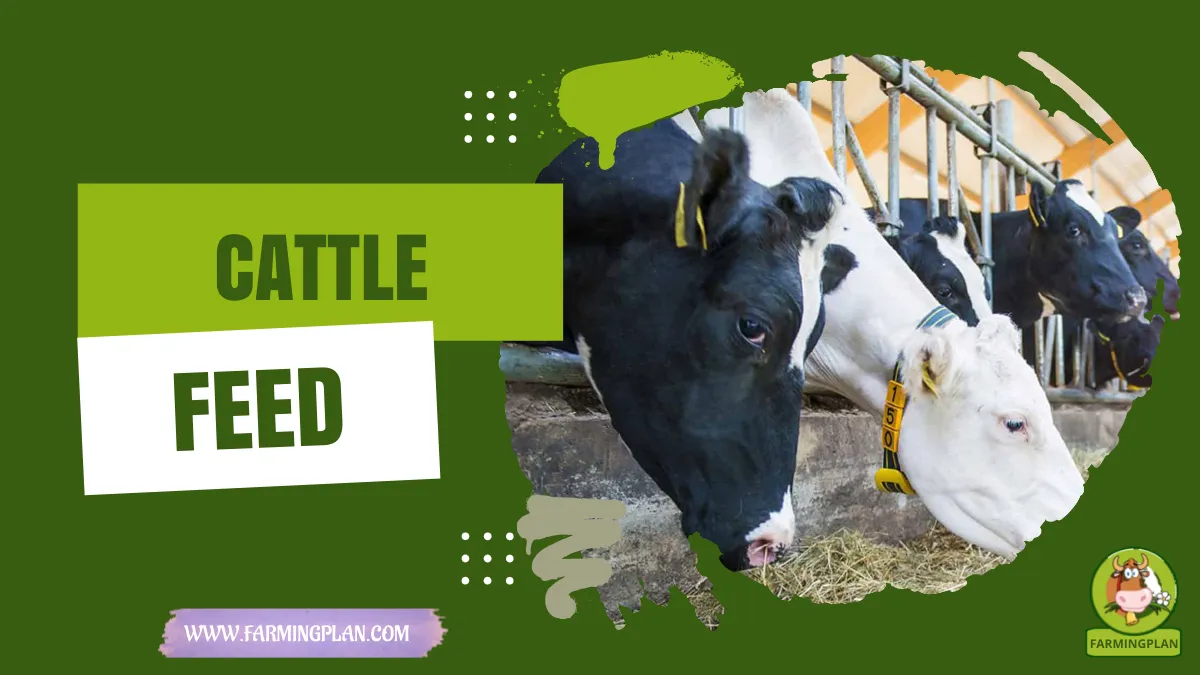
Cattle Feed plays a critical role in keeping your livestock healthy, active, and profitable throughout every season. I have spent years working closely with livestock producers, and I know how much diet matters for overall growth. Feeding calves and adult bulls the right mix of protein, crude fiber, and crude fat creates a strong foundation for your herd.
Every farmer needs a clear understanding of feed options, including pasture grazing, fresh cattle feed grass, and fortified supplements. When you balance these ingredients well, you support proper muscle development, boost immune function, and lower daily input costs. In this guide, I will share my firsthand experience to help you choose the best feeding plans and management tools for your farm.
History & Origin of Cattle Feed
Centuries ago, farmers relied almost entirely on simple pasture grazing and native wild grass to Cattle Feed their herds. Cattle roamed open lands and consumed natural forage that varied wildly in quality depending on season and rainfall. Over time, agriculture shifted toward structured grain farming and controlled feedlot capacity, which transformed how we raise beef cattle. Producers realized that simple grass could not always supply enough energy, calcium, or essential vitamins during cold winter months. This realization led to the development of balanced commercial rations and pelleted supplements designed to optimize herd growth.
Modern feed manufacturing evolved rapidly during the twentieth century as nutritional science advanced. Researchers discovered that adding protein supplements, wheat middlings, and soybean hulls improved digestivity and animal energy levels. Today, we have access to advanced commodity pellets, chelated trace minerals, and precise feeding directions tailored for every life stage. Looking back at this evolution helps us appreciate how scientific feed formulations make modern farming far more efficient than historical methods.
Read More: Crocodile Farming Essentials for Big Profits
Characteristics of Cattle Feed
High-quality feed must meet specific physical and chemical standards to give your herd the exact energy it needs daily. When I check a bag of commercial feed, I always examine the guaranteed analysis tag stitched to the top. Quality rations contain balanced percentages of crude protein, crude fat, crude fiber, and vital minerals like salt and sodium. Physical texture also matters greatly because pelleted supplement forms prevent animals from picking out only their favorite ingredients.
Another major characteristic is the inclusion of digestible fiber sources like cottonseed hulls and maize distillers dried grains with solubles. These ingredients keep the digestive tract moving smoothly while delivering steady calories to growing stock. A good ration also incorporates essential elements like Calcium Carbonate, Potassium, Vitamin A, Vitamin D3, and Vitamin E. When these components match your animals’ specific growth phase, you see immediate improvements in coat shine, hoof strength, and overall vitality.
Nature and Feeding Temperament of Cattle Feed
Understanding cattle behavior around feed bunks is essential for maintaining peace and health across your entire herd. Cattle are natural herd animals with a strict social hierarchy that dictates who eats first at the trough. Dominant cows will often push smaller calves or timid steers away from fresh grain unless you provide adequate space. I always design my feeding areas so that every single animal gets equal access to fresh rations without constant competition.
Feeding routines strongly influence herd stress levels and overall digestive function. Cattle thrive on consistency, expecting their rations at the exact same times every morning and evening. Disrupting this schedule can cause digestive upset, reduced rumination, and erratic behavior in the pen. By establishing a calm, steady rhythm, you encourage relaxed feeding habits that lead to better feed efficiency and steady weight gains.
Food & Diet of Cattle Feed
A well-planned diet chart is the backbone of any successful beef cattle production program. Your animals need a balanced combination of energy-rich grains, quality forage like alfalfa, and fortified supplements every day. Calves require higher protein levels, often around 15% to 18%, to support rapid frame growth and strong muscle development. Older cattle on a finishing stage need higher energy mixes to build healthy fat cover and improve carcass leanness.
- Always provide fresh, clean water alongside every meal to support proper rumen digestion.
- Include salt blocks and chelated trace minerals to support hoof health and reproductive success.
- Mix soybean hulls or wheat middlings into daily grain rations to add digestible fiber economically.
- Avoid sudden diet shifts, as quick changes can trigger severe bloating and digestive distress.
- Never feed moldy grain or damp hay, which contain dangerous toxins that harm livestock health.
Maintaining consistent daily portions keeps your herd’s digestive system stable and productive. I like to split total daily feed into two balanced meals to maximize nutrient absorption throughout the day. Monitoring body condition scores weekly helps you tweak grain amounts before animals become undernourished or overly fat.
Agricultural Purpose and Farm Usage of Cattle Feed
We feed cattle differently based on whether they are raised for breeding, milk production, or commercial beef markets. Show cattle and prospective calves require specialized rations like Calf Accelerator or Sunglo Full Body supplements to build bloom and appearance. Drylot cattle and animals in feedlots rely on precise grain blends designed to maximize daily weight gains efficiently. Breeding bulls require balanced energy rations that keep them active, fertile, and ready for pasture season.
Using specialized feeds allows you to target specific performance goals at every stage of livestock production. For instance, creep feed helps young calves gain weight while still nursing, easing their eventual transition into drylot setups. Meanwhile, pasture cattle benefit from high-fiber supplements when winter weather reduces natural grass nutrition. Matching your ration choice to your specific farming goal ensures you get the highest return on every dollar spent.
Special Features of Cattle Feed
Modern commercial feeds contain advanced additive technologies that protect gut health and boost nutrient uptake dramatically. Many high-performance rations include prebiotics like Diamond V™ XPC™ to strengthen the rumen’s natural microbial population. Formulas may also feature specialized mineral complexes like Zinpro® Availa®-4 to improve hoof strength and skin integrity. These targeted additions ensure your herd extracts maximum energy from every single pound of ration consumed.
Another outstanding feature found in specialized feeds is the addition of natural ionophores such as Lasalocid or Bovatec. These compounds improve feed conversion efficiency while controlling coccidiosis in growing calves and feedlot steers. Additionally, natural flavor enhancers like cane molasses increase palatability, encouraging sick or stressed animals to keep eating. Incorporating these scientific advancements into your farm’s feed plan gives your livestock a powerful health advantage.
Health Issues & Preventive Care of Cattle Feed
Improper feeding practices cause severe digestive disorders like bloat, acidosis, and founder in farm livestock. Acidosis occurs when cattle consume excessive starch or grain too quickly, dropping rumen pH to dangerous levels. Bloat happens when gas becomes trapped inside the rumen, pressing against organs and causing severe distress. You can prevent these dangerous issues by introducing new grain blends slowly over two full weeks.
- Rumen Acidosis: Watch for watery diarrhea, loss of appetite, and lethargy; prevent it by adding buffer agents like Calcium Carbonate.
- Pasture Bloat: Look for swollen left flanks and labored breathing; prevent it by offering dry alfalfa hay before turning stock into rich green pasture.
- Bovine Respiratory Disease: Watch for nasal discharge and fever; support immune function with high levels of Vitamin E and Zinc.
- Foot Rot: Check for lameness and interdigital swelling; prevent it by maintaining dry feeding areas and supplying trace minerals.
- Grass Tetany: Watch for muscle twitching in spring; prevent it by feeding magnesium-fortified mineral mixes during early pasture growth.
Regularly inspecting feed bunks prevents animals from consuming spoiled or moldy rations. Clean out wet grain leftovers after heavy rainstorms to stop toxic mold from developing in the troughs. Providing adequate clean water and high-fiber forage keeps the rumen healthy, lowering veterinary costs over time.
Proper Care and Quality Nutrition Turn Small Calves into Strong, Healthy Cattle Every Single Day.
Step-by-Step Farming Guide for Cattle Feed
Cattle Feed performance improves significantly when you closely monitor feed intake and adjust rations based on environmental changes. Cold winter weather increases an animal’s daily energy requirement, meaning you must boost grain portions or provide higher-quality hay to maintain body temperature and weight.
Conversely, extreme summer heat reduces appetite, so feeding during cooler morning and evening hours helps maintain consistent consumption. Managing a farm requires structured planning, proper equipment setup, and constant attention to animal nutrition daily. Below is my personal step-by-step guide to setting up and running a successful livestock feeding operation on your property.
Step 1: Setting Up Bunks and Water Systems
Before buying feed, you must install clean feed bunks and reliable automatic watering troughs across your pastures or drylots. Place bunks on well-drained concrete pads or gravel footing to prevent mud build-up during heavy rainfall seasons. Ensure you provide at least two linear feet of bunk space per adult animal so timid stock can eat comfortably. Check water lines daily to ensure clean, fresh water flows continuously, as cattle consume double their feed intake in water volume.
Step 2: Source High-Quality Ingredients and Storage
Establish strong relationships with reliable local feed mills or agricultural distributors to source your grains and supplements affordably. Inspect bulk deliveries for moisture, insect activity, or signs of mold growth before storing them in airtight steel bins. Store bagged feeds off concrete floors on wooden pallets inside a well-ventilated barn to prevent humidity damage. Proper ingredient storage protects your financial investment and keeps nutrients fresh for your herd.
Step 3: Build Life-Stage Feeding Plans
Divide your herd into clear groups based on age, weight, pregnancy status, and production goals to avoid wasting grain. Develop custom diet charts for weaning calves, pregnant cows, breeding bulls, and finishing steers using precise guaranteed analysis figures. Calculate daily dry matter intake requirements based on total body weight, ensuring adequate crude protein and fiber ratios. Tailoring rations to specific groups maximizes animal performance while keeping overall input costs under strict control.
Step 4: Establish Daily Feeding Routines
Deliver fresh rations at the exact same times every morning and evening to minimize animal stress and digestive upset. Measure feed quantities accurately using digital scales or calibrated scoops rather than guessing daily weight amounts by eye. Clean out old, spoiled grain remnants from feed bunks before adding fresh rations to keep feed tasting clean. Consistent timing builds trust between you and your herd, making daily livestock management smooth and rewarding.
Step 5: Monitor Weight Gain and Health
Track body condition scores and average daily weight gains monthly to measure the effectiveness of your ration plan. Adjust grain volumes or energy density if animals appear thin or overly fat during routine visual checks. Keep detailed records of total feed costs, consumption rates, and veterinary care to assess your farm’s profitability accurately. Regular monitoring allows you to catch nutritional deficiencies early and keep your entire operation running efficiently.
Read More: Rabbit Housing Tips for Essential Welfare
Expert Tips & Best Practices of Cattle Feed
- Always test your hay and harvested forage at a laboratory to know exact crude protein and energy levels before building rations.
- Provide free-choice salt and chelated minerals year-round to support immune function and steady reproductive health across all ages.
- Offer dry cereal grain or grass hay before turning hungry cattle out onto lush spring pasture to stop bloat.
- Keep feeding areas completely free of sharp wires, twine, or trash to protect stock from dangerous hardware disease.
- Slowly transition cattle to new feed formulations over a 10 to 14 day period to preserve healthy rumen balance.
- Use shade covers over outdoor feed bunks in summer to keep grain cool and prevent rapid flavor deterioration.
- Keep detailed logbooks tracking feed prices, batch numbers, and daily consumption rates to control farm expenses tightly.
FAQs
What is the best cattle feed for fast weight gain?
The best feed for fast weight gain combines high-energy grains like crushed maize with digestible fiber sources like soybean hulls and commodity pellets. Adding balanced protein supplements ensures steers build lean muscle while laying down healthy fat cover efficiently.
How much feed does an adult cow need per day?
An adult cow typically consumes about two to three percent of her total body weight in dry matter feed every single day. This daily intake usually consists mostly of quality forage or grass supplemented with concentrated grain rations when necessary.
What are the main types of cattle feed grass?
The main types of grass include warm-season varieties like Bermuda and Bahia, as well as cool-season types like Timothy, Fescue, and Ryegrass. Alfalfa is also widely grown as a high-protein legume forage option for growing stock.
How does crude protein benefit young calves?
Crude protein supplies essential amino acids required for rapid muscle development, organ growth, and frame expansion in young calves. Providing adequate protein early ensures calves reach mature weight milestones without structural development delays.
Why is clean water essential during cattle feeding?
Clean water is critical because it drives digestive rumination, helps regulate body temperature, and assists with proper nutrient absorption. Cattle will drastically cut back on their daily feed intake if clean water is unavailable or contaminated.
Conclusion
Providing high-quality rations is the single most effective way to protect your livestock investment and ensure steady farm profits. Balancing protein, energy, and digestible fiber keeps your animals active, healthy, and growing at their peak potential. From setting up bunks to selecting the right minerals, small management details make a massive difference in long-term herd performance. Start evaluating your feed plan today, and drop a comment below or share this guide with fellow farmers to keep our agricultural community thriving together! Discover essential Cattle Feed strategies, diet charts, and expert tips to boost herd growth, lower costs, and maximize farm success today.