
The Angoni cattle breed represents one of the most remarkable, resilient, and economically rewarding Zebu breeds available for modern beef production and smallholder farming in challenging tropical environments. When I first introduced Angoni cattle into my personal agricultural management routine, I quickly realized how drastically these animals outpace exotic breeds in raw survival capability, parasite resistance, and forage efficiency. Because Angoni cattle evolved across centuries of natural selection alongside migrating African communities, every Angoni cattle dam and bull possesses an innate ability to thrive on coarse dry grass, walk long distances to water holes, and maintain stable body weights without requiring expensive grain feeds.
I love working on the farm, and raising Angoni cattle has completely transformed my approach to livestock management. As a farming specialist who spends long days out in the pastures, I see firsthand how these incredible animals thrive in tough tropical conditions where other livestock struggle. If you want a hardy breed that offers great resilience, excellent herd productivity, and fantastic value, you came to the right place. In this guide, I will share my hands-on experience with this tough Zebu breed, covering everything from purchase costs to daily management practices.
History & Origin of Angoni Cattle
The story of this remarkable breed takes us deep into the heart of Southern Africa. Ancestors of the modern Angoni herd migrated alongside native tribes across eastern and southern regions centuries ago. Over hundreds of years, natural selection shaped these animals into pure survival machines. They adapted to dry spells, harsh heat, and local insect pests without losing strength. During my trips studying livestock in Southern Africa, I noticed how closely these animals tie into local agricultural history. Historical records from the International Livestock Research Institute show how well these cattle sustained rural communities for generations.
They share common ancestral roots with other notable Zebu varieties like Tuli cattle, Afrikaner cattle, and the famous Nguni bull. When you look at their history, you realize why they survive so well today. They evolved without fancy supplements or air-conditioned barns. Their natural evolution produced a tough animal that turns native dry grass into strong muscle and steady growth. That deep genetic history gives modern herd managers a massive advantage in low-input farming.
Whether you are inspecting the muscular thoracic hump of an Angoni cattle bull, tracking the rapid growth of a healthy Angoni cattle calf, or evaluating the lean beef quality of an Angoni cattle steer, this breed consistently delivers unmatched dependability, lower veterinary costs, and outstanding multi-purpose utility for draft work, rich milk, and high-value beef production.
Read More: Emporda Goose Care: Remarkable Rare Catalan Heritage Birds
Characteristics of the Angoni Cattle Breed
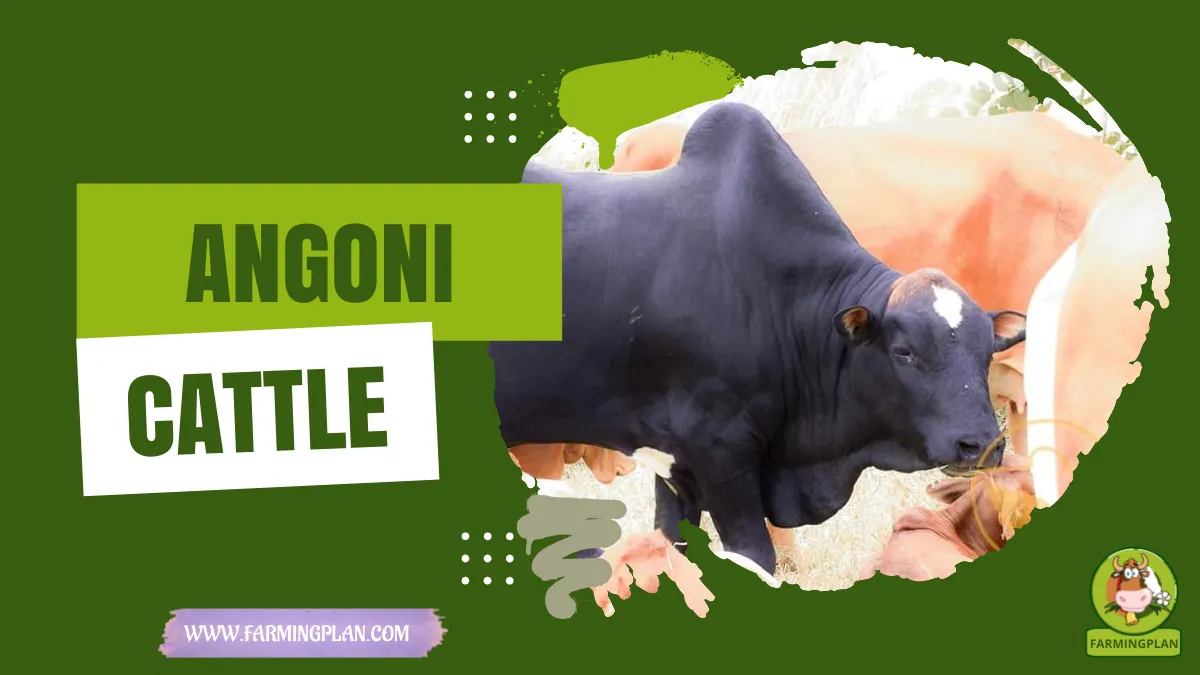
When you walk into my pasture, you immediately spot these medium-sized Zebu cattle. They feature a distinct thoracic hump right on top of their shoulders. Their short, sleek coat reflects heavy sunlight and keeps them cool during hot summer days. You can find them in many colors, ranging from deep red and rich brown to black, white, and beautiful speckled patterns.
Their body shape remains compact, muscular, and exceptionally sturdy. A mature dam exhibits great structural correctness, short horn shapes, and tight skin that keeps blood-sucking flies from biting easily. Bull specimens develop thicker necks, broader chests, and prominent humps. Their strong legs and dark, hard hooves allow them to trek vast distances across rocky ground without limping.
Managing a thriving Angoni cattle herd requires minimal financial overhead, making the Angoni cattle price highly attractive for both beginner farmers and seasoned livestock specialists looking to maximize profit margins. Compared to exotic breeds, these animals display incredible heat tolerance and efficient digestion. Their short coat prevents tick attachment, keeping tick-borne diseases down on my farm. Their physical makeup proves that nature builds the best design for hot, dry environments where foreign breeds simply fail to thrive.
Nature/Temperament: Understanding Angoni Cattle Behavior
Working with these animals every day taught me a lot about their unique spirit. They carry an energetic yet alert nature that keeps them watchful against field predators. When you handle them with calm, steady patience, they become surprisingly docile, easy to guide, and smooth to manage in handling chutes. A strong maternal instinct defines every mother cow in the herd. A mother cow keeps her small calf safe from danger, guiding her baby close through dense pastures.
Because of this protective nature, I always give mother cows their space right after birth. Once they know you mean no harm, they accept your presence around their young calves without any trouble. If you like low-stress handling methods, you will really enjoy managing these animals. They respond very well to quiet routines, simple whistle calls, and gentle hand signals. Their smart nature helps them remember daily field routines quickly, making rotational grazing shifts simple for one person to handle alone.
Food & Diet of Angoni Cattle
Feeding my herd stays simple and budget-friendly because they excel at grazing poor-quality forage. Unlike delicate European breeds that demand expensive grain feeds, these cattle convert coarse dry grass, shrubs, and native plant shoots into healthy weight gains. They roam wide pastures and pick out nutritious native leaves easily. During dry months when pasture grass turns brown, I support my herd with balanced mineral licks and clean water. Good feeding management ensures high dam fertility and short intercalving periods throughout the year.
Keeping salt blocks out in the field keeps their digestion running smoothly and keeps dam weights stable during tough seasons. I always caution new farmers against overfeeding high-starch feeds. Excess grain can disrupt their natural digestive system and waste your money. Stick to high-fiber forage, clean drinking water, and basic mineral supplements to keep your animals healthy, active, and productive year-round.
Usage/Purpose: Practical Roles of Angoni Cattle in Zambia
In many parts of Africa, including farming regions for Angoni cattle in Zambia, these animals serve multiple valuable functions. They perform exceptionally well as triple-purpose livestock, providing high-quality beef, steady milk supply, and strong draft power for fields. Smallholder farmers rely on their steady work capacity to plow tough soils every planting season. For commercial beef production, their lean meat quality stands out in local livestock markets.
They yield lean cuts of beef with great flavor without requiring huge feedlot expenditures. Their high calf survival rate helps farmers grow herd numbers fast without spending heavy funds on vet treatments or replacement stock. I also use their rich manure to fertilize my organic crop fields. Their waste enriches poor soils with organic matter, boosting crop yields without relying on artificial fertilizers. Whether you want a low-maintenance beef herd or strong working oxen, this breed delivers fantastic multi-purpose value.
Special Features: Unique Strengths of this African Breed
One stand-out feature of this breed involves their incredible natural resistance to common tropical diseases and parasites. Their thick skin, tight hair structure, and active tail movement repel annoying insects. They handle tick exposures far better than sensitive exotic cattle breeds on nearby farms. Their remarkable reproductive efficiency keeps my farm profitable year after year. A healthy female maintains regular parturition cycles, smooth calving events, and swift post-birth recovery.
They possess long breeding lives, often producing healthy calves well past twelve years of age without major health complications. Furthermore, these animals walk long distances to find water holes during summer droughts without dropping dangerous amounts of weight. Their strong water-retention traits and efficient metabolism allow them to thrive through variable climate shifts. That sheer survival power gives me peace of mind during unpredictable weather seasons.
Health Issues & Prevention for Angoni Cattle
While these animals boast tough genetics, bad management can still cause unwanted health setbacks. Common pasture challenges include internal worms, blackleg outbreaks, and occasional foot rot in damp mud holes. Regular monitoring keeps these standard health problems far away from my pastures. Preventive care requires a simple, consistent management calendar. I vaccinate my entire herd once a year against major regional bacterial infections.
I also run a routine strategic deworming schedule right before seasonal rainfall begins. Clean water troughs and clean resting pens prevent bacteria from spreading between animals. Keep an eye out for early sign of sickness like dull eyes, drooping ears, or sudden loss of appetite. Isolate any sick animal quickly to protect the rest of your healthy herd. Good farm hygiene, fresh water, and basic preventive vaccinations ensure your livestock stay strong, active, and completely disease-free.
“Wise Farmers Always Choose Tough Native Breeds To Build Lasting Success.”
Step-by-Step Farming Guide: Raising Angoni Cattle Successfully
Building a successful farming operation requires smart planning, proper pasture setup, and clear daily management routines. I designed this easy guide to help you build a high-yielding, low-stress livestock business from day one. Throughout the long dry seasons, an Angoni cattle cow exhibits exceptional dam fertility, short intercalving periods, and incredible maternal protective instincts that ensure maximum calf survival rates across every calving season.
Step 1: Farm Setup and Perimeter Fencing
Setting up your farm infrastructure marks the first big step toward raising healthy livestock. You need strong perimeter fencing to keep your herd safely inside and stray animals out. I use five strands of high-tensile barbed wire attached to sturdy wooden posts set deep in the ground. Make sure your gates open smoothly so you can shift cattle between pastures without hassle.
You must also set up reliable water stations across your grazing paddocks. Build clean concrete water troughs connected to a steady water source like a borehole or storage tank. Provide shaded areas using wide shade trees or simple open-sided wooden roofs where cattle can rest during intense midday heat. Talk with reputable livestock breeders to review dam weights and past calf performance numbers.
Step 2: Selecting Quality Breeding Stock
Buying your foundation animals sets the quality bar for your entire future operation. Look for healthy animals with clear eyes, smooth coats, alert ears, and broad frames. Check historical farm records to ensure the dam fertility rate stays high across previous generations. Avoid buying animals that show signs of lameness, poor growth, or past chronic infections.
Step 3: Breeding Management and Calving Care
Managing your breeding schedule directly impacts your annual calf yield and farm profits. Keep close track of your cows’ reproductive status to catch early heat signs promptly. The average gestation period lasts about 283 days, so plan your breeding dates carefully to align birth times with fresh spring grass growth. Select a strong, active bull that shows excellent muscular development and broad chest width.
During the calving season, check your pregnant females twice daily in clean, quiet maternity paddocks. Unassisted parturition happens naturally in almost all cases because calves are born with slender bodies and small heads. Ensure the newborn calf drinks rich colostrum milk within six hours of birth to build strong immunity against diseases.
Step 4: Pasture Rotation and Nutritional Care
Rotational grazing keeps your soil rich, your grass growing, and your cattle well-fed throughout the season. Divide your total farm land into smaller paddocks using internal electric fencing or wire gates. Move your cattle to a fresh paddock every few days to allow grazed pasture plants time to regrow fully. Provide mineral salt blocks in every pasture paddock to support efficient digestion and overall skeletal health. During long dry spells, feed supplementary grass hay or high-protein licks to prevent weight loss in nursing mothers. Monitor pasture conditions daily to avoid overgrazing and maintain clean, green pasture lands.
Step 5: Weaning and Market Preparation
Weaning young calves at the right time protects mother cow health and promotes rapid calf growth. Separate calves from their mothers around six to eight months of age when their digestive systems handle solid green forage well. Track each individual weaner weight carefully to measure your farm’s growth efficiency against industry benchmarks. Prepare your market-ready animals by feeding them clean grass hay and keeping them calm during loading. Sort your market stock by age, weight class, and body condition to get top prices at local cattle auctions. Maintaining accurate growth records helps you sell premium animals at top market rates consistently.
Read More: Andalusian Blond Cattle Perfect Guide to Care
Expert Tips & Best Practices for Angoni Cattle Success
To help you maximize your success with this resilient breed, I put together my favorite practical tips based on years of farm experience:
- Keep detailed breeding logs to track every calving interval and individual performance metric.
- Rotate grazing paddocks weekly to break parasite life cycles naturally without heavy chemical sprays.
- Provide clean, cool drinking water near every grazing sector to maximize daily feed intake.
- Practice calm, quiet low-stress handling methods to keep your animals docile and easy to move.
- Cull low-performing cows early to maintain strong herd genetics across your operation.
- Offer free-choice mineral salt blocks year-round to balance trace element deficiencies in natural pastures.
- Check hooves annually to catch minor foot issues before they cause full-blown lameness.
- Build low-cost wooden shade structures across clear field paddocks to protect stock from harsh heat.
FAQs
What is the current Angoni cattle price on the market?
Prices vary based on age, weight, health status, and breeding quality. Commercial animals typically range from moderate to premium prices depending on market demand. Superior breeding bulls and fertile females command higher values in local livestock markets.
What are the main Angoni cattle disadvantages on a farm?
These cattle grow slightly slower compared to heavy European beef breeds when finished on high-grain diets. They also possess strong protective instincts that require firm, calm handling during routine care. However, their ultra-low upkeep costs easily make up for these minor limitations.
How does this breed compare to Tuli cattle or an Afrikaner cattle herd?
All three breeds share great heat tolerance and African origins suited for tough tropical environments. However, this breed usually features a slightly smaller frame and tighter skin. That compact frame makes them remarkably efficient at surviving on low-quality dry pastures.
Are these cattle suitable for smallholder farmers with limited land?
Yes, they represent an ideal choice for smallholder operations with smaller grazing areas. Their ability to forage efficiently on native shrubs means you need fewer expensive inputs. They provide great beef, rich milk, and draft power on small land holdings.
Where can I find Angoni cattle for sale near my location?
You can purchase quality livestock through accredited livestock auctions, agricultural show sales, or direct farm visits. Always inspect breeder health records, calf history, and vaccination status before making a final purchase.
Conclusion
Raising Angoni cattle offers farmers an amazing opportunity to build a resilient, profitable, and low-cost livestock business. Their unbeatable heat tolerance, strong disease resistance, and high reproductive efficiency make them a ideal choice for dry pasture lands. By following proper rotational grazing, timely vaccinations, and low-stress handling methods, you can build a thriving herd that yields strong profits year after year. Are you ready to transform your farm with these tough native animals? Drop a comment below to ask questions, share your own farming experiences, or join our community of passionate livestock owners today! Discover incredible Angoni cattle traits, pricing, and care tips. Boost your farm profits with this hardy breed today!


