
Protecting your livestock against Cattle Diseases requires proactive herd management, balanced animal nutrition, and accurate digital cattle record keeping on every beef operation or dairy farm. Over my fifteen years as a farming specialist, I have watched dedicated producers watch their profits vanish due to preventable health issues.
Unchecked infections can devastate milk production, stall animal growth, and destroy farm profitability. You must build a tough defense against every common threat, including bovine respiratory disease, mastitis, and parasitic gastroenteritis. Daily observational checks, robust vaccination protocols, and strict biosecurity measures keep your cattle thriving and robust year after year.
History & Origin of Cattle Diseases
The historical battle against animal diseases stretches back thousands of years to the early origins of animal domestication. Early farming communities observed sudden livestock losses without understanding microscopic pathogens, often blaming unpredictable weather or tainted soil. Centuries ago, deadly conditions like blackleg, anthrax, and clostridial diseases wiped out entire pastures overnight. Farmers had no modern antibiotics or immunisation tools to protect their valuable cattle health.
As agriculture expanded across the globe, trading routes inadvertently spread contagious conditions to new regions. Outbreaks like Foot and Mouth Disease and bovine leukosis crippled local economies during the eighteenth and nineteenth centuries. Scientists slowly uncovered the microscopic world, identifying spore formers like Clostridium chauvoei, Clostridium tetani, and Mycobacterium avium subsp paratuberculosis. The development of early vaccines and sterile veterinary health plan guidelines transformed primitive livestock rearing into modern animal science.
Today, global research networks and herd management platforms give us incredible control over infectious bovine rhinotracheitis and Bovine Viral Diarrhea Virus. We no longer rely on guesswork when facing sudden disease spikes in beef or dairy herds. By combining centuries of traditional husbandry wisdom with cutting-edge veterinary care, modern livestock producers can build unmatched immunity across their entire herd.
Read More: Fjall Cattle: Remarkable Swedish Breed
Characteristics of Cattle Diseases
Recognizing early warning signs in your herd is essential for preventing widespread disease outbreaks on your ranch. Healthy cows display bright eyes, smooth hair coats, alert ears, and active rumination while resting comfortably. When an animal contracts an infection, its behavior and appearance change noticeably before severe clinical signs emerge.
Infectious pathogens disrupt normal physiology, triggering fever, deep lethargy, and a sudden drop in feed consumption. Respiratory issues like shipping fever produce rapid breathing, nasal discharge, and persistent coughing among vulnerable young calves. Digestive conditions cause watery diarrhea, severe dehydration, subclinical ketosis, and rapid weight loss across lactating Holstein dairy cows.
| Health Condition | Dominant Physical Symptoms | Primary Pathogen / Cause | Target Population |
| Bovine Respiratory Disease | Fever, clear to yellow nasal discharge, rapid shallow breathing, deep cough | Bovine herpesvirus type 1, Mannheimia, pasteurella | Recently transported calves, feedlot cattle |
| Johne’s Disease | Chronic watery diarrhea, severe emaciation, bottle jaw, normal appetite | Mycobacterium avium subsp paratuberculosis | Adult dairy cattle, mature beef cows |
| Pinkeye | Excessive tearing, squinting, cloudy white corneal spots, eye redness | Moraxella bovis, transmitted by horn fly vectors | Pastured cattle during sunny seasons |
| Grass Tetany | Muscle twitching, staggering gait, convulsions, sudden collapse | Hypomagnesaemia (severe magnesium deficiency) | Lactating cows grazing lush spring pastures |
Targeted physical exams help you identify specific localized infections before they spread through the rest of the herd. Mastitis causes hot, swollen udder quarters and clotted milk, while foot rot creates severe lameness and interdigital swelling. Vector-borne blood-borne cattle disease outbreaks caused by Anaplasma marginale produce pale gums, jaundice, and dangerous anemia. Catching these distinct physical markers early saves both time and money.
Understanding Herd Behavior, Personality, and Stress Factors of Cattle Diseases
Cattle are instinctive herd animals that rely on collective social structures for security and comfort. A healthy cow maintains regular daily routines, including grazing, drinking, resting, and chewing cud with its peers. When an individual cow isolates itself in a corner, it usually indicates early pain or systemic illness.
Environmental stress heavily impacts animal welfare, weakens immune defenses, and exposes herds to opportunistic viral infections. Crowded pens, long-distance hauling, sudden weather shifts, and poor ventilation trigger stress hormones that shut down immune responses. Highly stressed calves easily contract Bovine Respiratory Disease Complex or Epizootic Hemorrhagic Disease when mixed with unfamiliar stock.
Gentle, low-stress handling practices improve herd temperament and keep livestock calm during routine health checks. Quiet handling lowers injury risks for both handler and livestock while supporting long-term productivity. Calmer cows produce higher milk yields, recover faster from minor ailments, and respond much better to mandatory medical treatments.
Nutritional Management of Cattle Diseases
Proper animal nutrition forms the foundation of immune system resilience and disease defense across all cattle operations. A balanced ration packed with clean forage, essential minerals, and clean water powers every metabolic function inside the animal. Malnourished cows suffer from weakened tissue barriers, poor antibody production, and high rates of reproductive failure.
Lactating cows require carefully balanced energy rations to prevent metabolic disorders like ketosis and hypocalcemia around calving time. Deficiencies in trace minerals like selenium trigger White Muscle Disease in young calves, causing weak muscles and high mortality. You must provide free-choice mineral mixes containing zinc, copper, and selenium to keep your herd’s natural defenses strong.
- Essential Dietary Dos:
- Provide clean, fresh water daily to support digestion and metabolic function.
- Offer high-quality forage containing balanced energy and protein levels.
- Supply complete mineral supplements tailored to local soil deficiencies.
- Introduce dietary changes gradually over ten to fourteen days to protect the rumen.
- Critical Dietary Don’ts:
- Do not feed moldy hay containing dangerous fungal toxins.
- Do not allow cattle to overgraze on lush, young legumes without bloat preventatives.
- Do not let cattle graze toxic weeds like bracken fronds in unmaintained pastures.
- Do not abruptly switch rations during high-stress periods like weaning or transport.
Transition diets require careful monitoring to prevent acute metabolic crises like displaced abomasum or ruminal acidosis. Adding magnesium to pasture rations prevents sudden outbreaks of Grass Staggers during lush spring growth periods. Well-nourished herds naturally resist environmental pathogens, drastically reducing your annual veterinary expenses.
Usage and Agricultural Purpose of Cattle Diseases
Cattle serve an essential purpose in global agriculture, converting low-quality forage into highly nutritious milk and protein. Healthy herds support strong rural economies, sustain food supply chains, and enrich agricultural soils through natural nutrient cycling. When animal health declines, the efficiency of these critical production systems drops dramatically.
Milk production relies entirely on keeping lactating cows free from udder infections like mastitis and systemic conditions like leptospirosis. A single case of clinical mastitis reduces total milk yield, forces milk disposal due to antibiotic withdrawal, and inflates veterinary costs. Maintaining pristine herd health ensures high milk quality and protects your farm’s bottom line.
Beef operations rely on steady daily weight gains to turn young calves into market-ready animals efficiently. Outbreaks of bovine respiratory issues or coccidiosis slow down growth rates, delay finishing timelines, and reduce overall carcass value. Prioritizing health management allows your operation to deliver high-quality products while upholding the highest animal welfare standards.
Special Features of Cattle Diseases
Cattle possess a unique digestive system anchored by a large four-compartment stomach that ferments tough plant fibers efficiently. The rumen houses billions of beneficial microbes that break down complex cellulose into absorbable volatile fatty acids. Maintaining a balanced microbial ecosystem inside the rumen is vital for digestion, internal heat production, and overall health.
The bovine immune system relies heavily on receiving early colostrum right after birth to build initial passive disease protection. Newborn calves are born without antibodies and must consume rich maternal colostrum within their first six hours of life. This initial feeding transfers essential immunoglobulins that shield calves against scours, rotavirus, and environmental bacteria until their own immunity matures.
Adult cattle also possess an incredible capacity to recover from severe tissue damage when supported by targeted medical care. Their natural inflammatory responses help isolate localized infections like Wooden Tongue (Actinobacillus) and foot rot (Fusobacterium necrophorum). Understanding these biological defenses helps producers implement smart health protocols that support the animal’s natural healing processes.
Cattle Diseases, Symptoms, Treatments, and Preventive Protocols of Cattle Diseases
Infectious and metabolic health threats can strike any herd if biosecurity measures and management practices drop. Understanding specific disease symptoms, pathogen types, and targeted treatment options helps you respond quickly to health emergencies.
Viral Threats and Prevention Strategies
Viral infections spread rapidly through direct animal contact, airborne droplets, and contaminated equipment across pastures.
- Foot and Mouth Disease (FMD): A highly contagious viral disease that causes painful blisters on the tongue, gums, udders, and hooves. Symptoms include severe lameness, excessive salivation, and fever. Strictly enforce biosecurity protocols because treatment options do not exist.
- Bovine Viral Diarrhea Virus (BVD): Causes severe reproductive failure, birth defects, persistent diarrhea, and dangerous immunosuppression. Persistently infected (PI) calves shed massive amounts of virus continuously. Control BVD through diagnostic herd testing, strict culling of PI animals, and annual vaccination programs.
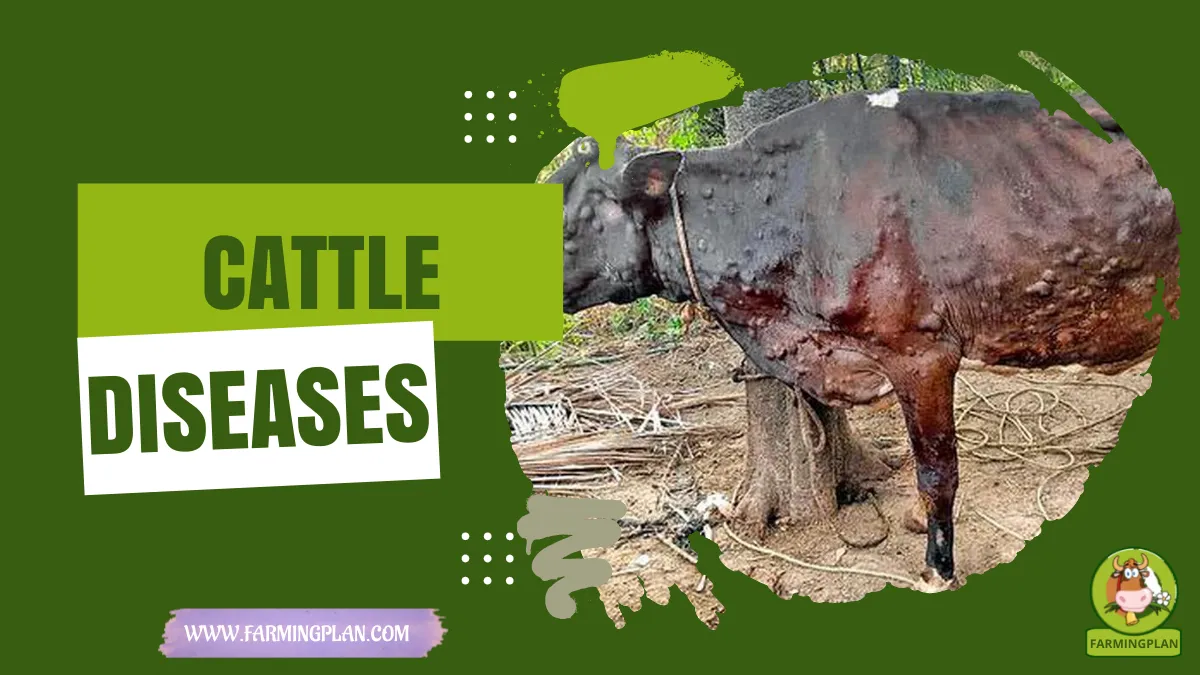
- Lumpy Skin Disease: Spread by biting insects, creating painful skin nodules, prolonged fever, and permanent hide damage. Prevent outbreaks using vector control sprays and targeted vaccination schemes.
Bacterial Infections and Treatment Options
Bacterial pathogens attack internal organs, joints, muscles, and udders, requiring prompt treatment with targeted antibiotics.
- Blackleg (Clostridium chauvoei): A deadly soil-borne bacterial disease that attacks young, fast-growing cattle. Bacterial spores produce fatal exotoxins that cause rapid muscle swelling, crackling skin textures, extreme fever, and sudden death. Prevent losses by administering low-cost clostridial 7-way vaccines.
- Brucellosis and Leptospirosis: Bacterial diseases that cause late-term bovine abortion, weak calves, and reduced fertility across breeding herds. Treatment requires systemic antibiotics like oxytetracycline under direct veterinary supervision. Protect herds using official vaccination schemes and regular serological testing.
- Mastitis and Foot Rot: Mastitis damages udder tissues and reduces milk quality, while foot rot (Fusobacterium necrophorum) causes severe lameness. Treat foot rot promptly using injectable products like oxytetracycline and footbaths. Manage mastitis using proper milking hygiene, dry cow therapy, and clean housing environments.
Parasitic Infestations and Vector Control
Internal and external parasites drain vital nutrients, weaken immune systems, and transmit dangerous blood-borne diseases.
- Internal Parasites (Gut Worms & Coccidiosis): Cause parasitic gastroenteritis, poor feed conversion, dark diarrhea, and weight loss. Manage internal worms using strategic deworming routines paired with planned pasture rotation strategies.
- External Vectors (Ticks & Flies): Ticks like the Longhorned Tick transmit blood-borne diseases like Babesiosis and Theileria orientalis Ikeda, causing severe anemia. Horn fly bites cause constant irritation, blood loss, and spread pinkeye bacterial infections. Control vectors using ear tags, pour-on insecticides, and targeted pasture management.
“A Daily Inspection Keeps Outbreak Losses Far Away From Your Farm Gate.”
Step-by-Step Cattle Farming and Care Guide of Cattle Diseases
Successfully managing a healthy herd requires systematic planning, daily effort, and strict biosecurity protocols. Following a clear, structured care system protects your livestock investment, minimizes disease risks, and ensures smooth farm operations year-round.
Step 1: Secure Facilities and Shelter Setup
First, build sturdy perimeter fencing to keep your livestock safely contained and keep stray animals off your property. Construct well-ventilated shelters that shield cattle from freezing winter winds, driving rain, and intense summer heat. Ensure indoor housing areas feature deep, dry bedding to prevent skin sores, joint injuries, and environmental mastitis. Design smooth handling alleys and sturdy squeeze chutes to make veterinary treatments and routine health checks safe and stress-free.
Step 2: Establish Clean Water and Feed Systems
Set up durable water troughs that deliver clean, fresh water to every pasture and housing pen continuously. Clean water tanks weekly to prevent algae blooms and bacteria buildup that can trigger scours or digestive illness. Position hay feeders and feed bunks off the ground to prevent feed from mixing with manure and mud. Maintain adequate bunk space for all animals to stop dominant cows from crowding weaker herd members away from feed.
Step 3: Implement Quarantine and Biosecurity Protocols
Build isolated quarantine pens far away from your main herd to hold all newly purchased livestock safely. Keep new arrivals in isolation for at least thirty days while monitoring them for hidden health issues. Require farm visitors, equipment operators, and delivery drivers to sanitize their boots and vehicle tires before entering animal areas. Restricting foot traffic reduces the risk of bringing dangerous pathogens like BVD Virus or Johne’s Disease onto your ranch.
Step 4: Administer Scheduled Vaccination Protocols
Work closely with your local veterinarian to design a comprehensive vaccination schedule tailored to your region’s specific health risks. Administer core vaccines covering Blackleg, Infectious Bovine Rhinotracheitis, Bovine Viral Diarrhea, and Leptospirosis on time every year. Keep all injectable products, needles, and syringes sterile, storing vaccines in temperature-monitored refrigeration units. Correct vaccine handling ensures your herd builds strong, lasting immunity against widespread bacterial and viral pathogens.
Step 5: Perform Daily Herd Health Checks
Walk through your pastures and pens every morning to observe your livestock while they feed and move around naturally. Look for subtle warning signs like drooped ears, runny noses, isolated cows, unusual gaits, or altered gut movements. Isolate any animal showing early signs of illness into a clean treatment pen for immediate veterinary evaluation. Catching infections early shortens recovery times and stops contagious diseases from spreading through your herd.
Step 6: Maintain Digital Cattle Record Keeping Systems
Log every birth, vaccination, medical treatment, weight measurement, and pasture move into a secure herd management platform. Record the specific medication name, dose, administration site, and official meat or milk withdrawal dates for every treated animal. Digital records help you track individual animal health trends, prove regulatory compliance, and make informed culling decisions. Accurate record-keeping turns health data into actionable insights that boost your farm’s long-term profitability.
Read More: Goat Feed Guide to Raising Strong Livestock
Expert Tips and Pro Strategies for Cattle Diseases
- Optimize Pasture Rotation: Rotate cattle through fresh pastures regularly to break parasite life cycles and reduce gut worm loads naturally.
- Test Hay and Forage: Analyze forage samples regularly to identify nutrient gaps and balance rations accurately before feeding.
- Enforce Calf Colostrum Protocols: Ensure every newborn calf receives two quarts of high-quality colostrum within four hours of birth.
- Deploy Fly Control Early: Apply fly tags, pour-on treatments, or backrubbers early in spring before horn fly numbers surge.
- Supply Buffer Minerals: Offer free-choice sodium bicarbonate to high-producing dairy cows to protect against rumen acidosis.
- Schedule Annual Breeding Soundness Exams: Test all herd bulls for reproductive fitness and Bovine Trichomoniasis before turnout.
- Keep Clean Calving Areas: Maintain dry, freshly bedded calving pastures to prevent neonatal scours and navel infections in newborns.
FAQs
What are the early signs of Bovine Respiratory Cattle Diseases Complex in young calves?
Early signs include a clear or yellow discharge from the nose, mild lethargy, elevated body temperature, reduced feed appetite, and shallow breathing. Calves may also hang their heads low, isolate themselves from the group, and develop a dry, persistent cough.
How can livestock producers prevent Foot Rot outbreaks in muddy pastures?
Prevent foot rot by keeping high-traffic areas around feed bunks and water troughs well-drained using gravel or concrete pads. You should also offer mineral supplements containing zinc to strengthen hoof tissue and apply preventive footbaths during wet seasons.
Can cattle diseases transfer directly to humans on the farm?
Yes, certain zoonotic infections like Cryptosporidiosis, Salmonellosis, E. coli, and Leptospirosis can pass from cattle to humans through direct contact. Practicing good personal hygiene, wearing disposable gloves when handling sick calves, and avoiding unpasteurized milk protects farm workers from infection.
What is Johne’s Disease and how does it spread through a herd?
Johne’s Disease is a chronic bacterial gut infection caused by Mycobacterium avium subsp paratuberculosis that causes progressive wasting and diarrhea. It spreads when calves ingest manure-contaminated milk, feed, or water from infected adult carrier cows.
Why is BVD Virus testing essential for long-term herd health management?
BVD Virus testing identifies persistently infected (PI) animals that shed massive amounts of virus without always showing obvious clinical symptoms. Removing these persistent shedder animals protects pregnant cows from reproductive failures, abortions, and birth defects.
Conclusion
Protecting your herd from costly infectious and metabolic Cattle Diseases requires dedicated management, high-quality animal nutrition, and consistent veterinary oversight. By establishing clean farm housing, enforcing strict biosecurity protocols, and following structured vaccination schedules, you can safeguard your livestock against major viral, bacterial, and parasitic health threats. Maintaining clear digital health records and conducting thorough daily checks allows you to spot early symptoms and intervene before illness spreads. Prioritizing proactive herd health builds an efficient, profitable, and resilient agricultural operation. Share your personal herd health management experiences, post your comments below, or pass this practical guide along to fellow ranchers to strengthen livestock care across our community!


