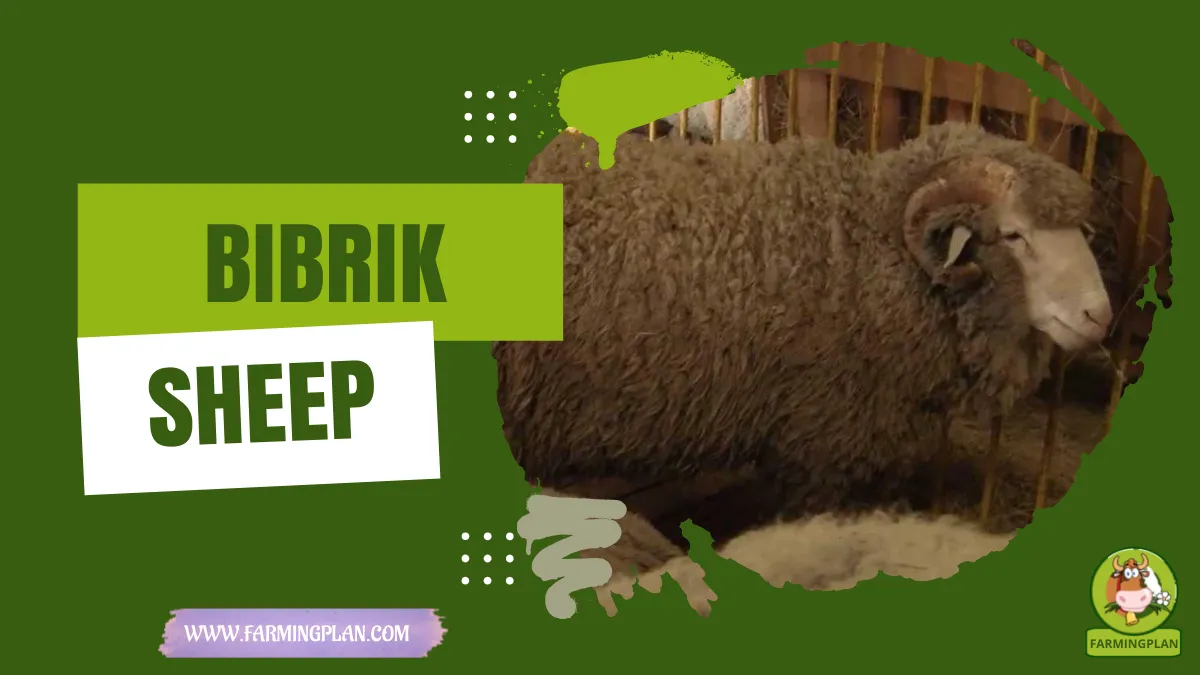
As a livestock specialist, I always feel excited when I talk about the Bibrik sheep breed. You will find these remarkable animals grazing across the rugged terrains of Balochistan, Pakistan. They are famous for their distinct white body, striking black or brown facial markings, and hardy fat-tailed build. Raising this incredible fat-tailed Bibrik Sheep breed offers fantastic rewards for commercial farmers and passionate animal lovers alike.
Among South Asian landraces, this breed truly stands out because of its tough nature. If you want a resilient animal that thrives on sparse vegetation and limited water, you have found the perfect livestock partner. In this comprehensive guide, I will share my personal experience and hands-on knowledge about raising this incredible animal.
History & Origin of Bibrik Sheep
The story of this animal begins in the harsh, mountainous regions of Pakistan, particularly in the Barkhan and Loralai districts of Balochistan. Over hundreds of years, local tribal farmers selectively bred these animals to survive extreme weather conditions. The harsh environment shaped a livestock variety that can withstand freezing winters and scorching summers without losing body condition. Traditional pastoralists relied heavily on these animals for their daily survival and local commerce.
As trade expanded across South Asia, livestock traders brought these sheep to major market centers like Islamabad and Rawalpindi. People quickly recognized their incredible hardiness and high meat quality. Today, experts classify this animal as a major fat-tailed breed within the region. Its strong genetic foundation makes it a vital part of the agricultural economy in arid rural communities.
Read More: Gorkowska Goose: Ultimate Guide to Breeding Success
Characteristics of Bibrik Sheep
When you look at a typical ewe or ram, you will immediately notice their unique appearance. They carry a medium-sized body with a solid, compact frame built for long walks over rocky hills. Most animals display a clean white body fleece paired with bold black or brown patches around their face and ears. They possess a classic Roman nose profile that gives them an expressive look. Both rams and ewes often feature strong, curving horns that add to their rugged charm.
Another key feature is their medium fat-tail, known locally as a Bibrik Dumba. This tail acts as a energy reserve during seasonal feed shortages. Their fleece consists of coarse wool with fiber diameters usually ranging around 35 to 45 micrometres. While their wool serves well for traditional rug making, farmers value these sheep mostly for their excellent meat yield.
Nature, Temperament, and Herd Behavior of Bibrik Sheep
In my years of working with livestock, I have found this breed to be remarkably calm and docile. These sheep display a strong flocking instinct, which makes them very easy to herd across open pastures. They follow their leader naturally, reducing the stress of moving them between grazing grounds. Rams can show a bit of spirited energy during the breeding season, but overall, they remain manageable and gentle toward handlers.
Their steady temperament makes them a fantastic choice for both novice keepers and seasoned commercial farmers. They adapt quickly to human presence and handle routine checkups with minimal fuss. Whether you keep a small herd in a backyard setup or manage hundreds of heads on expansive pastures, their calm demeanor makes daily farm management a pleasant experience.
Food, Diet, and Sustainable Nutrition of Bibrik Sheep
Feeding your flock properly ensures high growth rates and excellent health. These animals excel at semi-arid grazing, consuming native grasses, tough shrubs, and wild herbs that other livestock ignore. However, to maximize their growth performance, you should supplement their pasture grazing with quality dry fodder and grains. I always recommend providing balanced feed mixes during pregnancy and lactation phases to support mother ewes.
- Fresh green fodder like alfalfa, clover, and seasonal grasses
- Dry roughage including wheat straw and sorghum hay
- Balanced grain mixes containing corn, barley, and wheat bran
- Essential mineral licks to prevent nutrient deficiencies
- Constant access to clean, fresh drinking water
Water access remains critical, especially during hot summer months. Even though these sheep tolerate drought conditions better than most breeds, fresh water boosts feed digestion and milk production. Avoid feeding spoiled, moldy grain or damp hay, as digestive upsets can quickly harm your flock’s performance.
Usage and Economic Purpose of Bibrik Sheep
Farmers raise this multipurpose breed primarily for high-quality meat production. Their meat is famous for its rich flavor, tenderness, and optimal fat distribution, making it extremely popular in local meat markets. During major religious festivals like Eid ul Adha, these animals command top market value in every maveshi mandi. Buyers eagerly seek out well-fed rams for Qurbani Bakra sacrifices, paying premium prices for healthy, attractive animals.
Beyond meat sales, these sheep produce a steady yield of coarse fleece every year. Local artisans use this durable wool to weave traditional carpets, blankets, and coarse textiles. Ewes also yield a modest amount of milk to raise strong, healthy lambs quickly. This combination of meat, wool, and milk provides farmers with multiple streams of steady income throughout the year.
Special Features and Survival Qualities of Bibrik Sheep
What makes this animal truly special is its incredible climate adaptation. They survive where other standard farm animals fail, effortlessly enduring extreme temperature swings and rocky terrain. Their specialized fat-tail serves as a built-in energy bank during dry seasons when pasture feed grows scarce. Their tough hooves resist foot problems even when traversing sharp stones and hard soil daily.
Additionally, they possess a strong natural resistance against common environmental stresses. Their efficient digestive system converts poor-quality, fibrous forage into high-grade muscle and fat reserves. They also demonstrate remarkable mothering instincts, fiercely protecting their young and nursing them with rich milk. These rare survival traits lower overall management costs and increase overall farm efficiency.
“Raising Hardy Livestock Brings Real Joy And True Prosperity To Every Farming Family.”
Health Issues and Preventive Care of Bibrik Sheep
To keep your herd thriving, you must stay proactive with routine health management. Like most livestock raised on open pastures, these sheep face internal and external parasite pressure throughout the grazing season. Worms, ticks, and mites can cause weight loss and reduced wool production if left untreated. Regular deworming schedules and routine dipping keep these pest problems completely under control.
You should also guard against common viral and bacterial diseases like enterotoxemia and foot-and-mouth disease. Schedule annual vaccinations with your local veterinarian before the rainy season starts. Keep their living quarters clean, dry, and well-ventilated to prevent respiratory infections. Early detection and quick isolation of sick animals will keep your entire flock safe and healthy.
Step-by-Step Farming Guide for Bibrik Sheep
Starting your own livestock farm requires clear planning, dedication, and proper execution. I have broken down the setup and daily management process into easy, actionable steps based on proven farming methods. Beyond the solid financial returns during market season, working with these gentle and resilient animals teaches you patience, deepens your connection to the land, and connects you with a proud tradition of sustainable agriculture.
Step 1: Shelter Construction and Housing Setup
Building a safe, well-ventilated barn forms the foundation of your livestock operation. Your shelter must protect the animals from extreme heat, cold winds, and heavy rainfall while allowing plenty of fresh airflow. Provide at least 15 to 20 square feet of dry floor space per adult sheep. Use concrete or packed clay flooring covered with clean straw or wood shavings to maintain dry bedding conditions constantly. Ensure the fencing around your yard stands high and sturdy enough to keep local predators away from your flock at night.
Step 2: Selecting and Purchasing Healthy Stock
Selecting high-quality starter stock determines your long-term breeding success. Visit reputable livestock markets or certified breeding farms to choose strong, active animals with bright eyes and clean fleeces. Look for broad bodies, straight legs, and well-formed fat-tails without any signs of physical deformities. Inspect the teeth to verify the animal’s exact age before finalizing your purchase. Avoid buying sheep that show signs of coughing, lethargy, skin lesions, or pale gums.
Step 3: Daily Feeding and Grazing Routines
Establish a consistent daily routine for grazing and supplemental feeding to keep your animals happy and healthy. Release your flock for pasture grazing during cool morning and late afternoon hours to protect them from high midday temperatures. Provide fresh green fodder alongside high-protein grain supplements in clean feed troughs every evening. Always keep fresh drinking water and mineral salt blocks accessible inside the shelter. Consistent feeding times promote good digestion and steady weight gain across your entire herd.
Step 4: Breeding Management and Lamb Care
Successful breeding requires careful timing and proper monitoring of ewes and rams. Keep one healthy adult ram for every 20 to 25 breeding ewes to ensure high conception rates. Provide extra nutritious feed to pregnant ewes during their final month of gestation to support lamb development. Ensure newborns receive vital colostrum milk within the first two hours of birth to build strong immune systems. High lamb survival rates directly boost your ultimate farming profitability year after year.
Read More: Chamba Goat: Farming Into A Successful
Expert Tips and Best Practices for Bibrik Sheep
Here is my personal list of proven strategies to maximize your livestock farming success:
- Keep detailed records of birth dates, breeding lines, and vaccination schedules.
- Rotate your grazing pastures frequently to prevent parasite cycles from building up.
- Trim hooves every few months to maintain proper foot balance and movement.
- Shear fleece twice a year before summer heat sets in completely.
- Separate pregnant ewes and young lambs from the main adult herd.
- Keep emergency veterinary supplies and wound sprays ready inside your barn.
FAQs
What is the main purpose of raising Bibrik sheep?
Farmers raise this breed mainly for high-quality meat production and festival sales. They also produce coarse wool used for traditional carpet manufacturing.
How do you identify a genuine Bibrik sheep?
Look for a solid white body paired with black or brown patches around the face and ears. They also feature a distinct Roman nose and a medium fat-tail.
What do these sheep usually eat?
They feed on native pasture grasses, wild shrubs, alfalfa, and crop residues. You should also feed them grain concentrates and mineral supplements for best growth.
Are these sheep suitable for dry regions?
Yes, this breed thrives in semi-arid and mountainous environments. They possess exceptional resistance to heat, drought, and seasonal feed shortages.
Where can buyers purchase this sheep breed?
You can buy them directly from livestock breeders in Balochistan or at major livestock markets in cities like Islamabad and Rawalpindi.
Conclusion
Raising this incredible fat-tailed sheep breed offers fantastic rewards for commercial farmers and passionate animal lovers alike. Their remarkable hardiness, attractive appearance, and efficient meat production make them a top performer in challenging climates. By providing proper housing, balanced nutrition, and regular health care, you can build a profitable and sustainable farming enterprise. Are you ready to take your livestock operation to the next level? Share your thoughts, ask a question in the comments below, or pass this helpful guide along to your fellow farmers today! Discover the Bibrik sheep breed! Learn expert farming tips on characteristics, diet, health, and care for this hardy livestock.