
I always love sharing my personal farming journey with fellow sheep enthusiasts, and today I want to talk about the remarkable Beulah Speckled Face Sheep. When I first brought these wonderful animals onto my farm, I instantly fell in love with their striking looks and incredible resilience. Native to the rugged Welsh hills around Llanwrtyd Wells and the Eppynt Mountain range, this domestic sheep breed truly stands out in any field.
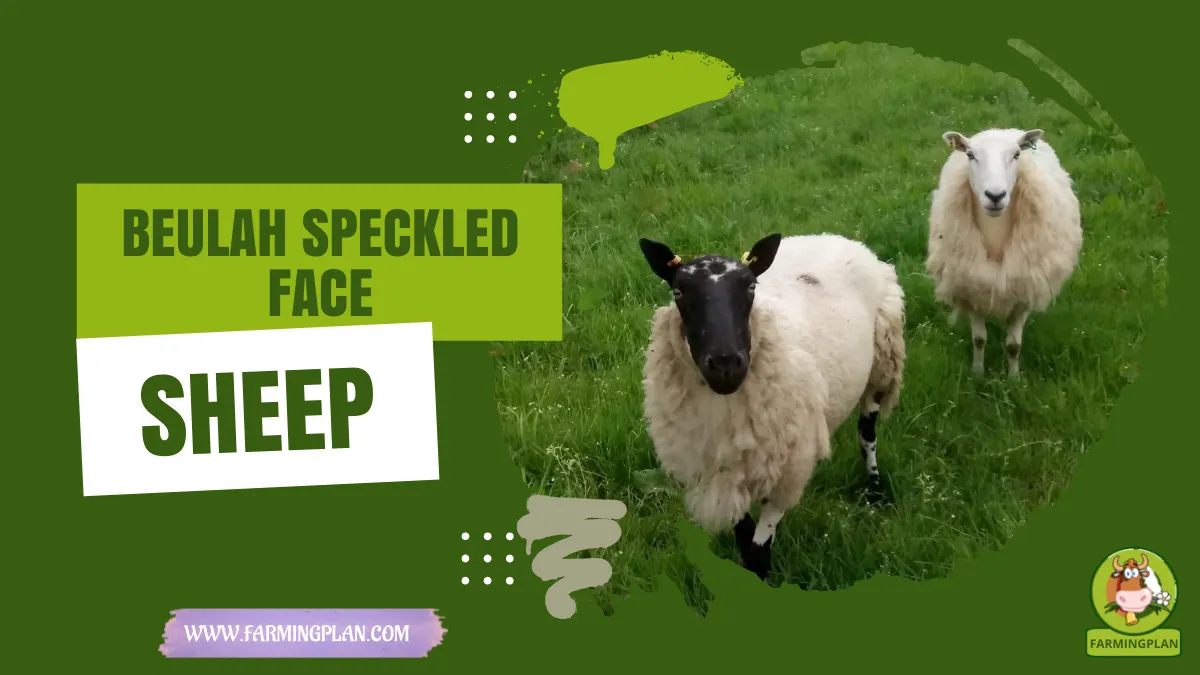
They carry a distinct dark muzzle with beautiful black markings around their eyes, ears, and legs against a clean white fleece. They are extremely adaptable animals that thrive in tough upland conditions as well as lush lowland farms. Over the years, I have found that their calm nature and sturdy build make them a joy to raise, whether you want high-quality wool, hardy breeding ewes, or strong finished lambs. Let us dive deep into what makes this unique breed so special for modern flockmasters.
The History and Origin of Beulah Speckled Face Sheep
My deep appreciation for this breed grew even more once I studied its rich heritage in Wales. These sheep originated in the rugged Welsh hills of Powys, specifically around Abergwesyn, Llanafan, and Eppynt Hill. Local flockmasters bred them over generations to create a tough animal capable of surviving damp Welsh valley climates and harsh mountain winters. The Beulah Speckled Face Sheep Society was formally established back in 1958 to standardise the breed and maintain high breeding stock standards. Historically, local farmers crossed native Welsh Mountain sheep with other hardy hill breeds to improve frame size while retaining incredible hardiness.
Today, these sheep form a cornerstone of British livestock history. They adapted perfectly to low-input systems where other livestock might struggle to find enough forage. Walking across the old MOD range or historical pastures near Llanafán, you can see how their genetics evolved to tackle rough grazing. The breed society ensures that purebred rams and ewes keep these vital traits intact. As a specialist, I take pride in keeping this agricultural legacy alive on my farm today.
Read More: Arad Barred Highflyer pigeon: Master the Sky with Pride
Characteristics of Beulah Speckled Face Sheep
When you see a flock grazing in the sunlight, their striking visual traits grab your attention right away. Both rams and ewes are polled, meaning they naturally have no horns, which makes daily handling much safer and easier for me. They sport an impressive Roman nose, bright eyes, and those famous speckled markings across their face and legs. Their body frame is medium yet solid, showing great muscular structure that supports good meat production without losing their agility on steep slopes.
Their fleece is another major highlight of their overall physical profile. The wool has a nice natural cream color, strong crimp, and a medium staple length that hand spinners and weavers absolutely adore. I harvest lovely woollen yarn each shearing season that works great for garments, rugs, and household textiles. Furthermore, the diameter of the wool offers good insulating properties while remaining durable. They carry strong hooves that rarely develop rot, allowing them to traverse wet ground easily.
Nature and Gentle Temperament of Beulah Speckled Face Sheep
Working with these sheep every single day is a genuine pleasure because of their wonderful personality. Unlike some overly nervous hill breeds, these animals possess a very calm, sensible, and manageable temperament. They quickly get used to human interaction, making routine care, health checks, and sheepdog trails go smoothly. Whenever I walk through the pasture with a bucket of feed, my flock approaches peacefully without trampling each other or causing chaos.
Their gentle nature makes them an excellent choice for beginner farmers, hobbyists, and seasoned flockmasters alike. Ewes display superb mothering instincts, taking care of their newborn lambs with great devotion and minimal human interference. They protect their offspring well while staying passive toward human handlers. If you own a small acreage or a large commercial farm, their patient attitude reduces overall stress for both you and the flock.
Food and Nutrition Guidelines for Beulah Speckled Face Sheep
Feeding my flock properly keeps them vibrant, healthy, and productive throughout the entire year. As natural grazers, they thrive primarily on high-quality pasture grass, hill forage, and good roughage. During spring and summer, simple low-input rotational grazing provides almost all the nutrients they need to grow thick fleeces and maintain strong body condition. I always make sure they have unrestricted access to clean, fresh drinking water in every paddock.
When winter sets in or when ewes enter late gestation, I supplement their diet with clean grass hay and balanced mineral licks. You must carefully monitor copper levels in their feed blocks because sheep are sensitive to copper toxicity. I avoid giving them rich poultry manure pastures or horse feeds containing extra copper. For lactating ewes carrying twins, a small daily ration of commercial sheep nuts ensures strong milk production and healthy lamb growth.
Usage and Purpose in Beulah Speckled Face Sheep
I raise these versatile animals because they fulfill multiple commercial and homestead purposes with extreme efficiency. In commercial farming, draft ewes are frequently crossed with terminal sire breeds like the Suffolk, Texel, or Bluefaced Leicester to produce high-value Welsh Mule ewes and finished lambs. These crossbred lambs grow rapidly, producing prime meat that satisfies demanding butcher shops and local lamb sales across the United Kingdom.
Beyond meat production, their dual-purpose nature provides wonderful rewards through their high-yield fleece. Craft enthusiasts, textile mills, and spinners seek out their wool for knitting yarn, felt, and durable fabrics due to its strength. Many smallholders display them at agricultural shows and demonstrations to highlight heritage livestock. Whether you want a reliable commercial draft ewe or a sustainable lawn-mowing flock, this breed delivers fantastic results every time.
Special Features of Beulah Speckled Face Sheep
One special feature that constantly amazes me is their incredible heritage of resilience. These animals feature remarkable parasite resistance and superior hooves that resist foot rot even in damp lowland conditions. Their thick fleece naturally sheds heavy rainwater, keeping their skin dry during long periods of bad weather. They also display strong flocking instincts, which makes gathering them across vast hilly acreage straightforward and efficient.
Another unique strength lies in their high maternal efficiency and longevity. Ewes stay productive for many years, often raising robust twin lambs well into their senior years without losing body condition. They adapt rapidly to sudden feed changes, making them a top pick for low-input, sustainable farming practices. Their striking head pattern also makes them visually appealing, adding great aesthetic beauty to any rural landscape or hobby farm.
Health Issues and Effective Preventive Care of Beulah Speckled Face Sheep
Maintaining a healthy flock requires a proactive mindset and consistent preventive management. While this breed is naturally hardy, they can still face common sheep ailments if ignored. Internal parasites like stomach worms and fluke can impact weight gain, so I conduct regular fecal egg counts before administering targeted drench treatments. Flystrike is another summer risk, which I prevent through timely double shearing, tail crutching, and protective topical sprays.
Rotational grazing helps disrupt worm life cycles naturally while keeping pastures fresh and clean. I vaccinate my entire flock annually against clostridial diseases and pasteurellosis to prevent sudden losses. Checking their eyes for pinkeye and trimming hooves twice a year keeps everyone mobile and comfortable. By maintaining clean bedding in winter housing and offering balanced mineral nutrition, I keep disease outbreaks off my farm entirely.
“A Healthy Flock Of Beulahs Brings True Joy To Any Hillside Farm.”
Step-by-Step Farming and Care Guide for Beulah Speckled Face Sheep
Raising a thriving flock requires structured planning, daily care, and proper infrastructure. I have developed a foolproof, step-by-step approach over my years as a farming specialist that guarantees strong livestock growth, high lambing percentages, and minimal daily stress. Dip newborn navels in iodine solution immediately to prevent infection, and keep mother and lamb bonded in a small pen for two days before turning them out to fresh grass.
Step 1: Setting Up Secure Pastures and Fencing
Before bringing your first animals home, you must prepare secure fencing and clean pastures. I recommend installing sturdy five-wire electric fencing or woven sheep wire at least four feet high to prevent straying. Ensure your fields have good natural drainage, shade trees for hot summers, and windbreaks for harsh winter storms. Clean out old debris, toxic weeds, and sharp hazards from the pasture area completely. Set up durable water troughs supplied with fresh, running water in every section. Taking time to build secure perimeter boundaries saves you endless hours of chasing loose animals down the road later.
Step 2: Selecting Quality Breeding Stock
Acquiring healthy, well-conformed animals sets the foundation for your long-term success. Look for clear eyes, alert attitudes, correct mouth bite structure, and smooth Roman noses when selecting stock. Inspect the ewes to ensure they have soft, balanced udders free from hard lumps or past mastitis scars. Rams should display strong bone structure, broad chests, and fully descended, healthy testicles. Purchase your animals directly from registered members of the Beulah Speckled Face Sheep Society or reputable breed auctions to guarantee true genetics. Starting with high-grade, health-screened animals prevents breeding issues and costly vet bills down the line.
Step 3: Implementing Daily Management and Feeding Routines
Establishing a consistent daily routine keeps your flock calm, healthy, and easy to handle. Walk your pastures every morning to check on every animal, observing their gait, alertness, and feeding behavior. Rotate your pastures every two to three weeks to allow forage recovery and break internal parasite life cycles naturally. Offer high-quality grass hay during winter months when natural forage stops growing, alongside balanced sheep-safe mineral blocks. Always clean and refill water troughs regularly to prevent bacterial growth. Consistent daily observation allows you to spot minor health concerns long before they turn into serious farm emergencies.
Step 4: Managing Seasonal Lambing and Nursery Care
Lambing season is the most exciting time on my farm, requiring careful preparation and attention. Move pregnant ewes into clean, well-ventilated, deeply bedded barn pens a few weeks before their due date. Monitor them closely for signs of labor, such as restlessness, nesting behavior, or separation from the flock. Allow ewes to give birth naturally, stepping in only if a lamb is wrongly positioned. Ensure newborn lambs receive vital colostrum within their first six hours of life to build strong immune systems.
Read More: Asiatic Crack Tumbler Pigeon: Amazing Flying Breed
Expert Tips and Best Practices for Success
- Practice strict rotational grazing to optimize pasture growth and reduce internal parasite loads naturally.
- Keep detailed farm record books tracking lambing dates, ear tag numbers, vaccinations, and weight gains.
- Shear your flock early in the summer season to prevent heat stress and eliminate flystrike risks.
- Provide clean, dry, draft-free shelter during severe winter weather to protect young stock.
- Build simple, smooth-walled handling sweeps and chutes to make sorting, drenching, and health checks painless.
- Feed high-frame Down or Continental rams like Suffolk or Texel to purebred ewes for fast-growing market lambs.
FAQs
What are the main characteristics of Beulah Speckled Face sheep?
They feature distinct black speckled markings on their face, ears, and legs against a white body. Both rams and ewes are polled, carrying a medium-sized frame and a quality, dense fleece.
Are Beulah Speckled Face sheep good for beginner farmers?
Yes, their gentle, calm temperament makes them exceptionally easy to handle for new farmers. They require minimal intervention during lambing and adapt quickly to simple management routines.
What type of wool do Beulah Speckled Face sheep produce?
They produce a high-quality, natural cream fleece with good crimp and staple length. Hand spinners, weavers, and commercial textile mills use this versatile wool for garments, rugs, and yarns.
How hardy are Beulah Speckled Face sheep in bad weather?
This breed is exceptionally hardy, having evolved in the wet Welsh mountains and rough hill terrain. Their dense wool naturally sheds rainwater, while their strong hooves resist common foot problems in damp pastures.
What is the main commercial use for this sheep breed?
They excel as dual-purpose animals, widely used to produce high-value draft ewes and crossbred commercial market lambs. Farmers cross them with terminal sires to produce fast-growing, high-yield meat lambs.
Conclusion
Raising Beulah Speckled Face Sheep has brought tremendous reward, sustainability, and joy to my agricultural operations. Their remarkable balance of natural hardiness, gentle temperament, superb mothering ability, and high-quality wool makes them an outstanding choice for any modern livestock producer or smallholder. By following proper nutritional care, pasture rotation, and seasonal management, you can build a highly profitable and deeply satisfying flock. I encourage you to connect with local breeders, visit agricultural shows, and explore how these beautiful speckled sheep can transform your farming experience today. Tell me about your current farm setup in the comments below, or share this guide with your fellow shepherd friends!


