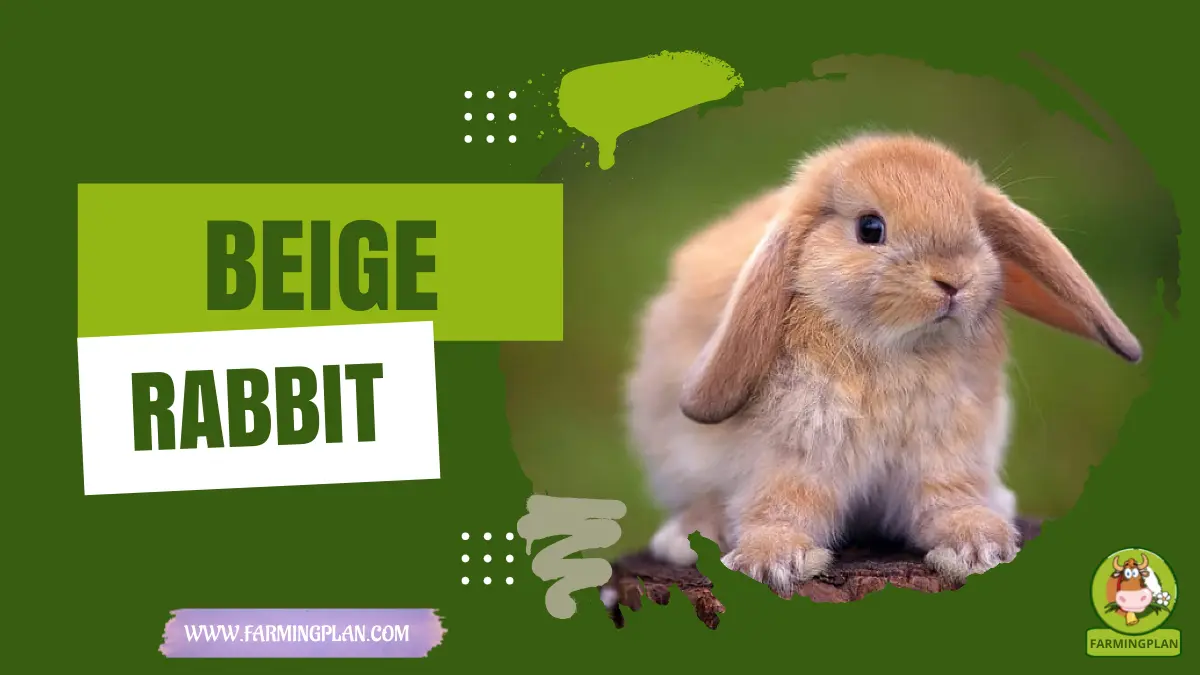
Beige Rabbit has always fascinated me as a farming specialist and rabbit breeder because of its beautiful light-sand coat, silky fur, and calm personality. Over the years, I have worked with many rabbits, including Mini Rex, Mini Lops, Netherland Dwarfs, Angora rabbits, and Chinchilla rabbits, but the Beige Rabbit remains one of the rare breeds that easily attracts rabbit fanciers and pet owners. Its soft fawn shading, slate-blue ticking, and elegant agouti pattern create a very unique appearance.
Many breeders in the Netherlands and Britain developed several Beige varieties during the 1930s and 1940s. Today, rabbit breeders appreciate this rare breed for its attractive coat finish, dense silky fur, and pleasant temperament. In this guide, I will share my practical experience about Beige History, breed standards, food, health, reproduction, genetics, care, and breeding practices. Whether you are a pet owner, breeder, or hobbyist, this article will help you understand the fascinating world of the Beige Rabbit.
History & Origin
The history of the Beige Rabbit begins mainly in the Netherlands during the 1930s. Rabbit breeders wanted to create a rabbit with a beautiful light-sand color combined with soft slate-blue ticking. Through careful selection and controlled breeding, they developed the first Dutch Beige rabbits. Breeders experimented with several genetic combinations involving the agouti pattern, dilution locus, Wide Band genes, and non-extension (ee) gene. These combinations produced the attractive beige coloration that rabbit fanciers admire today.
Expansion Into Britain
During the late 1930s and early 1940s, breeders introduced the Beige Rabbit to Britain. The British Rabbit Council later recognized several Beige varieties and established a British standard. Rabbit clubs and herdbook organizations helped maintain pedigrees and protect the rare breed. Breeders such as G. Brinks contributed to improving coat quality, color balance, and body structure. The breed gained popularity among exhibitors who appreciated its dense silky fur and unique shading.
Influence Of Other Rabbit Breeds
Several rabbit breeds influenced the development of the Beige Rabbit. Chinchilla rabbits contributed ticking patterns, while certain sable and agouti rabbits improved coat color. Some breeders also experimented with Angora, Mini Rex, and other fancy rabbit breeds. The result was a rabbit that combined beauty, gentle temperament, and excellent fur standards.
Modern Status Of The Breed
Today, the Beige Rabbit remains relatively rare. Many breeders continue to protect the breed through careful selection and responsible breeding programs. Breed organizations maintain records and encourage genetic diversity to reduce inbreeding problems. Because of quarantine regulations, limited populations, and small breeding groups, the Beige Rabbit remains a special rabbit among collectors and enthusiasts.
Read More: Polish Chicken Wonderful Crested Beauty
Characteristics
The Beige Rabbit has a medium-sized body with balanced proportions. Most adults weigh between 6 and 9 pounds depending on the variety. The body appears compact yet elegant, with strong shoulders and a rounded hindquarter. Its skin and coat feel soft and smooth. The dense fur gives the rabbit a luxurious appearance that many breeders admire.
Unique Coat Colors And Shading
The most remarkable feature is the beautiful beige color. The coat usually shows a light-sand or fawn shade with slate-blue ticking along the guard hair shafts. This ticking creates depth and a shimmering effect.
Several color groups exist, including:
- Self Beige
- Broken Beige
- Shaded Beige
- Pointed White
- Blue Eyed White
- Otter patterns
- Ticked varieties
Some rabbits also display Vienna markings or chinchillated effects.
Silky Fur And Coat Finish
The dense silky fur remains one of the most important breed standards. Breeders judge coat finish, texture, color balance, and ticking during exhibitions. The fur feels smooth when touched and maintains excellent density. Many rabbit fanciers compare the coat quality to Mini Rex rabbits because of its softness.
Genetic Traits And Color Inheritance
The Beige Rabbit demonstrates several interesting genetic groups. The dilute color mutation affects pigmentation, while the sable gene, agouti pattern, Tan Pattern, and Wide Band genes influence coat appearance.
Recessive traits often appear during breeding programs. Careful genetic selection helps maintain proper phenotype and desirable genotype combinations.
Tip: “I always study pedigrees before breeding because good genetics create healthier rabbits and stronger bloodlines.”
Nature & Temperament
One reason I enjoy raising Beige Rabbits is their gentle personality. Most rabbits become calm, friendly, and easy to handle when owners socialize them early. They usually enjoy human interaction and respond well to patient handling. Their quiet nature makes them suitable for families, older children, and beginner rabbit owners.
Intelligence And Curiosity
These rabbits show considerable curiosity. They explore their environment, investigate new toys, and learn routines quickly. I often notice them recognizing feeding times and responding to familiar voices. Interactive toys and supervised exercise help keep them mentally active.
Compatibility With Other Rabbits
Beige Rabbits often live peacefully with compatible rabbits if owners introduce them correctly. Proper bonding reduces stress and encourages social behavior. Neutering or spaying often improves compatibility and decreases territorial behavior.
Suitability For Pet Owners And Exhibitors
Pet owners appreciate the Beige Rabbit because of its affectionate behavior and manageable size. Exhibitors value the breed for its rare color, silky fur, and elegant appearance. Breeders enjoy working with the breed because the unique genetics offer many opportunities for careful selection and improvement. The combination of beauty, intelligence, and calm behavior makes the Beige Rabbit an excellent choice for both hobbyists and experienced rabbit breeders.
Food & Diet
As a rabbit specialist, I always tell new owners that nutrition determines the health, lifespan, and coat quality of a Beige Rabbit. A proper diet supports digestion, reproduction, immune function, and the development of dense silky fur. Since this breed often participates in exhibitions and breeding programs, correct feeding becomes even more important.
Fresh grass hay should make up about 70–80% of the daily diet. Timothy hay, orchard grass, and meadow hay work very well. Hay provides fiber, supports healthy teeth, and keeps the digestive system moving properly. Without enough fiber, rabbits may develop digestive problems and poor coat condition. Fresh clean water must remain available at all times. I prefer heavy ceramic bowls because rabbits often drink more from bowls than bottles.
Recommended Foods For Daily Feeding
I usually feed adult Beige Rabbits a combination of:
- Timothy hay
- Orchard grass
- High-quality rabbit pellets
- Fresh leafy vegetables
- Small portions of fruits
- Safe herbs
Good vegetables include:
- Romaine lettuce
- Cilantro
- Parsley
- Bok choy
- Dandelion greens
- Basil
- Mint
Small fruit treats such as apples, strawberries, and blueberries can reward good behavior.
Foods To Avoid
Several foods can harm rabbits. I never feed:
- Chocolate
- Onions
- Garlic
- Potatoes
- Iceberg lettuce
- Sugary snacks
- Bread
- Dairy products
- Processed foods
Too many treats may cause obesity, digestive disorders, or dental problems.
Feeding Young Rabbits And Breeding Does
Young rabbits require slightly different feeding schedules. Growing rabbits need more protein and nutrients. Pregnant and nursing females also need additional calories and minerals. I monitor body weight carefully because both underfeeding and overfeeding can affect reproduction and overall health.
Usage & Purpose
Many pet owners choose the Beige Rabbit because of its calm personality and attractive appearance. The rabbit adapts well to indoor living when owners provide enough exercise and social interaction. Families often appreciate the gentle behavior. Children can interact safely under adult supervision. The breed also suits apartment living if owners create proper exercise areas.
Exhibition And Rabbit Shows
The Beige Rabbit remains popular among exhibitors and rabbit fanciers. The British standard and various breed standards focus on:
- Coat finish
- Color balance
- Body type
- Fur density
- Ticking quality
- Overall condition
Rabbit shows allow breeders to compare bloodlines and improve future generations.
Breeding Programs
Breeders often maintain pedigrees and herdbook records to protect genetic quality. Because the breed remains relatively rare, responsible breeding plays an important role. I carefully study genotype and phenotype combinations before selecting breeding pairs. This helps maintain desirable coat colors while reducing harmful recessive traits.
Educational And Conservation Value
Rare breeds such as the Beige Rabbit help preserve valuable genetic diversity. Rabbit organizations encourage responsible breeding programs to prevent the loss of important bloodlines. Young breeders can learn genetics, animal care, record keeping, and responsible breeding through working with these rabbits.
Special Features
The first thing people notice about the Beige Rabbit is its beautiful light-sand coat. The combination of fawn shading and slate-blue ticking creates a color pattern that few breeds possess. The guard hair shafts produce a sparkling appearance that changes slightly under different lighting conditions.
Dense Silky Fur
The dense silky fur feels extremely soft. Many visitors who handle my rabbits immediately comment on the coat texture. This luxurious coat makes the breed popular among rabbit enthusiasts who value fur standards and appearance.
Interesting Genetic Background
The Beige Rabbit offers breeders fascinating genetics involving:
- Agouti pattern
- Sable gene
- Dilution locus
- Wide Band genes
- Tan Pattern genes
- Non-extension (ee) gene
These genetic combinations create many possible coat variations.
Rare Breed Status
The breed remains relatively uncommon in many countries. This rarity increases its appeal among collectors and rabbit breeders. Because populations remain small, breeders work together to maintain healthy bloodlines and avoid excessive inbreeding.
Strong Human Bond
In my experience, Beige Rabbits often form close bonds with their owners. They recognize routines, enjoy gentle attention, and become comfortable with regular handling. These qualities make them both excellent pets and successful exhibition animals.
Health Issues & Prevention
Digestive disorders remain one of the most common health issues. Symptoms may include:
- Reduced appetite
- Small droppings
- Lethargy
- Bloating
- Weight loss
A high-fiber diet helps prevent many digestive problems.
Dental Disease
Rabbit teeth grow continuously throughout life. Without enough hay, teeth may overgrow and create serious problems.
Signs include:
- Drooling
- Difficulty eating
- Weight loss
- Wet chin
- Reduced appetite
Regular veterinary examinations help identify dental issues early.
Parasites And Skin Problems
External parasites can affect coat quality. Mites, fleas, and fur problems sometimes appear.
Symptoms may include:
- Hair loss
- Scratching
- Skin irritation
- Dandruff
- Crusty ears
Prompt treatment protects both the rabbit and other animals.
Respiratory Illness
Respiratory infections can develop in poorly ventilated housing. Warning signs include:
- Sneezing
- Nasal discharge
- Watery eyes
- Breathing difficulty
Clean housing and good airflow reduce risks.
Obesity And Reproductive Problems
Overfeeding pellets and treats may cause obesity. Excess weight can reduce fertility and shorten lifespan. Breeding animals require careful management to support healthy reproduction.
Preventive Care Checklist
I recommend:
- Annual veterinary visits
- Regular weight checks
- Daily observation
- Clean housing
- Proper quarantine procedures
- Fresh water
- High-fiber diets
- Exercise every day
Early detection often prevents serious medical problems.
Expert Tip: “I spend five minutes each morning observing every rabbit. Small changes in appetite or behavior often reveal health problems before they become serious.”
Step-by-Step Beige Rabbit Care Guide
During my years as a rabbit breeder and farming specialist, I have learned that success with a Beige Rabbit comes from consistent daily care. This rare breed rewards patient owners with excellent companionship, beautiful fur, and good health. New rabbit owners sometimes feel overwhelmed because they worry about housing, feeding, grooming, and medical care.
Fortunately, the process becomes much easier when you follow a clear routine. A Beige Rabbit requires proper housing, balanced nutrition, regular exercise, grooming, social interaction, and preventive health care. Every stage of ownership matters, from preparing the living area to monitoring daily behavior. Small mistakes can affect the rabbit’s health, coat quality, and temperament.
Complete Care Guide For Raising A Healthy Beige Rabbit
I always encourage beginners to focus on simple daily habits. Clean housing, fresh hay, and regular observation prevent many common problems. Good management also protects the breed’s valuable genetics and helps maintain the beautiful coat finish that rabbit fanciers admire. The following steps reflect my personal experience with breeding, exhibiting, and caring for Beige Rabbits. These guidelines work for pet owners, hobby breeders, and anyone interested in raising this rare breed successfully.
Step 1: Prepare Proper Housing
I always begin by preparing a safe and comfortable enclosure. A Beige Rabbit needs enough room to stand, stretch, and move freely. Small cages create stress and may cause obesity or muscle weakness.
The enclosure should include:
- Solid flooring
- Soft bedding
- Hiding area
- Food bowl
- Water bowl
- Hay rack
- Litter box
Indoor housing works very well because it protects the rabbit from extreme temperatures and predators. Outdoor hutches must provide insulation, shade, and protection from rain. I clean bedding several times each week and remove wet areas daily. Proper ventilation reduces respiratory problems and keeps the coat clean. A quiet environment also helps nervous rabbits feel secure.
Step 2: Provide A Balanced Feeding Schedule
Nutrition forms the foundation of good rabbit health. I provide unlimited hay every day because fiber supports digestion and dental health.
A typical feeding routine includes:
- Unlimited grass hay
- Small portion of pellets
- Fresh vegetables
- Clean water
- Occasional fruit treats
I introduce new foods slowly to avoid digestive upset. Young rabbits, adults, and breeding females often require different feeding amounts. Monitoring body weight helps prevent obesity. I adjust food portions according to activity levels and seasonal changes.
Step 3: Create A Daily Exercise Routine
Exercise keeps rabbits physically and mentally healthy. I allow my rabbits several hours of supervised exercise every day.
Safe exercise areas should contain:
- Tunnels
- Cardboard boxes
- Chew toys
- Platforms
- Hideouts
Exercise prevents boredom and strengthens muscles. Active rabbits also maintain healthier body weights and better digestive function. I always remove electrical cords and dangerous objects from exercise areas because rabbits naturally chew many household items.
Step 4: Groom The Coat Regularly
The Beige Rabbit’s dense silky fur requires regular maintenance. Weekly grooming removes loose hair and keeps the coat in excellent condition. During shedding periods, I groom more frequently. Excess hair may cause digestive blockages if rabbits swallow too much fur.
Grooming sessions also allow me to check for:
- Parasites
- Skin problems
- Injuries
- Weight changes
- Coat quality
Gentle handling during grooming strengthens the bond between rabbit and owner.
Step 5: Monitor Health Every Day
I observe my rabbits every morning and evening. Healthy rabbits remain active, alert, and interested in food.
Warning signs include:
- Refusing food
- Diarrhea
- Sneezing
- Weight loss
- Difficulty breathing
- Reduced activity
Early treatment often prevents serious illness. I maintain a relationship with a veterinarian who understands rabbit medicine.
Step 6: Socialize And Build Trust
Socialization helps develop friendly behavior. I spend time sitting quietly near young rabbits so they learn to trust people. Gentle petting, hand feeding, and calm interaction improve confidence. Sudden movements or loud noises may frighten rabbits. Children should always receive supervision when handling rabbits.
Step 7: Practice Responsible Breeding
Breeding Beige Rabbits requires knowledge of pedigrees, genetics, and health testing. I select breeding pairs carefully to maintain strong bloodlines.
Important breeding considerations include:
- Genetic diversity
- Health history
- Coat quality
- Temperament
- Breed standards
Avoiding excessive inbreeding helps maintain healthy offspring and preserves the rare breed.
Read More: Attaouia Goat Wonderful Heritage Breed Guide
Expert Tips & Best Practices
Practical Advice From My Experience
- Always provide unlimited quality hay.
- Keep fresh water available every day.
- Groom regularly during shedding seasons.
- Observe eating habits daily.
- Use proper quarantine procedures for new rabbits.
- Maintain accurate pedigrees.
- Avoid overcrowding breeding groups.
- Provide enrichment toys.
- Schedule regular veterinary checkups.
- Introduce dietary changes slowly.
- Protect rabbits from extreme heat.
- Clean housing frequently.
- Socialize young rabbits early.
- Choose breeding stock carefully.
- Monitor weight every month.
My Personal Success Strategies
I have found that consistency produces the best results. Rabbits thrive when owners follow the same feeding, cleaning, and exercise schedules every day. Good record keeping also improves breeding programs. I document health information, reproduction records, coat quality, and growth rates. These records help me make better breeding decisions.
“Healthy rabbits come from daily habits, not occasional effort. Small tasks performed every day create long-term success.”
FAQs
Are Beige Rabbits rare?
Yes. Beige Rabbits remain relatively rare in many countries. Small breeding populations and limited availability make them difficult to find compared to common breeds.
How large does a Beige Rabbit become?
Most Beige Rabbits weigh between 6 and 9 pounds depending on the variety and bloodline. Their body appears medium-sized and well balanced.
Are Beige Rabbits good pets?
Yes. They usually have calm personalities and friendly behavior. With proper socialization, they become excellent companions for families and rabbit enthusiasts.
What color is a Beige Rabbit?
Most rabbits display a light-sand or fawn color with slate-blue ticking. Some varieties show shaded, broken, pointed white, or other unique patterns.
How long do Beige Rabbits live?
With proper care, many rabbits live between 7 and 10 years. Good nutrition, veterinary care, and suitable housing can help increase lifespa.
Conclusion
The Beige Rabbit combines beauty, intelligence, gentle temperament, and fascinating genetics into one remarkable breed. Its light-sand coat, silky fur, slate-blue ticking, and calm personality make it a favorite among rabbit fanciers, breeders, and pet owners. Throughout my experience, I have found that proper nutrition, regular health care, responsible breeding, and daily interaction help these rabbits thrive. Although the breed remains rare, dedicated breeders continue to preserve its valuable bloodlines and unique characteristics. Whether you want a companion animal, an exhibition rabbit, or a breeding project, the Beige Rabbit offers an enjoyable and rewarding experience. If this guide helped you learn more about this beautiful rabbit breed, share it with other rabbit lovers, leave a comment, and continue supporting responsible rabbit care and conservation.