
I have spent decades working hands-on with domestic pig stock, and the Belgian Landrace pig stands out as one of the most incredible breeds in modern farming. Known scientifically under Sus domesticus, this Belgian Lop-eared swine strain traces back to Northern Belgium where breeders engineered a heavy-muscled animal to supply lean pork with minimal fat content.
When I first introduced Belgian Landrace sows into my own herd, I immediately noticed their strong back, deep flanks, and massive hams. Today, farmers around the world rely on Belgian Landrace swine for efficient meat production, crossbreeding programs, and outstanding farrowing performance. In this complete guide, I will share my personal experiences, key feeding strategies, and step-by-step care techniques to help you raise a healthy, productive herd.
History & Origin of Belgian Landrace Pig
The historical background of the Belgian Landrace pig began in the late 1920s when Belgian breeders decided to upgrade their native Landrace-type stock. The original native pig was rather short, fat, and lacked proper muscle build, so producers began importing German Landrace pigs that carried genetic lines from British Large White swine. Following World War II, breeders introduced Dutch Landrace and Danish Landrace lines to enhance body length and growth efficiency. Over the decades, selective breeding transformed the local stock into the Belgian Improved Landrace, officially establishing a distinct, muscular white pig strain that quickly gained fame across European pork production.
Unlike the Danish Landrace pig or Finnish Landrace pig which focused heavily on extreme length for bacon production, the Belgian pig producers targeted high-quality fresh meat. They integrated specialized swine research studies, rigorous testing, and pedigree tracking across local stations to select top sire-line animals. By incorporating stock from Luxembourg, Germany, and the Czech Republic during the 1950s to 1970s, breeders perfected a solid frame with massive muscle yield. Today, the breed stands alongside famous strains like the American Landrace pig, Norwegian Landrace pig, Duroc pig, and Large White Yorkshire in commercial swine farming.
Read More: Beulah Speckled Face Sheep Master Breed Guide
Characteristics of Belgian Landrace Pig
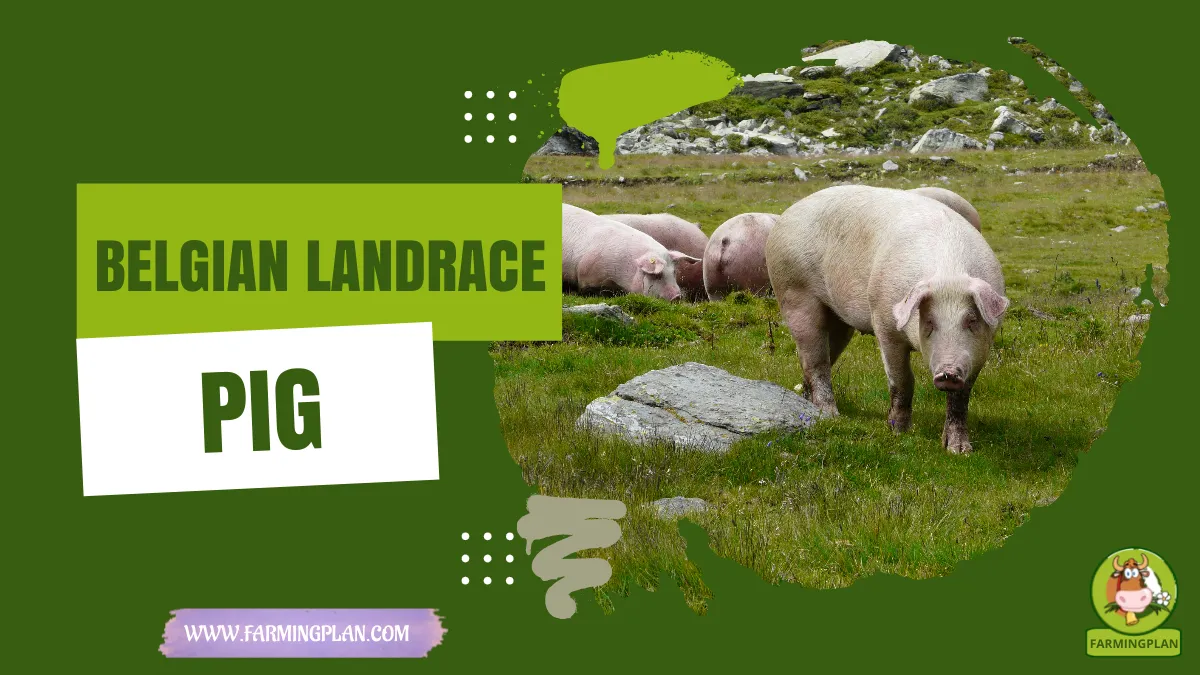
When you step into a barn housing Belgian Landrace pigs, their unique physical structure immediately catches your eye. They feature a bright white coat, pink skin pigmentation, a wide forehead, and heavy drooping ears that curve downward over the face. While they share the long torso characteristic of standard bacon breeds, Belgian Landrace pigs present a broader back, shorter limbs, and exceptionally thick, rounded hams. Adult boars often reach 250 to 350 kilograms, while mature sows weigh between 200 and 300 kilograms, delivering a exceptionally heavy carcass weight at slaughter.
Breeders appreciate the high lean yield and low fat cover produced by these animals, which makes them a prized choice for butcher-grade cuts. Their muscle structure is much denser than heritage options like the Mangalica or Duke of Berkshire. However, farmers must evaluate pedigree stock for genetic conditions such as malignant hyperthermia, which relates to transport stress and heat stress sensitivity. Proper stress-susceptibility testing ensures your purebred breeding stock retains maximum stamina, structural soundness, and reproductive strength without physical defects like cryptorchidism or hermaphroditism.
Nature/Temperament of Belgian Landrace Pig
I find that Belgian Landrace pigs possess a very calm, adaptable, and docile temperament that makes daily herd management a pleasure. Sows display exceptional maternal instincts, tending to their newborn piglets with great care, high milk production, and gentle movements in the farrowing pen. They adjust smoothly to confined swine housing systems as well as open pasture lots, provided you maintain a quiet, predictable routine. Their peaceful nature keeps farm stress low and reduces aggressive fighting among pen mates during sorting.
Even big sire-line boars remain manageable when handled with patience and proper tools like pig boards. Because these animals carry heavy muscle mass, they prefer consistent environments and gentle handling over sudden disruptions. Building trust with your herd through steady daily interaction allows you to perform health checks, ear notched identification, and routine vaccinations without causing panic or physical exertion.
Food & Diet of Belgian Landrace Pig
Feeding Belgian Landrace pigs requires a carefully balanced diet tailored to support rapid muscle growth while keeping excess body fat to a minimum. Because these heavy-muscled pigs build lean pork so quickly, they demand higher dietary protein levels than traditional heritage breeds. I always feed my growing herd a commercial compound ration packed with essential amino acids, fortified vitamins, and minerals.
- Dos: Provide constant access to clean, fresh water from automatic nipple drinkers. Feed weaners a high-protein starter feed rich in lysine to encourage muscle development. Incorporate quality forage, grains, and balanced meals daily.
- Don’ts: Never feed spoiled kitchen scraps, uncooked food waste, or unbalanced high-fat feeds that cause soft lard accumulation. Do not restrict water access, as dehydrated pigs drop feed intake rapidly.
During pregnancy, feed pregnant sows a controlled gestation diet to prevent obesity while ensuring optimal piglet weight. After farrowing, boost the sow’s ration so she can produce rich milk for her litter. Providing iron supplements to young piglets during their first few days supports robust blood health and rapid early growth.
Usage/Purpose of Belgian Landrace Pig
The primary purpose of raising the Belgian Landrace pig is top-tier lean pork production. European pork production relies heavily on this breed to supply premium fresh pork cuts to butchers, local meat suppliers, and high-end restaurants. Belgian top chefs frequently select pork from Belgian Landrace crosses—such as Duroc d’Olives or Piétrain boars crossed with Belgian Landrace sows—for its tender texture, rich flavor, and balanced moisture retention.
Beyond meat production, this breed plays a vital role in commercial crossbreeding programs. Progressive pig breeders use Belgian Landrace sows as F1 parent stock females to capture maximum maternal heterosis. Crossing a Belgian sow with Large White or Duroc boars yields fast-growing piglets that inherit strong frames, rapid feed conversion, and excellent carcass quality. Whether you run a specialized purebred breeding operation or supply feeder pigs to local meat markets, this breed delivers incredible commercial value.
Special Features of Belgian Landrace Pig
One outstanding quality of the Belgian Landrace pig is its remarkable feed conversion efficiency combined with heavy loin and ham development. While many Landrace strains were developed purely as maternal bacon pigs, the Belgian strain excels as both a practical maternal breed and a heavy muscle producer. Their ability to thrive in specialized confinement facilities allows commercial producers to maximize indoor space without sacrificing animal health.
Another rare trait is the high lean meat yield per carcass, often yielding over 70% pure meat with minimal backfat trim. Testing programs across European evaluation centers continuously refine these genetic traits, ensuring modern lines resist structural leg breakdown. Their bright white skin also produces clean, attractive carcasses that satisfy strict slaughterhouse standards and consumer preferences.
Health Issues & Prevention of Belgian Landrace Pig
Maintaining high biosecurity standards keeps your Belgian Landrace herd protected against common swine diseases. Because muscular lean breeds can be sensitive to environmental shifts, keeping housing dry, clean, and well-ventilated is essential. If you found this farming guide helpful, please leave a comment below, share this article with fellow livestock producers, and subscribe to our newsletter for more expert agricultural tips!
- Swine Dysentery: Causes severe bloody diarrhea and weight loss. Prevent this by maintaining strict farm hygiene, controlling rodent populations, and quarantining new animals.
- Colibacillosis: Affects young piglets, leading to watery scours and dehydration. Ensure newborn piglets receive ample colostrum right after birth to build natural immunity.
- Coccidiosis: Causes parasitic diarrhea in nursery pigs. Keep farrowing pen floors clean, dry, and sanitized between litters.
- Malignant Hyperthermia (PSS): A genetic muscle disorder triggered by transport stress or high heat. Select breeding stock tested free of the stress gene and avoid overcrowding during transport.
Establish a firm vaccination schedule with your veterinarian to protect against parvo, erysipelas, and respiratory pathogens. Regular hoof trimming, clean bedding, and good ventilation will keep your pigs active, healthy, and thriving for years.
“Good Pig Farming Starts With Good Genetics, Clean Housing, Balanced Feed, And Patient Daily Care.”
Step-by-Step Guide of Belgian Landrace Pig
Setting up a successful swine operation requires structured planning, proper building design, precise nutrition, and clear daily management practices. Raising Belgian Landrace pigs successfully depends on providing top-tier housing, high-quality feed, strict disease controls, and careful breeding protocols from day one. In this step-by-step section, I will walk you through the essential stages of building, managing, and expanding your own Belgian Landrace swine farm based on proven agricultural methods.
Step 1: Designing the Ultimate Swine Housing Facilities
Building the right pigsty setup provides the foundation for your entire farming operation. Belgian Landrace pigs require well-ventilated, spacious pens with smooth concrete flooring, slatted drainage areas, and clean deep bedding to support their heavy muscular frame. You must install reliable heating lamps in farrowing bays to keep fragile newborn piglets warm, while ensuring adult pens feature adequate cooling fans to prevent heat stress during warm summer months. Clean out manure daily, sanitize pens between groups, and maintain comfortable room temperatures around 18°C to 20°C for adult stock.
Step 2: Selecting Quality Foundation Stock and Purebred Breeding Lines
Acquiring superior foundation stock determines the long-term profitability of your herd. Purchase your pedigreed stock from certified pig breeders who provide clear genetic records and health testing documentation. Inspect animals carefully to ensure they possess long bodies, strong legs, wide backs, and heavy hams without structural defects. Verify that all prospective breeding boars and sows have tested negative for stress-susceptibility genes to avoid meat quality issues. Choosing top-tier purebred breeding stock guarantees consistent litter sizes, rapid growth rates, and excellent meat yield across future generations.
Step 3: Implementing Precision Feeding and Daily Nutritional Management
Providing balanced diets matching each growth stage ensures maximum lean yield and fast daily gains. Start young weaned piglets on a high-protein nursery diet containing digestible dairy proteins and essential vitamins to promote structural growth. Transition growing pigs to a balanced grain-based finisher feed packed with amino acids like lysine to build thick muscle without excessive fat deposition. Monitor daily feed intake closely, clear away spoiled grain from troughs, and ensure fresh drinking water flows continuously through automatic nipple drinkers.
Step 4: Managing Farrowing Performance and Newborn Piglet Care
Managing sow pregnancy and birth care requires direct attention to maximize piglet survival rates. Monitor pregnant sows during their 114-day gestation period, moving them into clean farrowing crates one week before their expected due date. During farrowing, ensure every newborn piglet consumes warm colostrum within the first few hours to absorb critical maternal antibodies. Clip umbilical cords, apply iodine spray, supply supplemental heat under warming lamps, and administer iron injections within three days to prevent anemia and foster strong early growth.
Step 5: Executing Health Protocols, Vaccines, and Herd Biosecurity
Safeguarding your farm against infectious disease outbreaks demands strict daily biosecurity controls. Limit visitors, disinfect farm machinery entering the premises, and maintain strict quarantine procedures for new pigs entering your herd. Work closely with a licensed veterinarian to construct a routine vaccination schedule targeting common swine viruses and bacterial infections. Dip boots before entering animal quarters, wash pens thoroughly with high-pressure sprayers, and maintain active deworming schedules to keep your Belgian Landrace pigs growing efficiently without disease setbacks.
Read More: Arad Barred Highflyer pigeon: Master the Sky with Pride
Expert Tips & Best Practices for Belgian Landrace Pig
- Monitor Feed Conversion: Track monthly feed consumption against weight gain to isolate your most efficient sire-line animals.
- Optimize Early Weaning: Wean piglets around 21 to 28 days of age to allow sows to return to estrus quickly for maximum annual productivity.
- Use Artificial Insemination: Utilize artificial feeding and AI tools to introduce top-tier Belgian semen without the expense of keeping multiple boars.
- Provide Cooling Systems: Install misting fans or shaded outdoor wallows to protect heavy-muscled pigs from summer heat stress.
- Select for Leg Soundness: Cill breeding stock that shows weak pasterns or leg defects, ensuring your herd maintains strong physical durability.
- Ensure Certus Compliance: Align management practices with quality assurance standards like Certus certification to access premium commercial meat buyers.
FAQs
What is the price of a Belgian Landrace pig?
The price of a Belgian Landrace pig varies based on pedigree, age, and breeding quality. Commercial feeder pigs typically cost between $150 and $300, while registered purebred breeding stock or proven sire-line boars range from $800 to over $2,000.
How do Belgian Landrace pigs differ from American Landrace pigs?
While both share white coats and drooping ears, Belgian Landrace pigs carry heavier muscling through the hams and back. American Landrace pigs are generally longer in body and are chosen primarily for maternal traits and extra ribs.
Are Belgian Landrace pigs good for commercial pork production?
Yes, they excel in commercial pork production due to their lean carcass yield and fast growth rate. Producers frequently use them in crossbreeding schemes to improve meat yield and ham shape.
What are the main dietary requirements for Belgian Landrace swine?
Belgian Landrace swine require balanced diets high in amino acids like lysine and dietary protein to support heavy muscle building. They also need constant access to clean fresh water and fortified minerals.
How many piglets do Belgian Landrace sows produce per litter?
Belgian Landrace sows are known for strong farrowing performance, average litters of 10 to 12 strong piglets. They possess high milk production and make attentive, gentle mothers.
Conclusion
Raising the Belgian Landrace pig offers incredible rewards for modern pork producers, homesteaders, and commercial swine breeders alike. Throughout my years in agriculture, I have seen few breeds match their combination of heavy muscling, high lean pork yield, and dependable maternal performance. By implementing solid housing setups, precise nutritional plans, stress-mitigation strategies, and strict biosecurity protocols, you can unlock the full potential of these impressive animals. Whether you want to improve your commercial carcass grades or build a high-performing crossbreeding herd, the Belgian Landrace pig represents a world-class investment for your farm.


