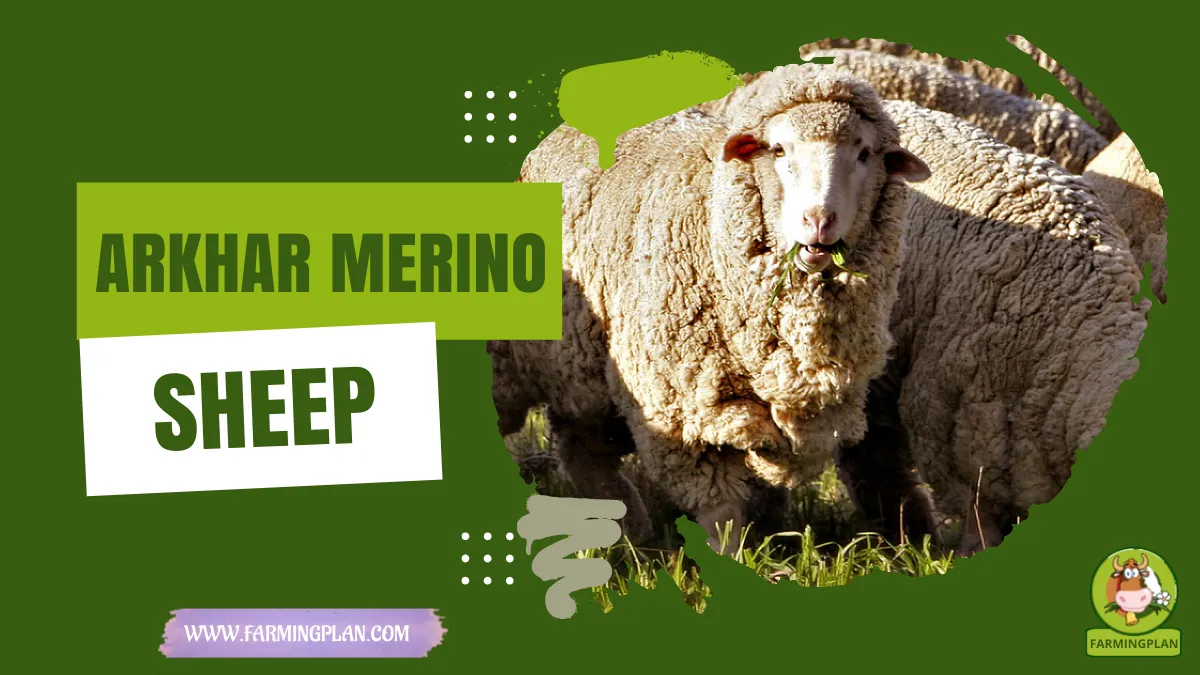
Welcome to my livestock guide! As a passionate farming specialist, I love sharing my personal experience with the incredible Arkhar-Merino sheep. This remarkable animal represents a massive breakthrough in fine wool production and mountain hardiness. Scientists originally developed this breed in Kazakhstan within the former Soviet Union by crossing wild argali rams with domestic Merino-type sheep.
Today, livestock breeders cherish this versatile livestock choice for its dense fleece, robust live weight, and remarkable adaptability to harsh high-altitude climates. Whether you manage a large commercial flock or a modern farm, understanding this unique genotype will revolutionize your livestock strategy.
History & Origin of the Arkhar-Merino Sheep
My journey with livestock breeding taught me that history shapes every great animal. Researchers created the Kazakh Arkhar-Merino in the Alma Ata region during the mid-twentieth century. Specialists at the Kurmektinski research station wanted a durable mountain animal. They combined wild argali mountain rams with domestic Merino ewes. They also incorporated genes from the Rambouillet and North Kazakh Merino lines. This grand breeding program aimed to conquer the freezing winds of the Zailiiskii and Kungei mountains.
The successful experiment created a resilient livestock variety that thrives in extreme transhumance systems. Breeders used careful pedigree selection to lock in superior fleece weight and clean wool yield. Over decades, farms across Central Asian regions adopted these animals. Today, the genetic legacy of this Soviet Merino hybrid inspires animal scientists worldwide. Their historic lineage proves how wild genetics can enhance domestic livestock performance.
Read More: Baladi Red Rabbit Boosts Farming Profits
Characteristics and Physical Traits of Arkhar-Merino Sheep
When you observe an Arkhar-Merino sheep up close, you immediately notice its impressive frame and high-quality wool coat. These animals feature a strong skeleton, deep chest, and strong legs built for steep mountain slopes. Rams carry bold, coiled horns that reflect their wild argali heritage, while most ewes remain polled. Their thick fleece covers the body evenly, providing reliable protection against bitter alpine cold.
| Physical Attribute | Average Measurement / Description |
| Male Live Weight | 90 kg – 115 kg |
| Female Live Weight | 55 kg – 65 kg |
| Fleece Staple Length | 7 cm – 10 cm |
| Wool Fineness | 60s – 64s Quality Grade |
| Clean Wool Yield | 50% – 55% |
The wool quality stands out in any shearing shed. Fiber diameter stays fine and consistent, producing a desirable staple with excellent elasticity. They display clean white fleece colors with optimal natural wool fat, which protects the fibers from moisture. Their strong carcass traits and good internal fat balance also ensure great overall meat value alongside fine wool output.
Temperament and Nature of Arkhar-Merino Sheep
In my years on the farm, I found these animals exceptionally alert and highly energetic. The wild argali lineage gives them a natural instinct to stay together in tight flocking formations. They navigate rocky terrain with incredible agility, making them ideal for high-altitude pastures. While they retain a cautious nature, regular gentle handling makes them calm around human caretakers.
These Arkhar-Merino Sheep adapt quickly to routine management and respond well to voice cues during herd movements. They display strong mothering instincts, protecting their newborn lambs from harsh wind and outdoor risks. Their high mountain hardiness means they handle sudden weather changes without panicking. Farmers love their balanced nature because they combine wild alertness with domestic cooperative behavior.
Nutrition, Food, and Diet Guidelines for Arkhar-Merino Sheep
Feeding your flock correct rations ensures top fleece growth and strong body weight. These active foragers thrive on mountain grasses, shrubs, and native pasture plants. However, supplemental feed keeps them in peak condition during winter months when pastures freeze. I recommend balancing roughage with quality grains to maintain their energy needs.
Daily Flock Diet Plan:
├── Quality Native Pasture / Mountain Forage (70%)
├── Alfalfa or Clover Hay Roughage (20%)
└── Grain Energy Concentrate + Mineral Supplement (10%)
Never offer moldy hay or dusty feed, as dirty forage damages their delicate digestive systems. Provide clean, fresh water at all times because hydration directly impacts wool growth and milk production. Always place mineral blocks containing selenium, salt, and zinc in their feeding area. Proper nutrition prevents internal fat loss and keeps your flock healthy through changing seasons.
“Proper Selection And Great Care Transform Your Farm Breed Into Pure Gold.”
Usage and Farming Purpose of Arkhar-Merino Sheep
This multi-purpose breed serves as a dual-profit asset for commercial producers. Farmers primary raise them for high-value fine wool that textile mills love. Their dense fleece produces top-grade garments, thermal outerwear, and luxurious yarns. The strong staple strength and high clean yield make their shearing harvest very profitable.
Beyond wool production, these animals offer excellent meat yields. Their solid conformation and growth performance yield high-quality carcass cuts with good fat distribution. Breeders frequently use them in crossbreeding programs with breeds like Corriedale or Rambouillet to pass down hardiness. Their ability to produce wool and meat on minimal mountain feed makes them ultimate low-cost livestock choices.
Special Features and Rare Traits of Arkhar-Merino Sheep
The most amazing feature of this breed is its wild-domestic hybrid origin. Scientists successfully bridged the genetic gap between wild argali and domestic finewool breeds. This rare combination created an animal that tolerates severe mountain cold while growing ultra-fine Merino wool. Their hooves are extra hard, naturally resisting hoof rot even on damp ground.
Another impressive trait involves their exceptional lambing rate under rugged conditions. Ewes display remarkable milk production, raising strong lambs in rough outdoor environments where other breeds fail. Their natural wool fat shields the skin from severe snowstorms and heavy rain. These unique strengths make them legendary across Central Asian mountain farms.
Health Issues and Preventive Care for Arkhar-Merino Sheep
Maintaining flock health requires active care and routine daily observation. Like all finewool animals, they face risks from internal parasites if you manage pastures poorly. Lungworms and stomach worms can reduce live weight and weaken fleece strength. I use regular fecal checks and rotational grazing to stop parasite cycles naturally.
- External Parasites: Shearing on schedule prevents wool maggots and lice infestations in thick fleece.
- Hoof Maintenance: Trim hooves twice a year to maintain proper balance and stop infections.
- Vaccination Routine: Administer core vaccines for enterotoxemia and tetanus before spring grazing.
- Pasture Checks: Monitor pastures for toxic weeds that cause liver damage or digestive blockages.
Keep a clean shelter available during heavy downpours to prevent pneumonia. Check fleece staple density regularly to spot skin irritation early. Simple preventive steps protect your financial investment and ensure long-term flock productivity.
Step-by-Step Farming Guide for Arkhar-Merino Sheep
Raising these mountain champion animals requires structured planning, proper setup, and efficient daily management. I designed this practical step-by-step framework to help you establish a successful fine-wool production system on your farm. Follow these proven methods to maximize your livestock health and yearly fleece yield.
Step 1: Shelter Setup and Site Preparation
You must build a sturdy, dry shelter that shields your animals from high winds and excessive moisture. Ensure the barn features excellent cross-ventilation to prevent respiratory issues caused by trapped ammonia fumes. Provide at least twenty square feet of floor space per adult animal to avoid overcrowding. Use well-drained gravel foundations topped with fresh wood shavings or clean straw bedding. Install secure perimeter fencing that deters wild predators while allowing easy flock movement.
Step 2: Selecting Quality Foundation Breeding Stock
Selecting high-grade seedstock forms the basis of your entire farm success. Inspect prospective rams for strong bone structure, broad chests, and deep body conformation. Examine the fleece closely for uniform fiber fineness, bright color, and good staple density across the entire body. Avoid animals with structural foot defects, irregular jaws, or thin coats. Always review pedigree records to confirm high lambing rates and superior historical fleece weights in the family line.
Step 3: Nutrition Planning and Seasonal Pasture Management
Establish a rotational grazing system that divides your pasture into smaller paddocks for maximum forage efficiency. Move the flock every seven to ten days to let grazed fields recover and reduce parasite buildup. Supplement native pasture with rich alfalfa hay during late gestation and winter weather. Provide specialized mineral mixes rich in trace minerals to encourage optimal fiber growth. Always maintain access to fresh water troughs equipped with freeze-proof heaters during winter months.
Step 4: Breeding Program Execution and Lambing Care
Schedule your breeding season so lambs arrive during mild spring weather when pasture growth begins. Keep a strict ram-to-ewe ratio of one adult ram for every thirty to forty ewes. Monitor pregnant ewes closely during late gestation, increasing their nutrient intake to support healthy fetus development. Prepare clean, draft-free lambing pens equipped with heat lamps for cold nights. Ensure newborn lambs receive vital colostrum within their first six hours of life.
Step 5: Fleece Harvesting and Professional Shearing Management
Schedule shearing once a year during warm spring months before heavy summer heat sets in. Keep animals off feed and water for twelve hours prior to shearing to keep them comfortable and clean. Hire an experienced shearer who removes the fleece in one complete, undamaged piece. Sort and skirt the wool immediately, removing dirty edges and foreign pasture debris. Pack clean raw fleeces tightly in specialized breathable wool bags for storage and sale.
Read More: American Foxhound Dog Secrets For Happy Owners
Expert Tips and Best Practices for Arkhar-Merino Sheep Farming Success
- Rotate pastures frequently to cut down parasite growth without overusing chemical dewormers.
- Tag and track every lamb using individual ear tags to build accurate family pedigree records.
- Inspect wool fat levels during spring to ensure maximum weather protection for outdoor flocks.
- Provide clean mineral blocks containing zinc to promote healthy skin and strong fleece fibers.
- Group animals by age and production stage to deliver precise feed rations every day.
- Keep detailed records on live weight gain and clean fleece yield for continuous herd improvement.
FAQs
What makes the Arkhar-Merino sheep different from other Merino breeds?
This specialized breed combines wild argali mountain ram genetics with domestic Merino ewes. This unique mix gives them incredible mountain hardiness, larger body size, and superior adaptability to extreme cold, alongside fine wool production.
Where did the original Arkhar-Merino Sheep line originate?
The classic Merino lineage originated in Spain during the Middle Ages, where breeders developed ultra-fine wool traits. Kazakh scientists later crossed Merino lines with wild argali to create the tough Arkhar-Merino sheep.
What type of wool does an Arkhar-Merino sheep produce?
They produce high-grade fine wool with a staple length of 7 to 10 centimeters. The fleece features strong fiber elasticity, bright white color, and excellent clean wool yield for commercial mills.
How much weight can an adult Arkhar-Merino Sheep ram reach?
A healthy adult ram weighs between 90 and 115 kilograms depending on diet and pasture conditions. Females typically weigh between 55 and 65 kilograms at full maturity.
Can Arkhar-Merino sheep thrive in lowland farm environments?
Yes, they adapt well to lowland pasture management systems provided you give them dry shelter and good forage. However, their physical traits excel most in hilly or mountainous high-altitude regions.
Conclusion
Raising Arkhar-Merino sheep offers an extraordinary opportunity to combine top-quality fine wool production with remarkable livestock hardiness. These brilliant animals deliver strong live weight gains, excellent adaptability, and rich fleece harvests even on rugged terrain. By implementing proper shelter, smart pasture rotation, and targeted nutrition, you can build a highly profitable flock. I encourage you to take the next step in improving your agricultural enterprise today! What are your thoughts on integrating mountain breeds into your current livestock operations? Share your ideas, leave a comment below, and pass this guide along to fellow farmers! Discover amazing Arkhar-Merino sheep traits, breeding secrets, and care methods to boost your farm wool yield today!