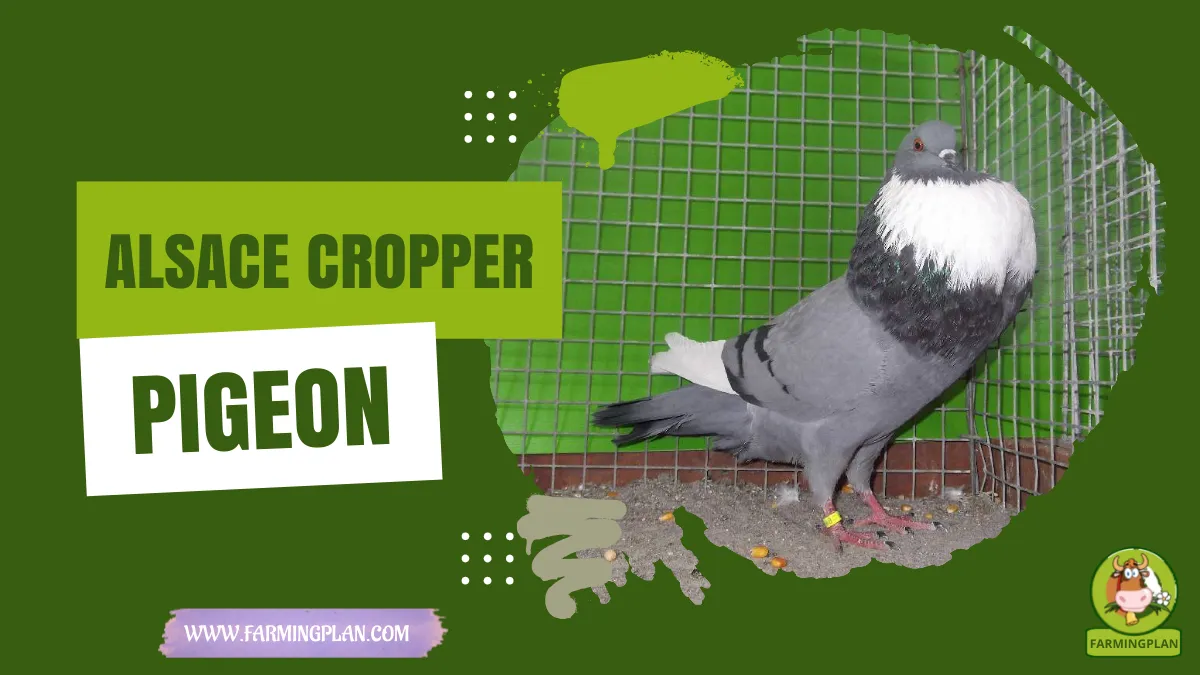
As a passionate bird specialist, I love showing off the remarkable Alsace Cropper Pigeon to curious hobbyists. This majestic bird originates from France and belongs to the famous family of fancy pigeons (Columba livia domesticus). Many breeders know this species as Boulant d’Alsace or Elsässer Kröpfer. It stands out immediately because of its tall upright posture and impressive inflated crop.
Fanciers across the globe love its distinctive crescent-shaped apron called a bavette blanche on its throat. When you watch this fancy pigeon strut around the loft, its regal charm captures your heart instantly. Whether you want an impressive bird for exhibition or a lively new friend for your loft, this cropper breed delivers delight every single day.
History & Origin of the Alsace Cropper Pigeon
My fascination with these birds grew deeper once I explored their rich historical roots in Europe. The Alsace Cropper Pigeon originated in the historic Alsace region near Haguenau and Wissembourg. Local farmers in France developed this domestic pigeon from basic Rock Pigeon stock (Columba livia) over generations of selective breeding. They wanted a bird that possessed strong foraging ability alongside beautiful ornamental qualities. Over time, German fanciers across the border discovered these birds and helped refine their standard presentation.
Historical records show these pigeons lived happily around traditional farm buildings, barns, and city ledges. They shared traits with other pouter pigeon types like the Hessian Pouter, Aachen Cropper, and Dutch Cropper. Breeders carefully selected for a long neck, muscular body, and distinctive crop size. Today, poultry associations recognize this fancy bird across multiple countries. The breed represents a perfect blend of utility history and modern ornamental elegance.
Read More: Armenian Marder Rabbit Ultimate Care and Breeding Guide
Characteristics of Alsace Cropper Pigeon
When you inspect an Alsace Cropper Pigeon up close, its dramatic posture grabs your attention right away. This bird displays a sleek, upright presentation that makes it look proud and confident. Its most famous feature is the large crop that it inflates during courtship displays. A bright white crescent-shaped apron marks its throat area, creating a striking contrast against its body feathers.
These birds come in several gorgeous color variations that blow me away. You will find solid Black, Ash Red, Checker, Dilute, Almond, and Recessive Red patterns. Their smooth, ornamental feathering stays tight against their muscular body, giving them an athletic shape. Their clean legs and expressive eyes make them look very sharp on the exhibition show bench.
| Feature | Standard Alsace Cropper Description |
| Origin | Alsace Region, France |
| Body Stance | Upright presentation, muscular build |
| Crop Style | Large, round inflated crop (gonfler son jabot) |
| Key Markings | White crescent apron (bavette blanche) |
| Common Colors | Black, Ash Red, Checker, Dilute, Almond, Recessive Red |
Nature, Temperament, and Handler Compatibility
Working with the Alsace Cropper Pigeon always brings a smile to my face because of its lively personality. Male birds show off constantly by inflating their crops, cooing loudly, and strutting around their mates. Despite their dramatic courtship rituals, these pigeons remain remarkably calm around human handlers. They build trust quickly when you handle them gently during daily farm routines.
These birds fit perfectly into mixed lofts alongside other gentle breeds like the English Carrier, Giant Homer, or Chinese Owl. Beginners and experienced breeders alike appreciate their friendly nature. They rarely show aggressive behavior toward their loft mates or owners. If you give them regular attention and a quiet environment, they become wonderfully tame pets that welcome your presence every morning.
Food & Diet Guidelines for Alsace Cropper Pigeon
Feeding an Alsace Cropper Pigeon requires a balanced mix of quality grains to maintain its energetic lifestyle. I always provide a clean commercial standard poultry feed mix containing corn, wheat, peas, and sorghum. These grains give them the carbohydrates and proteins they need to build muscle and produce rich feathers. You can also offer small seeds during molting season to keep their plumage shiny.
Never feed your pigeons salty snacks, bread, avocado, or spoiled seeds, as these cause severe stomach distress. Clean water remains the most crucial part of their daily diet. Make sure you supply fresh, clean water in deep drinking fountains every single day. I always add grit and insoluble calcium to their feeding stations so they digest whole seeds properly and lay strong eggs.
Usage and Purpose in Alsace Cropper Pigeon
Throughout my years in aviculture, I have seen people keep the Alsace Cropper Pigeon for many rewarding reasons. Historically, small farm owners appreciated their meat qualities (qualités de chair) alongside their stunning ornamental qualities (qualités ornementales). Today, however, almost all fanciers raise them as show birds or cherished pets. Their striking display posture makes them real stars at local and international fancy pigeon exhibitions.
Beyond show rings, these birds serve as fantastic additions to backyard lofts and hobby farms. Their strong foraging ability and high production rate mean they breed reliably when provided with good care. Many hobbyists keep them simply to enjoy their mesmerizing inflated crop displays and relaxing cooing sounds. They bring color, motion, and life to any home aviary setup.
“Pigeon Breeding Rewards Everyday Dedication With Incredible Beauty.”
Special Features of Alsace Cropper Pigeon
The Alsace Cropper Pigeon boasts several unique traits that set it apart from typical backyard birds. Its most famous ability is gonfler son jabot—the talent to inflate its crop with air into a round sphere. Combined with its signature white neck apron, this display creates an unforgettable sight during breeding season. Another impressive quality is their resilient constitution and adaptive nature.
Unlike delicate exotic birds, these pigeons handle cold European winter climates without hassle. They inherit strong instincts from their wild cliff-nesting ancestors, allowing them to thrive in barn lofts, wooden lofts, or outdoor aviaries. Their combination of physical beauty, hardiness, and affectionate temperament makes them truly special.
Health Issues, Symptoms, and Preventive Care of Alsace Cropper Pigeon
Keeping your birds healthy requires constant watching and good loft hygiene. Like all domestic pigeons, this breed can catch common avian illnesses if their living area becomes damp or dirty. Respiratory infections, trichomoniasis (canker), and pigeon pox represent the most common threats to your flock. You should always inspect your birds daily for unusual lethargy, watery eyes, or dirty feathers.
Prevention remains far easier than treatment when managing a healthy pigeon loft. Keep your aviaries dry, clean, and well-ventilated to stop bacterial growth. Provide fresh bedding, scrub water fountains weekly, and quarantine any new birds before adding them to your main flock. Regular parasite treatments for lice and mites will keep your birds comfortable and vibrant year-round.
Pro Tip: Keep your loft bone-dry! Moisture breeds bacteria faster than anything else in a pigeon setup.
Step-by-Step Care Guide for Alsace Cropper Pigeon
Raising these magnificent crop-inflating pigeons requires a thoughtful approach to housing, feeding, and daily maintenance. I built my own care routine over decades of trial and error on the farm. Below, I break down the exact process you need to follow to set up a successful loft and raise thriving, happy birds.
Step 1: Designing and Constructing the Ideal Loft Space
Building a proper shelter forms the foundation of all successful pigeon keeping. Your loft needs strong wooden walls, solid roofing, and secure wire mesh to keep out predators like raccoons, rats, and hawks. Elevate the loft floor at least one foot off the ground to prevent moisture buildup and discourage rodents. Ensure the building catches plenty of morning sunlight while protecting your flock from harsh winds.
You must provide at least four square feet of floor space per bird so they do not feel crowded. Install wide perches at various heights along the walls to support their upright stance. Ventilation plays a huge role here, so install wire-covered vents near the roof line to allow fresh air to flow freely without creating cold drafts on sleeping birds.
Step 2: Setting Up Nesting Areas and Breeding Boxes
Creating comfortable breeding spaces ensures your birds feel safe enough to raise strong, healthy chicks. Place spacious double-section nest boxes along the quietest wall of your loft. Each section should measure at least two feet wide to give the parents plenty of room to care for their squabs without squishing them.
Line each nest box with removable plastic or earthenware nest bowls filled with coarse pine shavings or dried straw. Provide extra nesting material, like short twigs and dried grass, in a clean corner rack so males can collect items for their mates. Keep these nesting areas dry and clean by removing old droppings and replacing soiled bedding every week.
Step 3: Establishing Daily Feeding and Hydration Routines
Consistent feeding schedules keep your flock calm, energetic, and healthy. Serve a high-quality commercial grain mix twice daily—once in the morning and once in the late afternoon. Offer only as much feed as your birds can finish in twenty minutes, then remove the remaining grain to avoid attracting wild rodents.
Position deep drinking fountains above floor level so droppings cannot contaminate the water supply. Change the water completely every morning, and scrub the containers with hot water and organic vinegar once a week. Never let your birds run out of clean grit, which they need to grind up whole grains inside their gizzards efficiently.
Step 4: Maintaining Grooming, Bathing, and Feather Care
Providing regular bath opportunities keeps your birds’ ornamental feathering clean, vibrant, and free of dust. Place a shallow plastic tray filled with two inches of clean, cool water in the outdoor flight cage twice a week. Pigeons love splashing around in fresh water, especially on warm, sunny mornings.
Add a tiny pinch of bath salts or natural apple cider vinegar to the water to clear away feather dust and deter external pests. Always discard the bathwater after an hour so the birds do not drink dirty water. During their annual fall molt, supplement their diet with extra oil seeds like sunflower or flax to support strong new feather growth.
Step 5: Implementing Routine Health Monitoring and Hygiene
Daily observation helps you catch minor health issues long before they turn into serious loft-wide emergencies. Spend ten minutes every morning watching your birds interact, eat, and fly around the aviary. Healthy birds appear alert, preen regularly, hold their wings tight against their bodies, and produce firm, well-formed droppings.
Establish a strict weekly hygiene routine by scraping down perches, sweeping the floors, and replacing dirty bedding materials. Quarantine any bird that shows signs of drooping wings, fluffed feathers, or breathing trouble immediately in a separate cage. Work closely with an experienced avian veterinarian to schedule regular health checks and routine vaccinations.
Read More: Beijing Black Pig: Ultimate Breeding Guide
Expert Tips & Best Practices for Alsace Cropper Pigeon
- Use Proper Leg Bands: Always place official seamless aluminum leg bands on young chicks when they reach seven to ten days of age for easy identification.
- Keep Precise Pedigree Records: Track your breeding pairs, egg dates, hatch dates, and color outcomes in a detailed loft logbook to preserve line quality.
- Optimize Loft Ventilation: Keep fresh air moving constantly near the top of your loft without allowing cold floor drafts to blow directly on resting birds.
- Offer Mineral Blocks: Provide mineralized grit blocks alongside standard gravel so laying hens receive adequate calcium for strong eggshells.
- Train for Exhibition Early: Place prospective show birds in individual training cages for short periods so they adapt calmly to judges and show environments.
FAQs
What is an Alsace Cropper Pigeon?
An Alsace Cropper Pigeon is a domestic fancy pigeon breed from France known for its upright posture and large, air-inflated crop. Fanciers showcase these beautiful birds across the world for their striking looks and calm personality.
How do you take care of an Alsace Cropper Pigeon?
You take care of this breed by providing a dry, predator-proof loft with good ventilation, double nest boxes, and clean perches. Feed them a balanced grain mix twice daily, supply fresh water, and offer mineral grit constantly.
Can Alsace Cropper Pigeons fly well?
Yes, these pigeons can fly reasonably well around their home loft or inside a large flight cage. However, their inflated crops make them less agile than wild pigeons or homing racers, so keep them enclosed for safety.
What do Alsace Cropper Pigeons eat?
They eat a standard pigeon grain blend containing field peas, corn, wheat, sorghum, and safflower seeds. They also require fresh water, mineral grit, and calcium supplements to maintain strong bones and healthy digestion.
Are Alsace Cropper Pigeons friendly pets?
Yes, these fancy pigeons have very calm, docile temperaments that make them wonderful pets for families and hobbyists. They quickly grow comfortable around human handlers when raised with gentle daily attention.
Conclusion
Raising the Alsace Cropper Pigeon offers a rewarding journey into the world of fancy aviculture. These striking birds combine a rich French heritage, stunning color variations, and a captivating inflated crop display that never fails to amaze. Caring for them brings daily joy, whether you want to win show ribbons or simply enjoy their friendly cooing around your backyard loft. With a dry home, clean water, and wholesome grains, your flock will flourish for years. If you want to elevate your aviary experience, pick up your tools, build a loft, and join our passionate community of pigeon fanciers today!