Sanga cattle offer amazing benefits for modern farm operations across tough environments. I have worked with livestock for over fifteen years, and these animals constantly amaze me with their incredible resilience and productivity. As an ancient hybrid group, Sanga cattle combine the best genetic traits of African taurine ancestors and Zebu humped cattle. This unique combination gives them exceptional heat-tolerance, strong immunity against tick-borne diseases, and great performance on harsh grazing grounds.
Whether you look into Sanga cattle origin stories or search for the best African cattle breeds, these animals stand out as true powerhouses. In this guide, I will share my hands-on experiences regarding Sanga cattle milk potential, unique characteristics, and daily management techniques. You will learn how to care for breeds like the Nguni, Afrikaner, and Bonsmara while avoiding common operational mistakes. Let us dive right into the rich history, genetics, and practical care steps for these magnificent animals!
History & Origin of Sanga Cattle
The story of these animals begins thousands of years ago in eastern and southern Africa. Early cattle herders brought humpless Bos taurus taurus strains into contact with humped Bos indicus cattle, often called Zebu African cattle. Through natural selection and intentional herding by indigenous communities like the Khoi people, a unique genetic composition emerged. Scientists use single nucleotide polymorphism testing, principal component analysis, SNP data, and microsatellite markers to analyze these animals today. Studies in journals like Genet Sel Evol show that genetic drift and admixture analysis confirm this ancient taurine-indicine blend.
Tracing Ancient Roots and Genetic Lineages
I remember visiting historical pastures where Nilotic Sanga cattle thrived under tough conditions without artificial support. Early pastoralists relied on these herds for survival because the cattle adapted so well to local parasites and severe droughts. Over centuries, distinct Southern African sangas developed, including popular breeds like the Afrikaner, Drakensberger, and Nguni. European taurine introductions later interacted with local herds, leading to composite breeds like the Bonsmara. Understanding this deep lineage helps us appreciate why these humped African cattle remain so tough today.
Read More: Bantu Pig Secrets Unleashed: Farming Business From Scratch
Characteristics of Sanga Cattle
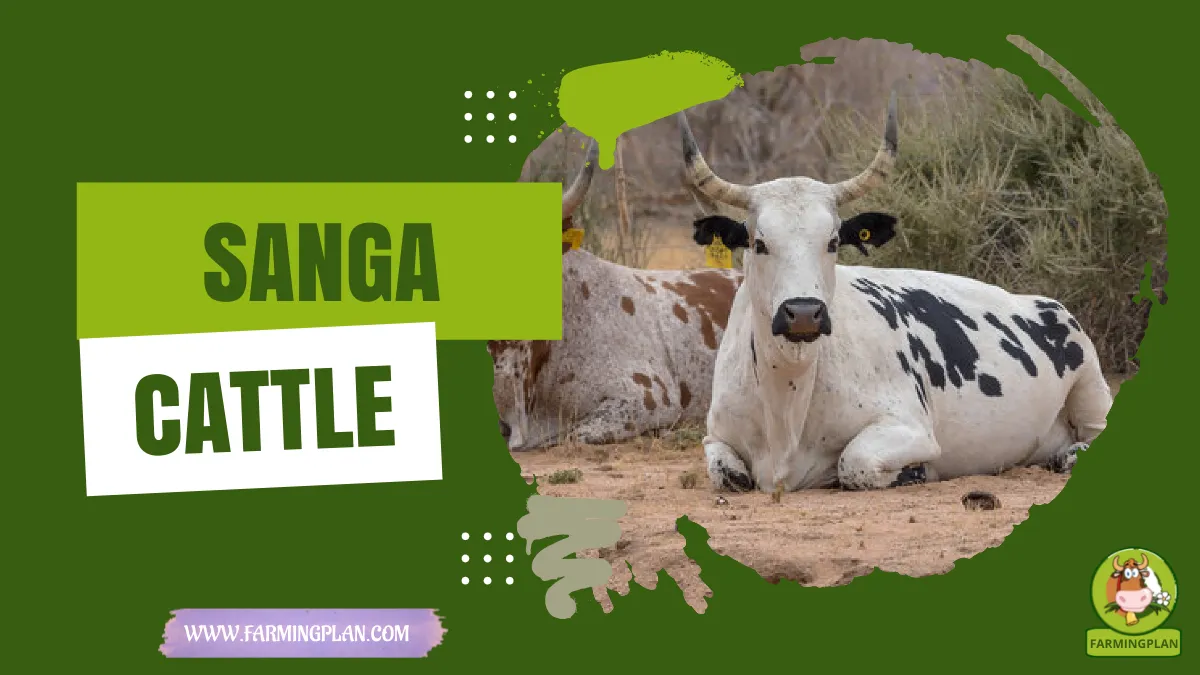
When you view a herd of these animals, you will notice their striking appearance right away. Most sanga types display medium-sized bodies, slender legs, and small to medium cervico-thoracic humps. Their horns vary dramatically depending on the specific breed type you inspect. For example, Watusi cattle grow massive, sweeping horns, while Arado and Nguni cattle show elegant lyre-shaped horn patterns. Their hides feature rich color variations ranging from solid red and brown shades to intricate spotted patterns.
Understanding Key Traits, Features, and Coat Patterns
Their skin is loose and dark-pigmented, which provides fantastic protection against intense sunlight and heat stress. I love watching these cows move through dense brush because their tough hides resist thorn scratches easily. Their hooves are hard and small, which prevents foot rot and helps them walk long distances across rocky ground. These physical adaptations lower veterinary costs and make daily herd management much easier for farmers.
Nature and Temperament of Sanga Cattle
Working with these cows on a daily basis is a rewarding experience if you respect their natural instincts. Most Sanga cattle possess a calm, alert, and docile temperament when you handle them with gentle methods. They show strong maternal instincts, and cows will fiercely protect their young calves from wild predators. I always advise new herders to walk slowly around mothers with newborn calves to maintain a peaceful environment.
Evaluating Behavioral Traits for Easy Handling
These animals form close social bonds within the herd structure, which makes group driving very smooth. Unlike wilder Zebu breeds, Sanga cattle respond quickly to vocal commands and regular routine handling. They adapt well to smallholder farms, open rangelands, and even commercial feedlots without showing high stress levels. Their balanced nature saves you time, prevents fence damage, and keeps farm workers safe during health checks.
Food and Diet of Sanga Cattle
Providing proper nutrients ensures your livestock maintain good body condition and high fertility rates. These cattle excel at converting low-quality forage and dry grasses into healthy meat and rich milk. During green summer months, open pasture grazing supplies almost all the nutrients your herd needs to thrive. I routinely test my soil and pasture grass to ensure proper mineral balances throughout the year.
Feeding Guidelines for Maximum Growth and Health
During dry winter periods or severe droughts, you must supplement their natural diet with essential minerals and protein blocks. Provide clean drinking water at all times, as an adult animal drinks up to fifteen gallons daily during warm weather. Avoid overfeeding heavy grain rations because these efficient converters can develop metabolic issues on overly rich diets. Keep their feeding troughs clean and inspect hay bales for mold before distribution.
“A Balanced Diet With Clean Water Keeps Your Livestock Strong Through Every Season.”
Usage and Farm Purpose of Sanga Cattle
Farmers utilize these versatile animals for multiple agricultural purposes across different climate zones. They produce high-quality beef with exceptional marbling, low external fat layers, and tender muscle structure. Commercial operators often cross purebred cows with breeds like Hereford, Simmentaler, or Brangus to produce top-tier market calves. Their carcasses yield excellent dressing percentages, making them highly popular among commercial butchers and meat processors.
Maximizing Beef, Milk, and Draft Utility
While dairy specialists prefer high-yielding breeds, Sanga cattle milk offers high butterfat content and great nutritional value for small households. These cows produce enough milk to raise heavy calves while still providing extra fresh milk for your family. Furthermore, their strong bones and patient nature make them excellent draft animals for pulling carts and plowing fields. Many livestock owners also show unique breeds like the Watusi in exhibitions due to their magnificent appearance.
Special Features of Sanga Cattle
The biological features of this cattle family set them far apart from standard European livestock varieties. Their natural resistance to ticks, internal parasites, and fly strikes saves livestock owners thousands of dollars annually. They possess specialized sweat glands and short coat hair that reflect sunlight and dissipate body heat efficiently. I rarely see my animals panting or seeking shade on scorching summer days when temperatures rise.
Unlocking Unique Biological Advantages
Another special feature involves their efficient digestive system, which extracts maximum nutrients from dry, fibrous plants. Their long lifespan allows cows to stay productive and drop healthy calves well past fifteen years of age. They also walk long distances without losing significant body weight or suffering from foot soreness. These unique qualities ensure your farm stays profitable even when weather patterns become unpredictable.
Health Issues and Prevention of Sanga Cattle
Even though these animals possess strong immune systems, preventative healthcare remains vital for overall farm success. Parasites like ticks can still transmit diseases like redwater or heartwater if tick populations grow out of control. I establish a regular dipping or pouring schedule during peak tick seasons to keep parasite numbers low. Vaccinate your herd annually against quarter evil, anthrax, and brucellosis to maintain strong herd health.
Protecting Your Herd from Common Diseases
Inspect your cows daily for signs of illness such as lethargy, watery eyes, or sudden weight loss. Early detection allows you to treat minor health issues before they spread to other herd members. Keep your quarantine pens clean and isolate any newly purchased animals for thirty days before joining the main herd. Working closely with a qualified veterinarian keeps your herd safe and free from dangerous disease outbreaks.
Step-by-Step Farming Guide of Sanga Cattle
What are your thoughts on raising resilient African cattle breeds? Leave a comment below, share this guide with your fellow farmers, or contact our support team today to join our livestock community!
Mastering Daily Care and Livestock Management
Managing a herd requires planning, patience, and clear operational routines to achieve consistent success on your property. I developed this straightforward guide to help both beginners and experienced farmers set up efficient management systems. Follow these detailed steps to build a healthy, profitable, and low-stress Sanga Cattle operation on your land.
Step 1: Designing Secure Shelter and Pasture Fencing
Proper infrastructure protects your animals from predators, extreme weather, and accidental escapes across property boundaries. Build sturdy perimeter fences using five-strand barbed wire or high-tensile electric fencing materials around all grazing paddocks. Construct shade structures or plant dense tree lines to give your cattle relief during extreme heat waves. Ensure your handling pens feature smooth wooden or steel rails to prevent injuries during sorting and routine treatments. Design wide alleyways and sturdy catch crates so your workers can safely handle animals for vaccinations and checkups.
Step 2: Implementing Rotational Pasture Management
Healthy pasture grass forms the foundation of any low-cost and profitable cattle operation over the long term. Divide your grazing land into smaller paddocks and rotate your herd every few days to prevent overgrazing. This practice allows grazed pastures time to recover, deepens plant roots, and breaks internal parasite life cycles naturally. Monitor pasture height closely and move your cattle when grass reaches four inches to protect soil moisture. Provide clean water troughs in every single paddock so your animals do not pollute natural streams or ponds.
Step 3: Establishing Daily Nutritional and Water Routines
Consistent daily feeding routines keep your Sanga Cattle content, quiet, and growing at steady rates throughout the season. Check water troughs every morning to clear away leaves, algae, or floating debris that reduces clean intake. Place mineral lick blocks containing phosphorus, salt, and trace minerals near water stations for easy access. Feed high-quality grass hay during winter months when natural pasture growth slows down or stops completely. Observe your cattle while they eat to identify shy animals that might need extra feed support.
Step 4: Executing Systemic Health and Parasite Controls
Maintaining high health standards requires a proactive wellness plan tailored to your local climate and pasture conditions. Inspect every animal visually twice a day for cuts, abnormal limps, insect bites, or unusual behavior patterns. Apply approved tick control treatments during warm months when tick activity peaks across your region. Administer recommended deworming treatments twice a year to clear internal parasite burdens from your grazing cattle. Maintain clean dry bedding in calving sheds to prevent scours and respiratory infections in young newborn calves.
Step 5: Managing Breeding, Calving, and Record Keeping
Smart breeding management improves your herd genetics, calf survival rates, and overall market returns year after year. Select bull lines with strong fertility records, quiet temperaments, and structural soundness for your breeding group. Keep breeding seasons structured so your cows drop calves when spring pastures offer abundant green forage. Ear-tag newborn calves immediately and record their birth weights, mother IDs, and birth dates in your farm ledger. Cull unproductive cows or those with bad temperaments to keep your overall herd quality consistently high.
Read More: Buff Back Goose: Nature’s Golden Elegance Soars!
Expert Tips and Best Practices of Sanga Cattle
Professional Advice for Herd Growth
- Handle your Sanga Cattle quietly without loud shouting or whips to keep their stress levels low.
- Inspect hoof conditions regularly to catch minor foot injuries before infection sets in.
- Test your pasture soil every two years to correct mineral deficiencies through proper fertilization.
- Provide plentiful salt licks to improve digestion and keep your cattle drinking adequate water.
- Select replacement heifers from your most fertile and disease-resistant mother cows.
- Keep detailed financial records to track feed costs, veterinary expenses, and calf sales accurately.
- Build strong relationships with local livestock vets to handle emergency health situations quickly.
FAQs
What makes Sanga cattle different from Zebu cattle?
These cattle originate from a cross between humpless African taurine and humped Zebu ancestors. They feature smaller cervical humps and different horn shapes compared to pure Bos indicus Zebu breeds. Their unique genetics give them great disease resistance while maintaining a very calm temperament.
Are these cattle good for commercial beef production?
Yes, these animals excel in commercial beef production systems due to their low input costs and high adaptability. Producers often cross them with European breeds to raise fast-growing calves with excellent carcass yields. Their meat is lean, flavorful, and popular among meat consumers.
How much milk does a Sanga cow produce daily?
A typical cow produces three to six liters of milk per day alongside nursing her growing calf. While this volume is lower than specialized dairy breeds, the milk features high butterfat and rich nutrient levels. This production suits smallholder farmers who need family milk and strong calves.
Can these cattle survive in cold climates?
These animals adapt well to varying weather conditions, including chilly highveld winters and hot summer climates. They grow thicker coats during cold months to protect themselves from icy winds and low night temperatures. Providing basic windbreaks and adequate winter forage ensures they stay healthy in cold weather.
Why do farmers choose breeds like the Nguni or Afrikaner?
Farmers choose these breeds because they require minimal veterinary intervention and thrive on low-quality natural veld. Their natural resistance to ticks, strong mothering instincts, and long lifespan maximize farm profits. They offer a reliable, low-maintenance choice for sustainable livestock farming operations.
Conclusion
Choosing the right livestock breed transforms your agricultural operations by lowering costs and boosting overall farm output. Sanga cattle provide the ultimate combination of disease immunity, heat resilience, and efficient feed conversion across difficult grazing environments. By following proper rotational grazing practices, maintaining clean water systems, and executing consistent health checks, you ensure long-term herd success. These historic animals carry a rich genetic heritage that continues to empower sustainable farming operations worldwide. I encourage you to explore these amazing breeds and consider adding them to your homestead or farm. Learn everything about Sanga cattle origins, milk production, and care tips from an experienced farming specialist today!