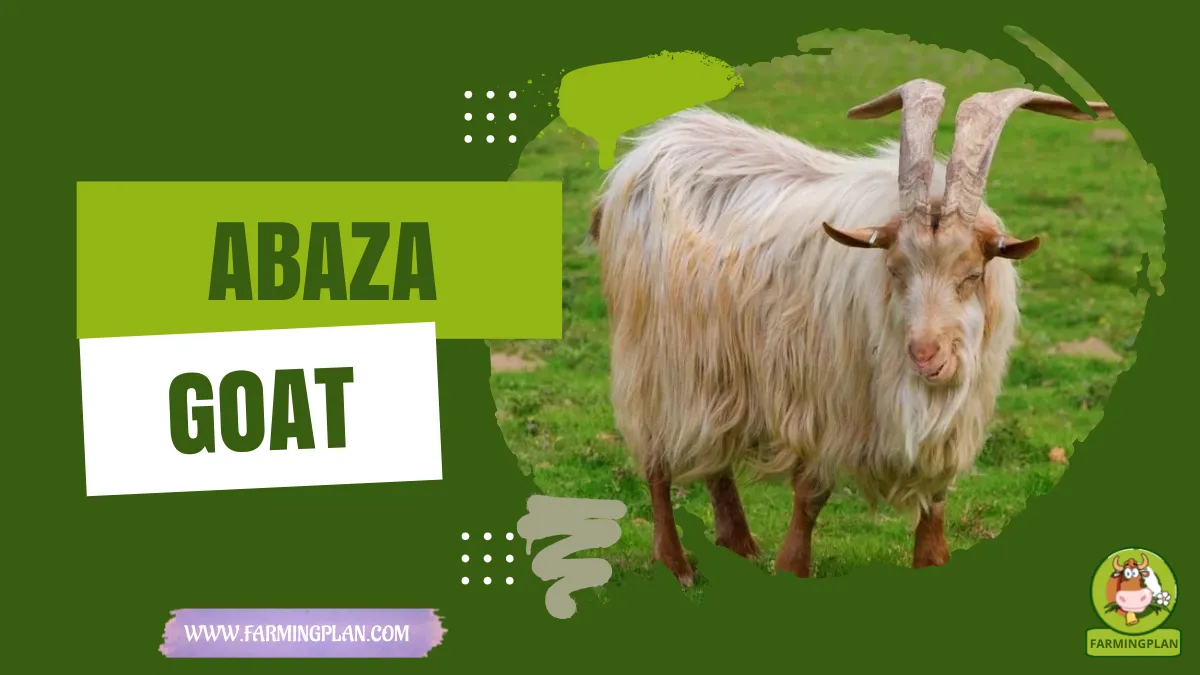
The Abaza goat is a remarkable, hardy breed that brings incredible value to any small homestead or commercial farm. As an experienced farming specialist, I love sharing my personal hands-on experience with these versatile animals. Native to the historical Caucasus region and widely raised in Turkey, these domestic livestock resources offer remarkable adaptability to tough environments.
In this guide, I will walk you through their physical traits, dietary requirements, health needs, and practical care steps. You will learn why this dual-purpose domestic animal stands out among popular goat breeds like the Saanen, Nigerian Dwarf, Alpine, and Boer. Let us dive right in and explore how this wonderful animal can transform your farming experience today.
History & Origin of the Abaza Goat
The rich historical background of these unique goats connects deeply with the rugged landscapes of the Greater Caucasus and the Caucasus-Black Sea coastline. Historical records show that the Abkhazian and Adyghe peoples, alongside ancient Neolithic farmers, carefully selectively bred these domestic animals over centuries. The breed takes its name from the Abaza people, who cultivated deep traditions in animal husbandry, cattle breeding, and mountain dairying. These local communities developed livestock that could easily endure severe winter conditions and steep mountain topographic obstacles.
Throughout major regional shifts, including the era of the Abkaz-Abaza statehood and the turbulent Caucasian War, these goats remained essential to local survival. Shepherds moved their herds across the Kuban basin, relying on these animals for fresh milk and meat production. Unlike modern high-output goats bred purely in high-tech facilities, this ancient lineage developed through natural selection and practical homestead use. Today, conservation value efforts help protect their genetic purity against heavy inbreeding and modern crossbreeding pressures. Understanding this deep history gives us a wonderful appreciation for their incredible resilience and calm nature on our farms.
Read More: Cattle Diseases: Essential Health Strategies for Raising Vital Herds
Characteristics of the Abaza Goat
When you look at this mountain goat relative, you instantly notice its well-balanced, medium-sized body and distinct morphometric characteristics. They possess a sturdy skull, a strong ramus mandibulae, precise premolar teeth alignment, and a solid physical frame designed for climbing. Their coat colors usually display lovely white, cream, or light grey shades, often featuring subtle coloured markings along the legs or face. Most animals feature short hair that thickens naturally during cold months to protect them from harsh freezing weather.
Both bucks and does carry strong, swept-back goat horns that help them clear thick brush and defend against natural predators. Their well-developed udders offer great udder quality and proper teat placement, which makes hand-milking or machine-milking very convenient. Unlike heavy meat breeds like the Boer or tall dairy breeds like the LaMancha and Toggenburg, they maintain a moderate build. Their nimble feet allow them to walk easily on rocky terrain where heavier ungulates frequently struggle. These distinct physical traits make them both beautiful to look at and exceptionally easy to manage on rugged land.
Temperament and Behavior Profile of the Abaza Goat
I always tell new handlers that managing these animals is a total joy due to their gentle, inquisitive nature. They show a remarkably calm disposition around human handlers, making them friendly partners for small homesteaders and young children. Unlike wild Siberian ibex or high-strung show stock, they adapt quickly to daily barn routines and quiet milking setups. Their pleasant social structure means they get along well with other farm animals, including sheep and poultry.
Their curious nature means they love exploring pasture boundaries, so you must install good fencing to prevent escape attempts. Does demonstrate excellent maternal instincts, displaying natural kidding ease and deep affection toward their newborn bucklings and kids. Wethers remain calm and make wonderful pasture companions or vegetation management workers across overgrown fields. When you establish a daily routine with clear calls and small treats, these smart animals follow your lead without any resistance.
Food, Nutrition, and Feeding Guidelines of the Abaza Goat
Proper nutrition keeps your herd healthy, active, and productive throughout every single season of the year. These adaptable grazers thrive on native grasses, shrubs, woody plants, and deep mountain forage that other farm animals ignore. You should provide unlimited access to clean pasture grass alongside quality legume or grass hay during dry or cold weather. I always place fresh mineral blocks around the barn so they get vital trace elements like selenium, copper, and zinc.
During active lactation yield periods or heavy winter months, you can supplement their diet with whole grains like barley. Avoid overfeeding heavy starches or rich concentrates, because sudden dietary changes cause painful digestive bloat and metabolic issues. Never allow your herd to graze on poisonous plants like rhododendrons, azaleas, or wilted cherry leaves around farm boundaries. Providing continuous access to clean, fresh water ensures optimal milk production, strong digestion, and smooth metabolic health every single day.
Usage and Purpose on the Farm of the Abaza Goat
This versatile breed shines bright as an exceptional dual-purpose asset for traditional homesteading and modern sustainable farming. Small-scale farmers value them highly because they yield rich milk and tender meat without requiring expensive commercial feeds. Their rich milk possesses high fat and protein levels, making it the perfect primary ingredient for traditional Abaza cheese. This semi-hard cheese carries a wonderful rich flavor that local dairy enthusiasts praise heavily.
Beyond milk and meat, these active foragers play a huge role in natural land clearing and weed control. They happily clear dense brush, invasive briars, and unwanted saplings without damaging topsoil structure like heavy machinery does. Their manure serves as nutrient-rich organic fertilizer for farm garden beds, pumpkins, beans, and field crops. Whether you want a reliable dairy supplier, a steady meat producer, or an eco-friendly land clearer, this breed delivers complete versatility.
Special Traits and Unique Attributes of the Abaza Goat
What truly sets this breed apart from standard commercial options is its impressive climate tolerance and native hardiness. They thrive on poor pastures and steep inclines where standard dairy breeds like the Nubian or Guernsey struggle to survive. Their coat naturally sheds dirt and moisture, while their tough hooves resist foot rot exceptionally well in damp soil. They exhibit natural resistance to common external parasites, reducing the need for constant chemical interventions and expensive treatments.
Another major advantage lies in their outstanding reproductive efficiency and mothering capabilities. Does routinely deliver healthy twins or triplets without requiring complex medical intervention or stressful human assistance. Their long domestic history near the Black Sea created a genetic resilience that holds immense conservation value for future breeding programs. Owning these unique animals connects you directly to centuries of authentic pastoral history while boosting your homestead self-sufficiency.
“True Farming Success Begins With Choosing The Right Livestock Breed For Your Homestead.”
Health Issues and Preventive Care of the Abaza Goat
Keeping your herd healthy requires proactive daily management, clean housing conditions, and regular physical health checks. Like all domestic caprines, they can suffer from internal parasites like stomach worms if you overstock pastures. You should implement rotational grazing practices and perform periodic fecal tests to manage internal worm burdens effectively. Watch out for contagious ecthyma, foot rot, and respiratory issues caused by damp, poorly ventilated barn spaces during winter.
Maintain a simple vaccination schedule that includes protection against enterotoxemia and tetanus for all adult animals and kids. Trim their hooves every six to eight weeks using sharp shears to maintain correct angle structure and prevent lameness. If you need to perform minor surgical or dental procedures, consult a licensed veterinarian who understands caprine anatomy. Always quarantine any new additions for thirty days before introducing them to your main established herd to prevent disease spread.
Step-by-Step Farming Guide for the Abaza Goat
Starting your journey with this breed requires thoughtful preparation, practical knowledge, and proper setup choices. I have designed this comprehensive step-by-step guide to help you build a safe, efficient, and happy environment for your livestock.
Step 1: Secure Barn Facilities and Fencing Setup
Before bringing your first animals home, you must build sturdy housing and install reliable, high-quality perimeter fencing. Construct a well-ventilated shelter that shields your herd from harsh driving winds, heavy rain, and direct burning sun. Use woven wire fencing at least four feet tall, reinforced with strong wooden or steel corner posts throughout. Ensure all barn gates latch securely so your curious animals cannot push through and stray into danger.
Provide clean, dry wood shavings or straw bedding inside the shelter to keep their hooves dry and comfortable. Clean out wet bedding weekly to prevent ammonia buildup that damages sensitive lungs and causes eye irritation. Designate separate holding stalls for kidding does, sick animals, or young bucklings as they grow older. Taking time to build a clean, secure space saves you countless stress and emergency repairs down the road.
Step 2: Source Healthy Stock from Responsible Breeders
Acquiring your foundation animals from clean, reputable breeders ensures long-term herd productivity and minimizes serious health problems. Look for active animals that display clear bright eyes, smooth shiny coats, and alert curious expressions when approached. Examine their udders, legs, teeth, and hooves carefully to verify strong morphometric structure and complete freedom from defects. Ask the seller for clear health records, vaccination history, and recent internal parasite treatment details before finalizing purchase.
Avoid purchasing livestock from crowded auction yards where disease exposure risks remain exceptionally high for young animals. Choose stock with good genetic diversity to prevent dangerous inbreeding issues in your future homestead breeding program. Verify that the animals handle human touch calmly and show no signs of extreme fear or aggression. Starting with sound, healthy stock guarantees a rewarding, stress-free experience as you launch your project.
Step 3: Implement Nutritious Daily Feeding Routines
Establishing a consistent feeding schedule supports rapid kid growth, high milk yields, and overall animal wellness year-round. Offer high-quality forage or fresh pasture grazing every morning, supplementing with clean grass hay during scarce months. Provide clean fresh drinking water in broad, durable troughs, checking daily to ensure water stays cool and unfrozen. Place weatherproof mineral feeders filled with loose caprine minerals in areas protected from rain and wind.
When feeding grain supplements to milking does or growing kids, divide the total daily measure into two equal feedings. Never feed moldy hay, toxic garden scraps, or spoiled grain, as these cause severe life-threatening digestive illnesses quickly. Monitor body condition scores regularly by feeling along their ribs and backbones to adjust feed amounts correctly. A balanced, reliable diet keeps your animals happy, energetic, and highly productive in every season.
Step 4: Master Kidding Practices and Kid Care
Managing the breeding season with care rewards you with healthy newborn kids and steady ongoing dairy production. Schedule breeding so does deliver during mild spring weather when clean pasture growth becomes lush and abundant. Prepare clean, deeply bedded kidding pens well before expected delivery dates to ensure privacy and complete safety. Keep clean towels, iodine spray, umbilical cord clamps, and warm water ready in your emergency kidding kit.
Most does give birth quickly without help, but you should monitor the process quietly from a respectful distance. Ensure newborn kids nurse rich colostrum within their first few hours of life to gain essential disease immunity. Weigh young kids regularly to track healthy weight gains and address any lagging growth issues immediately. Gentle handling during their first weeks creates tame, friendly adults that trust human presence completely.
Step 5: Establish Regular Herd Maintenance Routines
Consistent preventive care keeps your herd in prime condition and reduces costly veterinary visits over their lifetime. Schedule regular hoof trimming every two months to maintain flat, even weight distribution across all four feet. Perform periodic body health checks, examining eyes, gums, coat texture, and udder soft tissues for subtle changes. Keep detailed farm records tracking breeding dates, vaccinations, kidding outcomes, and daily milk yield measurements accurately.
Rotate your pastures systematically every few weeks to break internal parasite life cycles and refresh native forage growth. Maintain clean water buckets, scrub feed troughs regularly, and sweep out barn aisles to prevent fly outbreaks. Establish a quiet, affectionate daily interaction routine so your animals feel safe and relaxed around you. Attentive daily care transforms routine farming work into a deeply satisfying and profitable homesteading lifestyle.
Read More: Fjall Cattle: Remarkable Swedish Breed
Expert Tips and Best Practices
- Install high-mounted hay feeders to stop your herd from trampling and wasting good forage on dirty barn floors.
- Provide elevated wooden climbing platforms in the pasture yard to keep your animals active, entertained, and physically fit.
- Keep basic livestock first-aid supplies like bandages, antiseptic wash, vet wrap, and thermometer readily available in your barn.
- Test your farm well water annually to confirm it remains free from harmful nitrate runoff and bacteria contamination.
- Handle your animals gently using calm vocal tones rather than rough physical force to build deep personal trust.
- Offer small slices of fresh apples, carrots, or pumpkin as delicious rewards during regular health checkups and training sessions.
FAQs
What makes the Abaza goat different from modern dairy breeds?
This breed offers superior adaptability, climate hardiness, and dual-purpose output on rugged mountain land. Standard dairy breeds like the Saanen require high-protein commercial diets to match their output, whereas this native breed thrives easily on sparse native brush and pasture.
How much milk does an Abaza doe produce daily?
A healthy doe typically produces one to two liters of rich, high-fat milk per day during her peak lactation cycle. Her milk features high butterfat and protein content, making it ideal for crafting traditional artisanal cheeses and fresh dairy products.
Are Abaza goats suitable for small homesteads?
Yes, their medium physical size, calm temperament, and minimal maintenance needs make them perfect choices for small homestead owners. They clear tough brush efficiently, interact gently with family members, and supply fresh milk and meat without taking up massive acreage.
What do Abaza goats eat during cold winter months?
During cold winter seasons, offer them unlimited quality grass hay supplemented with alfalfa for extra protein and necessary calories. You should also provide clean unfrozen water, loose minerals, and small daily measures of whole grains like barley to maintain body heat.
Can Abaza goats live in warm humid climates?
Yes, these highly adaptable animals adjust well to warm conditions provided you offer cool shade and fresh drinking water. Their short summer coat sheds heat effectively, while proper pasture rotation keeps them healthy across different geographic regions.
Conclusion
The Abaza goat stands out as a truly resilient, highly practical option for modern farmers, breeders, and passionate homesteaders today. Their deep history across the Caucasus region showcases their incredible strength, friendly temperament, and fantastic dual-purpose output. Whether you want rich milk for home cheese making or efficient land management on rugged ground, this breed fulfills your goals with complete ease. By building sturdy barn facilities, offering nutritious forage, and maintaining consistent preventive care, you can raise a thriving, productive herd for years to come. Now is the perfect time to explore this historic breed further and add these wonderful animals to your homestead pasture!