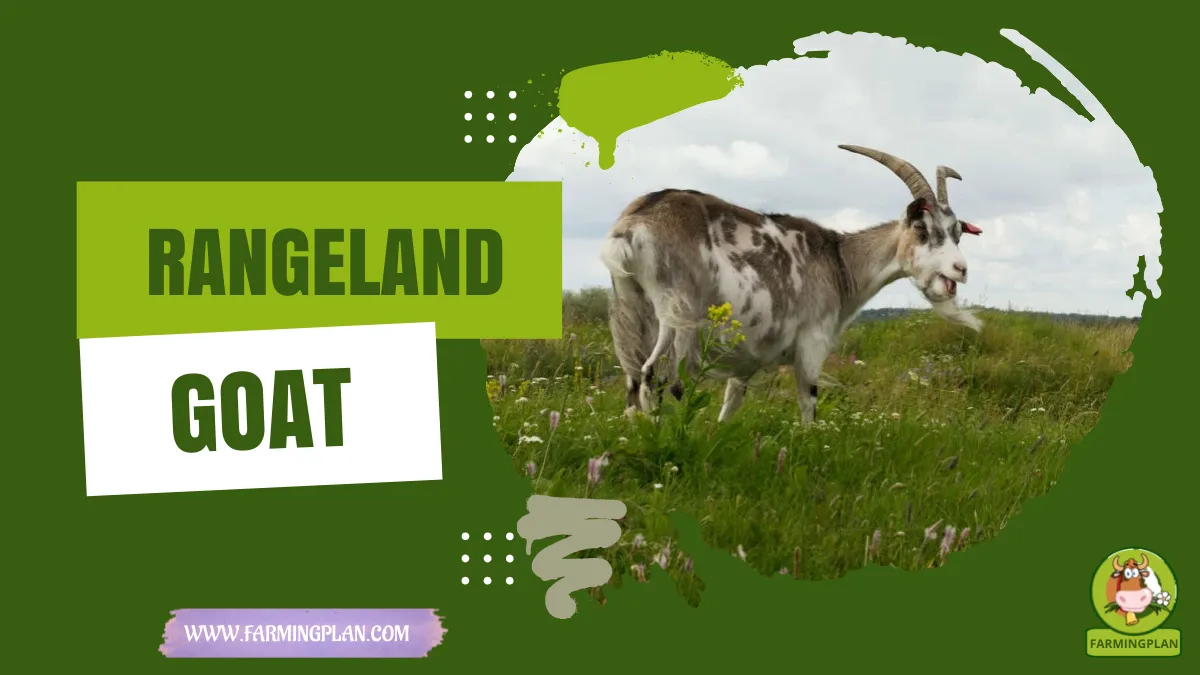
The Rangeland Goat completely changed my farming journey years ago, and it can do the same for you. I remember looking at my dry, rocky country and wondering what animal could possibly thrive out there. These incredible survivors proved to be the absolute best choice for my land. They turn tough scrub into valuable assets without requiring constant attention or expensive feeding regimes.
In this comprehensive guide, I want to share my personal experience with the legendary Australian rangeland goat. We will dive into their unique traits, history, and how they drive the booming goat meat industry. Whether you are an experienced breeder or just starting out with small ruminants, these animals offer massive potential. Let us explore how these wild goats can transform your farm and boost your profits today.
History & Origin
I love tracking the origins of the Rangeland Goat because it reads like a true survival story. These animals trace their roots back to the time of European settlement in Australia. Early settlers brought various goat breeds, including cashmere and Angora types, for milk and clothing fibers. Many of these animals escaped into the bush, while people intentionally released others into the vast Australian rangelands. Over generations, these wild goats adapted beautifully to the harsh semi-arid zone. They faced extreme heat, low rainfall, and limited nutrition, yet they conquered the landscape through natural selection.
The Rise of the Australian Rangeland Goat Industry
For a long time, people viewed these feral rangeland goats as mere pest species. They blamed them for land degradation and overgrazing on sensitive Aboriginal land and First Nations Australians’ country. However, savvy producers soon noticed their incredible resilience and meat quality. Over the last few decades, a formal goat meat export supply chain emerged. Today, the Australian goat meat industry relies heavily on these harvested rangeland goat populations. Government groups like the Queensland Department of Agriculture and Fisheries and NSW Department of Primary Industries now support their managed production.
Reads More: Estaires Duck Breeds Deliver Incredible Joy
Characteristics
When I walk through my pastures, I can spot a Rangeland Goat instantly. These animals do not look like your average pampered dairy goat. They possess a lean, muscular frame built for covering massive distances across harsh terrains. In terms of rangeland goats size, mature bucks usually weigh between 60 to 80 kilograms, while does range from 40 to 60 kilograms. Their coats come in a wild mix of colors, reflecting their diverse genetic background. You will see whites, browns, blacks, and beautifully mixed patterns across a single mob.
Physical Adaptation and Anatomy Excellence
Their physical anatomy gives them a huge advantage in tough environments. They have incredibly strong hooves that resist rot even in variable terrain. Their short hair keeps them cool under the blazing sun, minimizing the need for intense animal husbandry procedures like crutching or mulesing. Unlike delicate Australian goat breeds like the Saanen goat or specialized meat types like Boer goats, this breed retains a hardy, functional build. They rarely suffer from structural issues because nature weeded out the weak traits long ago.
Nature/Temperament
Managing a Rangeland Goat requires you to understand their unique herd psychology. They retain strong flocking instincts from their days as wild goats roaming the bush. If a threat approaches, the entire mob moves as a single, coordinated unit. I find this behavior incredibly helpful when I herd them into the yards. However, they can act quite flighty if you rush them or use loud noises. They prefer a calm, steady hand, which makes them highly suitable for patient livestock managers who appreciate smart animals.
Domesticating Goats for Easier Handling
You can easily tame these animals with the right approach and consistent routines. I use regular fence line checks and low-stress handling methods to get them used to my presence. They learn where the water points are and will follow a familiar vehicle for feed. Over time, wild goats adapt nicely to a managed farm environment. They show high intelligence and can solve problems, like finding weaknesses in your boundary fence. Their alert nature keeps them safe from wild predators, saving you money on guard animals.
Food & Diet
I always tell new producers that a Rangeland Goat eats differently than sheep or cattle. They are natural browsers rather than simple grazers. They prefer woody weeds, shrubs, and tree leaves over lush green grass. This specific habit makes them excellent for brush control on your property. They can digest tough, fibrous plants that other livestock leave behind. In the semi-arid zone, they find nutrition in plants under pressure from dry conditions, which keeps my pastures balanced.
Essential Nutrition and Water Quality Rules
You must monitor their mineral intake even though they are highly self-sufficient. I always provide loose mineral licks containing calcium and phosphorus to keep their bones strong. Good nutrition ensures high reproductive systems performance and fast kid growth rates. Water quality also plays a huge role in their overall health. They can tolerate slightly brackish water better than other small ruminants, but clean water increases their feed intake. Do not let them graze on toxic weeds if your pastures face extreme overgrazing pressures.
Usage/Purpose
The primary purpose of raising the Rangeland Goat centers squarely on the profitable rangeland goat meat sector. Australia stands as a global leader in goat meat exports, and these animals drive that success. Most of the harvest goes directly to the export market, where demand for lean red meat remains sky-high. I sell my animals to regional depots or directly to a certified goat meat processor. The whole fresh rangeland goat carcass finds eager buyers in North America, Asia, and the Middle East, ensuring steady cash flow for my business.
Harnessing Hybrid Vigour through Strategic Breeding
Many commercial breeders use these animals to introduce hybrid vigour into their herds. I often cross my rangeland does with high-quality Boer bucks. This specific crossbreeding gives me kids with the tough survival skills of the rangeland parent and the heavy muscling of the Boer. The resulting carcase weights jump significantly, which fetches a premium price at the abattoir. Beyond meat, some land managers buy them solely to clear invasive weeds, proving their worth as eco-friendly land clearing tools.
Special Features
The absolute superpower of the Rangeland Goat lies in its incredible reproductive capacity. These does can breed all year round, unlike seasonal sheep breeds. They achieve high kidding percentages even during dry spells because their bodies adapt quickly to the environment. I regularly see twins and triplets dropping in my paddocks without any kidding difficulties. The mothers possess fierce protective instincts, which keeps the survival rate high against local predators. This rapid herd rebuilding capability allows you to bounce back fast after a major drought.
Incredible Resistance to Common Caprine Illnesses
Another massive strength is their natural resistance to common diseases. These animals rarely catch the Caprine Arthritis Encephalitis Virus, which plagues many dairy goat operations. Their historical lifestyle as wild goats weeded out individuals with weak immune systems. They handle external parasites remarkably well because their short coats do not harbor pests easily. This hardiness reduces my reliance on expensive chemical treatments and intense veterinary care. They truly represent a low-input, high-output livestock option for modern sustainable farming.
Health Issues & Prevention
Even though the Rangeland Goat is exceptionally tough, you cannot ignore internal parasites entirely. Worms can become a serious issue when you move these animals from dry areas to high-rainfall coastal zones. I look out for symptoms like lethargy, rough coats, and pale eyelids, which indicate anemia. To prevent heavy infestations, I follow advice from the Southern Consortium for Small Ruminant Parasite Control. I practice rotational grazing, which breaks the worm life cycle naturally without overusing chemical drenches.
Biosecurity Measures and Daily Wellness Checks
Implementing strict biosecurity measures protects your herd from devastating disease outbreaks. I maintain a solid relationship with experienced Goat Veterinary Consultants to keep my health protocols current. I always quarantine new arrivals for at least three weeks before introducing them to the main mob. This practice helps me spot any underlying health issues early. Make sure your first aid supplies always include basic wound sprays, bandage materials, and proper hoof trimming tools to treat minor injuries quickly.
Good Nutrition And Clean Water Directly Supercharge Your Herd’s Reproductive Output.
Step-by-Step Farming Guide/Pet Owner Care Guide
Starting a livestock enterprise requires a clear plan, and I am here to share my exact roadmap for success. Raising the Rangeland Goat can yield incredible profits if you set up your operation correctly from day one. Many people make the mistake of treating these hardy animals like regular cattle, but they require a unique approach to management.
Your Ultimate Blueprint for Rangeland Goat Farming Success
You need to understand compliance laws, infrastructure needs, and daily handling techniques to run a smooth business. I designed this step-by-step guide based on my years of practical experience in the Australian rangelands. Follow these steps carefully to build a secure, legally compliant, and highly productive goat enterprise that lasts.
Step 1: Secure Your Boundaries with Goat-Proof Fencing
You cannot run a successful Rangeland Goat operation without excellent fencing. These animals love to explore, and their wild instincts drive them to find any gap in your perimeter. I use a combination of high-tensile wire and closely spaced fence posts to build my boundaries. Adding a couple of electrified wires prevents them from leaning on the structure or trying to jump over it. Avoid using standard barbed wire alone because it can injure the animals or fail to hold a determined mob.
A solid fence keeps your stock safe inside and prevents unwanted wild goats from mixing with your managed herd. Check your boundaries weekly to catch any damage from falling tree branches or burrowing wildlife before it causes an escape. Investing in top-tier fencing saves you countless hours of chasing stray livestock down the road.
Step 2: Master the National Livestock Identification System Compliance
Legal compliance forms the backbone of the commercial Rangeland Goat trade in Australia. You must register your property and fully understand the National Livestock Identification System before moving any animals. Every goat leaving your property requires a correct NLIS device attached to its ear. For goats bred on your land, use the correct electronic ID tags or ear tags. If you purchase goats from a goat depot or another breeder, apply a pink post-breeder NLIS device.
Always complete a National Vendor Declaration or an eNVD before transport to create a legal movement record number. This system tracks mob-based movement to protect the entire industry during a major biosecurity emergency. Keep your myMLA profile updated and retain all movement record paperwork for your annual Livestock Production Assurance audit.
Step 3: Set Up Efficient Handling Yards and Low-Stress Drafting Systems
Working with a Rangeland Goat mob requires smart yard design to minimize stress for both you and the animals. I built my handling yards with high, smooth walls so the goats cannot see outside distractions. Design a tapering race that funnels the animals naturally toward your drafting gate or weighing scale. Low-stress handling tools like plastic flags work wonders for guiding the mob without causing panic.
Always include a safe working area where you can administer health treatments or check ear tags easily. For emergency situations or humane culling, keep an approved bolt gun or electric stunner securely stored nearby. Well-designed yards make sorting your livestock for the abattoir or live trade export market a quick and safe one-person job.
Reads More: Archangel Pigeon: 5 Stunning Facts You Need to Know
Expert Tips & Best Practices
Pro Tips from My Years in the Goat Yards
Over the years, I learned several valuable lessons that saved me time and money. Here are my top strategies for running a highly profitable Rangeland Goat enterprise:
- Monitor pasture conditions closely using tools like the Country Condition Checklist to avoid overgrazing.
- Build strong networks with local goat depot operators to stay updated on current market price range shifts.
- Introduce high-quality bucks regularly to maintain excellent hybrid vigor across your breeding does.
- Collaborate with First Nations land managers and Native Title Holders to explore sustainable grazing on cultural landscapes.
- Keep a close eye on AgriFutures Australia reports to track global goat meat consumption trends.
- Check the NLIS helpdesk quickly if you encounter any issues with electronic ID tags or movement records.
FAQs
What is the average lifespan of a Rangeland Goat?
A Rangeland Goat typically lives between 10 to 12 years in a managed farm environment. Their hardy nature allows them to remain productive for most of their lives.
How much does it cost to buy rangeland goats for sale?
The price range varies depending on market demand, age, and weight. You can check current livestock listings or contact local breeders via a custom Order Form for exact pricing.
Can I crossbreed rangeland goats with other Australian goat breeds?
Yes, crossbreeding rangeland does with Boer bucks is highly popular among commercial meat producers. This specific cross maximizes hybrid vigour and increases carcase weights for the abattoir.
What regulations govern the transport of these goats in Queensland?
Producers must follow the Biosecurity Act 2014 administered by Biosecurity Queensland. You must complete an eNVD and ensure all animals carry the correct NLIS device before moving them.
What do rangeland goats eat during a dry season?
They browse on hardy woody weeds, shrubs, and deep-rooted native plants in the semi-arid zone. Their efficient digestive system extracts nutrients from tough vegetation that other livestock cannot digest.
Conclusion
The Rangeland Goat offers an incredible opportunity for modern livestock producers seeking a resilient, low-input enterprise. These amazing animals turn harsh landscapes into highly profitable meat products for the global export market. By mastering basic fencing, low-stress handling, and NLIS compliance, you can build a sustainable farming business that thrives in any climate. I encourage you to look into local rangeland goats for sale and start your own herd journey. Leave a comment below to share your experiences or ask any questions about getting started with these phenomenal survivors.