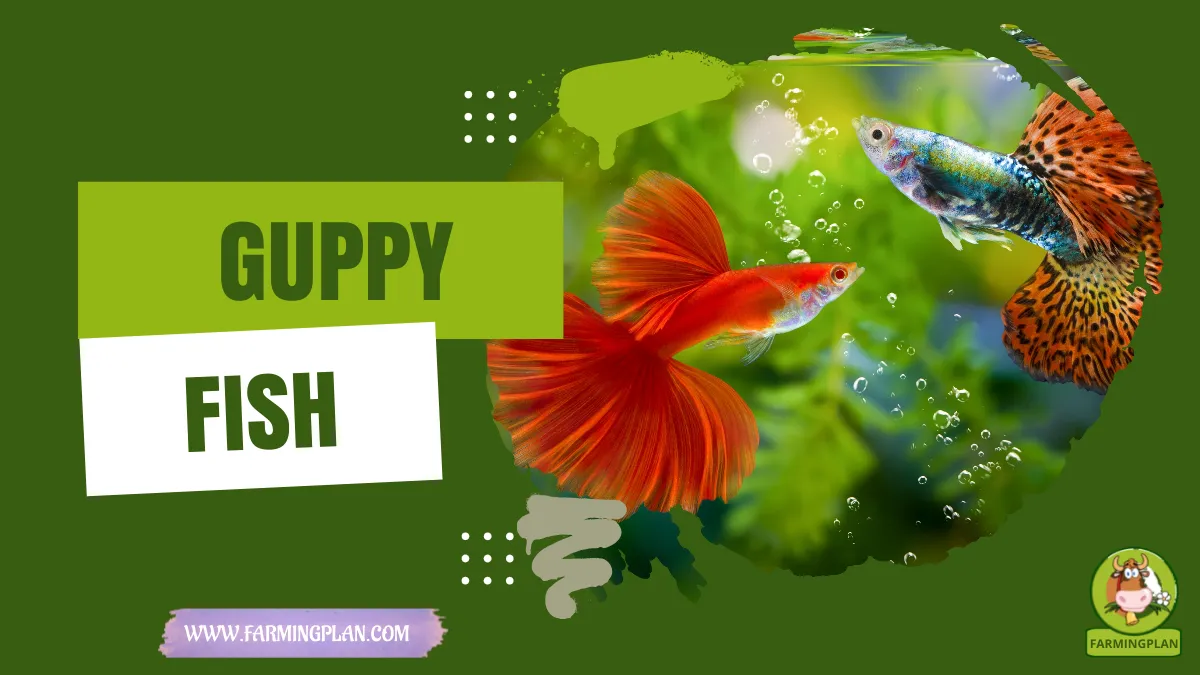
Guppy fish are easily the most delightful and charming livebearers you can bring into your home aquarium. I have spent years breeding freshwater fish, and these colorful little creatures never fail to bring boundless life, energy, and beauty into any room. scientifically known as Poecilia reticulata, these active swimmers adapt incredibly well to home aquariums, making them absolute favorites for both beginners and seasoned hobbyists alike. In this complete guide, I will share my personal experience to help you care for your aquatic friends, whether you are looking into guppy fish price options, exploring guppy fish for sale, or setting up your very first breeding tank.
History & Origin of Guppy Fish
Let me take you back to where the journey of these amazing creatures began. Wild guppies originate from the warm freshwater streams and coastal rivers of South America and nearby islands, including Trinidad and Tobago, Venezuela, and Guyana. Naturalist Wilhelm Peters first described this species in 1859 after discovering specimens in Venezuela, naming it Poecilia reticulata. Later, Robert John Lechmere Guppy sent wild specimens to the Natural History Museum in London, which popularized their common name across the globe.
In their natural habitats, these small livebearers served an important ecological purpose. Public health officials even introduced them to various tropical bodies of water around the world to consume mosquito larvae and control disease. Over time, wild populations adapted to diverse water conditions, developing strong genetic resilience. When home fishkeeping grew in popularity during the 20th century, selective breeders recognized the immense potential of these hardy little swimmers. Through generations of careful selection, breeders transformed the modest, wild gray fish into the stunning array of colorful fancy varieties we love today.
Read More: Albanian Cattle: Ultimate Guide to Rare Native Breeds
Characteristics of Guppy Fish
When you look into a well-lit tank, the sheer variety of colors and tail shapes will instantly captivate you. Breeders have developed incredible morphs such as the Albino High Dorsal Full Red, Gold Lace Guppy, Metal Red Lace Guppy, Purple Cobra Guppy, Jumbo Dumbo Ear, White Gold Shine Guppy, and the striking Blue/Green Dragon. You will also see beautiful mosaic patterned tails and distinct XL size variations with broad High Dorsal fins that flow like silk as they swim.
These colorful freshwater fish display noticeable sexual dimorphism, which makes telling males and females apart quite simple. Male specimens are smaller, slimmer, and display bright, flashy body colors with long, flowing fins. They possess a modified anal fin called a gonopodium, which they use for mating. Females are noticeably larger, heavier, and display milder colors, though modern breeding has produced females with colorful tails. You can identify a gravid female by looking for a dark gravid spot near her anal fin, indicating she is carrying developing young.
Nature/Temperament of Guppy Fish
I love watching these active creatures because they display such peaceful and playful personalities. They are natural schooling behavior displayers that spend their day exploring every level of the water, though you will often find them near the top of your aquarium or mid-water area. Unlike aggressive species, these gentle swimmers get along wonderfully with other non-aggressive tank mates in a planted community aquarium. They bring constant motion and cheerful energy to your living room or office space.
Because of their calm nature, you can easily combine them with small bottom swimmers like Corydoras catfish, peaceful tetras, or dwarf shrimp. However, you should avoid housing them with aggressive fin-nippers, such as large cichlids or Aequidens pulcher, which might target their delicate, flowing fins. When you keep them in balanced groups with a good ratio of males to females, you will see their natural social interactions unfold in the most fascinating ways. They are curious, friendly, and will quickly learn to swim to the front glass whenever you approach with food.
Food & Diet of Guppy Fish
Feeding your aquatic pets a balanced and rich diet is the absolute secret to unlocking their brightest colors and longest lifespan. As natural omnivores, they thrive on a diverse menu of high-quality micro pellets, Crushed Flake Food, and small live foods. I always start with a high-protein base flake or pellet designed specifically for small livebearers, then mix in special treats to keep their digestion healthy and their immunity strong.
Here is a quick look at what to feed and what to avoid:
| Food Category | Recommended Items | Feeding Notes |
| Daily Staples | Micro pellets, Crushed Flake Food | Feed twice daily in small amounts |
| Live & Frozen Foods | Brine shrimp, Bloodworms, Baby Brine Shrimp | Serve 2-3 times per week for color |
| Vegetable Matter | Blanched spinach, Spirulina flakes | Helps prevent digestive blockages |
| Fry Nutrition | Powdered Fry Food, Infusoria | Feed 3-4 times daily to growing young |
You should avoid overfeeding at all costs, as uneaten food breaks down and ruins your water quality fast. Only offer an amount your fish can completely clean up within two minutes. If you want to boost their colors naturally, offering live or frozen brine shrimp and bloodworms will deliver fantastic results. Adding a little vegetable matter like spirulina or tiny crushed peas also promotes smooth digestion and keeps your fish lively.
Usage/Purpose of Guppy Fish
Most hobbyists keep these wonderful creatures purely for companionship and home decoration. A planted tank filled with swimming colorful livebearers acts like a living piece of art that instantly reduces stress and brings tranquility into your home. Their small size makes them perfect for various spaces, whether you keep a simple desktop setup or a massive planted display tank.
For advanced hobbyists and breeders, raising these fish is a thrilling genetic journey. Because they reproduce quickly and display distinct genetic traits, selective breeding lets you create unique lines, distinct tail structures, and rare color patterns. Many breeders even turn their passion into a small business, offering Live Fancy Guppy Fish, Premium Fancy Guppy strains, or specialty lines through an online aquarium shop or local community networks.
Special Features of Guppy Fish
One of the most remarkable traits of these fish is that they are livebearers, meaning females give birth to free-swimming young rather than laying eggs. This unique reproductive style makes raising them an endlessly exciting process for hobbyists of all ages. A single gravid female can drop a batch of young every 30 days, rapidly growing your aquarium family.
Another amazing feature is their incredible genetic versatility. Related species like Poecilia wingei (Endler’s livebearer) and historical classifications like Lebistes poecilioides showcase how adaptable this lineage is. Their rapid growth, bright colors, unique gonopodium structure, and continuous breeding cycles make them one of the most dynamic species in the entire freshwater fish hobby.
Health Issues & Prevention of Guppy Fish
Even hardy species can get sick if tank conditions drop or water quality suffers. The most common illness you might encounter is Ich (Ichthyophthirius multifiliis), often called white spot disease, which causes small white spots on the body and fins. Fin rot, Columnaris, Velvet, and skin parasites like Gyrodactylus turnbulli can also occur if stress levels remain high. Environmental factors or metabolic shifts involving thyroid hormone regulation can also impact overall fish health over time.
To prevent disease, maintain clean water through regular partial water changes, reliable biological filtration, and a steady water temperature. Using a pre-filter sponge on your filter intake protects small fins and fry while keeping your filtration running smoothly. If you spot signs of illness early, isolate the affected fish in a quarantine tank, perform a partial water change, add aquarium salt if appropriate, and use targeted aquarium medication to restore full health quickly.
Read More: Bogdanovski Goose Care: Master Farming Secrets Now
Pet Owner Care Guide of Guppy Fish
Setting up a safe and healthy home for your aquatic pets requires a step-by-step approach. Follow this detailed care guide to build a thriving aquarium environment where your fish will flourish for years.
Step 1: Tank Setup and Filtration
Selecting the right tank size is your first step toward building a successful aquatic setup. While you can keep a small group in a 10 gallon tank, I always recommend a 20 gallon tank or larger to provide plenty of swimming space and stable water parameters. Place your tank on a sturdy stand away from direct sunlight, which prevents unwanted algae blooms.
Install a reliable filter equipped with a soft pre-filter sponge over the intake tube. This setup creates strong biological filtration without pulling delicate fins or tiny baby fish into the filter pump. Add a smooth gravel or sand substrate that allows live plants to root easily while staying easy to clean during routine maintenance.
Step 2: Heating and Water Preparation
Maintaining a stable water temperature between 74°F and 82°F is essential for tropical fish. Install an adjustable aquarium heater paired with a reliable thermometer to prevent sudden temperature swings that cause fish stress. These fish prefer slightly hard water with a pH range between 7.0 and 8.0.
Before adding water to your tank, always use a quality water conditioner pretreatment to remove chlorine, chloramines, and heavy metals from tap water. Let your tank run completely through the nitrogen cycle before introducing any fish. This critical cycling process establishes beneficial bacteria that break down toxic waste into harmless substances.
Step 3: Decor and Live Plants
Creating a natural environment filled with live plants gives your fish essential hiding spaces and lowers stress. Planting tissue culture plants like Java Moss, Hornwort, Java Fern, Anubias, and floating Water Lettuce creates a lush underwater forest. Java Moss is especially valuable because it gives vulnerable baby fish safe spaces to hide from adult fish.
Arrange your live plants near the sides and back of the tank, leaving the central water column clear for active swimming. Add smooth driftwood or aquarium-safe rocks to create interesting visual structures. A well-planted tank not only looks stunning but also improves water quality by absorbing excess nitrates.
Step 4: Acclimation and Introduction
When bringing home new fish from an aquarium fish store or online shop, acclimate them slowly to prevent temperature and water shock. Float the sealed transport bag in your tank for 15 to 20 minutes to equalize the water temperature. Slowly add small amounts of your tank water into the bag every five minutes over half an hour.
Gently net the fish out of the bag and release them into your tank, discarding the shipping water. Keep your aquarium lights turned off for the first few hours to help your new pets settle into their home calmly. Observe them closely over the next few days to ensure they swim actively and adapt smoothly to their new environment.
Step 5: Daily Feeding and Maintenance
Feed your Guppy Fish once or twice daily with high-quality micro pellets, crushed flakes, or small live foods. Perform weekly partial water changes of about 20% to 30% using a gravel vacuum to remove waste from the substrate. Test your water parameters regularly with a liquid water testing kit to ensure zero ammonia, zero nitrites, and low nitrates.
Rinse your filter media gently in removed tank water during water changes to protect beneficial biological bacteria. Inspect your Guppy Fish daily for active swimming behavior, healthy fins, and bright color displays. Consistent care and clean water ensure your colorful pets live long, healthy, and happy lives.
“A Flourishing Aquarium With Happy Guppy Fish Starts With Patient Care, Quality Food, And Pure Water.”
Expert Tips & Best Practices for Success
Here are my top practical recommendations to help you maintain a beautiful and thriving tank:
- Maintain a gender ratio of one male to every two or three females to prevent male harassment.
- Add dense floating plants like Java Moss or Water Lettuce to provide safe cover for newborn fry.
- Use a pre-filter sponge on all filter intakes to prevent tiny baby fish from getting sucked inside.
- Perform consistent weekly 20% partial water changes to keep nitrate levels low and water fresh.
- Test your water parameters every week with a reliable liquid water testing kit.
- Quarantine all new fish for at least two weeks before introducing them to your main display tank.
- Mix high-protein flakes, micro pellets, and frozen brine shrimp to promote vibrant fish colors.
FAQs
What is the ideal water temperature for guppy fish?
The ideal water temperature ranges between 74°F and 82°F (23°C to 28°C). Keeping the water stable within this tropical range supports healthy immunity, smooth digestion, and steady breeding behavior.
How often do Guppy Fish give birth?
Females drop a batch of live young every 28 to 30 days under warm, healthy tank conditions. They can store genetic material from a single mating to produce several consecutive broods.
Can guppy fish live with other fish in a community tank?
Yes, they make excellent peaceful tank mates for other small, non-aggressive species like tetras, corydoras, and rasboras. Avoid keeping them with large or aggressive fish that might nip their long fins.
What should I feed newborn baby guppy fish?
Feed newborn fry finely crushed flake food, special Powdered Fry Food, infusoria, or freshly hatched Baby Brine Shrimp. Feeding them small amounts three to four times daily ensures rapid and healthy growth.
How big do fancy guppies grow in a home aquarium?
Adult males typically grow to about 1.5 inches in length, while adult females can reach up to 2.5 inches. Proper tank space, clean water, and rich nutrition help them reach their full size potential.
Conclusion
Caring for these colorful, energetic livebearers brings endless joy and lively beauty into any home aquarium setup. By providing a properly sized tank, clean warm water, dense live plants, and a nutrient-rich diet, you give your aquatic companions everything they need to thrive and reproduce. Whether you are setting up your very first desktop tank or managing a sophisticated breeding hobby, these friendly Guppy Fish will reward your efforts with vibrant displays every single day. If you found this care guide helpful, share it with fellow fish lovers, leave a comment with your favorite varieties, and start building your dream aquarium today!