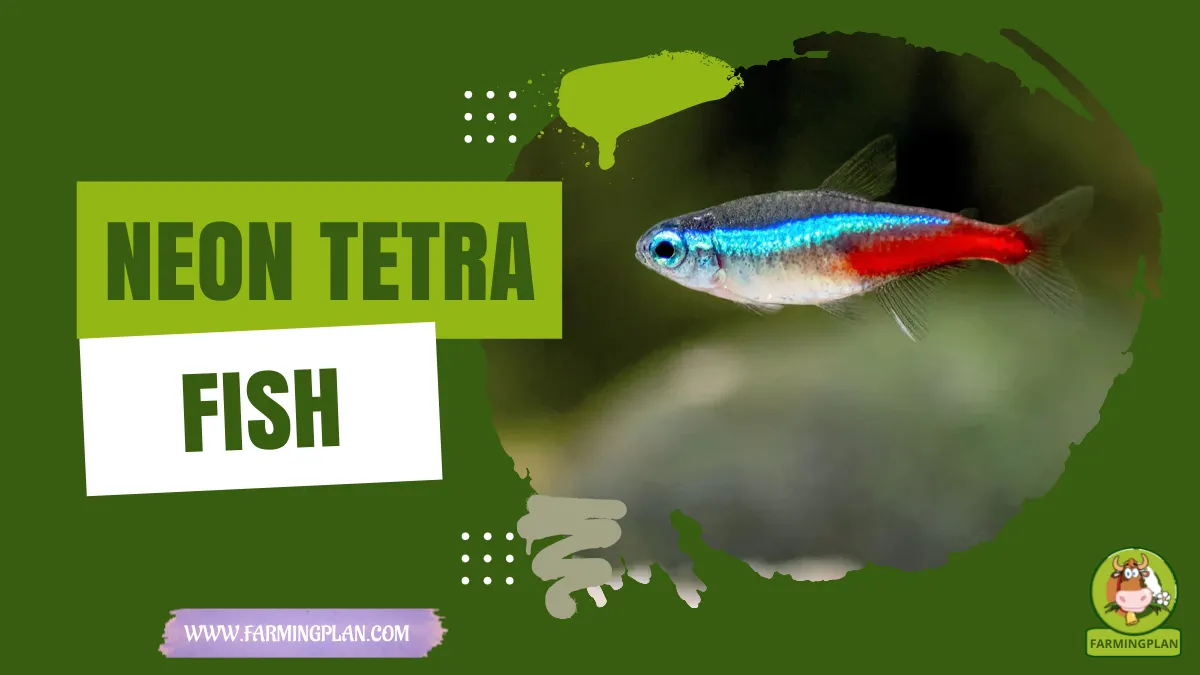
Neon tetra fish bring unmatched color and life into any freshwater aquarium, making them an absolute joy for hobbyists of all experience levels. I still remember the first time I added a small school of these stunning creatures to my display tank years ago. Their bright iridescent blue stripe and vivid red tails instantly lit up the aquatic plants and dark substrate. These tiny freshwater fish belong to the Characidae family, originating from the slow-moving blackwater streams and Amazon River basin tributaries in South America, including regions across Colombia, Peru, and Brazil.
They thrive best when kept in a school of fish, displaying peaceful group behavior that creates a tranquil atmosphere. Over my years as an aquatic specialist, I have watched both beginners and experienced aquarists fall in love with their shimmering guanine crystals that reflect light so brilliantly. Whether you want to build a thriving community aquarium with rasboras and danios or simply enjoy watching captive raised species glide through tannin-stained water, these small pets offer endless delight. Let us dive into everything you need to know to keep them healthy, colorful, and active for years to come. As an aquatic specialist, I love sharing my passion for the brilliant Neon Tetra Fish with fellow hobbyists.
History & Origin of Neon Tetra Fish
My journey with these aquatic gems starts deep in the Amazon Basin, where wild populations thrive in slow-moving tributaries and tannin-stained water. Collectors first discovered them back in 1936 within the lush rainforests of South America. The dark, acidic waters of the Amazon River basin shaped their unique colorations over millions of years. Guanine crystals inside their skin reflect light, helping them stay connected with their school of fish in murky blackwater streams. Today, most specimens in pet stores are captive raised, making them far sturdier than their wild caught ancestors.
Breeding farms in Asia and Florida produce millions of these aquarium species each year for fishkeeping enthusiasts. Selective breeding has even brought us unique variations like the Gold Head Neon Tetra and short-body strains. However, the classic wild type remains the ultimate icon of aquascaping. Understanding their natural river origins helps us build a thriving freshwater aquarium that mimics their home in Colombia and Brazil. I always recreate these shaded river conditions using driftwoods, botanical leaves, and low lighting to make my school feel safe and display their best colors.
Read More: Silver Fox Rabbit Guide for Ultimate Success
Characteristics of Neon Tetra Fish
When you view a healthy school in a community aquarium, their remarkable appearance immediately grabs your attention. The classic Paracheirodon axelrodi relative features a striking electric blue line running from its eye to its adipose fin. Below that line, a vibrant crimson red color covers the rear half of the body down to the caudal fin. Their belly shines with a soft silver hue, while transparent fins complete their delicate build. They usually reach a maximum size of 1.5 inches, making them perfect for small or medium setups.
Scientists group these jewels into the Characidae family, noting their unique light-reflecting skin structures. While the standard variety dominates the market, aquarists also love the rare Green Neon Tetra and the distinct Cardinal Tetra. The Cardinal boasts a red stripe that runs the entire length of its body rather than stopping halfway. You might also spot color morphs like the longfin variety, but all types share the same basic body structure. Their small size means they use very little swimming energy, yet their intense neon colors make them look like glowing aquatic jewels against dark substrate.
Nature and Peaceful Tankmates of Neon Tetra Fish
I always recommend these peaceful creatures to beginner aquarists because of their friendly, non-aggressive personality. These social creatures thrive best when you keep them in a group of six or more individuals. A large group lowers their stress levels, prevents timidity, and encourages natural swimming patterns. When kept alone, they often hide behind plants, lose their vivid colors, and suffer from a weakened immune system. You will love watching a healthy group dart together across the middle layers of your tank.
These gentle swimmers make ideal neighbors for quiet, non-predatory species in community tanks. I pair them with dwarf catfish, peaceful guppies, X-Ray Pristella Tetra, and Brilliant Rummynose Tetra. Avoid housing them with large, aggressive predators like cichlids or adult angelfish, which will gladly turn small tetras into a quick meal. Top and bottom swimmers balance the aquarium perfectly, leaving plenty of open space for your tetras to glide through. Their playful nature brings constant motion, making your living room setup a peaceful, stress-relieving focal point.
Food, Nutrition, and Feeding Guidelines of Neon Tetra Fish
Feeding your tiny aquatic pets a balanced diet ensures long lifespans, glowing colors, and active behavior. In the wild, they hunt micro-crustaceans, fallen insects, and algae spores floating through the water column. In my home setup, I feed them high-quality tropical flakes and small sinking pellets enriched with natural color enhancers. Since they have very small mouths, crush any large flake food between your fingers before dropping it into the tank. A varied diet prevents nutritional gaps and keeps their immune systems strong.
- High-grade tropical flake food (crushed into fine particles)
- Live or frozen brine shrimp and bloodworms for rich protein
- Fresh Daphnia to support healthy digestion
- Nutritious micro-pellets designed for small characins
- Infusoria for young fry during their first weeks of growth
I feed my school small portions once or twice a day, providing only what they can consume within two minutes. Overfeeding spoils the water quickly, causing dangerous spikes in harmful ammonia and nitrites. Supplement their routine with protein treats like baby brine shrimp or freeze-dried bloodworms twice a week. I also like offering live Daphnia because it encourages their natural hunting instincts. Always clear away uneaten food right away using a siphon vacuum gravel cleaner to protect your filtration system and keep your tank pristine. Master Neon Tetra Fish care! My complete guide covers tank setup, feeding, breeding, and health tips for thriving aquatic pets.
Usage and Role of Neon Tetra Fish
Beyond being delightful household pets, these colorful creatures serve a massive role in high-end planted aquascaping projects. Professional aquascapers rely on their vivid contrast to bring lush green plants and dark wood layouts to life. Their small size allows hobbyists to create a grand sense of scale in large display tanks. A school gliding through a dense forest of Java moss creates a captivating focal point in any home, office, or public display space.
These active fish also help balance your tank’s ecosystem by interacting with every water layer. Their waste feeds live aquatic plants, while their active swimming circulates beneficial nutrients across the tank. Watching a peaceful aquarium reduces human stress, lowers blood pressure, and improves overall mood after a long workday. Many classroom settings use these hardy creatures to teach young students about biology, aquatic life cycles, and responsible pet ownership. They truly offer the ideal blend of beauty, utility, and educational value for any space.
Special Features of Neon Tetra Fish
One of the coolest features of these fish is their ability to shut off their bright colors at night. When the tank lights go out, their vivid blue and red stripes fade to a dull gray or clear shade. This natural defense mechanism helps them blend into dark riverbeds and hide from nocturnal predators in South America. Once the morning light hits the tank, their guanine crystals reactivate, restoring their brilliant colors within minutes.
Another amazing trait is their built-in optical schooling system, which uses light reflection rather than sound. Each fish senses light reflecting off its neighbor’s metallic blue line, allowing the entire school to turn together instantly. They also possess an adipose fin—a tiny, fleshy fin located between the dorsal and tail fins—which is a classic physical trait of the Characidae family. These biological adaptations make them exceptionally resilient, highly social, and visually fascinating creatures to observe under modern LED lighting.
“A Vibrant School Of Neon Tetra Fish Transforms Any Simple Freshwater Aquarium Into An Enchanting Aquatic Wonderland.”
Health Issues, Prevention, and Tank Care of Neon Tetra Fish
Keeping your school healthy requires consistent attention to water quality, stable temperatures, and good tank maintenance. The most famous threat to these fish is neon tetra disease, caused by the parasite Pleistophora hyphessobryconis. Infected fish show pale body colors, curved spines, severe lumpy bodies, and spatial confusion. Sadly, no direct cure exists for this parasitic infection, so you must quarantine affected individuals immediately to save the rest of your school. Always buy active fish from clean, reputable local stores to avoid introducing microsporidian spores to your display setup.
Common conditions like white spot disease (Ich), bacterial infections, dropsy, and nitrite poisoning can also affect your tank. Sudden temperature fluctuations stress their delicate immune systems, leaving them vulnerable to external parasites. Prevent these health problems by installing a reliable Aqueon Aquarium Heater and keeping a digital thermometer in the tank. Use an Aqueon Water Conditioner during every weekly water change to remove toxic chlorine and heavy metals. Test your pH, ammonia, and nitrate levels regularly to catch water quality issues early.
Read More: Egyptian Honey Bee Secrets: Discover Incredible Ancient Jewels
Comprehensive Pet Owner Care Guide of Neon Tetra Fish
Caring for your fish begins long before you bring them home from the local pet shop. Setting up a dedicated freshwater tank requires proper preparation, the right equipment, and patience during the nitrogen cycle process. You need a tank that holds at least 10 gallons of water to give your school ample room to swim freely. Clean the glass inside and out, place your dark substrate carefully, and set up your mechanical filtration system. Dark gravel or soft sand makes their vibrant red and blue colors pop visually while mimicking natural South American stream beds.
Setting Up the Ideal Environment for Long-Term Success
Fill the tank slowly with water treated with Aqueon Water Conditioner to eliminate harmful chlorine instantly. Mount your Aqueon Aquarium Heater securely along the back glass, adjusting it to maintain a stable water temperature between 72°F and 78°F. Plant dense foliage along the sides and back, leaving the center clear for unobstructed swimming. Add low-light plants like Java moss or Anubias to absorb nitrate, supply oxygen, and provide natural resting spots. Allow the aquarium to cycle completely for two to three weeks until ammonia and nitrite levels drop to zero. Once your water parameters stabilize, your tank is ready for its new colorful residents.
Step 1: Acclimating Your New School
Introducing your new fish to their permanent home requires a gentle, patient touch to prevent temperature shock. Float the sealed transport bag on your aquarium water surface for 20 minutes to equalize temperatures smoothly. Open the bag carefully and add half a cup of tank water every five minutes for half an hour. This gradual drip process helps the fish adapt safely to your home’s unique pH levels and water hardness. Net the fish gently out of the bag and release them into the display tank, discarding the bag water. Keep the aquarium lights turned off for the first night to lower stress and help them settle in comfortably.
Step 2: Establishing Daily Feeding Habits
Establishing a reliable daily feeding routine builds strong immunity and brings out rich colorations in your fish. Offer small pinches of crushed flake food or micro-pellets once every morning and evening. Watch them eat carefully, ensuring every individual in the school grabs enough food before it sinks to the substrate. Remove any uneaten food after two minutes using a small net or siphon to keep your water crystal clean. Introduce live or frozen brine shrimp twice a week as a high-protein treat to maintain peak energy levels. Avoid overfeeding at all costs, as decaying leftover food causes dangerous ammonia spikes that harm small characins.
Step 3: Weekly Water Maintenance
Performing consistent weekly maintenance is the single best way to protect your school from fatal diseases. Drain roughly 20 to 25 percent of the aquarium water each week using a reliable Siphon Vacuum Gravel Cleaner. Work the siphon vacuum deep into the substrate to remove trapped fish waste, plant debris, and decaying food scraps. Refill your tank with fresh, temperature-matched water treated with a quality tap water conditioner to eliminate toxins. Check your digital thermometer to verify that the replacement water matches your target temperature within one degree. Clean your filter media in used tank water monthly to preserve beneficial biological bacteria colonies.
Step 4: Monitoring Fish Health and Behavior
Take five minutes every day to observe your school’s behavior, swimming patterns, and overall physical condition. Healthy fish swim smoothly together, display bright colors, and react enthusiastically when you approach with food. Look out for warning signs like faded stripes, frayed fins, rapid breathing at the surface, or erratic swimming patterns. Isolate any sick or lethargic fish in a dedicated quarantine tank right away to prevent disease spread. Treat broad fungal or bacterial infections with mild aquarium remedies under the guidance of an experienced fishkeeper. Maintaining clean water and a stable environment remains your absolute best defense against common fish diseases.
Expert Tips and Best Practices
- Keep a minimum group size of six to ten fish to reduce stress and prevent nip behavior.
- Use dark gravel substrate and dense live plants to make their electric blue stripes pop visually.
- Install a high-quality filter with adjustable flow to prevent strong currents from overwhelming tiny swimmers.
- Maintain a stable water temperature between 72°F and 78°F using an accurate aquarium heater.
- Add driftwood or peat moss to naturally release beneficial tannins into your water column.
- Test water chemistry weekly to catch spikes in ammonia, nitrite, and nitrate before they cause harm.
- Dim your aquarium lights or use floating plants to recreate their natural shaded blackwater habitat.
- Feed a diverse diet consisting of micro-flakes, frozen bloodworms, and nutrient-dense brine shrimp.
- Always isolate new aquatic purchases in a quarantine tank for two weeks before adding them to your main aquarium.
FAQs
What is the average Neon Tetra lifespan in a home tank?
With proper care, stable water parameters, and a balanced diet, these freshwater fish usually live for 5 to 8 years in a home aquarium. Maintaining clean water and minimizing sudden stress helps them reach their full genetic potential.
Can I keep GloFish or Glo neon fish with standard tetras?
Yes, you can safely house fluorescent tetra fish like the Cosmic Blue Tetra or Electric Green Tetra alongside standard characins. They share identical temperaments, dietary needs, and water parameters, making them great companions in peaceful community tanks.
How do I trigger Neon tetra breeding in my home setup?
To encourage spawning, isolate a healthy pair in a soft-water breeding tank with low light, dense Java moss, and a temperature of 75°F. Feed them live brine shrimp and perform a cool water change to trigger egg laying.
What causes neon tetra disease, and how can I cure it?
Neon tetra disease stems from a microsporidian parasite called Pleistophora hyphessobryconis that attacks muscle tissue. There is currently no effective cure, so removing infected fish quickly is crucial to protecting the rest of your school.
How much does a Neon Tetra cost at local pet shops?
The average retail price ranges between $1.50 and $3.00 per fish depending on your location, size, and store quality. Buying them in groups of six or more often unlocks bundle discounts at most specialized aquatic retailers.
Conclusion
Caring for the brilliant Neon Tetra Fish brings immense joy, color, and tranquility to any home aquatic setup. By providing clean water, proper filtration, dense live plants, and a nutrient-rich diet, you give your school everything it needs to thrive for years. These peaceful creatures remain the ultimate choice for both beginners and seasoned aquarists looking to build a breathtaking community tank. What are your favorite aquascaping ideas for these glowing jewels? Share your personal tank photos, leave a comment with your best care tips below, and share this guide with fellow fishkeeping enthusiasts today! Master neon tetra fish care with expert tank setup tips, ideal diet advice, and health guidance for a vibrant freshwater aquarium.