
I have spent many years working as a livestock specialist, and I always search for unique agricultural avenues. Today, I want to talk to you about crocodile farming in Pakistan, a growing sector that holds immense potential for ambitious farmers and conservationists alike. While raising these prehistoric reptiles might sound unusual to the average person, it provides a secure business path that links commercial profit directly with species conservation.
In regions like Sindh, including Jacobabad and the coastal areas near Bhambhore Farmhouse, managed environments help safeguard vulnerable species while supporting the broader economy. Throughout this article, I will guide you through the basics of setting up a secure facility, understanding international market standards, and turning a niche reptile venture into a thriving commercial enterprise.
History & Origin of Crocodile Farming in Pakistan
The wild Mugger crocodile once roamed freely across the vast river basins of the Indus, populating lakes, swamps, and river tributaries throughout the country. Over the past several decades, factors like poaching, illegal hunting for trophy hunting enthusiasts, severe habitat destruction, and climate change drastically reduced their wild numbers. In response, local wildlife departments and international conservation bodies, including the UNDP, began focusing on protected habitats and community-based conservation initiatives to prevent local extinction.
In places like Zimbabwe and across South Africa, community-based trophy hunting and regulated commercial breeding programs successfully brought crocodile populations back from the brink while generating local income. Pakistan has drawn inspiration from these international success stories, slowly shifting toward controlled reptile husbandry. Modern efforts at places like Bhambhore Farmhouse and regional research centers aim to create a sustainable model that mirrors standards set by international agencies like the Environment Management Agency. By studying these historical shifts, I have learned that managed breeding is the single most effective way to protect wild populations while satisfying commercial demand.
Read More: Crocodile Farming in Bangladesh: Thrilling Profit Secrets
Characteristics of Crocodile Farming in Pakistan
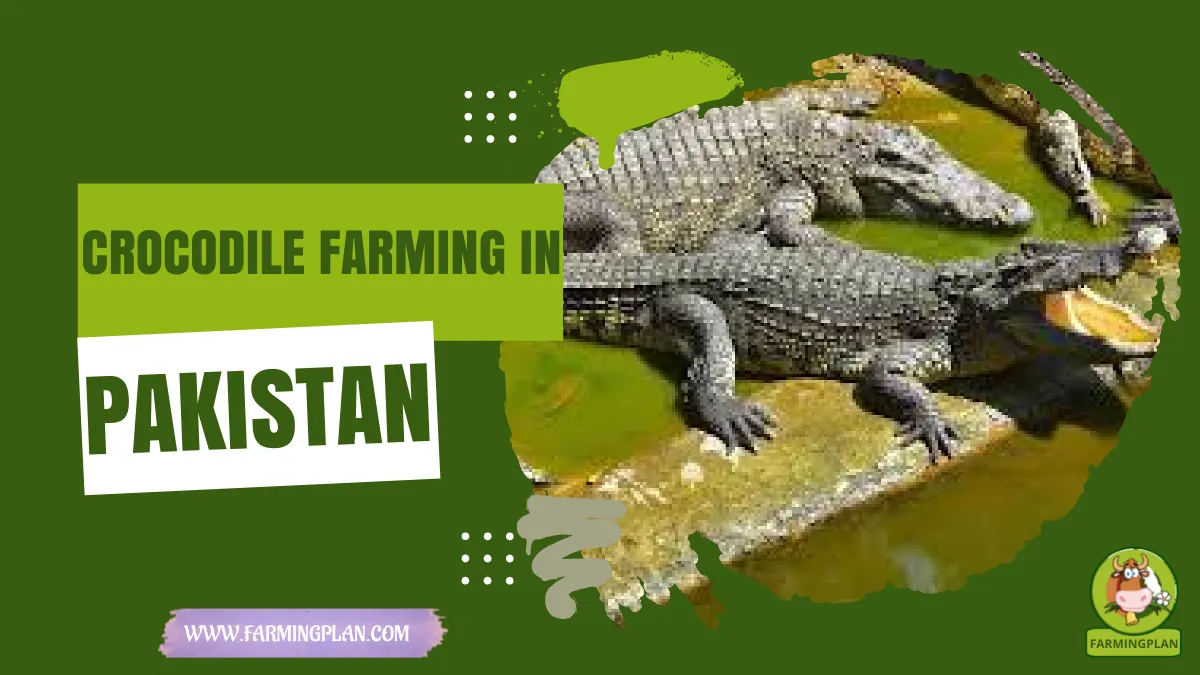
When you look closely at a Mugger crocodile, you immediately notice its broad snout, heavily armored scutes, and powerful muscular tail. Their tough, textured skin is highly valued in the international leather industry for crafting high-end luxury products, ranging from designer handbags to custom footwear. Their color ranges from a dark olive-brown in adults to a lighter tan with dark cross-bands in younger specimens, allowing them to camouflage effortlessly in muddy waters.
These reptiles are cold-blooded ectotherms, meaning they rely entirely on their surrounding environment to regulate their internal body temperature. In my time managing reptilian habitats, I have observed how crucial thermal gradient zones are for their overall growth and physical development. A healthy adult can grow anywhere from 8 to 13 feet in length, depending on diet, genetics, and water quality. Understanding these physical traits helps farmers build enclosures that protect the animals’ hides from scratches and damage, preserving the ultimate market value of crocodile leather.
Nature and Temperament of Crocodile Farming in Pakistan
Crocodiles are apex predators with powerful natural instincts, so you must treat them with deep respect and firm safety precautions at all times. They spend a large portion of their day basking quietly in the sun to warm their bodies, appearing calm and stationary for hours. However, they possess lighting-fast reflexes and can move with explosive speed when they feel threatened or when they sense food entering their territory.
Working alongside these animals requires a calm demeanor, strict daily routines, and a clear understanding of territorial behavior. They are not pets, and you should never handle them like domestic animals. In a farmed setting, keeping stocking densities low reduces aggression, territorial fights, and stress among the herd. I always remind new handlers that maintaining a calm, predictable environment keeps the animals docile and significantly lowers the risk of accidental injuries during routine checks and cleaning.
Food and Diet Guidelines for Crocodile Farming in Pakistan
Feeding a herd of crocodiles requires a well-structured, nutrient-dense diet rich in protein and calcium. Young hatchlings thrive on small fish, insects, and minced meat mixed with essential vitamin supplements to support early bone formation. As they mature into juveniles and adults, their diet transitions toward whole fish, poultry offal, beef, and commercial meat scraps sourced from clean, certified suppliers.
- High-Protein Staples: Fresh freshwater fish, poultry waste, and lean meat cuts.
- Essential Minerals: Calcium powder supplements to prevent metabolic bone disease.
- Strict Don’ts: Never feed rotten, spoiled, or chemically treated meat, as it leads to severe fatal digestive infections.
- Feeding Frequency: Hatchlings need daily feeding, while adult crocodiles require food only two to three times a week depending on ambient temperature.
Overfeeding can cause liver complications, while underfeeding leads to aggression and cannibalism among pen mates. I recommend establishing a strict feeding schedule and keeping precise logs to track food intake against growth rates. Always clear away unconsumed food within an hour to keep the water clean and prevent bacteria from multiplying in the enclosure.
Usage and Commercial Purpose of Crocodile Farming in Pakistan
The primary driver behind commercial reptile husbandry is the global demand for high-grade luxury leather. The international leather industry relies heavily on legally farm-raised skins to produce premium bags, belts, shoes, and watch bands that meet strict international trade compliance standards. Beyond hide production, crocodile meat is traded internationally as a lean, protein-rich delicacy in several overseas markets.
Farm facilities also open up significant avenues for eco-tourism and educational research. Local tourist activities at secure farms raise public awareness about reptile conservation, habitat preservation, and regional biodiversity. By demonstrating how commercial farming reduces pressure on wild populations, these facilities act as active conservation centers. I have seen how integrating education, tourism, and sustainable harvesting creates a robust, multi-stream revenue model for farm owners.
Special Features of Crocodile Farming in Pakistan
Crocodiles possess some of the most extraordinary evolutionary adaptations in the animal kingdom, allowing them to survive in tough environments for millions of years. Their powerful immune system produces potent antimicrobial proteins that rapidly heal deep wounds and prevent blood infections, even when living in murky water full of bacteria. This natural resilience makes them remarkably sturdy livestock when given clean basic living conditions.
Their physiological traits include a nictitating membrane that acts like clear underwater goggles to protect their eyes, alongside a specialized palatal valve that seals their throat so they can open their jaws underwater without drowning. Additionally, their sensory pit organs detect tiny vibrations in the surrounding water, helping them locate food effortlessly. Recognizing these unique traits allows us to design pens that accommodate their natural swimming, diving, and basking behaviors.
Health Issues, Prevention, and Care of Crocodile Farming in Pakistan
Keeping your herd healthy starts with rigid biosecurity protocols, clean water management, and regular biological observations. Common health problems in captive reptiles usually stem from poor sanitation, improper ambient temperatures, or bad nutrition. Catching disease symptoms early saves you time, money, and animal losses.
- Gout and Kidney Failure: Caused by dehydration or excessively high protein diets; prevent it by maintaining clean, accessible drinking water at all times.
- Metabolic Bone Disease: Results from a lack of calcium or missing UVB sunlight; fix this by providing open-air basking platforms and balanced dietary supplements.
- Bacterial Skin Infections: Caused by stagnant, dirty water and rough concrete surfaces; prevent it by scrubbing pens regularly and keeping water filters running.
- Respiratory Distress: Triggered by sudden cold snaps; prevent it by installing water heaters and windbreaks around winter enclosures.
I always advise farmers to perform a daily visual check on every pen, looking out for slow movement, cloudy eyes, skin lesions, or loss of appetite. Isolate sick animals immediately in dedicated quarantine tanks to prevent contagious diseases from spreading to healthy stock. Maintaining a close working relationship with a specialized veterinarian ensures fast diagnostic testing and proper treatment plans whenever health issues arise.
“Starting A Crocodile Farm Requires Patience, Proper Knowledge, And A True Passion For Wildlife Conservation.”
Step-by-Step Farming Guide for Crocodile Farming in Pakistan
Starting your own facility requires detailed preparation, strict adherence to legal regulations, and a clear understanding of daily animal husbandry rules. You must build your infrastructure to international standards from day one to ensure safety, animal welfare, and top-tier hide quality. Follow these step-by-step instructions to establish a functional, secure, and profitable reptile enterprise from the ground up.
Step 1: Legal Registration and Site Selection
First, you must choose an appropriate location with access to clean water, reliable electricity, and warm weather year-round. Sites in Southern Sindh, such as Jacobabad, offer great natural heat that cuts down on artificial heating costs during winter months. You must secure permits from local wildlife departments, environmental protection agencies, and agricultural authorities before bringing any animals onto the property.
Building good relationships with local authorities guarantees that your farm complies with national conservation laws and international trade agreements. Ensure your perimeter fences are double-layered, reinforced with concrete footings, and secured with locks to prevent escapes or unauthorized access. Taking time to properly set up your legal framework and site design saves you from expensive structural rebuilds and regulatory fines down the road.
Step 2: Facility Design and Pen Construction
Designing your farm requires building dedicated zones for different age groups, including hatchlings, juveniles, and breeding adults. Pens must feature a balanced ratio of water pools to dry land basking areas, with smooth, sloped concrete floors that prevent belly skin damage. Ensure every pool has an efficient drainage system that lets you flush out dirty water and refill tanks with clean water rapidly.
Basking platforms need direct exposure to natural sunlight so the animals can synthesize vitamin D3 and regulate their internal body heat. Install perimeter fencing made of heavy-gauge wire mesh set deep into concrete footings to stop any digging or climbing attempts. Dividing your facility into modular, manageable sections keeps daily chores organized, cuts down on worker hazards, and makes routine maintenance effortless.
Step 3: Stocking and Breeding Management
Acquire your initial breeding stock from licensed, certified breeding facilities to ensure healthy genetic lines and legal compliance. During the breeding season, monitor female behavior closely as they prepare nesting sites made of moist soil, sand, and organic vegetation. Provide deep, soft nesting substrate in the breeding pens so females can dig nests and deposit their eggs safely without breaking them.
- Collect eggs carefully using soft gloves, marking the top of each egg with a pencil to keep it oriented correctly during transport.
- Place eggs immediately into controlled incubation boxes filled with damp vermiculite or sphagnum moss.
- Keep incubation temperatures precisely between 31°C and 33°C to ensure balanced male-to-female hatchling ratios.
- Maintain humidity levels around 90% to prevent the egg membranes from drying out during the 60-to-80-day incubation period.
Carefully managing egg collection and artificial incubation drastically increases your hatchling survival rate compared to natural wild nests. Keep detailed logbooks detailing laying dates, clutch sizes, incubation temperatures, and hatching success rates for every breeding female on the farm.
Step 4: Daily Maintenance, Sanitation, and Harvesting
Daily operations center around feeding, cleaning pools, monitoring water quality, and checking physical health. Drain and scrub juvenile water tanks regularly to remove waste, food scraps, and harmful bacterial buildup. Keep human contact calm and systematic so the animals get used to routine maintenance without suffering unnecessary stress.
When animals reach commercial processing size, handle them using humane, approved methods that meet strict international processing standards. Carefully harvest, salt, and store hides according to export guidelines to preserve skin flexibility, texture, and value. By maintaining steady daily routines and professional sanitation practices, your farm will consistently produce high-quality hides that meet the demanding requirements of luxury commercial buyers.
Read More: Crocodile Farming Profitability: A Master Guide
Expert Tips and Best Practices for Crocodile Farming in Pakistan
- Prioritize Water Sanitation: Install high-volume water pumps and bio-filtration systems to maintain pristine water quality and eliminate foul odors across the farm.
- Implement Strict Biosecurity: Set up footbaths, vehicle spray stations, and hand-washing stations at all entry points to block external pathogens.
- Control Basking Temperatures: Provide shaded rest zones along with sunny concrete pads so reptiles can self-regulate their body temperature easily.
- Maintain Microchip Records: Insert ISO-compliant RFID microchips into your breeding stock to track genetic lines, health records, and legal ownership.
- Train Staff on Safety Protocols: Conduct monthly safety drills and train your crew in non-lethal reptile handling methods to prevent workplace accidents.
- Diversify Farm Revenues: Combine hide production with eco-tourism, guided school tours, and academic research collaborations to create steady year-round income streams.
FAQs
Is crocodile farming legal in Pakistan?
Yes, commercial farming is legal provided you obtain valid permits and licenses from provincial wildlife departments and environmental authorities. Farms must strictly follow national conservation laws and international CITES regulations to operate legally.
How much does it cost to start a Crocodile Farming in Pakistan?
Initial setup costs vary depending on land acquisition, pen construction, water filtration infrastructure, and licensing fees. A small-to-medium commercial facility requires significant capital investment up front to build secure enclosures that meet international standards.
What do farm-raised crocodiles eat?
Farm-raised crocodiles consume a high-protein diet consisting of fresh fish, poultry offal, beef scraps, and lean meat. Farmers supplement their food with essential vitamins and calcium to support bone growth and hide quality.
How long does it take for a crocodile to reach harvest size?
It typically takes between 2 to 4 years of proper care, warm ambient temperatures, and balanced nutrition for a crocodile to reach commercial size. At this stage, their belly hides reach the ideal width demanded by the luxury leather industry.
Why is crocodile skin so valuable internationally?
Crocodile leather is highly prized for its unique scale pattern, remarkable durability, flexibility, and soft texture. Luxury fashion houses use high-grade hides to craft world-renowned designer bags, shoes, belts, and accessories.
Conclusion
Starting a Crocodile Farming in Pakistan offers a unique opportunity to combine profitable commercial agriculture with meaningful wildlife conservation. By setting up secure facilities, maintaining strict sanitation, and following international trade standards, you can tap into a valuable global leather market while reducing illegal hunting pressure on wild populations. Success in this field demands dedicated effort, proper capital planning, and a deep commitment to high animal welfare standards. If you are ready to venture into an exciting, high-reward agricultural path, take the first step today by contacting your local wildlife department, researching permit requirements, and visiting established facilities to turn your farming ambition into a thriving reality.


