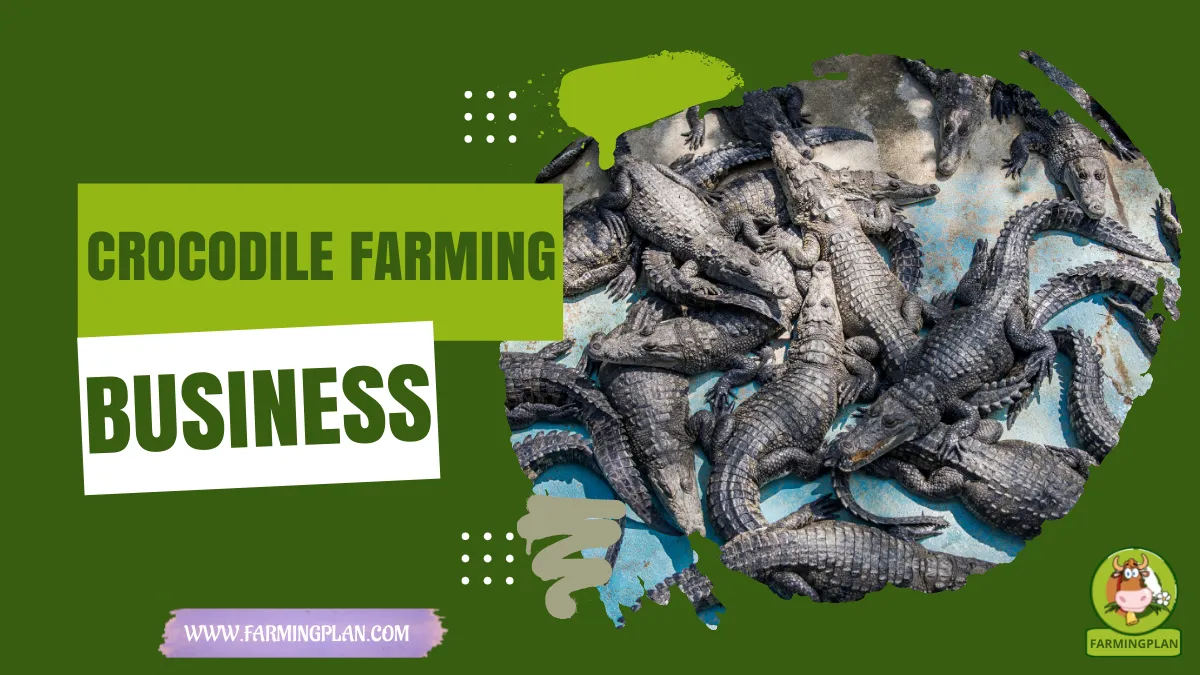
Launching a Crocodile Farming Business requires dedication, specialized knowledge, and strong capital, but it offers incredible financial rewards when you master the process. I have spent years working closely with exotic reptiles, and I can tell you that commercial crocodile farming is unlike any traditional livestock venture. High demand for crocodile skins from top fashion houses and luxury buyers drives the industry forward, while exotic meat sales generate steady local income.
This unique industry blends commercial agriculture, wildlife conservation, and international trade into a single profitable business model. Navigating strict regulatory compliance, international export treaties, and specialized care guidelines can feel overwhelming at first. However, once you understand site selection, water management, feeding schedules, and harvesting, you can turn a small facility into a high-yielding enterprise. In this comprehensive guide, I will share my firsthand experience to help you build a compliant, sustainable, and profitable crocodile farm from scratch.
History & Origin of Crocodile Farming Business
Decades ago, people relied on wild hunting to supply the world market with commercial crocodile skins and exotic products. Over-hunting severely depleted global wild populations of species like the Nile Crocodile (Crocodylus niloticus) and the Saltwater Crocodile (Crocodylus porosus). To halt population collapse, international bodies established strict regulations to protect these iconic reptiles. The turning point came with the implementation of the Convention on International Trade in Endangered Species (CITES), which strictly monitors trade under Appendix I and Appendix II classifications. Under CITES oversight, governments moved away from unstructured wild hunting and embraced commercial captive breeding and controlled ranching operations.
Global Expansion Across Key Regions
Crocodile Farming Business transformed from an experimental conservation strategy into a major global reptile industry. Countries with warm, tropical climates quickly established full-scale operations to supply international export markets. Regions like Queensland, Northern Territory, and Western Australia pioneered high-tech saltwater crocodile operations. In Africa, facilities near Lake Kariba in Zimbabwe and various commercial sites in Kenya developed extensive Nile crocodile operations. Meanwhile, Asian nations including Thailand, Vietnam, and Cambodia expanded massive captive breeding facilities for Siamese crocodiles. These global regions proved that regulated captive breeding protects wild populations while creating profitable export businesses.
Modern Commercial Integration and Value Chains
Today, modern commercial operations combine commercial livestock production with secondary income streams like eco-tourism. Wildlife management agencies, such as Zimbabwe Parks and Wildlife, the Kenya Wildlife Service, and Northern Territory Parks and Wildlife, work alongside private farmers to enforce humane practices. Modern facilities partner directly with elite tanneries like Zambezi Tanners to supply high-grade leather to luxury fashion icons like Hermès. Today, sustainable commercial production protects wild ecosystems while creating an internationally respected, highly lucrative industry.
Read More: Crocodile Farming Techniques: Safe Guide
Characteristics of Crocodile Farming Business
Crocodiles are extraordinary apex predators built with structural adaptations that have remained successful for millions of years. Their broad bodies feature heavy armor plated with dermal scutes, powerful tails designed for rapid aquatic propulsion, and massive jaw muscles capable of tremendous crushing force. Depending on the species, adult sizes vary considerably across commercial operations. The American alligator (Alligator mississippiensis) and freshwater crocodile (Crocodylus johnstoni) remain slightly smaller and easier to manage in contained facilities. In contrast, massive saltwater crocodiles (Crocodylus porosus) can reach lengths over 15 feet, requiring heavily fortified enclosures and specialized handling equipment.
Skin Quality and Commercial Grading Factors
Commercial buyers evaluate crocodiles primarily on the quality and condition of their belly skin scales. Unlike alligators, true crocodiles feature tiny sensory pit organs on their belly scales, creating an intricate pattern that luxury tanneries prize. Any physical injury, scratch, or scar severely drops the commercial grade of a leather hide. As a result, commercial producers design smooth nursery tanks and non-abrasive feeding pools to preserve flawless belly scales. Flawless hides sell for top dollar to luxury brands crafting high-end items like Birkin and Kelly handbags.
Environmental Adaptations and Thermal Dynamics
As ectothermic animals, crocodilians rely entirely on their surrounding climate to regulate their internal body temperature. They require steady ambient heat, clean freshwater sources, and ample sunlight to maintain active metabolisms and healthy immune function. When environmental temperatures drop, their digestion slows dramatically, making them vulnerable to disease and stalled growth rates. Understanding these unique physical traits helps you design ideal facilities that maximize growth speed while keeping your stock healthy and unblemished.
Nature/Temperament of Crocodile Farming Business
Crocodiles retain their wild, instinctual behaviors even when hatched and raised inside captive breeding facilities. They are apex predators that react swiftly to sudden movements, loud noises, and territorial encroachments. Large adult males jealously guard their space and fight aggressively during mating seasons. If you crowd mature animals into tight quarters, dominant individuals will attack weaker stock, causing severe injuries or mortality. Understanding these natural territorial instincts helps you design safe enclosures and plan smooth stock transitions.
Social Dynamics Across Growth Stages
Juvenile crocodilians display much higher tolerance for group housing than mature adults. Hatchlings routinely gather in tight nursery groups, resting together under warm basking lamps without aggressive behavior. However, as juveniles grow into sub-adults, their competitive instincts emerge during feeding times. Larger juveniles will quickly dominate smaller pen-mates, snatching food and biting tails or limbs. You must sort your stock regularly by size to prevent cannibalism, stress, and hide damage across your herd.
Handling Requirements and Human Safety
Working with adult crocodiles requires strict safety protocols, specialized tools, and experienced handler teams. These animals never truly become tame or friendly pets like domesticated livestock. Handlers use sturdy capture ropes, snout tapes, and specialized transport crates when moving mature breeding stock. Maintaining low-stress environments keeps the herd calm and reduces sudden defensive strikes. Respecting their wild nature ensures safety for your workers while protecting your animals from injuries.
Food & Diet of Crocodile Farming Business
Crocodiles are strict carnivores that require high-protein diets rich in essential nutrients to build muscle and produce high-grade hides. In commercial operations, you must provide fresh, wholesome meat sources that fulfill their biological needs without introducing harmful bacteria. A balanced commercial diet relies on fresh fish, poultry by-products, red meat trimmings, and whole small animals. Many modern operations mix fresh meat with specialized, nutrient-dense feed pellets fortified with essential vitamins and minerals.
Essential Mineral Supplements and Diet Safety
To support rapid skeleton growth and strong dermal scutes, you must supplement feed with calcium and phosphorus. I always blend powder calcium carbonate into raw meat mixes for growing juveniles to prevent metabolic bone conditions. In addition, rich sources of essential fatty acids like Omega-3 improve overall hide flexibility and support robust immune function. Never feed rotten, spoiled, or sour meat to your herd, as spoiled food triggers severe gastrointestinal outbreaks and mass mortality.
Feeding Schedule Guidelines and Dos & Don’ts
Establishing a consistent feeding routine keeps your herd calm and prevents feeding frenzies that cause bite wounds. Offer food during warm late afternoon hours when animal body temperatures are elevated for active digestion. Always clean out uneaten food remnants within two hours to keep water clean and clear.
- Do thaw frozen meat thoroughly to ambient temperatures before offering it to your stock.
- Do chop feed into small, easily swallowable pieces for growing hatchlings and juveniles.
- Don’t overfeed mature adults, as excess weight causes reproductive issues and organ failure.
- Don’t toss food into dirty, stagnant water where bacteria multiply rapidly.
Usage/Purpose of Crocodile Farming Business
The primary economic engine of any commercial crocodile farming business is the high-value leather trade. Luxury fashion houses pay premium prices for top-grade, flawless belly hides sourced from ethically managed farms. Tanneries process these raw hides into soft, flexible leather used to craft luxury boots, belts, wallets, and iconic handbags. Meeting strict international market standards for hide purity yields high profit margins per harvested animal.
Exotic Meat Sales and Culinary Markets
Crocodile meat is a valuable secondary product that yields steady revenue for commercial operations. The meat is lean, white, low in fat, low in cholesterol, and rich in Omega-3 fatty acids, making it a healthy protein choice. It offers a subtle flavor profile that chefs compare to a delicate cross between chicken and crab. You can supply frozen cuts, ribs, and tail fillets to specialty grocers, upscale local restaurants, and international culinary export buyers.
Secondary By-Products and Agritourism Opportunities
Every part of a harvested crocodile offers commercial value, ensuring zero waste across your processing line. Teeth, claws, and skulls are processed into unique jewelry, curios, and display pieces for collectors. In addition, fat extracts are refined for cosmetics and traditional ointments, while bone meal serves as rich agricultural fertilizer. Many producers also build eco-tourism facilities, collecting gate entry fees from educational farm tours and feeding demonstrations to boost cash flow.
Special Features of Crocodile Farming Business
Crocodiles possess an incredible immune system capable of fighting off severe bacterial threats and mechanical injuries. Their blood contains powerful antimicrobial peptides that target pathogens quickly, allowing wild animals to survive limb loss in murky swamp water without developing fatal infections. This biological resilience gives farmed stock strong natural resistance against common livestock illnesses when kept in clean conditions.
Exceptional Feed Conversion and Energy Efficiency
As ectothermic cold-blooded creatures, crocodiles do not burn dietary energy to maintain a warm internal body temperature. They convert a high percentage of their consumed food directly into body mass and muscle growth. Compared to traditional warm-blooded livestock like cattle or pigs, crocodiles require far less food per pound of gained weight. This efficient feed conversion ratio keeps long-term feeding expenses manageable for commercial producers.
Extraordinary Longevity and Breeding Longevity
Crocodiles enjoy impressive lifespans, frequently living for over 70 years in well-managed captive environments. A healthy breeding female remains fertile for decades, laying large clutches of eggs every year once she reaches maturity. Investing in top-tier breeding stock yields decades of reliable offspring without frequent replacement costs. This long-term productivity provides unmatched operational stability for forward-thinking farm owners.
Health Issues & Prevention of Crocodile Farming Business
Maintaining clean water systems is essential for preventing common bacterial and viral diseases in farmed crocodiles. Stress, overcrowded tanks, and dirty water invite opportunist infections like crocodile pox (parapoxvirus) and severe skin lesions. Bacterial threats like Salmonella, Pseudomonas, and severe salmonellosis cause intestinal inflammation, sluggish behavior, and rapid loss of appetite. Furthermore, systemic illnesses like West Nile virus can sweep through pens via mosquito vectors, threatening stock health.
Preventive Hygiene and Environmental Control
Preventing disease outbreaks is far more cost-effective than treating sick reptiles across a large facility. You should drain, scrub, and disinfect nursery pools regularly using approved non-toxic sanitizing solutions. Maintain water pH levels near neutral and install effective filtration systems to keep organic waste low. Providing ample dry basking space and direct sunlight helps sanitize animal hides naturally and keeps fungal growth under control.
Quarantine Procedures and Veterinary Care
Always isolate newly acquired stock or sick animals in a dedicated quarantine facility located away from main growing pens. Keep strict sanitation logs and require handlers to disinfect boots and tools when moving between pens. Partnering with a qualified reptile veterinarian ensures quick diagnosis and proper treatment when health issues pop up. Strict hygiene protects your valuable inventory and keeps production timelines on track.
“Patience And Precision Build A Thriving Crocodile Farming Business Enterprise.”
Step-by-Step Farming Guide for Crocodile Farming Business
Starting a commercial crocodile enterprise requires careful financial planning, legal compliance, precise facility construction, and daily operational discipline. You must establish a strategic crocodile farming business plan that outlines site acquisition, facility construction, stock purchasing, and export logistics. Securing commercial land leases in warm climates with abundant water is your first major operational milestone. You must also obtain all local wildlife permits, environmental clearances, and legal authorization under international CITES guidelines before bringing any animals onto your land.
Building secure infrastructure requires high-grade materials and practical engineering to prevent escapes and protect your herd. Your facility must include dedicated nursery tanks, spacious grower ponds, deep breeding lagoons, and robust security fencing buried deep into the ground. Partnering with established industry groups, such as the Crocodile Farmers Association of Zimbabwe or the Queensland Crocodile Industry Group, provides valuable technical guidance during setup. Follow these four detailed operational steps to establish and run your commercial facility successfully. If you are ready to take the next step, evaluate your local climate, check regional wildlife regulations, and draft your commercial business plan today.
Step 1: Site Selection, Permits, and Infrastructure Construction
Securing an ideal geographical location is the foundation of a successful enterprise. Choose a warm region where ambient temperatures stay between 86°F and 95°F year-round, minimizing winter heating expenses. Ensure your property has access to clean freshwater from deep wells or clean rivers to fill pens and support processing operations.
Obtain all necessary licenses from wildlife authorities like the Wildlife Protection Act inspectors or regional parks services. Build strong perimeter fences using thick concrete walls or high chain-link mesh buried at least one meter underground to stop burrowing. Design concrete pens with rounded corners so animals do not pile up and smother each other in tight spaces. Install sloped floors with large drain outlets so you can drain, wash, and refill pools effortlessly every few days.
Step 2: Sourcing Stock and Managing Hatchlings
Acquiring healthy starting stock is your next major milestone. You can buy hatchlings from certified commercial breeders or collect wild eggs if local regulations permit wild ranching. When receiving new hatchlings during the hatching season, place them immediately into clean, temperature-controlled nursery tanks equipped with shallow bathing pools.
Keep nursery water temperatures steady at 88°F to boost digestion and accelerate early growth rates. Cover young pens with protective wire netting to shield hatchlings from predatory birds and keep agile young crocs from climbing out. Feed hatchlings finely minced, fresh protein enriched with calcium powders six days a week. Keep stocking densities low so young animals grow evenly without biting each other’s tails or feet.
Step 3: Grow-Out Management and Size Sorting
As hatchlings grow into strong juveniles, transfer them into spacious grow-out facilities designed for commercial production. Group animals strictly by size and weight every three months to prevent larger crocs from bullying smaller pen-mates. Size sorting reduces stress, limits hide damage from aggressive bites, and keeps feed distribution even across the herd.
Maintain pristine water quality in grow-out pens by flushing uneaten food debris and waste daily. Provide abundant shaded land areas using shade cloth or native trees so animals can regulate their body temperatures safely without getting heat stroke. Feed growing stock 3 to 4 times per week with high-grade meat and fortified pellets to support steady weight gain. Keep handling minimal during this phase to preserve flawless, high-grade belly hides.
Step 4: Harvesting, Processing, and Market Export
When your stock reaches 3 to 4 years of age and achieves optimal hide dimensions, prepare them for harvesting. Move harvest-ready animals into quiet, clean finishing pens to clear their guts and ensure their hides are immaculate. Process animals humanely following strict international guidelines verified by animal welfare standards and certified inspectors.
Flay belly hides carefully to avoid cuts, then clean, salt, and chill them immediately to protect scale quality. Ship raw hides to certified tanneries like Zambezi Tanners or export them directly under valid CITES export permits. Process remaining meat cuts cleanly for local restaurants or frozen export markets, and process bone by-products into commercial feed ingredients. Marketing all parts of the animal ensures complete utilization and maximizes your total return on investment.
Read More: Crocodile Farming Industry: Powerful Guide
Expert Tips & Best Practices for Crocodile Farming Business
- Secure Reliable Cheap Feed Contracts: Partner directly with local poultry plants, fish processors, and commercial abattoirs to purchase cheap, fresh meat by-products in bulk.
- Invest in Top-Tier Drainage Systems: Install large 4-inch drain pipes with heavy-duty stopcocks so you can drain and clean pools quickly without clogging.
- Sort Stock Frequently by Size: Separate your herd every three months to eliminate cannibalism, lower stress, and prevent scratch marks on valuable belly hides.
- Maintain Strict Water Quality Control: Monitor pool pH and bacterial levels weekly to stop skin lesions and viral outbreaks before they spread.
- Build Sturdy Concrete Rounded Pens: Construct pens with smooth, rounded corners so animals cannot pile onto one another and suffocate in tight angles.
- Provide Abundant Basking Shade: Cover at least one-third of every land area with heavy shade cloth to shield stock from dangerous summer heat prostration.
- Lock In Tannery Contracts Early: Establish formal purchasing agreements with high-end tanneries and luxury skin buyers before harvesting your first major herd.
FAQs
Is Crocodile Farming Business a profitable business venture?
Yes, crocodile farming can be highly profitable due to the global demand for high-grade leather and exotic meat. Success requires significant initial capital, strict regulatory compliance, and effective herd management. High-grade hides sold to luxury tanneries generate substantial profit margins.
How long does it take to grow crocodiles for harvest?
Farmed crocodiles typically reach optimal harvest size within 3 to 4 years of age under controlled feeding regimes. At this stage, their belly hide width and meat yield match international commercial market demands. Proper heating and proper nutrition help shorten this growth timeline.
What licenses do I need to start a farm?
You must secure local wildlife permits, environmental impact clearances, and commercial farming licenses from regional conservation agencies. In addition, international exports require official CITES permits to prove your stock comes from legal captive sources. Always consult your local wildlife department before constructing pens.
What do farmed crocodiles eat daily?
Farmed crocodiles eat a carnivorous diet consisting of fresh fish, poultry by-products, red meat trimmings, and fortified pellets. Juveniles eat daily, while mature growing stock eat three to four times per week. Adding calcium and mineral supplements keeps their skeletons strong and skin healthy.
Can I raise crocodiles as casual backyard pets?
No, crocodiles are apex predators that grow large, territorial, and potentially dangerous to human handlers. They require specialized commercial containment, strict permits, and massive water volume to live safely. Commercial farming is designed for intensive production facilities rather than casual domestic environments.
Conclusion
Building a successful Crocodile Farming Business requires patience, technical skill, and dedicated management, but it yields incredible financial rewards in the global market. Throughout this guide, we explored how captive breeding preserves wild species under CITES frameworks while supplying luxury tanneries with top-grade leather. We covered physical traits, behavioral management, nutritional needs, and essential hygiene practices to protect your stock from common diseases. By building robust concrete pens, sorting stock by size, and securing cheap feed sources, you can turn your facility into an efficient commercial operation. Success comes down to daily operational discipline, humane care standards, and strong trade connections. Share your thoughts or questions in the comments below, and start your journey into commercial crocodile farming right now!