Tibetan pig farming changed my perspective on livestock forever because these animals possess an incredible spirit. I still remember the first time I saw a herd running across the windy high-altitude pastures of the Qinghai-Tibet Plateau. These unique domestic pig creatures handle extreme cold and thin air with absolute ease, unlike standard swine that struggle outside climate-controlled barns.
In this comprehensive guide, I will share my personal experiences and practical knowledge about managing this magnificent breed. Whether you want to expand your livestock herd, explore unique pig breeds, or learn about sustainable animal husbandry, these hardy mountain animals offer a rewarding journey for every passionate farmer.
History & Origin of Tibetan Pig
I find the evolutionary history of these high-altitude Tibetan Pigs absolutely fascinating. They belong to the species Sus scrofa and have lived alongside humans in the Tibet Autonomous Region for thousands of years. Genetic researchers use tools like the mtDNA control region and the mtDNA hypervariable segment I to trace their lineage. These studies show distinct genetic branches, including haplogroup M and haplogroup D1, which prove that small-scale domestication episodes occurred independently across these rugged mountains.
Survival on the Roof of the World
Living on the Qinghai-Tibet Plateau requires incredible evolutionary adaptations. Over millennia, natural selection fixed specific traits in their genetic structure to help them survive severe environmental pressures. Unlike the standard Swedish landrace pig or heavy industrial swine, this breed thrives in low-oxygen environments. My visits to Yunnan province confirmed that Yunnan native pigs share some of these ancient survival markers, but the true mountain variant remains the ultimate master of the highlands.
A Legacy Worth Preserving
Organizations like the Yunnan Agricultural University continuously study the selection signals and runs of homozygosity in these animals. Their research helps us understand how the population diversity remains stable despite geographical isolation. When you look at a pig breeds chart, you realize this animal represents a living piece of agricultural history. They represent a sustainable way of life that modern factory farming simply cannot replicate.
Read More: Welsh Pig: Why This Rare Breed Is Your Best Choice
Characteristics of Tibetan Pig
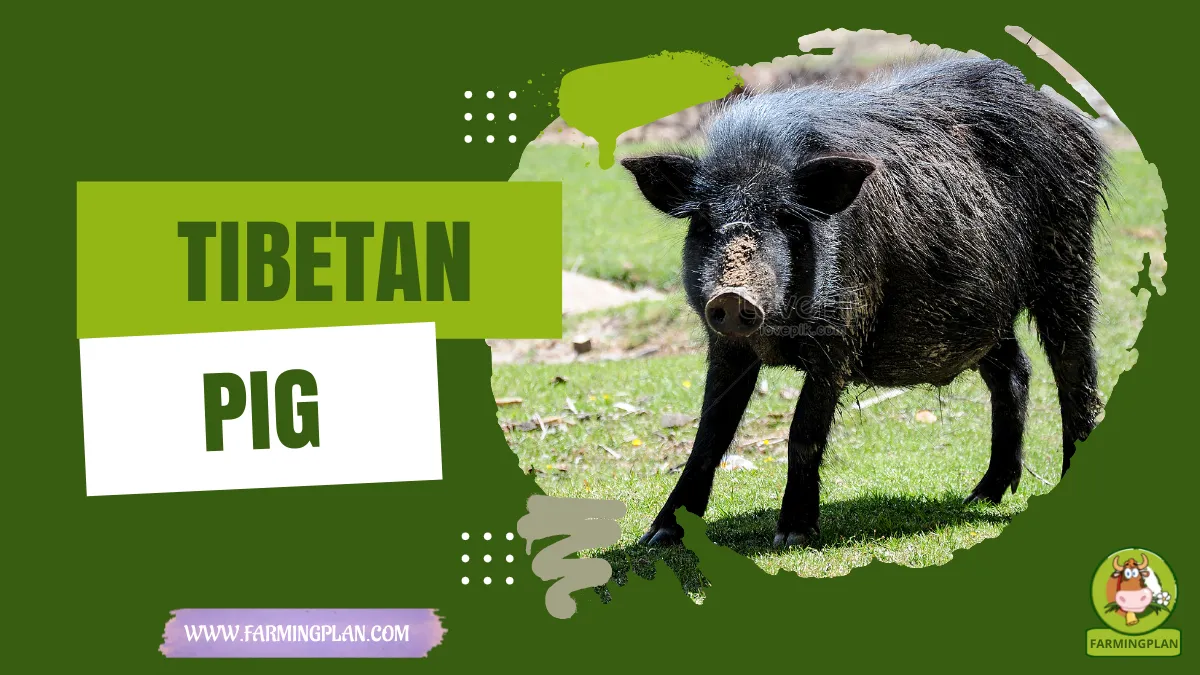
When you first see one of these animals, you will instantly notice how much they differ from common commercial swine breeds. They look completely different from a large white hog or a sleek Vietnamese pot-bellied pig. They feature a compact body covered in dense, coarse hair that protects them from freezing mountain winds. They have a prominent furry nose and small, beady black eyes that give them an alert, intelligent expression.
Built for the Rough Terrain
I love watching their agile movements around the farm. Their light skeletal structure and strong hooves allow them to climb steep hillsides that would cause a standard domestic pig to slip and fall. They rarely accumulate heavy backfat like a typical lard pig. Instead, their genetic characteristics favor muscle fat deposition, creating a beautifully marbled meat that chefs highly prize.
Comparison to Other Breeds
If you look at a list of swine breeds, you will see that most domestic Tibetan Pigs require soft bedding and warm shelters. These mountain hogs behave more like wild boars. They maintain a small, athletic frame that maxes out at around 35 to 50 kilograms. This smaller size makes them far more manageable than a massive 300-kilogram commercial sow, making them an excellent choice for alternative farmers.
Nature/Temperament of Tibetan Pig
I always tell new handlers that these animals possess a sharp, independent mind. They retain many wild instincts because they spent centuries foraging on open mountain ranges. They communicate constantly using a sharp snort or low grunts to keep the herd together. You cannot herd them using the same aggressive methods you might apply to a lazy Swedish landrace Tibetan Pig. They require respect, calm movements, and consistent routines.
Social Dynamics of the Herd
In my time managing them, I noticed they form incredibly tight family bonds. Sows protect their piglets fiercely and will work together to ward off potential predators. They love to explore every corner of their pasture, digging for roots and testing fences with their strong snouts. They exhibit a level of curiosity and problem-solving skills that easily rivals popular potbelly pigs.
Suitability for Farmers
Are they right for everyone? If you want an animal that sits quietly in a small pen all day, look elsewhere. These Tibetan Pigs need space to wander, explore, and forage. However, if you enjoy working with a smart, self-sufficient animal that handles bad weather without throwing a tantrum, you will love their bold personality. They bring a vibrant energy to the homestead that makes daily farm chores truly entertaining.
Food & Diet of Tibetan Pig
Feeding these animals requires a shift in your usual livestock mindset. While standard swine require expensive, high-protein grain concentrates, these mountain pigs thrive on coarse, fibrous feed sources. Their gastrointestinal tract contains a highly specialized gut microbiota that breaks down crude fiber with incredible efficiency. They can extract nutrients from tough grasses, wild roots, and mountain shrubs that other pigs cannot digest.
The Role of Specialized Gut Microorganisms
Inside their digestive system, cellulolytic microorganisms like Fibrobacter sp. produce high amounts of cellulase and hemicellulase. This microbial activity converts complex plant materials like cellulose and hemicellulose into short-chain fatty acids, including butyric acid. These short-chain fatty acids provide a major energy source for the animal. This unique glycan utilisation system ensures they maintain body weight even when grazing on poor-quality high-altitude pastures.
Creating a Balanced Farm Menu
On my farm, I supplement their pasture grazing with a mix of agricultural byproducts and local greens. I avoid giving them overly rich, sugary commercial feeds because it disrupts their natural gut homeostasis and can lead to unhealthy weight gain. Stick to a diet rich in dietary fibers, fresh water, and a reliable mineral mix. This simple approach keeps their fecal microbiota healthy, reduces the risk of digestive disease, and saves you a lot of money on feed bills.
Usage/Purpose of Tibetan Pig
The primary commercial value of this breed lies in the exceptional quality of its meat. Because they walk constantly and eat a natural diet, their muscle fat deposition creates an incredible flavor profile. The meat boasts high levels of essential nutrients and healthy fatty acids. The local processing industry in places like Nyingchi and Kongpo’gyada county turns this pork into premium cured products that fetch high prices in luxury urban markets.
Driving Local Agricultural Economies
I have watched the development of specialized industrial parks, such as the Linzhi Bajian Tibetan Pig Industry Feed Processing and Production Co., Ltd., breathe new life into rural economies. The local animal husbandry bureau often supports these initiatives because they raise the overall output value of the region. By focusing on this specific breed, smallholders can compete in a niche market instead of trying to battle large-scale commercial factory farms.
1. Premium Cured Ham -> High-end restaurants and specialty shops
2. Fresh Organic Pork -> Health-conscious consumer markets
3. Breeding Stock -> Smallholders looking for hardy genetics
4. Cultural Tourism -> Educational farm stays and eco-tours
Cultural and Ecological Significance
Beyond the market sales, these animals hold a deep spiritual and cultural place in their homeland. They appear in traditional Tibetan astrology and the rituals of Yungdrung Bön during the twelve-year cycle. Locals believe that caring for these native animals generates spiritual merit during celebrations like Losar. They even play a symbolic role in healing practices and soul and life-force retrieval rituals like the Bar Che Lam Sel, making them a true cultural treasure.
Raising Swine On High Altitudes Teaches Us True Resilience and Patience.
Special Features of Tibetan Pig
The most incredible feature of the Tibetan pig is its natural resistance to hypoxia, or low oxygen levels. If you bring a standard domestic pig to an altitude of 4,000 meters, its heart and lungs will fail quickly. These mountain pigs use advanced genetic mechanisms to thrive where air is thin. Scientists using resequencing and XP-CLR analysis discovered that these animals possess specialized genes for DNA repair and immune regulation that protect their organs from altitude sickness.
Superior Cold Tolerance for Tibetan Pig
Their thick skin and dense bristle coat act as an excellent natural insulator against sudden temperature drops. I have seen them sleeping comfortably outside while the morning frost covers the grass around them. Their strong metabolism allows them to convert dietary fibers into internal heat efficiently. This trait keeps them active and productive during bitter winter months when other livestock species require heated barns to survive.
Efficient Resource Utilization
Their unique gut microbiome allows them to make the most out of very little. Their body uses microbiota-derived succinic acid and special cellular receptors like GPR109A and GPR43 to manage energy levels and maintain intestinal health. This complex physiological system means they require less human intervention, less expensive medicine, and less imported feed than almost any other swine breed on the planet.
Health Issues & Prevention of Tibetan Pig
While these pigs boast excellent natural health, they can still experience issues if you disrupt their natural lifestyle. Sudden changes in their diet can upset their gut microbiota and cause digestive upset. If you feed them low-fiber, high-grain diets, you risk depressing the helpful Clostridiaceae, Bacteroidaceae, and Erysipelotrichaceae populations in their intestines. This imbalance can trigger the NLRP3 inflammasome and cause severe gut inflammation.
Preventative Care Strategies for Tibetan Pig
I keep my herd healthy by focusing heavily on preventative care and cleanliness. Make sure your pigs always have access to clean, fresh water to support their fiber-heavy digestion. Clean their pens regularly to prevent the buildup of harmful bacteria that cause respiratory or skin problems. Even though they possess superior immune regulation, a clean environment prevents minor issues from turning into herd-wide outbreaks.
Parasite Control on Pasture for Tibetan Pig
Because these animals love to root in the dirt and graze on open pastures, they can pick up internal parasites easily. I implement a regular pasture rotation schedule to break the parasite life cycle naturally. I also perform routine fecal checks to see if they require targeted treatment. Keeping your pasture clean and well-managed ensures your animals grow strong and maintain their legendary vitality without relying on heavy chemical interventions.
Step-by-Step Farming Guide/Pet Owner Care Guide
Starting a farming operation with these incredible animals requires a clear, organized plan. You cannot simply throw them into a standard mud pen and expect them to thrive. I learned through years of trial and error that success depends on mimicking their natural high-altitude environment as closely as possible.
Building Your Foundation for Mountain Swine Management
You must provide them with adequate space to forage, sturdy fencing to contain their clever escape attempts, and a management routine that respects their independent nature. By focusing on proper setup and daily care, you will create a low-stress environment where your animals can grow efficiently and stay healthy. Let us walk through the essential steps to get your pasture-based enterprise running smoothly.
Step 1: Designing and Securing the Foraging Pasture
You must build a strong, secure pasture perimeter before you bring your first animals home. These pigs love to explore and can easily push under weak fences using their strong snouts. I recommend using high-quality woven wire fencing reinforced with a single strand of electric wire near the ground. This combination stops them from digging underneath the fence line. Make sure your pasture contains plenty of diverse vegetation, including deep-rooted grasses and brush, so they can satisfy their natural instinct to forage for crude fiber. Provide a simple, three-sided shelter that blocks the prevailing winds and keeps them dry during heavy rainstorms.
Step 2: Establishing the Feeding and Nutrition Protocol
You need to manage their daily diet carefully to keep their specialized digestive system working perfectly. Let your herd spend the majority of their day grazing on your pasture to gather natural dietary fibers. Every morning, I offer them a measured supplement of high-fiber agricultural byproducts like wheat bran or alfalfa meal. Avoid using commercial hog feeds designed for rapid weight gain because these rich diets can trigger inflammation and ruin their meat quality. Always provide multiple clean water stations across the pasture. Water plays a crucial role in helping their gut microbiota break down tough plant materials through pectin degradation and fermentation.
Step 3: Managing the Breeding and Farrowing Cycle
Breeding these pigs requires patience and a natural approach. I keep my breeding pairs together in large pasture lots to allow for natural mating behavior. Sows typically have smaller litters than industrial swine, usually ranging from five to eight piglets per litter. As the farrowing date approaches, provide the sow with plenty of clean straw bedding in a quiet, protected shelter. She will build a neat, circular nest to protect her young. Keep your distance during the birth process unless an emergency arises, as these mothers possess strong protective instincts. Ensure the piglets nurse successfully within their first hours to receive vital colostrum.
Read More: Goat Fencing: Secure Your Ultimate Guide for Livestock Success
Expert Tips & Best Practices for Tibetan Pig
- Rotate Your Pastures Constantly: I move my herd to fresh ground every two to three weeks to prevent overgrazing, manage internal parasites, and give the forage time to regrow.
- Provide Sturdy Rubbing Posts: These pigs love to scratch their thick skin. Install heavy wooden posts wrapped in rough rope to give them a place to groom themselves safely.
- Keep Training Rewards Simple: Use small handfuls of whole grains or fresh root vegetables to train your pigs to follow you or enter transport trailers easily.
- Monitor the Herd Using Active Observation: Spend ten minutes every day watching your animals interact. A healthy pig moves quickly, carries an alert posture, and makes frequent snorting noises.
- Build Relationships with Local Agricultural Officials: Connect with your local animal husbandry bureau to stay updated on regional health guidelines, breeding licenses, and processing regulations.
FAQs
What makes the Tibetan pig different from a Vietnamese pot-bellied pig?
The mountain breed possesses unique genetic adaptations for high-altitude hypoxia and severe cold survival. They also maintain an athletic, lean frame and thrive on high-fiber diets that standard potbelly variants cannot process efficiently.
Can these high-altitude pigs survive in hot climates?
They tolerate cold weather beautifully, but they can struggle in extreme heat and humidity due to their thick coats. You must provide ample shade, wallows, and fresh water if you raise them in warmer regions.
How big do these pigs get when they reach full maturity?
They generally grow to a compact size, reaching between 35 and 50 kilograms at maturity. This smaller size makes them much easier to manage on small farms compared to massive commercial swine breeds.
What do these animals eat on an open pasture?
They eat a wide variety of natural foods, including tough mountain grasses, wild roots, leaves, and shrubs. Their specialized gut microorganisms allow them to extract high levels of nutrients from these high-fiber sources.
Is the meat from this breed expensive in the marketplace?
Yes, consumers pay a premium price for this pork due to its excellent marbling, rich nutrient content, and unique flavor. The processing industry often turns it into high-end cured hams and specialty products for luxury markets.
Conclusion
Raising the Tibetan pig offers a fantastic path toward sustainable, pasture-based livestock production. My journey with these resilient high-altitude animals has shown me that traditional breeds hold the key to resilient farming ecosystems. Their incredible capacity to digest crude fiber, resist harsh weather, and produce premium-quality meat makes them an invaluable asset for any alternative farmer or breeder. By preserving their unique genetic traits and respecting their independent nature, we can build a more diverse and stable agricultural future. What are your thoughts on adding these hardy mountain swine to your homestead? Leave a comment below, share your experiences with native breeds, or pass this guide along to a fellow livestock enthusiast!