As a cattle specialist, I have spent many years working with different breeds, but the Texas Longhorn always stands out. Texas Longhorn cattle combine beauty, toughness, and history in a single animal. Many people ask me whether a Longhorn is a cow or a bull, why these cattle have such long horns, and why ranchers still value them today. In this guide, I will share my practical experience with Texas Longhorn cattle, female Longhorns, Longhorn bulls, and their role in modern farming. From Texas history and Spanish origins to breeding, feeding, and care, this article explains everything in simple language.
Whether you are a beginner farmer, cattle breeder, hobby rancher, or animal lover, this guide will help you understand why the Texas Longhorn remains one of America’s most famous cattle breeds. If you found this guide useful, share it with fellow cattle enthusiasts, leave a comment, and join the conversation about preserving this incredible piece of American ranching heritage.
History & Origin
The history of the Texas Longhorn begins centuries ago. Spanish conquistadors brought Criollo cattle from Hispaniola, also called La Isla Española, during the Second Voyage of Christopher Columbus. These animals reached Mexican settlements and later traveled into Texas. The Spanish retinto or criollo cattle adapted to harsh environments. Over many years, natural selection created a tough animal that could survive heat, drought, disease, and poor grazing conditions. These early cattle eventually became the foundation of modern Texas Longhorn cattle.
Texas Cowboys And The Open Range Era
During my visits to historic ranches, I often hear stories about Texas cowboys driving Longhorn herds across Kansas and Missouri. After the Civil War, ranchers moved thousands of cattle north to the Union Stockyards. Texas Longhorns became extremely valuable because they could walk long distances and survive difficult conditions. Their hard hooves, strong legs, and excellent endurance made them ideal trail cattle.
The Decline And Preservation Of The Breed
The introduction of barbed wire fences changed cattle ranching. Ranchers began favoring English cattle breeds and Longhorn Herefords for beef production. The Longhorn population dropped rapidly. Conservation programs saved the breed. Herd managers at protected areas such as Fort Griffin State Historic Site in Albany, TX, worked to preserve original bloodlines. Today, visitors can enjoy interpretive exhibits and visitor centers that explain Texas history and cattle heritage.
Modern Organizations And Breed Promotion
The Texas Longhorn Breeders Association of America supports breeders through membership programs, Texas Longhorn Trails Magazine, youth events, and educational resources. Organizations such as the Texas Longhorn Breeders of Tomorrow and the Texas Longhorn Breeders of America Foundation encourage young ranchers to continue the tradition.
Read More: Holland Chicken Amazing Heritage Breed Guide
Characteristics
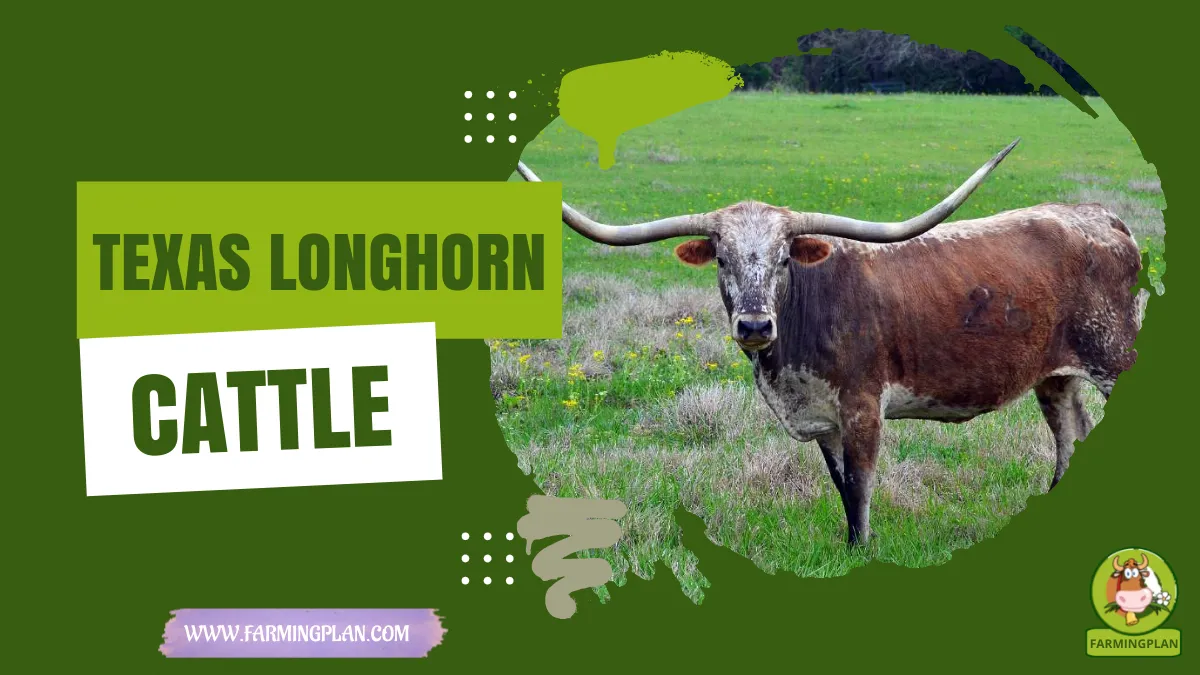
The most recognizable feature of the Texas Longhorn is its impressive horn spread. Mature Longhorn bulls often develop horns exceeding six feet from tip to tip. Some animals have even entered the Guinness Book of Records. The famous cow 3S Danica became known for her extraordinary horn measurements. Horn measuring competitions remain popular at cattle shows and breeder events.
Coat Colors And Physical Appearance
I always tell beginners that no two Texas Longhorns look exactly alike. Their colors vary greatly and may include:
- Red
- White
- Black
- Brown
- Speckled
- Brindle
- Blue roan
- Yellow
- Mixed patterns
This wide range of color makes every animal unique.
Size And Body Structure
Longhorn bulls usually weigh between 1,400 and 2,200 pounds. Female Longhorn cattle often weigh between 800 and 1,200 pounds. Their bodies appear lean compared to many beef breeds. Their long legs and strong hooves help them travel long distances. Their heat tolerance allows them to perform well in many climates.
Differences From English Longhorn Cattle
Many people confuse Texas Longhorn cattle with English Longhorn cattle. The English breed developed from Bakewell stock in England and has a different body shape and horn structure. Texas Longhorns generally have wider horn spreads and greater environmental adaptability. English cattle breeds usually focus more on beef production and less on survival traits.
Nature & Temperament
From my experience, Texas Longhorns usually display calm behavior when handled correctly. They remain alert and intelligent, but they rarely become aggressive without reason. Young calves often become friendly when ranchers spend time with them. Female Longhorns show excellent maternal instincts and protect their calves carefully.
Herd Behavior And Social Structure
Longhorn cattle enjoy living in groups. They establish clear social rankings inside the herd. Bulls often compete for dominance, especially during breeding seasons. Because of their strong instincts, they handle pasture life very well. They graze efficiently and explore large areas in search of forage.
Suitability For Different Owners
I recommend Texas Longhorns for:
- Small ranch owners
- Beginner cattle farmers
- Heritage breed enthusiasts
- Sustainable livestock producers
- Educational farms
- Youth livestock programs
Their easy calving ability and disease resistance make them suitable for many operations.
Working With Longhorn Bulls
Longhorn bulls require careful handling because of their size and horn spread. Good fencing and proper facilities help maintain safety. Experienced ranchers teach young animals to respect human boundaries. Calm handling reduces stress and creates manageable cattle.
“Handle Texas Longhorns quietly and consistently. Their intelligence allows them to remember both good and bad experiences.”
Cultural Importance In Texas
The Texas Longhorn represents Texas history and culture. The breed appears in festivals, museums, educational exhibits, and ranch programs throughout the state. The famous mascot Bevo at the University of Texas at Austin has introduced millions of people to the breed. The Longhorn symbol also connects with Texas Athletics, football games, pep rallies, and the Longhorn band known as the Showband of the Southwest.
Food & Diet
As a cattle specialist, I always tell new ranchers that Texas Longhorn cattle developed their survival skills over centuries. These cattle evolved on open ranges where they searched for grasses, shrubs, and native plants. Because of this history, they remain excellent grazers today. Texas Longhorns require less feed than many commercial beef breeds.
Their efficient digestive systems allow them to convert rough forage into energy. I have raised Longhorns on pasture systems where other cattle breeds needed additional supplements. Pasture grasses remain the foundation of their diet. Native grasses, Bermuda grass, fescue, and mixed grazing fields work very well. Rotational grazing improves pasture quality and reduces overgrazing.
Essential Nutrients For Healthy Cattle
Every Texas Longhorn needs several important nutrients:
- Fresh pasture grasses
- High-quality hay during winter
- Clean drinking water
- Mineral supplements
- Salt blocks
- Protein supplements when necessary
Calves require additional nutrients during growth stages. Pregnant female Longhorns need extra minerals to support healthy calves. Breeding bulls also need balanced nutrition before the breeding season.
Feeding Calves And Young Stock
Young calves depend on their mothers for milk during their early months. After several weeks, calves begin eating grass and feed supplements. I usually provide creep feed for growing calves. This practice improves growth while reducing stress during weaning. Good nutrition supports strong bones, healthy horns, and proper muscle development.
Foods To Avoid
Some feeds can harm cattle. I advise ranchers to avoid:
- Moldy hay
- Spoiled silage
- Toxic plants
- Excess grain feeding
- Contaminated water
- Sudden feed changes
Overfeeding grain may cause digestive problems. Texas Longhorn cattle perform best when ranchers focus on quality forage.
Seasonal Feeding Management
Summer heat can reduce feed intake. During hot weather, I provide additional water and shade. Winter conditions require extra hay and energy-rich feeds. Good nutrition supports reproduction, growth, and overall health. A balanced feeding program also improves Texas Longhorn stock quality and market value.
Usage & Purpose
Many people ask me whether Texas Longhorn cattle work well for beef production. The answer is yes. Longhorn beef contains less fat and cholesterol than many traditional beef breeds. Their lean meat appeals to health-conscious consumers. Modern ranchers often market Longhorn beef directly to local customers. Small farms can benefit from specialty meat sales. Because these cattle require fewer inputs, they fit well into sustainable farming systems.
Breeding And Genetic Preservation
Texas Longhorn breeders focus heavily on preserving valuable bloodlines. Organizations such as the Texas Longhorn Breeders Association of America encourage responsible breeding programs.
Many ranchers raise Longhorns for:
- Breeding stock sales
- Registered cattle programs
- Horn genetics
- Color genetics
- Youth livestock projects
The Texas Longhorn Breeders of Tomorrow program helps young people learn breeding skills and cattle management.
Show Cattle And Competition Events
Texas Longhorns perform extremely well in livestock shows. Events such as:
- Fort Worth Stock Show & Rodeo
- TLBAA World Show
- Texas Gold Futurity
- Horn measuring competitions
- Awards banquets
- Select sales
These events allow breeders to display their animals and improve industry connections.
Tourism And Historical Education
Historic sites and state parks use Longhorn cattle to teach Texas history. Fort Griffin State Historic Site preserves original cattle lines and offers educational exhibits. Visitors enjoy interpretive exhibits, visitor centers, and guided programs that explain the role of Texas cowboys and cattle drives.
Cultural And University Connections
The University of Texas at Austin uses the Longhorn as its famous mascot. Bevo represents school spirit at football games, baseball, volleyball, softball, men’s tennis, and other Texas Athletics events. The Longhorn band, known as the Showband of the Southwest, performs during halftime shows, pep rallies, parades, and special events.
Ranch Investment Opportunities
Texas Longhorn stock continues to attract investors. High-quality breeding animals often sell for significant prices. Registered cattle with exceptional horn measurements or genetics may command premium values.
Special Features
The most famous feature of the Texas Longhorn remains its horns. Longhorn bulls and cows both grow horns, although bulls often develop thicker bases. Some animals reach extraordinary measurements. The Guinness Book of Records has recognized several Longhorns for exceptional horn spans. The famous cow 3S Danica became widely known for her record-setting horns. Horn measuring competitions remain popular at cattle events.
Outstanding Disease Resistance
Texas Longhorn cattle possess strong natural resistance to many diseases and parasites. Their centuries of natural selection helped create hardy animals. I have personally noticed that Longhorns often require fewer veterinary treatments than many commercial breeds. Their strong immune systems reduce management costs.
Easy Calving Ability
Female Longhorns usually experience fewer calving problems. Their calves have relatively low birth weights, which reduces difficult deliveries. This trait benefits both beginner and experienced ranchers. Lower veterinary expenses and healthier calves improve farm profits.
Heat And Drought Tolerance
Texas weather can become extremely hot. Longhorns handle heat very well because their ancestors survived harsh climates for centuries. Their ability to travel long distances in search of forage makes them excellent cattle for dry regions. Many ranchers appreciate their drought resistance.
Long Lifespan And Productivity
Texas Longhorn cows often remain productive for many years. Some cows continue producing calves well beyond the age at which other breeds retire. Their longevity helps reduce replacement costs and improves herd stability.
Strong Historical Legacy
Few cattle breeds carry such deep historical connections. Texas Longhorns link modern ranchers to:
- Spanish conquistadors
- Texas cowboys
- Civil War history
- Kansas cattle drives
- Early ranching traditions
- American western heritage
This unique heritage attracts many breeders and heritage travelers.
Expert Tip: “The Texas Longhorn is more than cattle. It represents centuries of survival, adaptation, and ranching history.”
Health Issues & Prevention
Common Health Problems
Although Texas Longhorns enjoy excellent health, they still face certain diseases and conditions.
Common health issues include:
- Internal parasites
- External parasites
- Respiratory infections
- Pinkeye
- Foot problems
- Mineral deficiencies
- Reproductive disorders
Early detection allows faster treatment and better recovery.
Parasite Control Programs
Parasites can reduce growth and productivity. I regularly monitor manure samples and body condition scores. Rotational grazing helps reduce parasite populations. Strategic deworming programs also protect herd health. Ticks and flies may cause irritation during warm months. Fly control systems improve comfort and reduce disease transmission.
Vaccination And Preventive Care
Every ranch should follow a vaccination schedule developed with a veterinarian. Important vaccinations often include:
- Blackleg
- Respiratory diseases
- Reproductive diseases
- Clostridial infections
Vaccines protect both calves and adult cattle. Preventive care costs less than disease treatment.
Recognizing Illness Symptoms
Healthy cattle remain alert and active. Ranchers should watch for:
- Reduced appetite
- Weight loss
- Coughing
- Nasal discharge
- Limping
- Diarrhea
- Fever
I inspect my cattle daily because early detection saves lives.
Horn And Hoof Management
Large horns require safe handling facilities. Animals need adequate space to avoid injuries. Hoof health remains important. Texas Longhorns usually develop strong hooves, but muddy conditions can create problems. Regular pasture inspections help prevent injuries from sharp objects and damaged fencing.
Biosecurity And Herd Protection
New animals should remain isolated before joining the herd. Quarantine periods help prevent disease spread. Clean water sources, proper nutrition, and low-stress handling improve immunity. Good management practices protect both valuable breeding stock and young calves. Maintaining detailed health records allows ranchers to monitor treatments, vaccinations, and breeding performance throughout the year.
Step-by-Step Texas Longhorn Farming Guide
As a cattle specialist, I often meet people who dream about raising Texas Longhorn cattle but feel nervous about getting started. The good news is that these cattle rank among the easiest breeds to manage. Their strong genetics, excellent mothering ability, and natural survival instincts help beginners succeed.
Building A Successful Texas Longhorn Ranch
Texas Longhorn cattle adapt to different climates, grazing systems, and ranch sizes. Whether you own a few acres or a large ranch, you can build a healthy herd with proper planning. I always tell new owners that success begins with preparation, patience, and daily observation. The following steps come directly from my own practical experience. They provide a clear roadmap for raising healthy Longhorn bulls, female Longhorns, and calves.
Step 1: Select Quality Breeding Stock
The first step involves purchasing healthy animals from reputable breeders. I always recommend registered Texas Longhorn cattle whenever possible.
Look for:
- Strong body condition
- Good horn growth
- Healthy feet and legs
- Calm temperament
- Clean eyes and nose
- Proper vaccinations
Organizations such as the Texas Longhorn Breeders Association of America can help locate trusted breeders. Study the animal’s bloodlines, horn measurements, and breeding history. A healthy foundation herd produces better calves and fewer management problems. Avoid buying cattle simply because they have low prices. Cheap animals often create expensive problems later.
Step 2: Prepare Safe Pastures And Fencing
Texas Longhorns need secure fencing because of their large horn spreads. I usually recommend strong perimeter fences with adequate spacing.
Pastures should provide:
- Natural grasses
- Shade trees
- Fresh water
- Wind protection
- Dry resting areas
Rotational grazing improves pasture health and reduces parasite problems. Dividing large fields into smaller paddocks allows grass recovery. Inspect fences regularly. Broken wires or damaged gates can cause escapes and injuries. Proper facilities also include working pens, loading areas, and handling chutes designed for horned cattle.
Step 3: Develop A Feeding Program
Nutrition directly affects growth, reproduction, and overall health. I base my feeding program on pasture quality.
During grazing seasons, Longhorns obtain most nutrients from grass. During drought or winter months, I provide:
- High-quality hay
- Mineral supplements
- Salt blocks
- Protein supplements if needed
Pregnant cows need additional nutrition before calving. Growing calves require balanced feed for proper development. Always provide clean water. A mature Longhorn may drink many gallons each day during hot weather.
Step 4: Establish A Health Management Plan
Healthy cattle require preventive care. I work closely with veterinarians to create vaccination programs.
Important management practices include:
- Vaccinations
- Parasite control
- Hoof inspections
- Breeding records
- Weight monitoring
Observe cattle daily. Changes in appetite, movement, or behavior often indicate health problems. Quarantine new animals before adding them to the herd. This practice helps prevent disease outbreaks. Good records allow ranchers to track treatments and breeding performance.
Step 5: Manage Breeding And Calving
Texas Longhorn cows usually calve easily. Their strong maternal instincts help calves survive. Breeding bulls should remain healthy and maintain proper body condition. Most ranchers schedule breeding seasons to match favorable weather conditions.
During calving season:
- Monitor pregnant cows regularly.
- Prepare clean calving areas.
- Observe newborn calves.
- Confirm nursing activity.
Calves should receive colostrum shortly after birth. Early care supports strong immunity. Proper breeding management improves herd quality and long-term productivity.
Step 6: Market Your Texas Longhorns
Many ranchers earn income through:
- Breeding stock sales
- Registered cattle sales
- Beef production
- Youth projects
- Livestock shows
- Specialty genetics
Events such as the TLBAA World Show, Texas Gold Futurity, and Fort Worth Stock Show & Rodeo provide excellent marketing opportunities. Building relationships with buyers increases long-term success. Quality animals and honest communication create repeat customers.
Read More: Zhedong Goose Master Guide for Farmers
Expert Tips & Best Practices
Practical Advice From My Ranch Experience
After many years of working with Texas Longhorn cattle, I have learned several valuable lessons that help ranchers succeed.
- Start with a small herd before expanding.
- Purchase cattle from respected breeders.
- Handle cattle quietly and consistently.
- Maintain detailed health records.
- Rotate grazing pastures regularly.
- Provide mineral supplements year-round.
- Inspect fences every week.
- Monitor horn growth and spacing.
- Keep breeding records for every animal.
- Attend Longhorn shows and educational events.
Improve Genetics Gradually
Do not rush breeding decisions. Select animals with strong genetics, good horns, calm temperaments, and healthy bloodlines. Breeding quality always produces better results than increasing herd size quickly.
Participate In Industry Programs
Organizations and youth programs offer excellent learning opportunities:
- Texas Longhorn Breeders Association of America
- Texas Longhorn Breeders of Tomorrow
- Texas Longhorn Breeders of America Foundation
- Texas Longhorn Trails Magazine
These groups provide educational materials, networking opportunities, and industry updates.
Learn From Other Ranchers
I encourage every new breeder to visit established ranches. Experienced cattle producers often share practical advice that books cannot teach. Attend affiliate meetings, board meetings, cattle sales, and educational seminars whenever possible.
“Successful Longhorn breeding depends more on patience and observation than expensive equipment.”
FAQs
Is A Longhorn A Cow Or A Bull?
Texas Longhorn refers to the breed, not the gender. Male animals are Longhorn bulls, while females are Longhorn cows.
Why Do Longhorns Have Long Horns?
Long horns helped their ancestors defend themselves against predators and survive harsh conditions. Selective breeding also enhanced horn growth over many generations.
How Long Do Texas Longhorn Cattle Live?
Many Texas Longhorn cows remain productive for 15 to 20 years. Some individuals live even longer with proper care.
Are Texas Longhorns Good For Beginners?
Yes. Their easy calving, disease resistance, and efficient grazing make them suitable for many beginner ranchers.
What Is The Difference Between Texas Longhorn And English Longhorn?
Texas Longhorns developed from Spanish cattle and adapted to harsh environments. English Longhorn cattle originated in England and have different body types and horn structures.
Conclusion
Texas Longhorn cattle represent much more than a livestock breed. They carry centuries of history, remarkable survival abilities, and deep connections to Texas ranching traditions. From Spanish criollo ancestors and Texas cowboys to modern breeders and livestock shows, these cattle continue to impress ranchers around the world. Their long horns, excellent health, easy calving, and efficient grazing make them valuable for both beginners and experienced producers. Through proper nutrition, health care, breeding management, and responsible ownership, anyone can enjoy success with this remarkable breed. I hope my experience helps you better understand and appreciate the Texas Longhorn.