
As a professional animal breeder and livestock specialist, I have raised countless small animals over the years, but the Netherland Dwarf rabbit always holds a special place in my barn. This compact rabbit breed packs a huge personality into an impossibly small, cobby body. If you are looking for a lively Netherland dwarf rabbit for sale or searching for a Netherland dwarf rabbit price guide, you must first understand their unique needs. Proper nurture, balanced food, and adequate housing will keep your pet healthy.
In this comprehensive guide, I share my personal experience to help you care for your bunny correctly. The Netherland Dwarf rabbit stands out as one of the most popular dwarf breeds across the globe. As a dedicated animal handler, I always get excited to discuss these compact bunnies. In this article, I will share my firsthand experience with their care, diet, and unique traits. We will look closely at the Netherland dwarf rabbit price, average Netherland Dwarf rabbit lifespan indoors, and how big a Netherland Dwarf rabbit full grown really gets in centimeters.
History & Origin Of Netherland Dwarf Rabbit
The story of this charming rabbit breed began in the Netherlands during the early twentieth century. Breeders crossed small wild rabbits with domestic Polish breeds to develop a tiny, compact animal with a brachycephalic head structure. Jan de Meyere led much of the early refinement work to standardise their distinct look. The breed survived severe shortages in Europe during World War II, thanks to dedicated fanciers who protected the remaining stock.
By 1950, breeders in the United Kingdom imported these small rabbits, and the British Rabbit Council quickly recognized them. Later, fanciers brought them to the United States, leading to official recognition by the American Rabbit Breeders Association (ARBA) in 1969. The American Netherland Dwarf Rabbit Club helped set the Standard of Perfection for show quality aesthetics. Today, whether you look at historical breeding logs or read modern issues of Dwarf Digest, this breed remains a favorite worldwide.
Characteristics
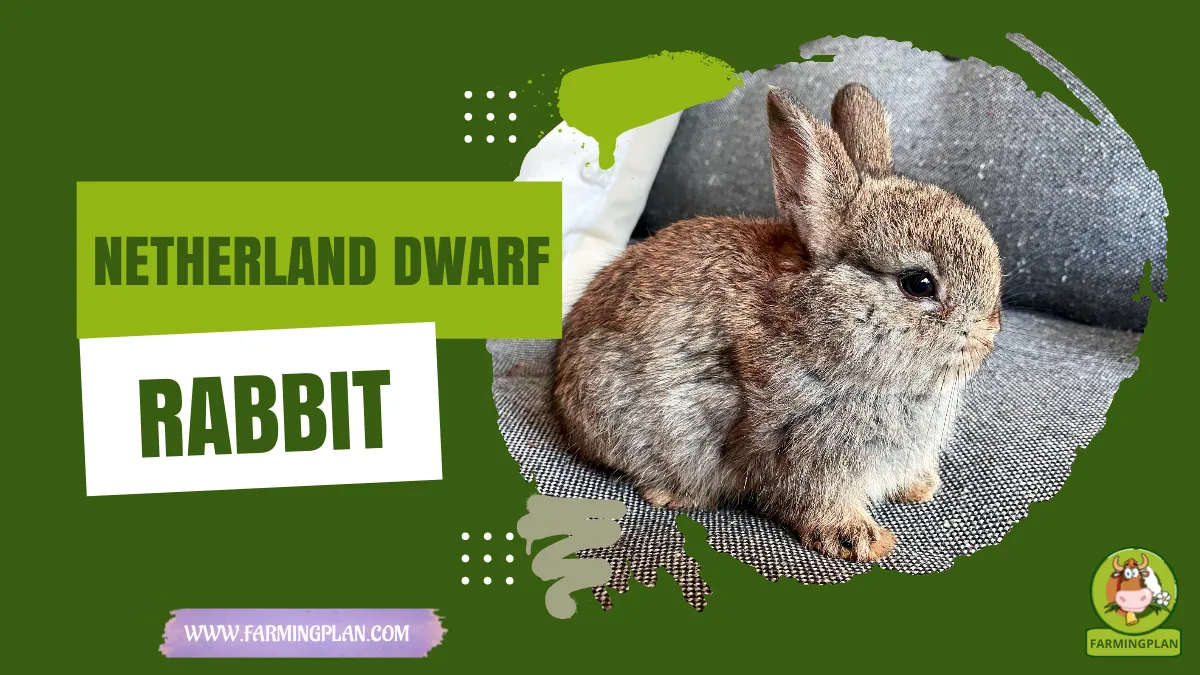
The Netherland Dwarf rabbit features a distinct cobby body with short legs and a bold, rounded head. When looking at a Netherland Dwarf rabbit full grown, their weight stays light, usually between 1.5 to 2.5 pounds. The official Netherland Dwarf rabbit size in cm ranges from 19 to 23 cm in body length. Their ears stay very short, typically under 5 to 6 cm, standing upright on top of their broad head.
Genetics plays a major role in their physical makeup. The dwarf gene (symbol Dw) dictates their physical size. When breeding, a kit inheriting two copies of the dwarf gene becomes what breeders call “peanuts.” These kits unfortunately cannot survive. A single copy produces “true dwarfs,” which meet strict show standards. Rabbits with no dwarf gene are called “False Dwarfs” or “BUDs” (Big Ugly Does). These larger rabbits lack the show traits but make fantastic, healthy breeding stock for any dedicated rabbit breeder.
The genetics of this breed center on the dwarf gene (symbol Dw). A true dwarf carries one copy of the dwarfing gene and one normal gene ($Dw/dw$). When you mate two true dwarfs, the genetic pattern yields three possibilities:
- True Dwarfs ($Dw/dw$): Display the classic compact body, short ears, and show quality standard.
- False Dwarfs ($dw/dw$): Inherit two normal genes. They grow slightly larger, have longer ears, and lack the classic cobby body, making them ideal brood animals.
- Peanuts ($Dw/Dw$): Inherit two dwarf genes. Sadly, these kits suffer from severe physical underdeveloped traits and do not survive past a few days.
Read More: Babi Kampung Pig Raising Secrets You Need
Nature And Personality Traits
The Netherland Dwarf rabbit temperament mixes wild energy with cautious curiosity. Because early lines descended from wild specimens, some bunnies retain a timid or skittish disposition. They startle easily at loud noises or sudden moves. However, gentle daily handling and socialising transform a nervous kit into an affectionate family member.
These tiny bunnies show great intelligence and distinct behavior patterns. They express pure joy by executing energetic “binkies”—twisting and leaping high in the air. When they feel confident, they circle your feet or rub their chins on furniture to mark their territory. Because they possess sharp minds, you can easily train them to use a litter box. They suit quiet homes, adults, and patient older children who handle animals gently.
Food And Diet Requirements
A proper diet prevents fatal digestive issues in dwarf breeds. High-fiber roughage must form the foundation of their daily meals. I rely on quality Timothy hay from trusted feed suppliers like the Hensall feed mill network or local growers. Unlimited grass hay keeps their digestive system moving and wears down their fast-growing teeth.
Alongside unlimited hay, feed your bunny controlled daily portions:
- Pellets: Supply one to two tablespoons of high-fiber, protein-rich plain pellets. Avoid mixed grain mix options containing seeds or corn, as bunnies pick out fatty pieces and leave essential nutrients behind.
- Fresh Vegetables: Provide small servings of fresh greens like cilantro, carrot tops, and kale. Introduce new greens slowly to prevent soft stools.
- Treats: Limit sweet treats like blueberries or apple slices to tiny amounts twice a week.
- Hydration: Provide continuous fresh water using heavy ceramic bowls or clean roller-ball water bottles.
Usage And Purpose In Modern Husbandry
People raise the Netherland Dwarf rabbit for two primary purposes: dedicated exhibition and loving companionship. In show circles, rabbit breeder enthusiasts evaluate specimens against strict ARBA or British Rabbit Council standards. Show judge panels examine ear length, head roundness, bone density, and coat condition to crown top champions.
As domestic pets, these compact rabbits thrive in indoor environments. Their small footprint makes them suitable for apartments and urban homes. While early ancestral lines served basic breeding experiments in the Netherlands, modern dwarfs act strictly as beloved house pets. They offer deep companionship without requiring the massive outdoor spaces that giant livestock breeds demand.
Special Features Of Netherland Dwarf Rabbit
The Netherland Dwarf rabbit possesses several unique physical and genetic traits that set them apart from other dwarf breeds like the Polish rabbit. Their baby-like face, large wide-set eyes, and tiny ears give them an everlasting youthful look. This striking appearance attracts fanciers across the globe. Their unique genetic pattern remains another fascinating feature. The balancing act of the dwarf gene (Dw) creates distinct genetic outcomes in every litter.
True dwarfs display exceptional compactness that wins trophies. Meanwhile, their energetic personalities and surprising intelligence allow them to learn litter box training and simple behavioral cues quickly. The most striking special feature of this breed is its permanent baby-like appearance. Thanks to neotenic facial structures, an adult Netherland Dwarf retains its cute, compact face throughout its entire life. Their thick rollback coat springs right back into place when stroked against the direction of hair growth.
Another rare trait lies in their rich color diversity. Fanciers breed them in over thirty recognized color varieties across several groups:
- Self Group: Solid colors including Black, Blue, Chocolate, and Lilac.
- Shaded Group: Rich tones like Siamese Sable, Smoke Pearl, and Tortoiseshell.
- Agouti Group: Chestnut, Opal, Chinchilla, and Lynx patterns.
- Tan Pattern Group: Otter, Tan, and Marten varieties featuring contrasting underbellies.
- Other Variations: Himalayan, Orange, Steel, and Broken coat patterns.
Health Issues And Prevention Strategies
Maintaining top health requires constant observation, as tiny animals hide illness until symptoms turn severe. The Netherland Dwarf rabbit lifespan indoors averages 8 to 12 years when cared for properly. However, their physical structure makes them prone to specific health challenges:
- Dental Disease & Malocclusion: Their short jaws cause misaligned teeth. Overgrown incisors or cheek teeth cause drooling, reduced eating, and severe mouth sores. Provide endless roughage like Timothy hay and Readigrass to grind teeth naturally.
- GI Stasis: A silent killer where the digestive tract slows down or stops. Causes include stress, poor diet, or pain. Symptoms feature tiny, misshapen droppings or a total lack of appetite. Treat immediately with vet-guided motility drugs and fluid therapy.
- E. Cuniculi Parasite: A microsporidian parasite ($Encephalitozoon\ cuniculi$) affecting the nervous system and kidneys. It causes head tilt, hind leg weakness, and urinary incontinence. Vets manage outbreaks using targeted worming medications.
- Sore Hocks: Thin fur padding on their feet leads to inflamed heels when kept on hard floors or wire cages. Always provide soft bedding like Carefresh or thick fleece mats.
- Respiratory Snuffles: Bacterial infections cause runny nose, wet eyes, and sneezing. House bunnies in well-ventilated, dust-free spaces away from cold drafts.
These tiny lagomorphs face specific health challenges due to their unique body structure. Their short, flat faces make them prone to dental disease. Misaligned jaws cause teeth to grow unevenly, leading to painful mouth sores. Providing unlimited roughage like Timothy hay helps grind teeth naturally. Annual veterinary check ups are critical to catch dental problems early.
Gastrointestinal (GI) stasis stands as another major health risk. A poor diet, stress, or hairballs can cause the digestive tract to shut down. Watch for warning signs like lethargy, tiny droppings, or loss of appetite. They can also suffer from sore hocks if housed on rough surfaces, as well as parasites like E. cuniculi. Maintain clean housing using paper bedding like Carefresh, provide solid flooring instead of wire cages, and schedule neutering to prevent uterine cancers and territorial spraying.
“A Tiny Rabbit Can Bring Huge Joy When Handled With Loving Care Every Day.”
Pet Owner Care Guide
Taking care of a Netherland Dwarf rabbit requires a clear strategy to keep them safe, healthy, and happy indoors. Follow these steps to build a great routine for your bunny. While their tiny size and adorable faces make them instantly appealing, they require dedicated care, high-fiber diets, and gentle handling to thrive. By understanding their genetic background, meeting their nutrition needs, and providing a safe indoor environment, you ensure a long and happy life for your companion.
Step 1: Setting Up Proper Housing And Enclosure
Before bringing your new bunny home, prepare a safe indoor living area. Avoid tiny wire cages that cause foot sores and spinal stress. Build or purchase an exercise pen measuring at least 120 cm by 60 cm to allow free movement. Cover the floor with soft paper bedding like Carefresh or non-slip fleece blankets. Position the pen in a quiet room with controlled temperatures between 15°C and 22°C. Keep the area free from cold drafts, direct sunlight, and excessive noise. Add a heavy ceramic water dish, a high-sided litter box, and a wooden hide box where your pet feels secure during rest hours.
Step 2: Bunny-Proofing Your Home Environment
Dwarf rabbits love exploring floor space, but their sharp teeth damage household items quickly. You must bunny-proof every room where your pet roams freely. Secure all electrical cords, charging cables, and extension wires inside thick plastic conduit tubing to prevent dangerous electrical shocks. Remove toxic houseplants like lilies, ivy, and poinsettias from low tables. Block tight gaps behind heavy furniture, refrigerators, or entertainment units where a tiny rabbit might get trapped. Cover exposed wooden baseboards with corner guards to stop destructive chewing habits before they start.
Step 3: Mastering Daily Feeding Routines
Establish a consistent feeding schedule every morning and evening. Fill the hay rack with fresh Timothy hay, ensuring your rabbit enjoys unlimited access all day and night. Offer fresh, cool water daily and clean water dishes regularly to prevent bacteria buildup. In the morning, measure out one tablespoon of plain uniform pellets. In the evening, serve a small cup of washed leafy greens like cilantro, parsley, or carrot tops. Monitor your rabbit’s food intake closely; any sudden drop in eating signals an immediate health issue.
Step 4: Daily Socializing And Litter Training
Litter training relies on positive reinforcement and consistent habits. Place a shallow litter box inside the enclosure, filled with shredded paper or paper pellets, and top it with fresh hay. Rabbits naturally eat while eliminating, so placing hay directly over the litter box speeds up training. Spend 30 minutes every day sitting quietly on the floor near your bunny. Let the rabbit approach you on its own terms without forcing contact. Offer small cilantro leaves from your hand to build trust. Avoid picking up your rabbit rapidly, as sudden lifting mimics predator attacks and triggers fear.
Step 5: Routine Grooming And Health Inspections
Perform a quick health check during your weekly grooming sessions. Brush your bunny’s coat once a week using a soft slicker brush to remove loose fur, increasing grooming frequency during seasonal molts to prevent hairballs. Trim toe nails every four to six weeks using specialized small-animal nail clippers. Examine the underside of your rabbit’s feet for reddened skin or fur loss. Check their front teeth to verify correct alignment and ensure no sharp points cut into cheek tissues. Clean the scent glands near their tail using a damp cotton swab whenever debris builds up.
Read More: Ethiopian Honey Bee: For Increased Production
Expert Tips And Best Practices
- Schedule Early Neutering: Spay or neuter your pet around 4 to 6 months of age to reduce aggressive territorial behavior, eliminate spraying, and prevent uterine cancer in females.
- Provide Safe Chews: Supply untreated apple wood sticks, willow balls, and cardboard tubes to keep teeth worn down and satisfy natural chewing urges.
- Avoid Sudden Diet Changes: Switch feed brands or introduce new vegetables gradually over 10 days to protect delicate gut flora.
- Track Body Weight: Weigh your adult dwarf monthly on a digital kitchen scale; weight loss offers the earliest warning of hidden dental issues.
- Schedule Annual Checkups: Partner with an exotic veterinarian experienced in small mammal medicine for annual health checks and parasite screenings.
FAQs
Is a Netherland Dwarf rabbit a good pet for beginners?
Yes, they make wonderful pets for patient adults and attentive older children who respect their delicate frame. However, their skittish nature requires gentle handling and quiet surroundings.
How much does a Netherland Dwarf rabbit cost?
The average Netherland dwarf rabbit price ranges between $50 and $150 from reputable breeders, depending on color variety and pedigree. Show-quality specimens with documented genetic lines can cost significantly more.
What is the lifespan of an indoor Netherland Dwarf rabbit?
When housed indoors with proper nutrition and veterinary care, a Netherland Dwarf rabbit lifespan ranges from 8 to 12 years. Some well-cared-for indoor bunnies even reach 13 or 14 years.
How big do full grown Netherland Dwarf rabbits get?
A full grown Netherland Dwarf rabbit weighs between 0.8 and 1.1 kilograms. Their total body length ranges from 20 to 26 centimeters, keeping them remarkably small throughout adulthood.
Do Netherland Dwarf rabbits like to be held?
Most dwarf rabbits prefer keeping their feet firmly on the ground due to prey instincts. While they enjoy quiet petting on the floor, they often resist being lifted or held in air.
Conclusion
Raising a Netherland Dwarf rabbit brings tremendous joy, provided you commit to meeting their unique dietary, housing, and social requirements. From understanding genetic patterns to providing endless Timothy hay and daily floor exercise, your consistent care forms the foundation of their long-term health. These miniature companions reward your patience with playful binkies and deep affection. If you are ready to welcome one into your heart, start preparing your indoor space today, connect with local rescue groups or certified breeders, and share your bunny care journey with our growing community! The Netherland Dwarf rabbit brings unmatched charm, personality, and beauty to any loving home.


