If you love fluffy pets, the Cochin chicken will steal your heart the moment you see one waddling across your yard. I have raised poultry for decades, and this massive Asiatic breed always remains a personal favorite for backyard coops. Today, I want to share everything I know about these big, gentle giants, including details on Cochin chicken size, colors, egg production, and overall care.
You will learn about Cochin chicken origin details, how to find Cochin chickens for sale, and what to expect regarding Cochin chicken price ranges. Whether you want to know about a Black Cochin chicken, a majestic Cochin chicken rooster, or how to get Cochin chicken eggs, I have got you covered. Let us dive into the wonderful world of feather-legged chickens so you can start your own thriving flock today.
History & Origin of Cochin Chicken
I remember the first time I researched the fascinating history of this feather-legged bird. These remarkable chickens originated in the Shanghai District of China during the early nineteenth century. Wealthy traders brought them to Europe and America aboard giant clipper ships, causing an absolute sensation among poultry breeders everywhere. People called this sudden craze “Hen Fever” because everyone wanted to own these huge, fluffy birds. Famous authors like William Bernhardt Tegetmeier documented their unique traits, while organizations like the American Poultry Association and the Standard of Excellence in Exhibition Poultry soon created official breed standards.
When these birds arrived in Western countries, they completely changed how farmers viewed poultry breeding. Breeders crossed them with other stock, which helped create popular modern birds like Wyandottes and Brahmas. Poultry societies, including the Poultry Club of Great Britain, quickly recognized their show qualities and gentle disposition. Back in the day, farmers even used them for caponizing and meat production because of their impressive frame. Today, these historic birds remain iconic symbols in exhibition halls and homesteads across the globe.
Read More: Sanga Cattle Secrets to Build Incredible Farm Success
Characteristics of Cochin Chicken
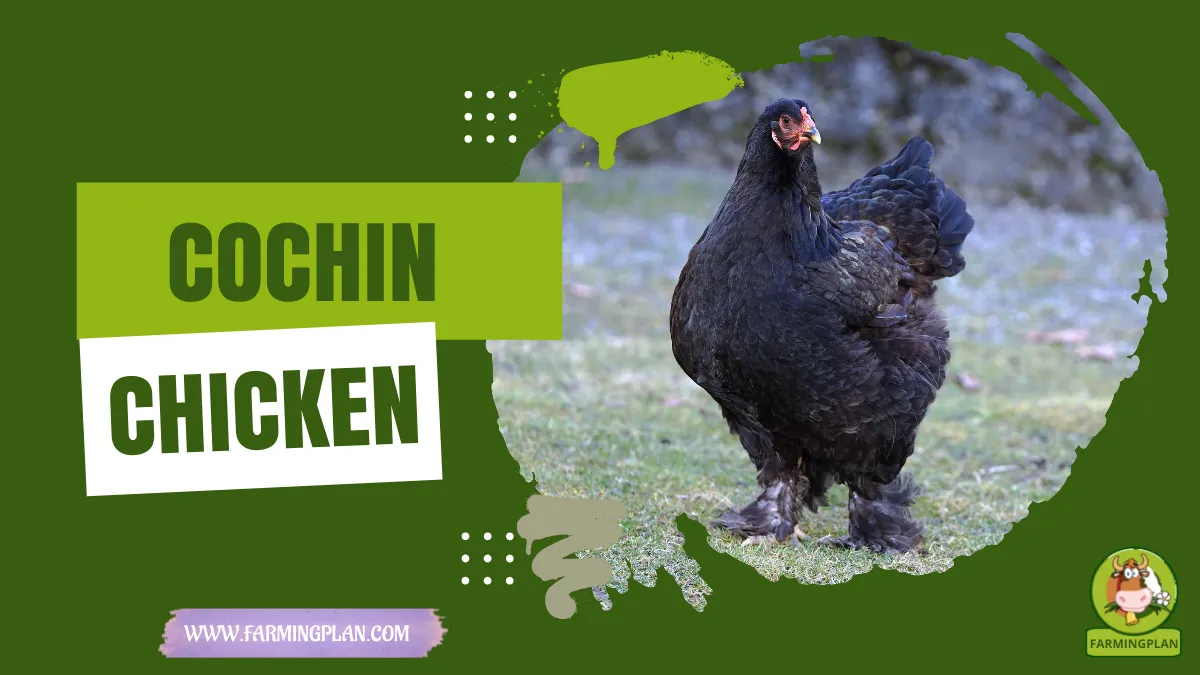
When you look at a Cochin, the first thing you notice is their massive round body covered in thick downy feathers. A standard Large Fowl rooster can easily weigh up to eleven pounds, while the hens reach about eight and a half pounds. Their feathered feet and shanks give them a distinct, ball-like appearance that makes them look huge. They sport a bright red single comb, long hackle feathers, and short cushiony saddle feathers that create a soft silhouette.
These birds come in a staggering array of colors that satisfy any backyard aesthetic. You can find stunning buff, classic white, sleek black, and intricate partridge coloring. Partridge Cochins display gorgeous brown and cinnamon patterns that look breathtaking in the sunlight. Their dense plumage keeps them cozy, but you must keep an eye on those fluffy legs during muddy seasons to avoid dirty shanks.
Nature & Temperament of Cochin Chicken
I always tell new flock owners that these birds are basically the golden retrievers of the chicken world. Their calm, sweet disposition makes them ideal for families with small kids or beginners who feel nervous around farm animals. Roosters are remarkably tame and rarely display aggression, making flock management an absolute breeze for everyone involved.
These birds love human interaction and will happily follow you around the yard asking for treats. They display wonderful backyard behaviour, blending seamlessly with other mild-mannered breeds. Because they are so heavy and possess short wings, they cannot fly over low fences, keeping your garden safe while they lazily forage for insects.
Food & Diet of Cochin Chicken
Feeding these heavy birds requires a clear strategy because their fluffy feathers can hide weight problems. I recommend a quality feed containing eighteen percent protein for young growing chicks, transitioning to a sixteen percent layer pellet for mature adults. Always provide plenty of clean, fresh water alongside appropriate grit to help them digest their grain properly.
- Offer clean layer feed daily in elevated feeders to keep feathering clean.
- Provide calcium supplements like crushed oyster shells in a separate bowl.
- Limit sweet corn and high-fat treats to prevent dangerous abdominal fat buildup.
- Keep fresh water available at all times, especially during hot summer days.
Because these birds love eating, obesity is a real risk that lowers egg production and causes joint strain. I always scatter fresh greens and mealworms around the run to encourage natural feeding behavior and exercise. Avoid feeding them avocado seeds, raw beans, or salty scraps, as these items harm their digestive health.
Usage & Purpose of Cochin Chicken
While some farmers raise birds strictly for meat or massive egg yields, this breed shines brightest as a loving pet and show bird. Their striking appearance, plush feathers, and stately posture make them instant winners at county fairs and official poultry exhibitions. They bring immense beauty to any homestead while providing steady companionship.
These hens are world-famous setting hens that will hatch almost any egg you put under them. I often use my broody hens to hatch turkey, duck, or Wyandotte eggs because they are so patient and attentive. Their strong nurturing instincts make them invaluable living incubators for small farms, earning their keep through exceptional maternal care.
Special Features of Cochin Chicken
One standout feature of these birds is their incredible Cold Tolerance. Their thick, downy plumage acts like a heavy winter coat, allowing them to stay comfortable when temperatures drop below freezing. However, their Heat Tolerance is quite low, so you must provide ample shade and cool water during hot summer months. Their broodiness is truly unmatched in the poultry universe. A broody hen will happily sit on a nest for weeks, displaying incredible dedication to her future chicks. Their unique feathered feet and broad body create a stunning visual profile that instantly elevates the look of any backyard flock.
Health Issues & Prevention of Cochin Chicken
Maintaining healthy birds requires extra vigilance due to their heavy leg feathering. Mud, wet bedding, and snow can pack into their shank feathers, causing painful broken quills or severe frostbite on their toes. I inspect my flock’s feet every week to ensure their leg skin stays clean and smooth.
- Check shank feathers weekly for mud balls, ice build-up, or broken shafts.
- Treat legs with mineral oil to prevent destructive scaly leg mites.
- Inspect dense down feathers near the vent for hidden lice or northern fowl mites.
- Maintain bone health by supplying adequate calcium to support their large frame.
Keep their coop dry and well-ventilated to prevent respiratory issues. Deep bedding made of clean wood shavings prevents dampness, which keeps their foot feathers in pristine condition. Regular health checks and routine deworming will keep your heavy birds thriving year after year.
“Raising Feathered Feet Chickens Brings Endless Joy And Calmness To Every Backyard Homestead.”
Step-by-Step Care Guide
Setting up a home for your birds requires thoughtful planning to accommodate their massive size and foot feathers. I build coops with low perches, about twelve to eighteen inches off the ground, because heavy birds can hurt their feet landing from high perches. You need to provide at least four to five square feet of coop space per bird to ensure adequate room. Use deep, dry wood shavings on the floor to cushion their foot feathers and absorb moisture effectively.
Make sure the coop entrance features a wide, non-slip ramp rather than steep steps. High moisture damages their heavily feathered shanks, so keep ventilation high while keeping drafts low. Secure the run with sturdy hardware cloth to protect your calm birds from clever predators like raccoons or hawks.
Caring for Chicks and Brooder Management
When your baby chicks arrive during your chosen Shipping Week, place them immediately into a warm, draft-free brooder. Set the temperature to ninety-five degrees Fahrenheit for the first week, reducing it by five degrees every week thereafter. Use paper towels over wood shavings for the first few days so the tiny chicks do not eat the bedding by mistake.
Week 1: 95°F | Paper towels over shavings
Week 2: 90°F | Transition to wood shavings
Week 3: 85°F | Introduce low roost bars
Week 4: 80°F | Monitor feather growth
Week 5: 75°F | Prepare for coop transition
Feed them a balanced starter crumb containing twenty percent protein to support early bone and feather development. Always dip their beaks into clean water when you first unpack them so they learn where to drink. Keep their brooder spotless because young feather-legged chicks pick up dirt quickly, which can hinder proper growth.
Managing Daily Feed, Water, and Weight
Managing the daily diet of adult birds requires careful portion control to prevent unhealthy weight gain. I feed my flock a measured amount of high-quality layer pellets twice a day rather than leaving full hoppers out constantly. Make sure your feed stations stay clean and elevated above ground level to protect the birds’ long hackle feathers from dirt.
Supply fresh, clean water daily in heavy fountains that do not tip over easily when heavy birds bump into them. In winter, use heated water bases so their drink never freezes solid. Add fresh greens, leafy herbs, and small amounts of granite grit daily to maintain smooth digestion and overall vitality.
Grooming, Foot Care, and Exhibition Prep
Grooming is a crucial part of managing birds with heavily feathered shanks and broad bodies. I wash their foot feathers using warm water and gentle baby shampoo whenever mud builds up on their toes. Gently blow-dry their legs on a cool setting before returning them to the flock so they do not catch a chill. If you plan to show your birds at local fairs, practice handling them gently from a young age. Keep exhibition birds on clean, dry straw to protect their plumage from breakage and staining. Regularly check their beak and nails, trimming them carefully with pet clippers if they grow unevenly or too long.
Expert Tips & Best Practices
- Keep coop ramps wide with low inclines to protect heavy joints from impact injuries.
- Apply petroleum jelly to combs and wattles during extreme sub-zero winter nights.
- Scatter dry wood ash in dust bath areas to eliminate lice and mites naturally.
- Provide low nesting boxes filled with fresh straw to support heavy broody hens.
- Isolate new birds for thirty days before introducing them to your established flock.
- Avoid housing heavy Asiatic breeds with aggressive, fast-moving flighty breeds.
Read More: Bantu Pig Secrets Unleashed: Farming Business From Scratch
FAQs
What color eggs do Cochin chickens lay?
These hens lay medium-sized, light brown or tinted eggs consistently throughout their laying cycle. While they do not produce as many eggs as commercial hybrid breeds, their egg quality remains top-notch.
How big do Cochin chickens get when fully grown?
Standard roosters weigh around eleven pounds, while fully grown hens average about eight and a half pounds. Their abundant, fluffy down feathers make them appear even larger than their actual weight.
Are Cochin chickens friendly with children?
Yes, these birds are famous for their calm, sweet, and docile nature around people of all ages. Children love holding them because their dense plumage feels like a soft stuffed toy.
How long do Cochin chickens usually live?
With proper care, clean housing, and a balanced diet, these hardy birds typically live between eight to ten years. Some well-cared-for pets even live beyond ten years on small family homesteads.
Do Cochin chickens do well in cold winter weather?
Their thick layer of downy feathers gives them exceptional cold hardiness in freezing winter climates. You simply need to keep their coop dry and protect their fluffy legs from ice accumulation.
Conclusion
Raising these gentle Asiatic giants brings warmth, beauty, and peaceful energy to any homestead. Their quiet nature, cuddly personalities, and striking feathered legs make them ideal pets for families and hobbyists alike. While they need dry bedding and extra foot care, the happiness they bring to your yard makes every bit of effort worth it. Are you ready to add these giant fluffy birds to your coop? Share your favorite bird stories or leave a comment below to join our growing community of flock owners today! Discover the sweet Cochin chicken breed with my complete care guide. Learn about pricing, colors, eggs, and care tips for your backyard.