Polish Chicken has always been one of my favorite ornamental breeds because of its unique crest, gentle personality, and beautiful appearance. During my years as a poultry specialist, I have raised many breeds, but few birds attract attention like Polish chickens. Their large feathered crests, calm behavior, and striking color variations make them popular among pet owners, breeders, and exhibition enthusiasts.
These crested chickens come in several varieties including Silver Laced Polish, Golden Laced Polish, White Crested Black Polish chickens, blue Polish chickens, splash Polish chickens, and bantam Polish chickens. They produce white eggs, enjoy human interaction, and perform well in ornamental production. In this guide, I will share my personal experience with Polish chicken breeds, their history, egg production, feeding, health care, and practical management tips to help beginners and experienced poultry keepers raise healthy birds.
History & Origin
The history of the Polish Chicken reaches back several centuries. Although the exact origin remains uncertain, historians believe these birds developed in European countries during medieval times. Some researchers connect the breed to Poland, while others believe the Dutch crest fowl and birds from Spain, Holland, and Italy contributed to their development.
The name “Polish” may come from the old Dutch word “pol,” meaning head. This meaning fits the breed perfectly because the bird carries a large crest on top of its head. Some historians suggest that Asian Mongols introduced crested birds into Europe through trade routes. These birds later spread across France, England, and other regions.
Development In Europe
By the 1700s, Polish chickens had become popular among wealthy families and poultry enthusiasts. Their unusual appearance made them valuable exhibition birds. The breed appeared in many paintings and royal collections. The American Poultry Association later recognized several color varieties in its Standard of Perfection. The Poultry Club of Great Britain also established show standards. Today, breeders continue preserving old strains such as Czubatka Polska and Czubatka Staropolska. Polish chickens remain highly respected in poultry shows because of their exhibition appeal and beautiful feathered crests.
Read More: Attaouia Goat Wonderful Heritage Breed Guide
Characteristics
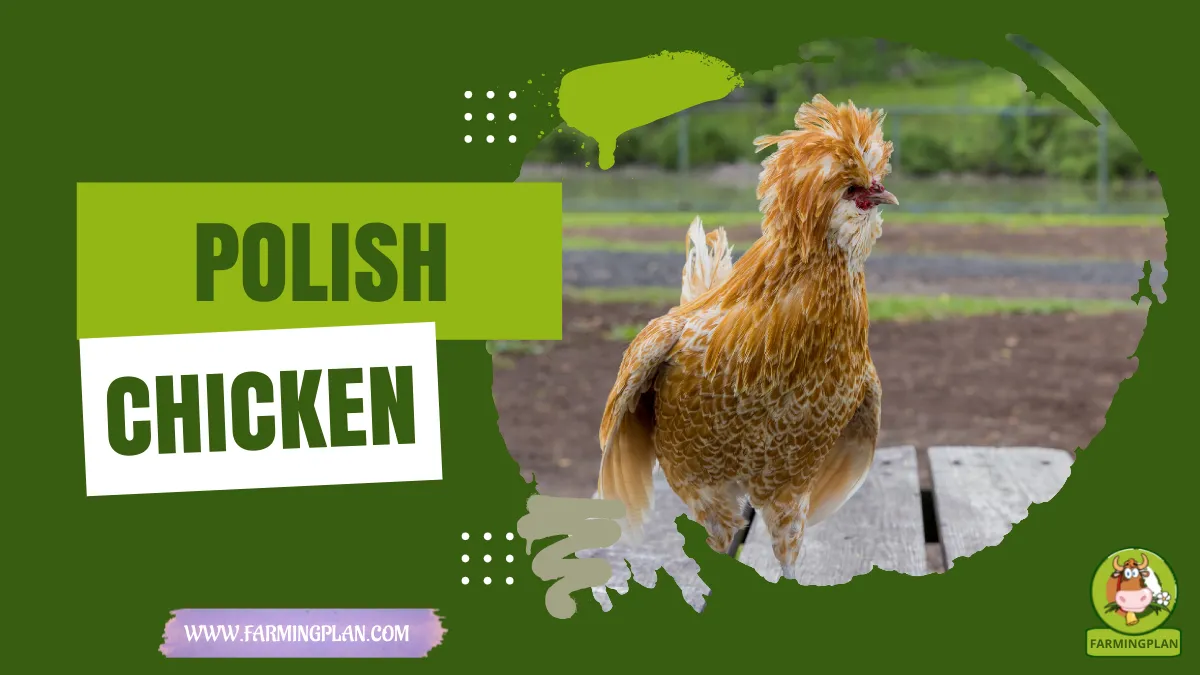
One thing that immediately attracts people to Polish chickens is their enormous crest. Their feathers form a rounded top hat appearance that makes them look like they are wearing wigs. This crest develops because of a unique dome-shaped skull known as a vaulted skull. The breed possesses a V comb that often hides beneath the crest feathers. Many birds also have a bearded face, especially certain varieties. Their body remains relatively light compared to heavy production breeds.
Average mature weight includes:
- Male: 6 pounds
- Female: 4.5 pounds
- Bantam Polish: 1.5 to 2 pounds
Popular Polish Chicken Colors
Several recognized color variations exist:
- Silver Laced Polish
- Golden Laced Polish
- White Crested Black Polish
- White Crested Blue Polish
- Blue Polish chickens
- Splash Polish chickens
- Black Polish
- White Polish
- Buff Laced Polish
The Silver Laced Polish Chicken remains one of the most popular varieties because of its white feathers edged with black lacing.
Egg Production Characteristics
Polish hens lay small white eggs. They produce approximately 120 to 180 eggs each year. Egg size ranges from small to medium. Their egg color stays pure white, making them attractive to backyard keepers who enjoy collecting colorful egg baskets alongside other breeds. If you have raised Polish chickens, share your experience, leave a comment, and help other poultry lovers learn more about these wonderful crested birds.
Nature & Temperament
In my experience, Polish chickens possess one of the sweetest personalities among ornamental breeds. Their calm nature makes them suitable for families, children, and beginner poultry owners. Because their crests limit their vision, these birds often become startled easily. Sudden movements may frighten them. I always approach them slowly and speak gently before handling them.
Social Behavior Inside The Coop
Polish chickens enjoy human interaction. Many birds become tame and follow their owners around the yard. Some even act like pets. However, their poor vision sometimes causes problems with aggressive breeds. Dominant chickens may peck their crests. The word “pecky” often describes birds that bully Polish chickens.
I recommend keeping them with gentle breeds such as:
- Silkie
- Appenzeller Spitzhauben
- Crevecoeur
- Wyandotte
Broodiness And Mothering
Most Polish hens rarely become broody. This trait allows continuous egg production, but owners often need incubators for breeding programs. Their quiet nature and entertaining appearance make them excellent backyard pets and exhibition birds. I always trim the feathers around the eyes slightly. This simple practice improves vision and helps prevent stress.
Food & Diet
Proper nutrition keeps Polish chickens healthy and supports feather growth. Their large crests require additional protein during molting seasons. I feed chicks a starter feed containing 20% protein. Adult birds receive quality layer feed with approximately 16% protein.
Their daily diet includes:
- Layer feed
- Whole grains
- Fresh vegetables
- Mealworms
- Crushed oyster shells
- Clean water
Calcium And Egg Production
Calcium-rich feed helps hens maintain strong eggshells. I provide crushed oyster shell separately so hens can consume it as needed. White egg layers require balanced nutrition to maintain consistent production. Poor nutrition often causes reduced egg quantity.
Foods To Avoid
Never feed:
- Moldy grains
- Salty foods
- Chocolate
- Raw beans
- Excess bread
- Spoiled vegetables
Fresh water remains essential. Their crest feathers can become wet and dirty, so I use elevated waterers to keep them clean.
Usage & Purpose
Polish chickens serve several purposes, although they rarely compete with commercial layers.
Common uses include:
- Ornamental production
- Poultry shows
- Backyard pets
- Small egg production
- Educational farms
- Hobby breeding
Exhibition And Show Birds
Their unusual appearance gives them tremendous exhibition appeal. Judges carefully inspect crest shape, feather quality, body type, and color patterns. Organizations such as the American Poultry Association and The Poultry Club of Great Britain maintain detailed breed standards. Many breeders raise Silver Polish, Golden Laced Polish, and White Crested Black Polish chickens specifically for competition.
Pet Value
Children often love Polish chickens because they appear funny and friendly. Some owners even name their birds after famous hairstyles. I once owned a rooster named “Elvis Presley” because his crest looked exactly like the singer’s hair.
Special Features
Over the years, I have raised many poultry breeds, but very few birds attract attention like the Polish Chicken. Their unusual appearance and friendly personality make them one of the most recognizable ornamental breeds in the world. Every visitor who enters my poultry yard immediately notices their large feathered crests and asks questions about them. The most remarkable feature is their crest. The feathered topknot grows from a dome-shaped skull called a vaulted skull.
Unique Qualities That Make Polish Chickens Stand Out
This skull deformation creates space for the impressive crest that gives the bird its famous “top hat” appearance. Many poultry keepers call them top hat Polish chickens because of this unique feature. Their crest serves as both a blessing and a challenge. The beautiful feathers make them excellent show birds, but the feathers can block their vision. Because of this, they often move carefully and depend on familiar surroundings.
Rare Colors And Exhibition Appeal
Polish chickens come in many attractive color variations. Some of the most admired varieties include:
- Silver Laced Polish
- Golden Laced Polish
- White Crested Black Polish chickens
- White Crested Blue Polish chickens
- Blue Polish chickens
- Splash Polish chickens
- Buff Laced Polish
- Black Polish
- White Polish
The black lacing on Silver Laced Polish birds creates a stunning appearance that many breeders admire. Their exhibition appeal remains extremely high in poultry shows throughout the U.S., England, and Europe. Many breeders maintain NPIP-certified stock to preserve breed quality and prevent disease spread. The breed’s abundance continues to grow because hobbyists and sustainable farming enthusiasts appreciate its beauty.
Hardiness And Adaptability
Polish chickens show moderate hardiness. Their heat tolerance remains fairly good if they have shade and clean water. Their cold tolerance requires extra management because wet crest feathers can freeze during winter. These birds adapt well to small farms, hobby flocks, and family backyards. Their peaceful nature allows them to fit comfortably into mixed flocks when owners carefully select compatible breeds.
Health Issues & Prevention
Like all poultry breeds, Polish chickens can develop certain health issues. Their large feathered crests create some unique challenges that owners must understand. One common issue involves blocked vision. The crest feathers may cover the eyes, causing stress, nervous behavior, and difficulty finding food. I often trim a few feathers around the eyes to improve visibility. Wet feathers can also create problems. Rain, mud, and snow may cause the crest to remain damp. This moisture increases the risk of fungal infections and frostbite during cold weather.
Marek’s Disease And Other Illnesses
Marek’s disease remains one of the biggest concerns for many chicken owners. Symptoms may include:
- Weakness
- Paralysis
- Weight loss
- Difficulty walking
- Reduced appetite
Vaccination of chicks provides excellent protection. Many hatcheries vaccinate young birds before sale.
Other health concerns include:
- Respiratory infections
- Mites and lice
- Internal parasites
- Eye infections
- Frostbite
- Pecking injuries
Preventive Care And Daily Health Checks
I inspect my Polish chickens every morning. Early detection often prevents serious illness.
Preventive measures include:
- Dry bedding
- Clean water
- Balanced nutrition
- Good ventilation
- Parasite control
- Vaccination programs
- Separate quarantine area
Calcium-rich feed supports strong eggshell production. Quality layer feed improves immune function and feather growth. Regular cleaning of the coop reduces disease pressure. Fresh bedding also helps prevent respiratory problems and bacterial infections.
“A Polish Chicken may wear the funniest hairstyle in the coop, but behind those feathers lives one of the friendliest birds you’ll ever raise.”
Step-By-Step Polish Chicken Care Guide
When beginners ask me how to successfully raise Polish chickens, I always explain that these birds require slightly different care than standard chickens. Their crest feathers, gentle temperament, and limited vision mean that owners must pay closer attention to their environment. The good news is that Polish chickens remain relatively easy to raise once you understand their needs. Their calm personality makes them excellent pets, while their ornamental beauty rewards the extra effort.
Complete Beginner’s Guide To Raising Polish Chickens
The following step-by-step guide comes directly from my own experience raising these birds for many years. If you follow these steps carefully, your flock will stay healthy, happy, and productive.
Step 1: Choose Healthy Chicks Or Adults
When purchasing Polish chicken chicks, always buy from reputable breeders or hatcheries. Healthy chicks should appear active, alert, and clean.
Look for:
- Bright eyes
- Clean nostrils
- Straight legs
- Dry vents
- Active movement
Avoid chicks that appear weak or sleepy. Many breeders sell Silver Laced Polish Chicken chicks, Golden Laced varieties, and White Crested Black Polish chicks. If buying adults, inspect the crest, feathers, feet, and body condition. Ask breeders about vaccination history and disease testing. I strongly recommend purchasing NPIP-certified stock whenever possible. Healthy birds give you a much better chance of success.
Step 2: Build A Safe Coop
Polish chickens need secure housing because their vision remains limited. Predators can easily attack birds that cannot see danger approaching.
The coop should provide:
- Four square feet per bird
- Dry flooring
- Good ventilation
- Predator protection
- Elevated roosts
- Nest boxes
I avoid sharp corners and obstacles inside the coop. The birds move more confidently when the environment remains simple. Keep feeders and waterers in consistent locations. Frequent changes may confuse the birds because their crest limits visibility. During winter, protect the coop from drafts while maintaining ventilation.
Step 3: Provide Proper Nutrition
Feed plays a major role in feather quality, egg production, and overall health.
I use:
- Chick starter feed for chicks
- Grower feed for juveniles
- Layer feed for adult hens
Protein supports crest feather growth. During molt, I increase protein levels slightly.
Supplemental foods include:
- Mealworms
- Leafy vegetables
- Corn
- Oats
- Fruits in moderation
Provide oyster shell separately for calcium needs. Fresh water must always remain available. Avoid overfeeding treats because obesity can reduce egg production.
Step 4: Maintain Grooming And Crest Care
The crest requires regular attention. Dirt, mud, and moisture can damage feathers. I inspect the crest weekly and remove debris carefully. During rainy seasons, I may trim a few feathers around the eyes.
Benefits of trimming include:
- Better vision
- Easier feeding
- Reduced stress
- Less pecking
Never cut too much feather at one time. Small adjustments work best. Show birds require more grooming to maintain exhibition quality.
Step 5: Monitor Health And Behavior
Daily observation helps identify problems early.
Watch for:
- Loss of appetite
- Dirty feathers
- Sneezing
- Limping
- Weight loss
- Reduced activity
Separate sick birds immediately to prevent disease spread. Routine parasite treatments and vaccinations help maintain flock health. Good biosecurity also protects your birds from outside diseases.
Step 6: Manage Breeding And Egg Collection
Polish hens rarely become broody. Many breeders use incubators to hatch eggs. Collect eggs daily to prevent damage. Store eggs in a cool location until incubation.
Breeding programs often focus on:
- Crest quality
- Feather color
- Body structure
- Temperament
Careful selection improves future generations and maintains breed standards.
Read More: American Angus Cattle Powerful Breed Guide
Expert Tips & Best Practices
Professional Advice From My Poultry Experience
After raising Polish chickens for many years, I have developed several practices that consistently improve results.
- Keep gentle breeds together.
- Trim eye feathers carefully.
- Protect birds from rain.
- Use elevated waterers.
- Provide shade during summer.
- Check crests weekly.
- Vaccinate young chicks.
- Maintain clean bedding.
- Avoid overcrowding.
- Collect eggs daily.
- Handle birds gently.
- Use predator-proof fencing.
- Offer calcium supplements.
- Introduce new birds slowly.
- Keep feeding locations consistent.
I also recommend keeping records for breeding, egg production, and health treatments. These records help improve management decisions over time.
FAQs
What Is The Scientific Name Of The Polish Chicken?
The Polish Chicken belongs to the domestic chicken species Gallus gallus domesticus. It is a crested ornamental breed rather than a separate species.
How Many Eggs Do Polish Chickens Lay?
Most hens lay between 120 and 180 small white eggs annually. Egg production depends on nutrition, age, and management.
Are Polish Chickens Friendly?
Yes. Polish chickens have gentle personalities and usually become tame around people. Their calm nature makes them excellent pets.
Can Polish Chickens Live In Cold Weather?
Yes, but owners must protect their crest feathers from moisture and freezing temperatures. Dry housing greatly improves cold tolerance.
Why Do Polish Chickies Have Large Crests?
Their feathered crest develops because of a vaulted skull structure. This unique feature gives the breed its famous top hat appearance.
Conclusion
Polish Chicken remains one of the most beautiful and entertaining poultry breeds I have ever raised. Their remarkable crests, friendly personality, colorful plumage, and excellent exhibition appeal make them ideal for hobbyists, pet owners, and small flock keepers. Although they require extra attention to crest care, vision management, and predator protection, their gentle temperament and unique appearance reward every bit of effort. Whether you choose Silver Laced Polish, Golden Laced Polish, White Crested Black Polish chickens, or another color variation, these birds bring charm and personality to any backyard flock. I encourage every poultry enthusiast to experience this remarkable breed.