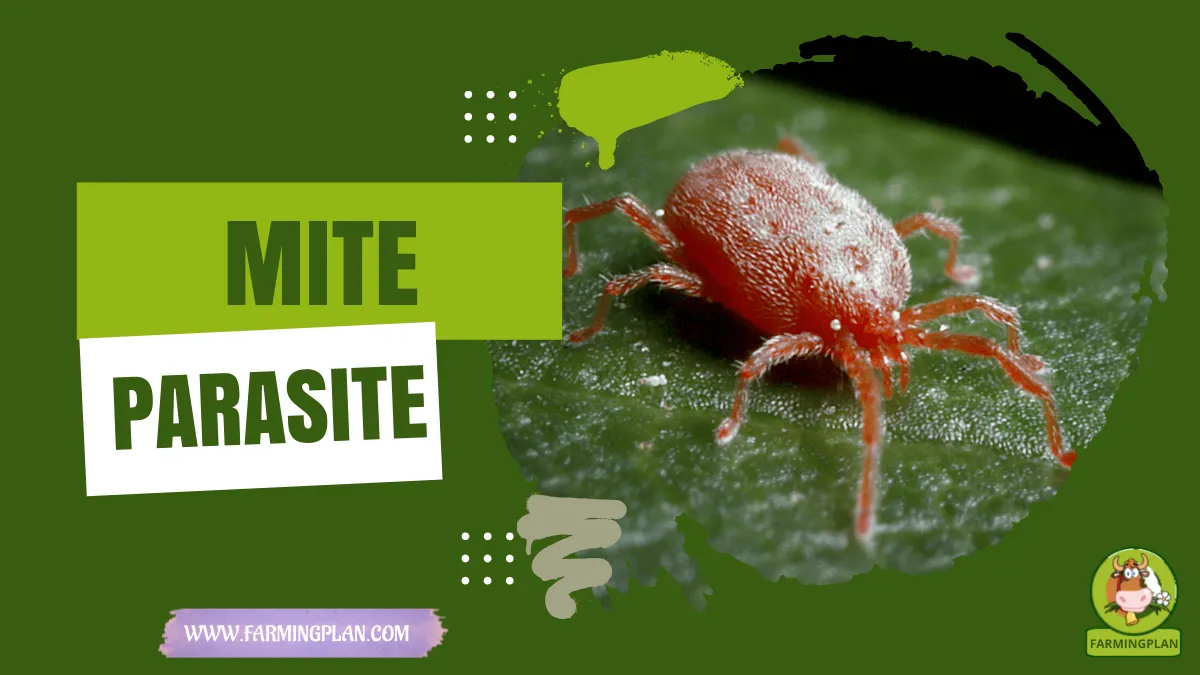
Mite infestations can surprise anyone, whether you care for animals, grow plants, or simply manage a clean home. I’ve seen firsthand how a tiny mite can create big trouble if ignored. A mite is a microscopic arthropod related to spiders and ticks, and it belongs to the group called arachnids. These insect-like organisms live on plants, animals, stored foods, and even in bedding.
From dust mites in mattresses to spider mites damaging crops, these creatures affect both health and productivity. Some mites act as parasites, while others serve as detritivores that break down organic matter. Understanding their behavior, life stages like larva, nymph, and adult, and their impact helps you control them better. I always tell beginners—if you learn early signs, you save time, money, and stress.
History & Origin
Mites have existed for millions of years. Scientists classify them under Acari, which includes two main groups: Parasitiformes and Acariformes. These tiny arthropods evolved alongside early land animals and plants. Their adaptability helped them spread across almost every environment—from soil to bird nests and even human homes.
In entomology, researchers study mites because of their complex biology and role in ecosystems. Early studies revealed their unique body structure, including gnathosoma (mouthparts), chelicerae, and pedipalps. Over time, scientists identified thousands of species, such as house dust mites, predatory mites, and plant-feeding mites.
Today, mites play a major role in biological pest control and disease studies. For example, Varroa destructor affects honey bees and spreads viruses like deformed wing virus. Research also focuses on allergens from dust mites that trigger respiratory issues. I’ve followed many studies, and it’s clear—mites are small but scientifically powerful organisms.
Read More: Tapeworm: Symptoms, Prevention & Treatment
Characteristics
Mites are extremely small, often invisible without magnification. Most measure less than 1 mm. Their bodies have a tough exoskeleton and lack clear segmentation. Unlike insects, they don’t have wings or antennae. Instead, they use specialized mouthparts for feeding, especially piercing-sucking mouthparts.
Mites go through several life stages: egg, larval stage, nymph, and adult. Each stage looks slightly different. Larvae often have fewer legs, while nymphs develop into more complex forms. This development process happens quickly, which explains how infestations grow fast.
There are many types of mites, including:
- Dust mites (found in bedding and carpets)
- Spider mites (damage plants)
- Clover mites (invade homes)
- Chicken mites (affect poultry)
- Predatory mites like Phytoseiulus persimilis
Each type behaves differently, and I always recommend identifying the exact type before treatment.
Nature/Temperament
Mites show diverse feeding habits. Some feed on plant sap, while others consume organic matter or blood. Parasitic mites take a blood meal from animals, causing irritation. Dust mites feed on dead skin cells, which explains why they thrive in bedding. Mites prefer warm, humid environments. You’ll often find them in soil, stored foods, greenhouses, and homes. High humidity helps them reproduce quickly. I’ve noticed that controlling moisture is one of the best ways to limit their spread.
Interaction with Humans and Animals
Most mites don’t bite humans, but some cause skin irritation or allergic reactions. Scabies mites, for example, burrow into the skin. In animals, mites can cause mange, leading to hair loss and discomfort. Their behavior makes them both a nuisance and a health concern.
Food & Diet
Mites consume a wide range of materials depending on their type. Plant-feeding mites suck sap from leaves, causing damage like yellow spots. Dust mites eat organic matter such as dead skin cells. Some species even consume fungi and bacteria.
Parasitic Feeding Habits
Parasitic mites feed on blood or tissue. These mites attach to hosts and use salivary glands to extract nutrients. This feeding can cause itching, inflammation, and disease transmission. I always warn livestock owners to monitor animals regularly.
What Helps Reduce Their Food Source
To control mites, you must remove their food supply. Clean bedding, reduce dust, and store food properly. In farming, I use pest management strategies to limit plant damage. Proper sanitation plays a key role in controlling infestations.
Usage/Purpose
Not all mites are harmful. Some act as decomposers, breaking down organic matter and enriching soil. Others, like predatory mites, help control pests naturally. I often use them in biological pest control programs. Farmers use certain mites to control harmful insects. For example, predatory mites can reduce spider mite populations in greenhouses. This reduces the need for pesticides and supports sustainable farming.
Scientific and Medical Importance
Mites also help scientists study allergies and disease transmission. Dust mite allergens play a major role in allergic asthma research. Understanding mites helps improve public health strategies.
Special Features
Mites survive in extreme conditions. Some live in deserts, while others thrive in humid homes. Their small size helps them hide easily, making control difficult. Mites reproduce quickly, which leads to fast infestations. A single female can lay dozens of eggs, and the life cycle completes in a short time. There are thousands of mite species, each adapted to specific environments. From plant feeders to parasites, their diversity makes them one of the most versatile arthropods.
Health Issues & Prevention
Mites can cause skin irritation, allergic asthma, and respiratory issues. Dust mite allergy is common in homes. Scabies mites cause intense itching and require medical treatment. Signs include itching, rashes, sneezing, and breathing problems. In animals, symptoms include hair loss and skin inflammation. Early detection helps prevent serious problems. I recommend regular cleaning, vacuuming, and humidity control. Use de-humidifiers to reduce moisture. In severe cases, apply acaricide spray or consult a professional. For humans, treatments like medicated creams help manage scabies.
“Small Creatures Can Cause Big Problems—But With The Right Knowledge, You Stay One Step Ahead.”
Step-by-Step Pet Owner Care Guide
Over the years, I’ve developed a simple yet powerful system to manage mite infestations. Whether you deal with mites on plants, animals, or in your home, following a structured approach works best. Many people panic when they see signs of mites, but I always say—stay calm and act step by step. Mite control is not about one quick fix; it’s about consistent care and smart strategies.
This guide covers everything from identifying mites to long-term prevention. I use these steps on my farm and in my home, and they’ve proven effective. If you follow each step carefully, you’ll reduce infestation risks and maintain a healthy environment.
Step 1 – Identify the Type of Mite
First, I always identify the type of mite. Look for signs like plant damage, skin irritation, or dust buildup. Spider mites leave webbing on plants, while dust mites stay hidden in bedding. You can use a magnifying glass or microscope. In farming, I inspect leaves and soil closely. Knowing the exact type helps you choose the right treatment.
Step 2 – Clean and Remove Infested Areas
Next, I clean thoroughly. Wash bedding in hot water and vacuum carpets. Remove dust and organic matter where mites feed. In farms, I clean animal housing and remove waste. Clean environments reduce mite populations quickly.
Step 3 – Control Humidity and Environment
Mites love humidity. I always keep humidity below 50%. Use fans and de-humidifiers to maintain dry conditions. Improve ventilation and sunlight exposure. These changes make the environment less suitable for mites.
Step 4 – Apply Safe Treatments
I use acaricides when necessary. For plants, miticides work well. Natural options like neem oil also help. Always follow instructions and avoid overuse. Protect pets and humans during treatment.
Step 5 – Maintain Regular Monitoring
I inspect regularly for early signs. Weekly checks help detect problems before they grow. Keep cleaning, control humidity, and monitor continuously. Consistency ensures long-term success.
Read More: Silkies Chicken Magical Backyard Favorite
Expert Tips & Best Practices
Proven Strategies for Mite Control
- Keep humidity low to prevent mite growth
- Use biological pest control methods
- Clean bedding and carpets weekly
- Store food properly to avoid infestations
- Inspect plants and animals regularly
- Use vacuum cleaners with HEPA filters
- Avoid overcrowding in animal housing
FAQs
What are the signs of mites on humans?
Mites cause itching, red rashes, and skin irritation. Some types, like scabies, create visible burrows on the skin.
How do I get rid of mites at home?
Clean thoroughly, reduce humidity, and wash bedding in hot water. Use vacuum cleaners and de-humidifiers for better results.
Are mites visible to the naked eye?
Most mites are too small to see clearly. You may notice dust or damage instead of the mites themselves.
Do mites bite humans?
Some mites bite or burrow into the skin, causing irritation. Others, like dust mites, do not bite but trigger allergies.
Can mites harm pets and livestock?
Yes, mites can cause mange and skin problems in animals. Regular inspection and treatment help prevent serious issues.
Conclusion
Mite infestations may seem small, but they can create serious problems for health, animals, and crops if ignored. I’ve shared my hands-on experience to help you understand their behavior, identify their presence, and control them effectively. From proper cleaning and humidity control to using safe treatments and regular monitoring, each step plays a vital role in keeping your environment healthy. The key is consistency and early action—don’t wait until the problem grows. If you stay proactive, you can manage mites successfully and protect your home or farm. If you found this guide helpful, share it with others, leave a comment with your experience, and let’s keep learning together!