When I first started working with livestock and pets, tapeworm infections were one of the most common yet misunderstood problems I saw. Tapeworms are long, flat parasitic worms that live inside the intestines of humans and animals. They spread through eggs, contaminated water, soil, or eating raw or undercooked meat like beef or pork. Many people search for tapeworm symptoms, tapeworm treatment, or even tapeworm in poop, and I get why—it can be alarming.
These parasites, including species like Taenia solium and Taenia saginata, can cause infections such as taeniasis, cysticercosis, and even serious conditions like neurocysticercosis when larvae reach the brain. In this guide, I’ll walk you through everything—from how they live to how you can prevent and treat them—based on my real-life farming and animal care experience.
History & Origin
I’ve always found it fascinating that tapeworms have existed for thousands of years. Ancient medical texts from Egypt and Greece described long worm-like segments in human stool, which we now know as proglottids. Back then, people didn’t understand parasites, but they clearly saw the effects. Scientists later classified tapeworms under the class Cestoda, and research identified key species like Taenia solium (pork tapeworm) and Taenia saginata (beef tapeworm). These species evolved alongside humans and animals, especially in regions with sheep farming and backyard pig raising.
Spread Through Agriculture And Animals
As farming grew, so did the spread of tapeworm infection. I’ve seen how poor meat inspection and lack of hygiene practices allowed these parasites to thrive. Animals like dogs, rodents, and even fish became part of the tapeworm life cycle. Today, infections like echinococcosis from Echinococcus granulosus and Diphyllobothriasis from Diphyllobothrium latum still occur, especially where food safety is weak. Despite modern medicine, this parasite remains a global concern.
Read More: Silkies Chicken Magical Backyard Favorite
Characteristics
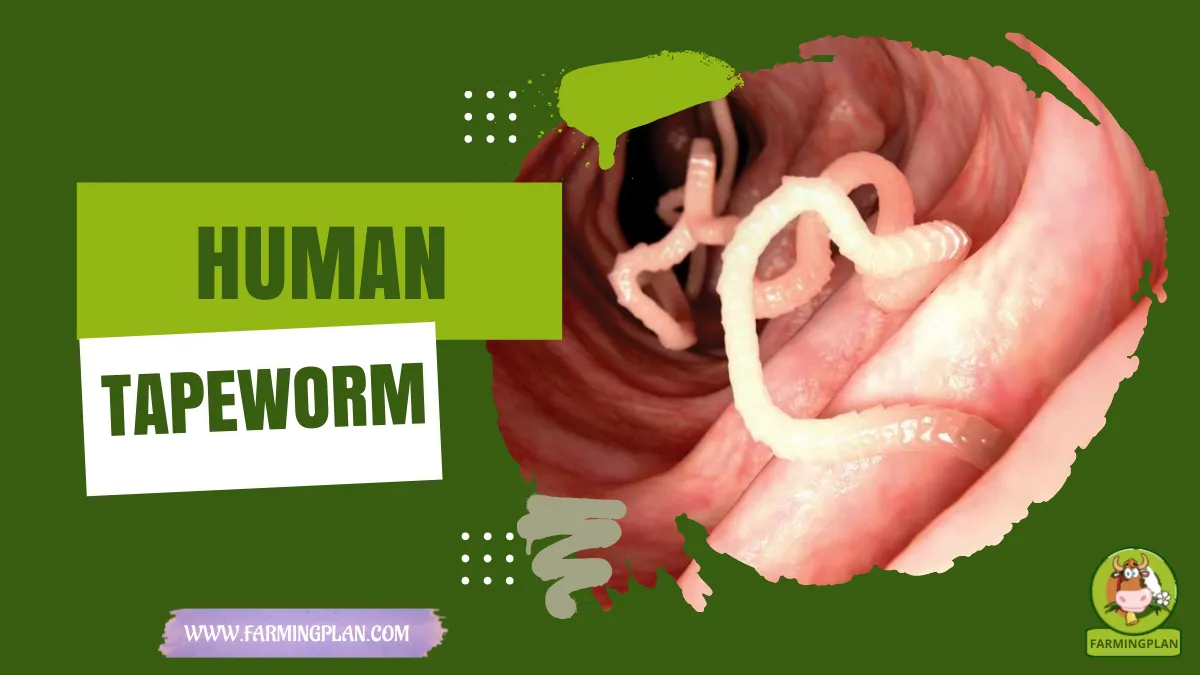
When I explain tapeworms to farmers, I describe them as ribbon-like worms made of many segments. Each segment contains reproductive organs, making them highly efficient at spreading tapeworm eggs. The head, called the scolex, attaches firmly to the intestinal wall. Some species can grow several meters long. I’ve personally seen cases where worms extended far beyond what people expect. Their outer layer, known as the tegument, helps them absorb nutrients directly from the host.
Different Species And Variations
Not all tapeworms are the same. For example:
- Taenia solium leads to cysticercosis
- Taenia saginata mainly causes intestinal infection
- Dipylidium caninum spreads through fleas in dogs
- Hymenolepis nana infects humans directly
Each type has a unique life cycle, often involving larvae, larval cysts, and intermediate hosts like animals or insects.
Nature/Temperament
Tapeworms don’t behave like typical animals. They don’t hunt or move much. Instead, they attach to the small intestines and quietly absorb nutrients. I’ve seen animals lose weight even when they eat well, simply because the parasite steals their food. They reproduce rapidly by releasing eggs through feces, contaminating soil and water. This makes reinfection very common, especially in areas with poor sanitation.
Impact On Humans And Animals
In many cases, people don’t even notice the infection at first. But over time, symptoms like abdominal pain, weakness, or Vitamin B12 deficiency can appear. In severe cases, especially with Taenia solium, larvae travel to organs like the brain, causing neurocysticercosis. From my experience, animals like dogs often show signs earlier, such as itching or visible segments in poop.
Food & Diet
I always warn farmers and pet owners about risky feeding habits. Eating raw or undercooked beef, pork, or fish is the biggest cause of infection. I’ve seen entire households infected due to poorly cooked meals. Contaminated water and unwashed vegetables can also carry tapeworm eggs. In rural areas, this is a major issue.
Safe Feeding And Nutrition Tips
To prevent infection:
- Cook meat at safe cooking temperatures
- Use a food thermometer
- Avoid feeding raw meat to pets
- Practice proper hand washing
Good nutrition helps the body fight infections. I recommend balanced diets rich in vitamins to support immune health.
Usage/Purpose
Impact On Livestock And Economy
Tapeworms don’t serve a useful purpose for farmers, but they impact livestock health significantly. Infected animals grow slowly and produce less milk or meat. I’ve seen farms lose money due to untreated infections.
Scientific And Medical Importance
Researchers study tapeworms to understand parasitic diseases and develop anthelmintic drugs like praziquantel, albendazole, and niclosamide. These medicines have saved countless lives. Understanding these parasites also helps improve food safety and public health systems.
Special Features
Remarkable Survival Abilities
Tapeworms amaze me with their survival skills. They can live for years inside a host without detection. Their ability to regenerate from the scolex makes them hard to eliminate completely.
Complex Life Cycle
Their life cycle involves multiple hosts, including animals, insects, and humans. For example, flea tapeworms use fleas as carriers, while others rely on livestock. This complexity makes prevention challenging but also fascinating from a scientific perspective.
Health Issues & Prevention
Common Symptoms And Diseases
Tapeworm infections can cause:
- Abdominal pain
- Weight loss
- Diarrhea
- Visible segments in stool (poo)
Severe conditions include:
- Cysticercosis
- Neurocysticercosis
- Hydatid disease
Diagnosis often involves a stool exam, blood test, or imaging like CT scan or MRI scan.
Treatment And Prevention Methods
I always recommend prompt treatment using:
- Praziquantel
- Albendazole
- Niclosamide
In some cases, doctors use corticosteroids to reduce inflammation. Prevention includes:
- Proper hygiene practices
- Regular deworming
- Safe cooking and food handling
“Clean Habits And Smart Feeding Keep Tapeworm Troubles Far Away!”
Step-by-Step Pet Owner Care Guide
Over the years, I’ve developed a simple but powerful routine to prevent tapeworm infections in both humans and animals. This guide comes from real farm experience and works in both rural and urban settings. The key is consistency—small daily habits make a big difference.
Step 1: Maintain Clean Living Conditions
I always start with cleanliness. Keep animal shelters dry and clean. Remove waste regularly to stop the spread of tapeworm eggs. Wash hands after handling animals. Clean food bowls daily. This reduces contamination and protects both pets and humans.
Step 2: Control Fleas And Intermediate Hosts
Fleas play a big role in spreading Dipylidium caninum. I use flea control products and keep bedding clean. Regular grooming helps spot problems early. Use flea preventatives to break the parasite cycle.
Step 3: Feed Safe And Cooked Food
Never feed raw meat. I always cook food properly and store it safely. Use a meat thermometer to ensure safe temperatures. Clean water is essential. Avoid giving pets untreated water from unknown sources.
Step 4: Regular Deworming Routine
I schedule regular deworming medication for animals using trusted antiparasitic medicine. Consult a vet for proper dosage. Common drugs include praziquantel and albendazole. Stick to a routine to prevent reinfection.
Step 5: Monitor Health And Seek Diagnosis
Watch for signs like weight loss or visible worms. If I suspect infection, I collect a stool (poo) sample for a laboratory test. Early diagnosis through stool exam or serology helps prevent complications.
Read More: Pygmy Goat Delightful Care Guide For Beginners
Expert Tips & Best Practices –
Smart Tips For Long-Term Protection
- Always cook meat thoroughly
- Practice strict food safety
- Keep pets dewormed regularly
- Avoid contaminated water
- Maintain strong hygiene habits
Extra Success Strategies
- Use proper meat inspection methods
- Educate family members about risks
- Keep animal environments clean
- Monitor livestock health closely
FAQs
What are the symptoms of tapeworm in humans?
Most people experience mild symptoms like abdominal pain or weight loss. Some may notice worm segments in stool.
Can tapeworms kill you?
In rare cases, complications like neurocysticercosis can be life-threatening. Early treatment prevents serious outcomes.
How do you treat tapeworm infection?
Doctors use medications like praziquantel or albendazole. These drugs kill the parasite effectively.
How do humans get tapeworms?
People get infected by eating contaminated or undercooked meat or through poor hygiene.
Can dogs spread tapeworms to humans?
Yes, especially through fleas or contaminated environments. Proper pet care reduces this risk.
Conclusion
Tapeworm infections may sound scary, but with the right knowledge and habits, you can easily prevent them. From my experience, the key lies in clean living, proper food handling, and regular deworming. These parasites thrive on neglect, but they disappear when you stay consistent with hygiene and care. Whether you’re a pet owner or farmer, your daily actions matter more than anything else. So stay alert, follow the steps I shared, and protect your family and animals. If you found this guide helpful, share it with others, drop your questions in the comments, and keep learning how to stay healthy and parasite-free!