The Flemish Giant Rabbit is one of the most impressive giant rabbits I’ve ever worked with, and I’ve raised many breeds over the years. Known for its enormous size, calm personality, and soft furry coat, this domestic rabbit breed attracts pet owners, farmers, and breeders alike. Whether you’re searching for a Flemish Giant rabbit for sale or just curious about the Flemish Giant rabbit lifespan, this guide will help you understand everything clearly.
I’ve personally handled these rabbits in both farming and pet settings, and I can say they’re not just big—they’re also incredibly gentle. Many people compare them with breeds like Continental Giant, French Lop, and New Zealand White, but the Flemish Giant stands out due to its unique mandolin-shaped body profile and friendly nature. In this article, I’ll walk you through their history, care, diet, health, and practical tips so you can raise them successfully.
History & Origin
When I study the background of the Flemish Giant Rabbit, I always go back to the 16th century in Belgium, especially the Flanders region near Ghent. Local farmers started breeding large rabbits for meat and fur, focusing on size, strength, and productivity. Over time, they carefully selected the biggest and healthiest rabbits, which gradually led to the development of this giant breed.
The name comes from the Dutch term Vlaamse reus, meaning “Flemish giant,” which perfectly describes its enormous stature. Some early breeders believed these rabbits might have links to now-extinct large breeds like the Patagonian rabbit, though no strong scientific proof exists today. From my experience, what truly matters is how consistent breeding improved traits like body length, coat quality, and overall durability.
Read More: Angora Goat: The Soft, Curly-Haired Star Of The Fiber World
Breed Development and Global Recognition
As breeding techniques improved, the Flemish Giant Rabbit became more refined and recognizable. By the late 1800s and early 1900s, European breeders had already established clear standards for size, body shape, and coat colors. This is when the breed started gaining attention beyond Belgium. Organizations like the American Rabbit Breeders Association (ARBA) later helped standardize the breed officially. I’ve seen how rabbit shows and breeding programs played a huge role in spreading its popularity across the United States and other countries. Today, breeders continue to maintain its legacy by focusing on health, temperament, and size consistency.
The Flemish Giant Rabbit has now become one of the most respected large rabbit breeds in the world. Whether raised for farming, exhibition, or as a pet, its historical journey from simple farm stock to a global favorite still inspires many breeders, including myself. Organizations like the American Rabbit Breeders Association (ARBA) played a key role in standardizing the Flemish Giant breed. By the early 1900s, the breed had gained popularity in Europe and later spread to the United States and beyond.
Today, breeders continue to improve traits such as color varieties, size consistency, and temperament. Groups like the National Federation of Flemish Giant Rabbit Breeders support ethical breeding practices. I’ve attended rabbit shows where these giants truly steal the spotlight, especially with their calm posture and enormous stature.
Characteristics
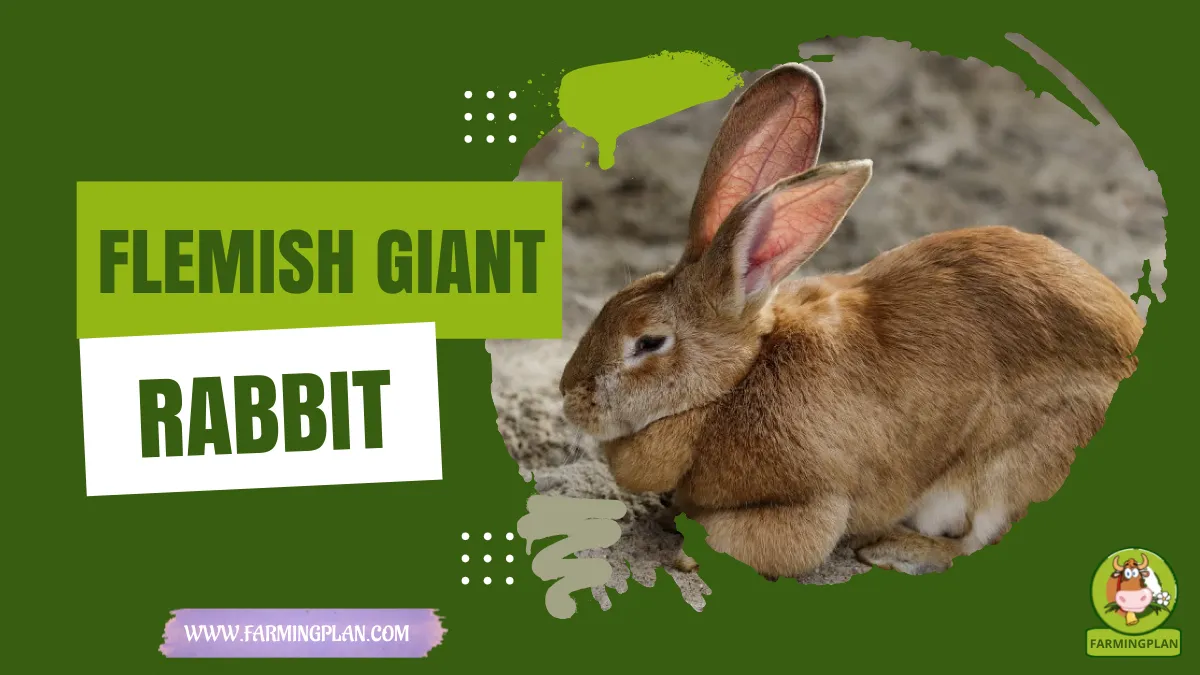
When I work with a Flemish Giant Rabbit, the first thing that always stands out is its massive size and powerful build. This is one of the largest domestic rabbit breeds in the world, and I’ve personally seen adults reach weights between 6 to 10 kg (13–22 lbs). Some exceptional individuals can grow even bigger when raised under proper care and nutrition.
Their body has a unique mandolin-shaped profile, which means it curves smoothly from the shoulders to the hindquarters. I always explain this to beginners because it’s a key trait that separates them from other large rabbit breeds like the New Zealand White or French Lop. Their long, muscular body gives them a balanced and elegant look despite their heavy weight. They also have large, upright ears that can grow up to 15–20 cm, which adds to their bold appearance. Because of their size, I always recommend a spacious enclosure to support their natural movement and prevent stress on their joints.
Coat, Colors, and Unique Features
The coat is dense, glossy, and soft to touch. Common Flemish Giant rabbit colors include black, blue, fawn, steel gray, sandy, and white. Their guard hair adds a plush feel, which many breeders appreciate. I’ve noticed that their coat doesn’t require heavy grooming, but regular brushing helps maintain its shine. Their blood vessels and skin structure also support their large body, though it makes them prone to some health issues if not managed well.
Nature & Temperament
One thing I always tell new owners is this: Flemish Giants are gentle rabbits with calm and friendly personalities. Despite their size, they rarely show aggression. They enjoy interaction and often behave like quiet companions. I’ve seen them act as therapy animals and even perform well in petting zoos. Their calm nature makes them suitable for kids, but due to their size, supervision is important during handling.
Compatibility with Families and Owners
These rabbits are social animals, so they enjoy human interaction and bonding. If you leave them alone for long periods, they may develop behavioral issues. Neutered male and female rabbits tend to be more relaxed and easier to manage. I always recommend early socialization and proper handling to build trust. With consistent care, they become loyal and affectionate pets.
Food & Diet
A balanced diet plays a huge role in maintaining the health of a Flemish Giant Rabbit. I always start with high-quality hay as the main food source. Hay supports digestion and prevents GI stasis, which is a common issue. You can also include pellets (often called rabbit nuggets), but don’t overfeed them. Fresh vegetables like carrots, leafy greens, and herbs work well too. Clean water must always be available.
Foods to Avoid and Best Practices
Avoid sugary foods, processed snacks, and excessive fruits. These can lead to obesity and digestive problems. I’ve seen many cases where poor diet caused dental disease and stomach issues. Proper nutrition also reduces risks like sore joints and pododermatitis, especially in large rabbit breeds.
Tip: Keep Their Diet Simple—Hay, Fresh Greens, And Clean Water Are The Real Secrets To Healthy Rabbits.
Usage & Purpose
Historically, farmers raised Flemish Giant Rabbits for meat due to their large size and fast growth. Their fur also had value, though today it’s less common in commercial use. In my farming experience, they still serve as a good dual-purpose breed, but many people now prefer them as pets.
Pets, Shows, and Therapy Roles
These rabbits shine in rabbit shows due to their size and appearance. Organizations like ARBA judge them based on strict standards. They also work well as therapy animals because of their calm behavior. I’ve seen them used in educational farms, birthday parties, and even visitor centers where they attract attention easily.
Special Features
The combination of enormous stature and gentle temperament makes this breed special. Few rabbit breeds can match this balance. Their mandolin-shaped body and large ears give them a unique look that stands out among Flemish Giant Rabbit breeds like Checkered Giants or Giant Chinchilla.
Adaptability and Social Traits
They adapt well to different environments if given proper housing. Their social nature allows them to bond easily with humans. I’ve also noticed their intelligence—they can learn litter box habits and recognize their owners. This makes them easier to manage compared to some other large breeds.
Read More: Chinese Owl Pigeon: Graceful Beauty With a Frill of Personality
Health Issues & Prevention
Like all domestic rabbits, Flemish Giants can face health issues such as GI stasis, pododermatitis, and dental disease. Due to their size, they may also suffer from sore joints and spinal spondylosis. Other risks include flystrike, fur mites, and infections like Encephalitozoon cuniculi. Cardiomyopathy can also affect older rabbits.
Prevention and Regular Care
I always recommend regular health checks and proper hygiene. Keep their habitat clean and dry to avoid infections. Vaccinations, grooming, and proper nutrition play key roles in prevention. Use ear cleaning wipes and monitor their behavior daily. Early detection can save their life.
Great Care Creates Gentle Giants—Treat Your Rabbits With Love, And They Will Return It Tenfold.
Step-by-Step Pet Owner Care Guide
Raising a Flemish Giant Rabbit requires planning, patience, and consistency. I’ve trained many beginners, and I always tell them that success comes from following simple daily routines. These rabbits need space, proper diet, interaction, and hygiene. This step-by-step guide will help you from setup to daily care, whether you’re a pet owner or breeder.
Step 1: Prepare the Right Habitat and Enclosure
Start with a large cage or hutch because these rabbits need space to move freely. I always recommend a solid floor with soft bedding to prevent pododermatitis. Ensure proper ventilation and keep the enclosure clean. Add toys, litter box, and hiding spots to make the environment comfortable.
Step 2: Set Up a Balanced Diet Plan
Feed high-quality hay daily, along with fresh vegetables and limited pellets. I follow a strict feeding schedule to maintain their health. Always provide clean water. Avoid overfeeding to prevent obesity and digestive problems.
Step 3: Grooming and Hygiene Routine
Brush their coat weekly to remove loose fur. Check ears, nails, and teeth regularly. I use simple grooming tools and keep the rabbit clean to prevent fur mites and infections.
Step 4: Daily Interaction and Exercise
Allow your rabbit to move outside the cage in a safe area. I always encourage interaction because they are social animals. Rabbit-proof your home to prevent damage to furniture and ensure safety.
Step 5: Monitor Health and Provide Medical Care
Watch for signs of illness like reduced appetite or unusual behavior. I always keep a vet contact ready. Regular checkups, vaccinations, and quick treatment help prevent serious issues.
Expert Tips & Best Practices
Pro Tips for Success
- Choose a trusted breeder when buying
- Always provide large living space
- Keep diet simple and natural
- Socialize rabbits early
- Use pet insurance for safety
- Maintain clean habitat
- Monitor behavior daily
- Avoid sudden diet changes
- Keep them cool in hot weather
- Handle gently due to size
FAQs
What is the lifespan of a Flemish Giant Rabbit?
They usually live between 5 to 8 years with proper care. Good diet and hygiene can extend their lifespan.
How big do Flemish Giant Rabbits get?
They can weigh up to 10 kg and grow very long. They are one of the largest domestic rabbit breeds.
Are Flemish Giant Rabbits good pets?
Yes, they are calm, friendly, and social. They make excellent pets for families with enough space.
How much does a Flemish Giant Rabbit cost?
Prices vary depending on breeder and location. They are generally more expensive than smaller breeds.
Do Flemish Giant Rabbits need special care?
Yes, they need more space, proper diet, and regular health checks due to their size.
Conclusion
The Flemish Giant Rabbit stands out as a unique blend of size, beauty, and gentle personality. From its rich history in Belgium to its modern role as a beloved pet and show animal, this breed continues to impress owners worldwide. With proper care, nutrition, and attention, you can raise a healthy and happy giant rabbit that becomes a true companion. If you’re ready to take on the responsibility, this breed will reward you with loyalty and calm companionship. Share your thoughts, experiences, or questions in the comments—I’d love to hear how your journey with these gentle giants goes!