
Managing diseases of sheep is one of the most critical aspects of raising a healthy, profitable flock. Over my many years as a farming specialist, I have worked with small ruminants across countless pastures, helping livestock owners identify illness early and protect their herds. Every shepherd knows that a sick animal can quickly affect the whole flock.
Infectious conditions, respiratory disease, and parasites like liver fluke or coccidiosis spread fast if you do not step in right away. By recognizing warning signs such as fever, lameness, or abortions early on, you save time, money, and animal lives. I wrote this guide to share my practical experience so you can handle flock health issues with confidence and keep your animals thriving year-round.
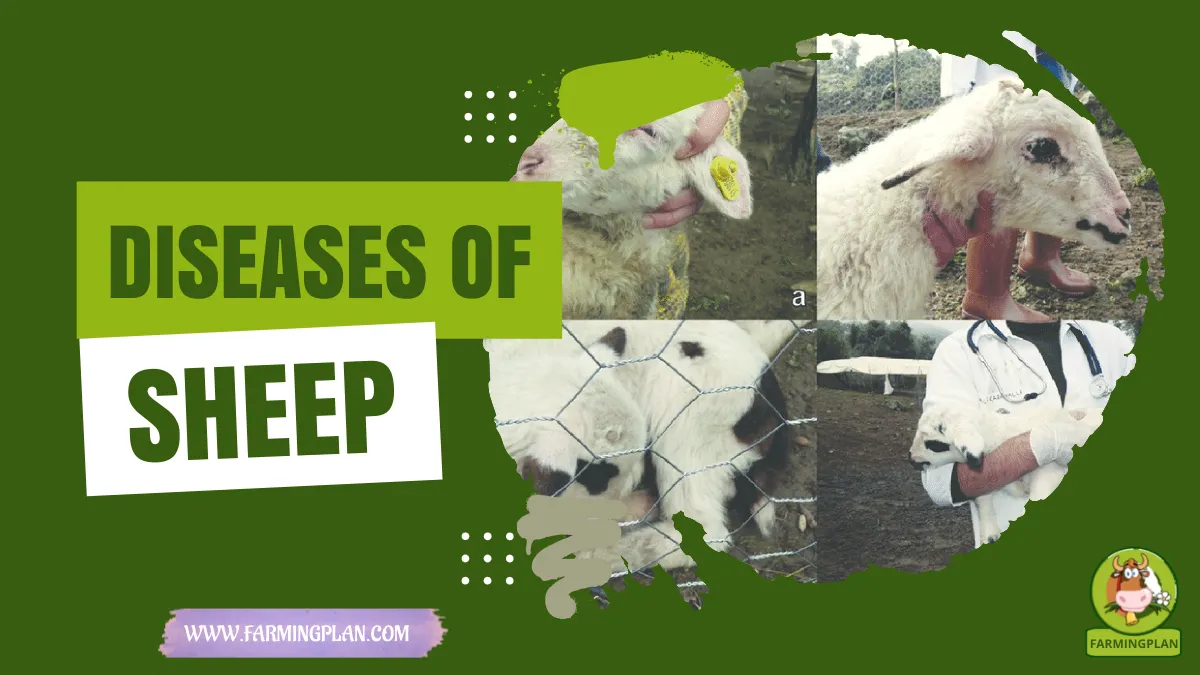
History & Origin for Diseases of Sheep
Throughout history, humans have relied on sheep for meat, milk, and wool, making health management essential since ancient times. Early shepherds learned through trial and error how to manage sick animals without modern medicines. Long before we understood microbiology, ancient herders noticed that moving flocks to fresh grass reduced parasites and rot. They developed basic methods to protect herds from environmental threats and contagious outbreaks.
As agricultural science grew in the 19th and 20th centuries, researchers identified specific pathogens responsible for livestock losses. Major discoveries led to clostridial vaccines, targeted deworming protocols, and effective biosecurity measures. Institutions like the University of Edinburgh Deanery of Biomedical Sciences and Edinburgh Medical School contributed greatly to veterinary medicine. Their research helped unravel complex conditions like scrapie, Maedi Visna, and various transmissible spongiform encephalopathies.
Today, our modern understanding of ovine healthcare rests on centuries of hard-earned farming knowledge combined with advanced laboratory science. We now use ultrasonography for pregnancy checks, draw blood for disease testing, and manage genetic risk factors. Knowing this history helps us appreciate how far flock management has come and why routine prevention remains our strongest tool today.
Read More: American Leopard Hound Dog: Amazing Breed Guide
Characteristics for Diseases of Sheep
Recognizing illness requires a sharp eye for subtle physical and behavioral changes in your herd. Healthy animals are alert, active, and chew their cud peacefully. When an infection takes hold, you will notice clear physical shifts like a dull coat, sunken eyes, or a dropped head. Body condition scores often drop rapidly when internal parasites like GI parasites or liver fluke drain vital nutrients.
Infectious pathogens create distinct clinical signs that every shepherd must learn to spot. Respiratory infections like bacterial pneumonia—often caused by Pasteurella haemolytica, Pasteurella multocida, or Mannheimia haemolytica—cause nasal discharge, coughing, and high fever. Clostridial diseases and Johne’s disease (paratuberculosis) cause rapid weight loss and severe weakness. Viral issues like Bluetongue produce cyanosis of the tongue, while parapoxvirus causes sore mouth or Orf virus lesions around the mouth.
Skin and hoof conditions also show specific traits that demand immediate attention from the handler. Foot Rot creates a strong foul odor and severe interdigital lesions between the hooves. Ectoparasites like lice and headfly, along with hard ticks such as Hyalomma spp. or Ixodidae, cause intense itching and wool loss. Fungal infections like ringworm caused by dermatophytes display circular patches of hair loss that require immediate isolation.
Nature/Temperament for Diseases of Sheep
Sheep are prey animals, so they naturally hide signs of illness to avoid showing weakness. By the time an animal looks obviously sick, the condition has usually progressed significantly. In my experience on the farm, watching herd behavior provides the earliest warnings. A sick ewe or ram will often lag behind the group, isolate itself in a corner, or refuse to stand during morning feeding.
Pain and discomfort dramatically alter their natural social structure and daily habits. Animals suffering from joint issues, septic pedal arthritis, or lameness will refuse to walk to pasture. Infections causing fever leave animals depressed, lethargic, and completely uninterested in their surroundings. Conditions like Rabies or advanced scrapie cause nervous system changes, leading to tremors, abnormal gait, or unusual aggression.
Recognizing these behavioral shifts helps you intervene before the entire herd faces danger. A normally gentle animal might kick out due to painful mastitis during milking or nursing. Sick lambs suffering from Cryptosporidium parvum or Coccidiosis lie flat and refuse colostrum from their mothers. Paying close attention to individual temperaments allows you to catch hidden health struggles early.
Food & Diet for Diseases of Sheep
Proper nutrition forms the backbone of illness recovery and overall disease prevention in your flock. When animals fall ill, their appetites drop, making high-quality feeds essential for keeping up their strength. I always recommend offering clean, palatable legume hay alongside fresh water to encourage sick stock to eat. Avoiding sudden diet changes prevents digestive issues like abdominal emptying defects or bloat.
During disease outbreaks, tailored nutritional support helps fuel the animal’s immune system. Lambs suffering from scours need oral rehydration solutions to combat dehydration and nutrient loss. Ewes during late gestation require balanced energetic feeds to prevent pregnancy toxemia and support healthy fetuses. Adding vitamins and minerals like selenium and vitamin E boosts immunity against bacterial pneumonia and other infections.
Knowing what not to feed sick livestock is just as critical as choosing good feeds. Never feed moldy hay or spoiled grain, as mycotoxins worsen internal inflammation and cause abortions. Avoid high-starch feeds when animals suffer from GI parasites or coccidiosis, as excess sugar destabilizes gut microbes. Providing clean water, balanced minerals, and quality forage gives your stock the energy needed to heal.
Usage/Purpose of Disease Management for Diseases of Sheep
Implementing robust health protocols directly impacts the productivity and financial stability of your farm. Healthy animals produce better wool, richer milk, and strong, fast-growing lambs for market. When disease enters a herd, growth rates plummet, milk output drops, and veterinary bills stack up quickly. Controlling health risks protects your agricultural investment and keeps your enterprise running smoothly.
Effective disease management protects public health by curbing zoonotic diseases that pass to humans. Conditions like Coxiella burnetii (Q fever), Chlamydophila abortus, Listeria monocytogenes, and Salmonellosis pose real risks to handlers. Managing Echinococcus granulosus or Cryptosporidiosis keeps both your family and consumers safe. Biosecurity protocols protect your food products and maintain market access for your breeding stock.
A solid health management program increases the long-term value of your breeding stock. Buyers seek out certified disease-free animals with complete vaccination and deworming records. Maintaining a clear biosecurity plan and routine veterinary checks elevates your reputation among local breeders. Investing effort into flock wellness ensures strong productivity, animal welfare, and farm profitability for years to come.
Special Features for Diseases of Sheep
Small ruminants possess a unique immune architecture that offers both remarkable resilience and specific biological vulnerabilities. Their complex multi-chambered stomach allows them to digest tough forage, but it also creates unique environments for parasites. Their immune system relies heavily on early passive transfer through antibodies found in mother’s colostrum. Without immediate colostrum intake after birth, newborn lambs remain highly vulnerable to navel ill, scours, and joint infections.
Their response to blood-borne and vector-transmitted pathogens requires specific management strategies. Organisms like Babesia ovis and Theileria hirci target red blood cells, leading to parasitemia, anemia, and haemoglobinuria. Blood-sucking Culicoides gnats transmit Bluetongue virus, while hard ticks spread tick-borne diseases like anaplasmosis. Understanding these biological pathways helps us build targeted defense strategies against vector-borne threats.
Another unique trait involves their susceptibility to slow-acting viral infections and prions. Retroviruses like Ovine Progressive Pneumonia (OPP) and Maedi Visna (SRLV) infect animals for years before showing symptoms. Prion diseases like scrapie cause gradual neurological decay without provoking a typical inflammatory response. Recognizing these special biological features allows us to design effective testing, quarantine, and breeding protocols.
Health Issues & Prevention Strategies for Diseases of Sheep
Preventing diseases requires a proactive approach focused on sanitation, vaccination, and systematic observation. Clostridial diseases like pulpy kidney and tetanus strike suddenly, making regular clostridial vaccines essential for every herd. Respiratory infections caused by Mycoplasma ovipneumoniae spread rapidly in damp, poorly ventilated barns, so good air quality is vital. Managing stress during handling and transport also keeps natural immune defenses strong.
Breeding season brings specific reproductive health challenges that demand strict monitoring. Infectious causes of abortion—such as Chlamydiosis, Toxoplasma gondii, and Campylobacter spp.—can destroy a lamb crop overnight. Isolating ewes that abort, removing infected tissue, and maintaining clean birthing stalls stops these pathogens from spreading. Checking scrotal circumference and testing rams for B. ovis prevents infertility across your breeding group.
Parasite management requires a balanced strategy of pasture rotation and strategic treatments. Worms like Haemonchus contortus cause severe anemia and bottle jaw, while Sarcocystis gigantea impacts muscle tissue. Overusing chemical dewormers creates resistant parasite strains, so conduct regular fecal egg counts instead. Pairing targeted deworming with clean pasture management keeps worm populations low without relying entirely on chemicals.
Protecting Your Flock Starts With Daily Observation And Proactive Care.
Step-by-Step Farming Guide for Diseases of Sheep
Establishing a comprehensive management system keeps your herd thriving while minimizing disease risks throughout the year. As a farming specialist, I have learned that consistency beats crisis response every single time. By breaking care down into structured steps, you create an environment where pathogens struggle to take root. This step-by-step guide covers setup, nutrition, biosecurity, and daily monitoring to build a resilient livestock operation.
Step 1: Secure Clean Housing and Ventilation
Proper housing serves as your first line of defense against respiratory infections and environmental stress. Barns must provide plenty of fresh air flow without creating cold, direct drafts on resting animals. Clean out damp bedding frequently to stop Listeria monocytogenes and foot-rot bacteria from multiplying in urine-soaked straw. Adequate space prevents overcrowding, which lowers stress levels and stops contagious pathogens from spreading quickly between animals.
Step 2: Implement a Targeted Vaccination Schedule
Vaccinations protect your animals against lethal clostridial diseases and major reproductive threats. Administer clostridial vaccines to ewes six weeks before lambing so they pass protective antibodies into their colostrum. Vaccinate young lambs according to local veterinary guidance to shield them against pasteurellosis and soremouth. Keep clear, accurate records of vaccination dates, serial numbers, and booster schedules for every animal in your care.
Step 3: Establish Strict Biosecurity Protocols
Controlling access to your property prevents dangerous pathogens from entering your pastures. Quarantine new livestock or returning show animals for at least thirty days before mixing them with the main herd. Provide boot-wash stations and clean gear for visiting veterinarians, handlers, or neighboring farmers. Keeping transport vehicles clean and controlling wild animals reduces exposure to external diseases and vector-borne infections.
Step 4: Execute a Pasture and Deworming Strategy
Manage your pastures carefully to break parasite life cycles and maintain optimal forage quality. Rotate grazing paddocks regularly so worm larvae die off before animals return to feed on the grass. Avoid overgrazing pastures below three inches, as most parasite larvae concentrate near the soil line. Use regular fecal egg count tests to guide deworming treatments rather than treating the whole herd on a fixed schedule.
Step 5: Conduct Daily Health Checks and Hoof Care
Spend time each day observing your herd during feeding to catch early signs of illness or injury. Inspect hooves regularly, trimming excess horn growth to prevent moisture traps that lead to Foot Rot or foot abscesses. Check body condition scores, conjunctival membranes for signs of anemia, and wool condition during routine handling. Early detection allows you to isolate sick animals quickly, starting effective treatment before minor issues become major herd outbreaks.
Read More: Amazing American Cocker Spaniel Dog Guide
Expert Tips & Best Practices for Diseases of Sheep
Expert Tips: Pro-Level Strategies for Success
- Partner with local veterinarians to create a customized veterinary health plan tailored to your region’s specific disease risks.
- Test all incoming breeding rams for B. ovis and check scrotal circumference before releasing them into your breeding groups.
- Dip newborn lamb navels immediately in a seven-percent iodine solution to stop navel ill and systemic joint infection.
- Feed high-quality colostrum within the first six hours of birth to ensure maximum passive antibody transfer.
- Maintain clean water troughs by scrubbing them weekly to prevent the spread of Salmonellosis and Coccidiosis.
- Monitor conjunctival membranes using the FAMACHA eye chart to check for anemia caused by barber’s pole worm.
- Isolate any ewe showing signs of vaginal discharge or abortion immediately to protect the rest of your pregnant stock.
- Keep detailed health logs tracking treatments, withdrawal periods, body condition scores, and pasture rotations across seasons.
FAQs
What are five common diseases of sheep?
Five common diseases include Foot Rot, bacterial pneumonia, mastitis, enterotoxemia (pulpy kidney disease), and coccidiosis. These conditions affect the hooves, lungs, udder, digestive system, and gut health of animals across various ages.
How can I tell if a sheep is sick?
A sick animal often isolates itself from the herd, drops its head, and stops chewing its cud. You may also notice coughing, nasal discharge, limping, fever, or pale eyelids indicating underlying anemia.
How do you prevent Foot Rot in a flock?
Preventing Foot Rot requires keeping housing dry, trimming hooves regularly, and using zinc sulfate foot baths for exposed stock. Quarantine all new animals for thirty days to ensure they do not introduce infectious foot bacteria.
What causes sudden death in sheep?
Sudden death is frequently caused by clostridial diseases like enterotoxemia, acute bloat, severe copper toxicity, or heavy parasite burdens. Vaccinating regularly with clostridial vaccines provides reliable protection against these rapid, fatal bacterial infections.
Can sheep diseases spread to humans?
Yes, several conditions like Orf virus (soremouth), ringworm, Q fever, and chlamydiosis are zoonotic and can transfer to humans. Always practice good hygiene, wear gloves when assisting births, and wash hands thoroughly after handling stock.
Conclusion
Managing Diseases of Sheep requires daily observation, clean housing, proper nutrition, and a robust biosecurity plan. By staying proactive with vaccinations, pasture rotation, and hoof care, you protect your entire herd from severe health setbacks. Early detection saves lives, reduces veterinary costs, and keeps your farming operation profitable and enjoyable over the long term. I encourage you to share your own management experiences in the comments below, pass this guide along to fellow shepherds, and join our local farming community to support strong livestock health everywhere!


