The Czech White Rabbit is one of my favorite white rabbit breeds because it combines beauty, gentle behavior, and practical usefulness in one attractive package. Over the years, I have worked with many rabbit breeds, including New Zealand White rabbits, Dutch rabbits, Satin rabbits, Angora rabbits, and several English rabbit breeds. Even among these popular choices, the Czech White Rabbit stands out for its calm nature, bright white coat, and striking red eyes.
Whether you want a family pet, a reliable breeding rabbit, or an exhibition animal, this breed offers an excellent combination of temperament and appearance. In this guide, I’ll share my personal experience raising Czech White Rabbits, explain their history, discuss their care requirements, and provide practical tips that have helped me keep healthy rabbits for many years.
History & Origin of Czech White Rabbit
Whenever people ask me about the Czech White Rabbit, I like to begin with its fascinating history. Unlike many rabbit breeds that developed naturally over centuries, this breed resulted from careful planning by experienced breeders in the Czech Republic, formerly part of Czechoslovakia. Rabbit breeders wanted to create a medium-sized white rabbit that looked elegant while remaining healthy, productive, and easy to manage. Instead of relying on chance, they carefully selected breeding stock with the best traits. Their goal was to build a rabbit that could succeed both in exhibitions and on small farms.
How The Czech White Rabbit Was Developed
The Czech Breeders Association played an important role in recognizing and improving the breed. Through selective breeding, experts focused on producing rabbits with pure white fur, strong body structure, bright ruby-red eyes, and a calm personality. The result was a breed that quickly earned respect among European rabbit enthusiasts. Today, the Czech White Rabbit remains especially popular throughout European countries, although interest has also spread to Japan, Singapore, Russia, and other regions where rabbit hobbyists appreciate rare yet practical breeds.
Selective Breeding Created a Reliable Rabbit
From my own experience, selective breeding makes a tremendous difference in rabbit quality. Good breeders never choose rabbits based only on appearance. Instead, they focus on health, temperament, fertility, and strong genetics. The Czech White Rabbit demonstrates exactly what careful breeding can achieve. Many people mistake it for the New Zealand White Rabbit because both have white coats and red eyes. While they share some similarities, they differ in body shape, breeding goals, and breed standards.
Unlike commercial meat breeds that emphasize rapid growth alone, the Czech White Rabbit balances appearance with performance. This balance explains why breeders often recommend it for rabbit shows, hobby breeding, and family ownership. Another interesting fact is that the breed belongs to a long tradition of rabbit improvement in Central Europe. Czech breeders have contributed significantly to modern rabbit genetics, producing several respected breeds known for quality and consistency.
Clearing Up the “White Rabbit” Confusion
One thing I notice quite often is that many people search for White Rabbit online but actually mean the famous fictional character from Alice’s Adventures in Wonderland by Lewis Carroll. That famous White Rabbit, carrying a pocket watch and rushing through a miniature door, inspired countless adaptations including Alice in Wonderland, Looking Glass, Wonderland, Alice’s Warped Wonderland, stop-motion animation films, dark fantasy movies, mechanical Tea Party scenes, the Mad Hatter, Cheshire Cat, Queen of Hearts, croquet games, Nivens McTwisp, Underland Underground Resistance, and even the famous Jefferson Airplane song “White Rabbit.”
Although these fictional characters have made the phrase “White Rabbit” famous worldwide, the Czech White Rabbit is an actual domestic rabbit breed developed through scientific breeding—not a fictional animal. Understanding this difference helps buyers avoid confusion when researching white rabbit breeds with red eyes.
Read More: Tibetan Pig Farming Brings Outstanding Joy Today
Characteristics of Czech White Rabbit
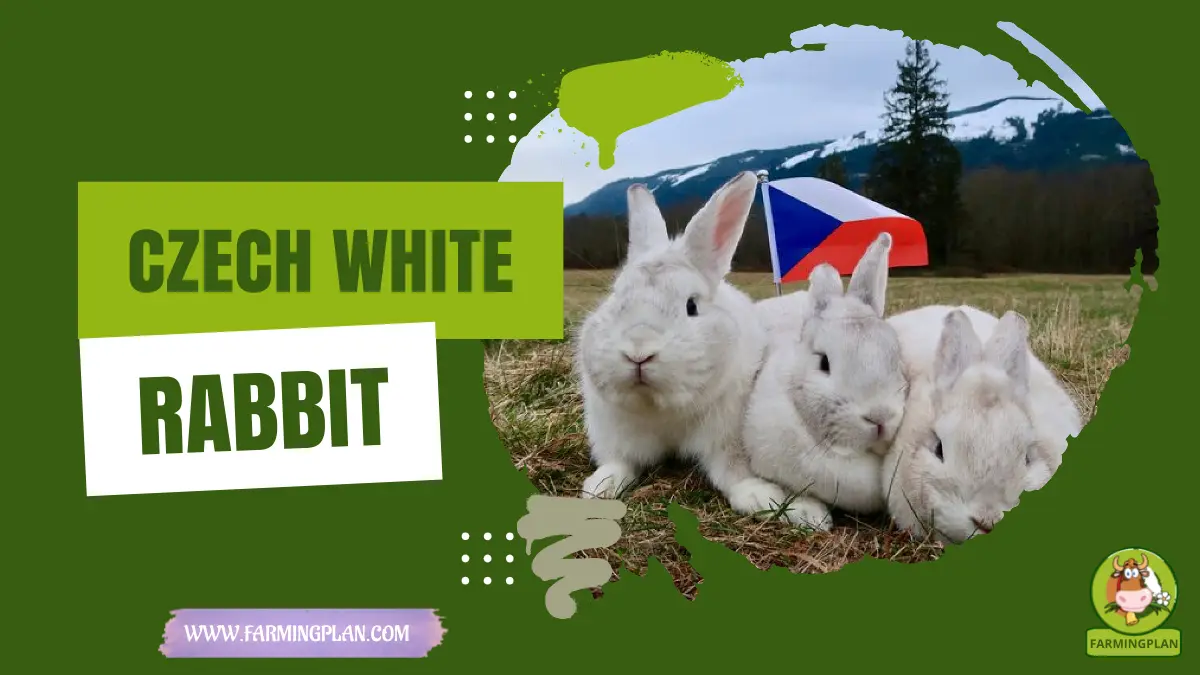
The first thing I notice whenever I see a Czech White Rabbit is its clean, snow-white coat. A healthy rabbit should display bright, glossy fur without yellow stains or rough patches. I always encourage new owners to inspect the coat carefully because it often reveals the rabbit’s overall health. The breed features ruby-red eyes, which result from albinism rather than illness. New rabbit owners sometimes worry when they first see the eye color, but these red eyes are completely normal and form part of the official breed standard.
Elegant Appearance That Always Stands Out
The ears remain upright and proportionate to the head. They have a neat appearance that gives the rabbit an alert yet relaxed expression. The head itself is moderately broad, blending smoothly into a muscular neck and compact body. From my experience, the Czech White Rabbit has a balanced body that feels solid without becoming overly heavy. Adults generally weigh between 3.5 and 4.5 kilograms (7.7–9.9 pounds), making them comfortable to handle for most owners.
Body Structure and Size
The body appears cylindrical with a broad chest and well-developed hindquarters. Strong legs help the rabbit move confidently while maintaining excellent balance. Unlike giant rabbit breeds, this size makes daily care much easier. I find that medium-sized rabbits adapt well to backyard hutches, indoor enclosures, and small hobby farms alike. Their white fur has a medium length and dense texture, providing natural insulation during cooler weather while remaining relatively easy to groom.
Coat Quality and Breed Standards
As someone who has prepared rabbits for exhibitions, I pay close attention to coat condition. The Czech White Rabbit should have soft, dense, even fur covering the entire body. Missing patches, discoloration, or coarse hair may indicate poor health or genetics.
Judges often evaluate:
- Pure white coat color
- Bright ruby-red eyes
- Strong body condition
- Straight ears
- Healthy feet
- Clean nose
- Proper posture
- Calm behavior
These qualities make the breed attractive both as a show rabbit and as a companion animal.
How It Compares with Other White Rabbit Breeds
Many beginners ask me whether they should choose a Czech White Rabbit, New Zealand White Rabbit, Satin rabbit, Angora rabbit, or Dutch rabbit.
Here’s how I usually explain the differences:
| Breed | Main Strength | Coat Type | Eye Color |
| Czech White Rabbit | Balanced pet and show breed | Dense white coat | Ruby red |
| New Zealand White Rabbit | Commercial production | Dense white | Ruby red |
| Satin Rabbit | Glossy satin-like coat | Shiny fur | Various |
| Angora Rabbit | Wool production | Long wool | Various |
| Dutch Rabbit | Color pattern | Short coat | Various |
Each breed has advantages, but I appreciate the Czech White Rabbit because it offers an excellent combination of manageable size, attractive appearance, gentle temperament, and dependable health. That balance makes it one of the most rewarding breeds I’ve worked with over the years.
Nature & Temperament
One of the biggest reasons I enjoy working with the Czech White Rabbit is its calm and friendly personality. Over the years, I have raised many rabbit breeds, including New Zealand White rabbits, Dutch rabbits, Satin rabbits, and Angora rabbits. While every rabbit has its own unique personality, I consistently find the Czech White Rabbit to be one of the easiest breeds to handle.
From a young age, these rabbits usually show curiosity instead of fear. When I enter the rabbit house each morning, my Czech White Rabbits often hop toward me, expecting fresh hay or a gentle scratch on the head. This trusting nature makes daily care enjoyable and helps new owners build confidence.
A Gentle Personality That Wins Hearts
I always recommend spending a few minutes with your rabbit every day. Gentle handling helps it become familiar with human voices and touch. In my experience, rabbits that receive regular positive interaction grow into calmer, happier companions. Because they rarely show aggressive behavior when treated kindly, this breed suits first-time rabbit owners, families with older children, hobby breeders, and experienced rabbit keepers alike.
Intelligent and Curious Behavior
The Czech White Rabbit is more intelligent than many people realize. I have watched these rabbits quickly learn feeding routines and recognize familiar sounds. Mine often gather near the enclosure door as soon as they hear the feed bucket. Their curiosity also keeps them active. They enjoy exploring safe play areas, sniffing new objects, and investigating cardboard tunnels or untreated wooden toys. I like to provide simple enrichment because it keeps their minds busy and reduces boredom.
Although they enjoy activity, they also appreciate quiet resting periods. During warm afternoons, I often see them relaxing comfortably in shaded corners before becoming more active again during the cooler morning and evening hours. Like many white rabbit breeds, they communicate through body language. A relaxed rabbit stretches its legs, grooms itself, and may even perform small joyful jumps called “binkies.” These playful movements tell me the rabbit feels secure and healthy.
Suitability for Families and Breeders
I often recommend the Czech White Rabbit to families because of its balanced temperament. However, I always remind parents that young children should handle rabbits only under adult supervision. Rabbits have delicate bones, and gentle handling keeps both the child and the animal safe. For breeders, this rabbit offers another advantage.
Calm breeding animals usually experience less stress during handling, health checks, and transportation to rabbit shows. That calm nature also makes routine grooming and veterinary examinations much easier. Whether you want a pet rabbit, a breeding rabbit, or a show animal, this breed adapts well to different environments as long as you provide clean housing, proper nutrition, and daily attention.
Food & Diet of Czech White Rabbit
Whenever someone asks me about rabbit nutrition, I always give the same advice: good feeding habits prevent many health problems before they begin. The Czech White Rabbit depends on a high-fiber diet to maintain healthy digestion and properly worn teeth. Fresh grass hay forms the foundation of every healthy feeding program. Timothy hay, orchard grass, or meadow hay should remain available throughout the day. Hay keeps the digestive system moving and naturally wears down continuously growing teeth.
Building a Healthy Diet Every Day
Along with hay, I provide a measured amount of quality pelleted feed designed specifically for rabbits. High-quality pellets contain balanced vitamins, minerals, protein, and fiber. I avoid mixes filled with colorful treats because rabbits often eat the unhealthy pieces first. Fresh, clean water should always be available. I check water bottles and bowls several times each day because rabbits drink more than many people expect, especially during warm weather.
Fresh Vegetables and Healthy Treats
I enjoy giving my rabbits fresh vegetables because they add variety and important nutrients. Safe choices include:
- Romaine lettuce
- Green leaf lettuce
- Cilantro
- Parsley
- Basil
- Dill
- Bok choy
- Kale in moderation
- Carrot tops
- Dandelion greens
I introduce new vegetables slowly. Feeding too many new foods at once can upset a rabbit’s sensitive digestive system. Fruits work well as occasional treats rather than daily meals. Small slices of apple, strawberry, blueberry, or banana reward good behavior without adding excessive sugar. Many beginners believe rabbits should eat large amounts of carrots every day. In reality, carrots contain significant natural sugar, so I feed them only occasionally.
Foods I Never Feed
Over the years, I have learned that avoiding harmful foods is just as important as providing healthy ones.
I never feed:
- Chocolate
- Candy
- Bread
- Cookies
- Onions
- Garlic
- Potatoes
- Iceberg lettuce
- Avocado
- Rhubarb
- Processed human foods
These foods can seriously harm a rabbit’s digestive system or overall health. I also avoid sudden diet changes. Whenever I switch pellet brands or introduce seasonal greens, I make the transition gradually over one to two weeks.
Feeding Young, Adult, and Breeding Rabbits
Young rabbits need extra nutrition to support growth. I provide unlimited hay, appropriate pellets, and gradually introduce fresh greens as they mature. Healthy adults require a balanced diet that maintains their ideal body weight. I monitor each rabbit regularly because obesity can lead to joint problems and reduced activity. Pregnant and nursing does need additional nutrition to support healthy litters. During these periods, I increase their quality pellets while continuing unlimited hay and plenty of fresh water. A consistent feeding routine helps maintain excellent digestion and reduces unnecessary stress.
Usage & Purpose of Czech White Rabbit
One reason I value the Czech White Rabbit is its versatility. Many breeds excel in one area, but this rabbit performs well in several roles. As a companion animal, it offers a gentle personality, manageable size, and attractive appearance. Families appreciate its quiet nature because rabbits rarely create the noise associated with many other household pets. With regular handling and socialization, many Czech White Rabbits become affectionate companions that recognize their owners and enjoy daily interaction.
A Popular Choice for Rabbit Shows
Because of its bright white coat, ruby-red eyes, balanced body, and calm temperament, the Czech White Rabbit attracts attention in rabbit exhibitions.
Show judges typically examine:
- Coat quality
- Body structure
- Weight
- Ear position
- Eye color
- Overall condition
- Grooming
- Breed standard accuracy
Before every exhibition, I spend extra time brushing the coat, checking the nails, and making sure the rabbit remains clean and healthy. Careful preparation often makes a noticeable difference in the show ring. The breed’s consistent appearance reflects the careful breeding work carried out by the Czech Breeders Association and dedicated rabbit enthusiasts throughout Europe.
Responsible Breeding Programs
Responsible breeders value this rabbit because it passes desirable traits to future generations. Healthy breeding stock helps preserve strong genetics, calm temperaments, and excellent coat quality.
Whenever I select breeding pairs, I focus on:
- Good health
- Proper body structure
- Calm personality
- Strong fertility
- Excellent maternal behavior
- Clean genetic history
I avoid breeding rabbits that show hereditary defects or poor health because responsible breeding protects the future of the breed.
Educational and Hobby Farming Value
The Czech White Rabbit also serves as an excellent educational animal. Schools, agricultural clubs, and beginner breeders often use this breed to learn proper rabbit management. Its cooperative temperament makes routine handling easier while teaching important lessons about animal welfare, nutrition, sanitation, and responsible breeding. Although some rabbit breeds are developed primarily for commercial meat production, the Czech White Rabbit is more commonly appreciated as a hobby breed, exhibition rabbit, and family pet.
Its balanced characteristics allow it to fit comfortably into small backyard rabbitries as well as larger breeding programs. From my experience, few breeds combine beauty, calm behavior, ease of care, and breeding quality as successfully as the Czech White Rabbit. That versatility continues to make it one of my favorite rabbits to recommend to both beginners and experienced rabbit enthusiasts.
Special Features of Czech White Rabbit
One of the first things I notice about the Czech White Rabbit is its clean, snow-white coat. Whenever visitors come to my rabbitry, this breed almost always attracts attention before any other rabbit. Its bright white fur creates a striking contrast with its vivid ruby-red eyes, giving it a graceful and elegant appearance. While many white rabbit breeds share similar coloring, I find the Czech White Rabbit has a particularly balanced body shape and refined look that makes it memorable.
The red eyes sometimes surprise first-time rabbit owners, but they are a natural result of albinism and form part of the official breed standard. Healthy eyes should appear bright, clear, and free from discharge. I check my rabbits’ eyes during every routine health inspection because early detection of problems always leads to better outcomes.
Elegant Beauty That Catches Every Eye
Unlike some breeds that require constant grooming, the Czech White Rabbit has a smooth, dense coat that stays attractive with regular brushing. I usually groom mine once or twice each week, increasing the frequency during seasonal shedding. This simple routine removes loose fur, reduces hair ingestion, and keeps the coat looking brilliant for rabbit shows or family visitors.
The combination of pure white fur, upright ears, and calm posture gives this breed a timeless appearance that many breeders admire. Whether the rabbit relaxes quietly in its enclosure or explores a play area, it always seems to carry itself with confidence.
Calm Temperament Combined with Practical Qualities
Appearance alone does not make a great rabbit breed. In my experience, personality matters just as much. The Czech White Rabbit combines beauty with a calm and cooperative temperament, making it suitable for many different owners. I appreciate how easily these rabbits adapt to daily routines. They quickly recognize feeding times and often greet me at the front of their enclosure. This trusting behavior makes routine health checks, grooming sessions, and cage cleaning much easier than with nervous breeds.
Because they tolerate gentle handling well, I often recommend them to beginner rabbit keepers who want to learn proper animal care. Their predictable behavior also makes them excellent educational animals for agricultural clubs, schools, and youth programs. Another feature I admire is their balanced body size. They are large enough to feel sturdy during handling but not so heavy that they become difficult to manage. This practical size works well for hobby breeders, pet owners, and exhibition enthusiasts alike.
Adaptability Across Different Environments
Over the years, I have raised rabbits in indoor facilities, outdoor hutches, and well-ventilated barns. The Czech White Rabbit has adapted successfully to each environment when I provided proper housing and consistent care. They tolerate cool weather reasonably well because of their dense coat, although I always protect them from strong winds, damp bedding, and freezing conditions.
During hot summers, I pay extra attention because white rabbits can become stressed by excessive heat. Providing shade, fresh water, and good airflow keeps them comfortable. Frozen water bottles wrapped in towels also help reduce heat stress during extremely warm days. Unlike highly specialized breeds developed solely for wool or commercial meat production, the Czech White Rabbit offers versatility. It performs well as:
- A family companion
- A hobby farm rabbit
- A breeding rabbit
- A rabbit show competitor
- An educational animal
This flexibility explains why breeders across several European countries continue to value the breed today.
Strong Genetics Through Responsible Breeding
The careful work of the Czech Breeders Association helped establish consistent breed standards that remain important today. Responsible breeders continue selecting healthy animals with strong body structure, excellent fertility, calm temperament, and correct physical characteristics. Whenever I purchase breeding stock, I study the rabbit’s family history as carefully as its appearance.
Good genetics improve overall health, reproductive success, and longevity. Although no breed is completely free from inherited problems, responsible breeding greatly reduces many common issues. Choosing rabbits from reputable breeders provides a stronger foundation for long-term success.
Why I Continue to Recommend This Breed
After raising many different breeds, I still enjoy working with the Czech White Rabbit because it combines several desirable qualities into one package.
Some of its greatest strengths include:
- Beautiful snow-white coat
- Bright ruby-red eyes
- Gentle temperament
- Medium, manageable size
- Easy grooming requirements
- Strong breeding potential
- Excellent exhibition quality
- Adaptability to different environments
- Friendly personality
- Suitable for beginners and experienced breeders
These qualities make the Czech White Rabbit one of the most rewarding breeds I have cared for throughout my farming career.
Read More: Welsh Pig: Why This Rare Breed Is Your Best Choice
Health Issues & Prevention of Czech White Rabbit
One lesson I have learned over many years of rabbit farming is that prevention always costs less than treatment. Rabbits naturally hide signs of illness because, in the wild, weak animals become easy targets for predators. As a result, owners must pay close attention to small behavioral changes. Every morning, I observe each rabbit before feeding. Healthy rabbits appear alert, curious, and eager to eat.
They move comfortably, groom themselves regularly, and produce firm, round droppings. If I notice reduced appetite, unusual droppings, weight loss, or a rabbit sitting quietly in one corner, I investigate immediately. Quick action often prevents small problems from becoming serious medical emergencies. Keeping simple health records also helps me recognize gradual changes that might otherwise go unnoticed.
Dental Problems
Rabbit teeth grow continuously throughout life. Without enough rough fiber to wear them down naturally, the teeth may become overgrown.
Common signs include:
- Drooling
- Difficulty chewing
- Weight loss
- Wet chin
- Reduced appetite
- Preference for soft foods
To prevent dental disease, I provide unlimited grass hay every day. Hay naturally grinds the teeth while supporting healthy digestion. If I suspect serious dental overgrowth, I consult a rabbit-experienced veterinarian rather than attempting to trim the teeth myself.
Digestive Disorders
The digestive system remains one of the most sensitive parts of any rabbit’s body. Poor diet, stress, dehydration, or sudden feed changes can quickly lead to gastrointestinal problems.
Warning signs include:
- Small droppings
- No droppings
- Bloating
- Refusing food
- Grinding teeth in pain
- Reduced movement
One particularly dangerous condition is gastrointestinal stasis (GI stasis), where the digestive tract slows or stops. This condition requires immediate veterinary attention. I reduce the risk by feeding unlimited hay, measured pelleted feed, fresh vegetables, clean water, and maintaining a consistent daily routine.
Respiratory Infections
Respiratory illnesses often develop when rabbits live in damp, dirty, or poorly ventilated housing.
Symptoms may include:
- Sneezing
- Runny nose
- Watery eyes
- Noisy breathing
- Reduced activity
I clean cages regularly and ensure fresh air circulates without creating strong drafts. Proper sanitation significantly lowers the chance of bacterial infections. Whenever a rabbit shows persistent respiratory symptoms, I isolate it from the rest of the group until a veterinarian confirms the diagnosis.
Ear Mites and Skin Parasites
External parasites occasionally affect rabbits, especially those housed outdoors.
I inspect ears every week for:
- Dark crusts
- Excessive scratching
- Head shaking
- Thick debris
Healthy ears should remain clean and free from odor. Fleas and mites can also irritate the skin, leading to scratching and hair loss. Prompt veterinary treatment usually resolves these problems before they become severe. Regular grooming helps me discover skin issues early.
Digestive Parasites and Internal Worms
Although indoor rabbits face lower risk, outdoor rabbits sometimes encounter internal parasites through contaminated feed or bedding.
Possible symptoms include:
- Poor growth
- Weight loss
- Dull coat
- Diarrhea
- Reduced appetite
I purchase clean feed, replace bedding frequently, and avoid overcrowding. Maintaining good hygiene greatly reduces parasite transmission. If laboratory testing confirms parasites, I follow my veterinarian’s treatment recommendations carefully.
Heat Stress
Because rabbits cannot sweat like humans, they struggle during extremely hot weather.
Heat stress signs include:
- Rapid breathing
- Weakness
- Drooling
- Lethargy
- Warm ears
- Collapse
During summer, I provide:
- Constant fresh water
- Shade
- Excellent ventilation
- Frozen water bottles
- Cooling ceramic tiles
- Reduced handling during the hottest hours
Preventing overheating remains much easier than treating heat stroke.
Obesity and Poor Body Condition
Many pet rabbits receive too many treats and too little exercise. Excess weight increases the risk of arthritis, heart strain, and grooming difficulties. I monitor body condition every month by gently feeling along the ribs and spine. A healthy Czech White Rabbit should feel firm and muscular without excessive fat deposits. Daily exercise outside the enclosure helps maintain healthy muscles and prevents boredom.
Routine Preventive Care Checklist
I follow a simple routine that has kept many of my rabbits healthy over the years:
- Check appetite every morning.
- Provide unlimited grass hay.
- Supply clean drinking water daily.
- Feed quality pelleted feed in measured amounts.
- Clean cages and litter areas regularly.
- Brush the coat weekly.
- Inspect eyes, ears, teeth, and nails.
- Keep bedding dry and clean.
- Quarantine new rabbits before introducing them.
- Schedule veterinary checkups whenever health concerns appear.
My Best Prevention Advice
If I could give every rabbit owner only one piece of advice, it would be this: pay attention every single day. Most serious rabbit illnesses begin with very small changes that many people overlook. Healthy housing, balanced nutrition, proper hygiene, regular grooming, exercise, and careful observation create the strongest defense against disease. In my experience, these simple habits help the Czech White Rabbit enjoy a long, comfortable, and active life while reducing veterinary costs and improving overall welfare.
I never wait for obvious illness before taking action. Five minutes of daily observation can save a rabbit’s life and prevent expensive treatments later.
Step-by-Step Pet Owner Care Guide of Czech White Rabbit
Raising a healthy Czech White Rabbit requires a solid plan and the right setup from day one. I always tell beginners that preparation is the key to avoiding costly mistakes later. You need to build a secure home before you ever bring your new animal back to the farm. Let us break down the exact process I use to raise happy, productive rabbits year after year.
Step 1: Constructing a Heavy-Duty Enclosure
You must build or buy a spacious hutch that measures at least 4 feet wide and 2 feet deep. I prefer using galvanized wire mesh for the sides to ensure maximum ventilation throughout the year. The floor should have a solid wooden or plastic section so the rabbit can rest its feet. Wire floors can cause painful sores known as sore hocks if the animal stands on them constantly. Place the hutch in a shaded area away from direct sunlight, loud noises, and predatory forest animals.
Step 2: Preparing the Feeding and Watering Stations
Next, you need to install heavy ceramic food bowls that the rabbit cannot easily flip over during playtime. I always use gravity-fed water bottles attached to the outside of the cage to keep the water clean. Secure the water nozzle firmly so it does not leak onto the bedding below. Put a sturdy wire hay rack on the wall to keep their daily hay off the floor. This prevents the rabbit from spoiling its food with urine or feces.
Step 3: Implementing a Daily Cleaning Routine
Every morning, I remove any wet bedding, uneaten greens, and soiled pellets from the hutch. I dump the manure trays beneath the cages directly into my garden compost pile. Once a week, scrub the entire enclosure with a mixture of water and white vinegar to eliminate odors. Keeping the environment dry prevents harmful bacteria from multiplying and threatening your herd’s health. Clean surroundings create happy animals that grow faster and produce better fur.
Expert Tips & Best Practices
- Always Buy Certified Stock: Purchase your initial breeding stock from reputable members of the Czech Breeders Association.
- Keep Detailed Records: Track birth dates, litter sizes, and growth rates in a dedicated farm journal.
- Handle Rabbits Gently: Always support the rabbit’s hindquarters when lifting it to prevent spinal injuries.
- Provide Chew Toys: Give them pieces of applewood or willow branches to keep their teeth worn down naturally.
- Monitor Summer Heat: Use frozen water bottles in their cages when summer temperatures rise above 85 degrees Fahrenheit.
- Isolate New Animals: Quarantine any new rabbit for at least thirty days before introducing it to your main herd.
FAQs
What makes the Czech White Rabbit different from other white breeds?
This breed offers a unique combination of extreme climate resilience, high meat yield, and a calm temperament. Unlike larger commercial breeds, it maintains a compact, muscular frame that requires less feed to thrive.
Can I keep this rabbit breed inside my house as a pet?
Yes, their gentle and patient nature makes them fantastic indoor pets if you give them enough space. You must rabbit-proof your home because they love to chew on electrical cords and wooden furniture.
How often should I breed my female rabbits each year?
I recommend breeding a healthy female three to four times a year to ensure strong litters. Giving the mother adequate rest between litters preserves her health and ensures the kits grow up strong.
What is the average lifespan of this specific rabbit breed?
With proper care, a balanced diet, and clean housing, they typically live between 5 to 8 years. Regular health checks and high-quality hay significantly extend their lifespan.
Do these rabbits require professional grooming like Angoras?
No, their short and dense coat only requires a quick weekly brushing to remove loose fur. During their shedding season, you should brush them every few days to prevent hairballs.
Conclusion
The Czech White Rabbit is truly an outstanding breed that brings immense value to any homestead or backyard barn. My years of hands-on experience have shown me how rewarding it is to raise these gentle, productive, and beautiful animals. By providing them with clean housing, fresh hay, and regular care, you will enjoy a thriving herd for years. If you want a dependable dual-purpose rabbit or a calm companion, this Bohemian treasure is the perfect choice for you. Have you ever raised white rabbits on your farm before? Please leave a comment below to share your stories, ask questions, or connect with our growing farming community!