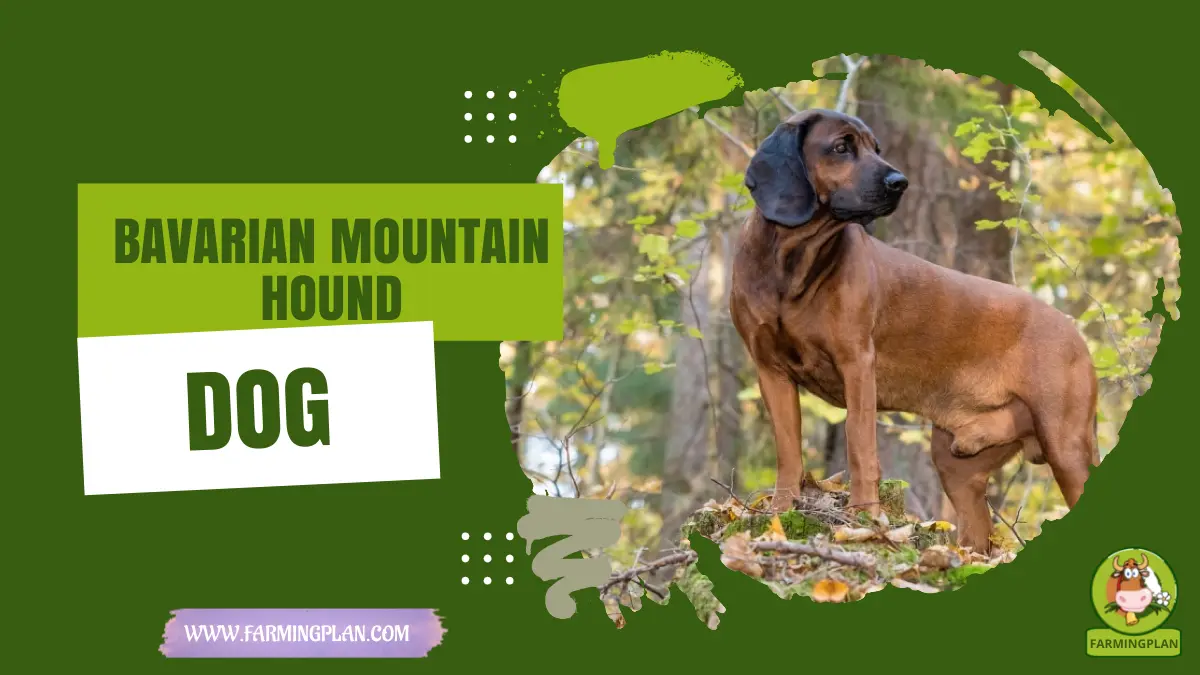
The Bavarian Mountain Hound dog is a dedicated, loyal scent hound bred specifically for tracking wounded game over tough terrain. Originating in Germany, this noble German hound blends strength, stamina, and agility in a compact, athletic frame. When you bring a Bavarian Mountain Hound puppy into your home, you welcome a devoted partner with an incredible nose and an affectionate heart. Their quiet demeanor at home balances their boundless energy out in the field.
Raising a Bavarian Mountain Hound puppy requires patience, daily stimulation, and early socialisation to channel their high prey drive into positive habits. Whether you plan on deer stalking, tracking wounded game, or participating in scent games, this breed excels when given a clear purpose. Working with these brilliant hounds brings immense joy, but you must stay ahead of their sharp minds and energetic working nature.
History and Origin of Bavarian Mountain Hound Dog
The history of the Bavarian Mountain Scenthound roots deeply in nineteenth-century Germany. Foresters and hunters in the Alps needed a light, agile tracking dog capable of traversing steep mountains and rugged forests. They crossed the heavy Hanover Hound with agile, lighter mountain scent hounds, creating the legendary Bayerischer Gebirgsschweißhund. Game wardens and foresters valued these dogs for their relentless blood tracking and cold-scent tracking skills, relying on them to locate large game like deer over miles of rough country.
As hunting traditions evolved, the breed gained international recognition. Organizations like The Kennel Club, the Royal Kennel Club, the American Kennel Club, and the United Kennel Club formalized the breed standard to preserve its legendary working traits. Breeders in southern Germany, near Munich, formed specialized societies to protect the working bloodlines. Today, groups like the Bavarian Mountain Hound Society of Great Britain maintain rigorous standards to ensure these scent hounds retain their historic working abilities.
Read More: Dharane Kalo Sungur Pig Master Guide
Characteristics of Bavarian Mountain Hound Dog
The Bavarian Mountain Hound boasts a balanced, muscular build built for agility and endurance over harsh mountain paths. Standard coats range from Deer Red to stag red, often accompanied by a striking Black Mask on the muzzle. Their short, dense coat protects them against thick brush, harsh weather, and thorny briars during long days in the woods.
- Skull & Muzzle: Broad, slightly domed skull with a well-defined stop, leading to a strong muzzle and wide nostrils for deep scenting ability.
- Eyes & Ears: Medium, clear eyes with an intelligent expression; broad, heavy ears with rounded tips hanging flat against the head.
- Topline & Tail: Firm, slightly sloping topline supported by a deep chest, leading to a well-set tail carried level or slightly downward.
- Size: Stands 17 to 21 inches at the shoulder and weighs between 35 to 65 pounds.
Nature and Temperament of Bavarian Mountain Hound Dog
The Bavarian Mountain Hound dog possesses a calm, serious, and deeply loyal temperament. They bond intensely with their human family, often acting reserved or aloof toward strangers without showing aggression. Their strong desire to please makes them eager partners, yet their high intelligence and strong scenting instincts require confident leadership.
These hounds thrive in quiet, rural environments with active families. Because they carry a strong hunting drive, they can mistake smaller household pets for game if not socialized early. They prefer spending their days outdoors alongside their owners, transitioning into quiet, gentle companions by the fireside at night.
Food and Diet of Bavarian Mountain Hound Dog
A working hound requires a high-quality, protein-rich diet to maintain steady energy levels and support dense muscle mass. Active hounds thrive on whole-meat proteins like chicken, turkey, or salmon, combined with gut-friendly prebiotics to support optimal digestion. Splitting their daily food into two smaller meals helps lower the risk of bloat or stomach distress.
To protect their hard-working joints, look for recipes enriched with glucosamine, chondroitin, and omega-3 fatty acids. Options like Scrumbles Chicken Wet Dog Food or Scrumbles Turkey Dry Dog Food provide clean, balanced nutrition for active working dogs. Always monitor your dog’s weight carefully, adjusting food intake based on daily field exercise and activity.
Usage and Primary Purpose of Bavarian Mountain Hound Dog
Foresters originally bred the Bavarian Mountain Hound for blood tracking and finding wounded deer in steep mountain forests. Their incredible nose allo ws them to follow cold trails over granite rock, thick mud, and dense brush. When tracking game, they move with steady determination, letting out a deep bark once they reach the target.
Modern owners use these tracking dogs for deer stalking, trailing, and responsible hunting conservation efforts. Outside the hunting world, they excel at scent games, agility courses, and trailing exercises. Giving these working hounds a constructive outlet for their nose prevents frustration, keeping them focused and happy in everyday life.
Special Features of Bavarian Mountain Hound Dog
- Cold-Scent Trailing: Tracks faint, hours-old blood trails across rocky mountain terrain without losing focus.
- Unwavering Stamina: Runs for hours through dense forests without slowing down or showing physical fatigue.
- Selective Bonding: Forms a powerful, undivided bond with a primary handler while staying calm around the family.
- Quiet Home Life: Switches easily from an intense field tracker to a peaceful, quiet companion indoors.
Health Issues and Preventive Care
The Bavarian Mountain Hound is a sturdy, healthy breed, but they face specific health risks like many working hounds. Joint issues like Hip Dysplasia remain a focus for responsible breeders using genetic health markers and DNA screening. Their long, floppy drop ears also trap moisture, making them susceptible to recurring ear infections if left uncleaned.
Other potential concerns include cerebellar abiotrophy, demodicosis, arthritis, and impacted anal glands. Maintain regular dental hygiene, trim their nails, and consult your veterinarian regularly to protect your hound’s welfare. Working within a breeding for health framework reduces the inbreeding coefficient and protects future generations of these rare hounds.
Always Respect The Nose Of A Working Hound And Guide It With Patient Love Every Single Day.
Step-by-Step Farming Guide for Bavarian Mountain Hound Dog
Raising a Bavarian Mountain Hound dog demands commitment, structured training, and clear routines right from the start.
Setting Up The Home Environment
Prepare a safe, secure living area before bringing your puppy home. Install strong six-foot fencing around your yard to prevent your puppy from following intriguing scent trails out of the property. Indoors, set up a warm bed, durable chew toys, and clear boundaries to keep your growing pup safe.
Early Socialisation And Foundational Training
Introduce your puppy to new sights, sounds, humans, and other dogs starting at eight weeks old. Focus on gentle, positive reinforcement methods rather than harsh corrections, as these sensitive hounds shut down under strict pressure. Teach basic obedience commands like “sit,” “stay,” and a rock-solid recall early on.
Daily Exercise And Mental Stimulation
Provide at least 90 to 120 minutes of daily physical exercise for your adult hound. Combine leashed road walks with off-leash runs in safely enclosed areas to burn off energy. Incorporate daily tracking exercises, hide-and-seek games with treats, or scent games in the backyard to exercise their sharp mind.
Grooming Routine And Ear Maintenance
Brush your hound’s short coat once a week with a rubber curry brush to remove loose hair and dirt. Inspect their long ears weekly for signs of redness, wax buildup, or moisture, cleaning them gently with a vet-approved solution. Clip their nails every few weeks and brush their teeth regularly to maintain good oral health.
Read More: Bleu du Maine Sheep Breed Essential Care
Expert Tips and Best Practices for Swine Success
- Start scent training games early using food rewards hidden around your yard.
- Use a sturdy harness and long tracking line during all open-field walkouts.
- Clean your hound’s ears immediately after rainy walks or swimming sessions.
- Join local tracking clubs or working hound societies for expert guidance.
- Keep training sessions short, fun, and engaging to prevent boredom.
- Maintain strict weight control to avoid excess strain on their hip joints.
- Introduce your puppy early to cats and small pets under direct supervision.
FAQs
How much exercise does a Bavarian Mountain Hound dog need every day?
A Bavarian Mountain Hound needs at least 90 to 120 minutes of active exercise daily. They thrive best on long hikes, trailing games, and structured scent work.
Are Bavarian Mountain Hounds good family pets?
Yes, they make affectionate, loyal family companions when given enough daily physical and mental exercise. However, they are reserved around strangers and need early socialisation.
What is the average price of a Bavarian Mountain Hound puppy?
A Bavarian Mountain Hound puppy typically costs between $1,200 and $2,500 from a reputable breeder. Prices vary based on working pedigree, health testing, and location.
Do Bavarian Mountain Hounds shed a lot of hair?
They have a short, dense coat that sheds moderately throughout the year. Regular weekly brushing keeps loose fur under control and maintains a healthy shine.
Can a Bavarian Mountain Hound live comfortably in an apartment?
Apartment living is generally not recommended for this energetic working breed. They require large secure yards and wide open rural spaces to stretch their legs and explore scents safely.
Conclusion
The Bavarian Mountain Hound dog stands out as an exceptional, hard-working breed with unmatched tracking skills and deep family loyalty. From their origins in the Bavarian Alps to modern field trailing, these scent hounds thrive when paired with active, dedicated handlers. By providing high-quality nutrition, regular exercise, and consistent training, you will build a lifelong partnership with one of the finest tracking hounds in the world. Ready to explore the incredible world of working hounds? Share your thoughts, ask a question in the comments below, or connect with a local hound club today to start your journey!