Iowa Blue Chicken is one of the most fascinating heritage poultry breeds I have worked with during my years as a farming specialist. Whenever someone asks me about unique dual-purpose chickens, this breed quickly comes to mind because it combines attractive blue genetics, excellent foraging ability, and a rich American history. Although Iowa Blue chickens remain uncommon compared to White Leghorns, Rhode Island Red, Black Minorcas, Sussex, Wyandotte, Jersey Giants, or Ameraucanas, many breeders and conservationists have developed a growing interest in preserving them.
In this guide, I will share practical information about Iowa Blue chicken eggs, meat production, temperament, colors, care requirements, breeding considerations, health management, and where people may find Iowa Blue chicken for sale through breeders, hatcheries, and poultry networks. Whether you are a hobbyist, a backyard chicken keeper, or a serious poultry breeder interested in genetic preservation, this article will help you understand why the Iowa Blue deserves attention among today’s heritage breeds.
History & Origin
The Iowa Blue originated in the state of Iowa, particularly around the Decorah region. Historical accounts suggest that local farmers developed the breed through natural selection and practical farm breeding rather than through a formal breeding program. Unlike many commercial chicken breeds that breeders created for maximum egg production or rapid meat growth, Iowa Blue chickens evolved because they performed well under real farm conditions.
How The Breed Began In Rural Iowa
Farmers valued birds that could survive harsh Midwestern winters, find much of their own food, avoid predators, and continue laying brown eggs throughout the year. These practical needs shaped the breed’s development. The exact genetic history remains somewhat mysterious, which adds to the breed’s appeal among poultry enthusiasts.
Conservation Efforts And Breed Recognition
For many years, Iowa Blue populations declined as industrial poultry farming favored highly specialized breeds. Commercial operations increasingly chose White Leghorns for egg production and meat-focused hybrids for broiler production. As a result, many traditional breeds experienced population declines. Conservation groups such as the American Livestock Breeds Conservancy, now known as The Livestock Conservancy, encouraged interest in preserving rare poultry genetics. Dedicated breeders, small farms, and organizations like the Iowa Blue Chicken Club worked to maintain breeding flocks and document breed characteristics.
Why Preservation Matters Today
I believe the Iowa Blue represents an important piece of American agricultural history. Every heritage breed carries valuable genetic traits that may benefit future poultry breeding programs. Strong foraging instincts, hardiness, predator awareness, and adaptability remain useful qualities that modern commercial birds sometimes lack.
Genetic preservation protects diversity within Gallus gallus domesticus populations. When breeders maintain heritage breeds such as Dorkings, Chantecler, Speckled Sussex, Cuckoo Scots Dumpy, and Iowa Blue chickens, they help preserve unique traits that future generations may need.
Read More: Indian Game Chicken Powerful Heritage Breed Guide
Characteristics
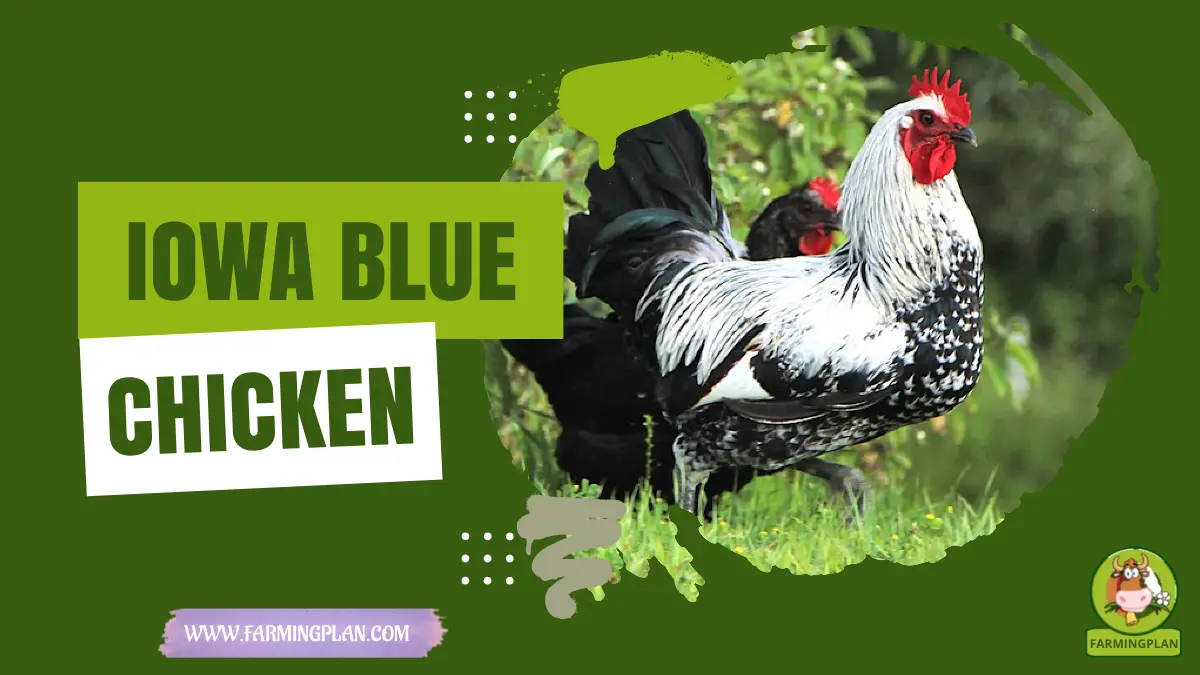
One of the first things I notice about an Iowa Blue Chicken is its unusual appearance. Unlike many standardized poultry breeds, Iowa Blue chickens can show slight variations in color and markings. Most birds display a beautiful blend of slate-blue, gray, silver, and darker feather patterns. This natural variation adds charm and reflects the breed’s heritage background.
The breed typically has a medium-sized body with a strong frame. Mature roosters often weigh between 6 and 7 pounds, while hens usually weigh around 4.5 to 6 pounds. Their athletic build helps them forage efficiently across fields, orchards, and pastures. I often compare their active nature to pheasants because they move quickly and stay alert.
Iowa Blue Chicken Colors And Feather Patterns
When people search for Iowa Blue chicken colors, they often expect a single color standard. In reality, feather patterns vary considerably. Some birds display rich blue-gray shades, while others show silver lacing or darker markings around the neck and tail. Because the breed developed through practical farm selection, appearance never mattered as much as performance. This explains why breeders may see more variation than in highly standardized exhibition breeds such as Black Crested Blue Polish, White Crested Blue Polish, Chamois Spitzhauben, or Ayam Cemani.
Eggs, Comb Types, And Production Traits
Most Iowa Blue hens lay medium to large brown eggs. Egg color typically ranges from light brown to medium brown. While they cannot compete with commercial White Leghorns in total annual egg production, they produce a respectable number of eggs for a heritage dual-purpose breed. Most birds carry a single comb, though comb size may vary. Their combs generally resist frost damage better than some larger-combed Mediterranean breeds. This trait helped them survive harsh Midwestern winters where frost-bitten combs often created problems for poultry keepers.
Nature & Temperament
Over the years, I have found Iowa Blue chickens to be intelligent, alert, and highly independent. They enjoy human interaction but rarely become overly demanding. This balance makes them suitable for both experienced farmers and beginners who want a manageable flock. Unlike some nervous breeds that panic easily, Iowa Blues generally remain calm when handled regularly from a young age. Chicks raised with frequent human contact often develop friendly personalities and become comfortable around caretakers.
Excellent Foragers And Predator Awareness
One of the breed’s strongest qualities involves foraging. These birds actively search for insects, seeds, weeds, and natural food sources. Their strong survival instincts allow them to cover large areas efficiently. I frequently recommend Iowa Blue chickens to orchard owners because they help control insects naturally. Their active lifestyle also reduces feed costs when birds have access to safe pasture areas. Their alert nature provides another advantage. Iowa Blues often spot potential threats before less attentive breeds. This characteristic likely contributed to their survival during the breed’s early development.
Suitability For Different Owners
Backyard poultry keepers appreciate the breed’s manageable temperament and attractive appearance. Small-scale farmers value its dual-purpose capabilities and hardiness. Conservation-minded breeders enjoy contributing to genetic preservation efforts. Families with children can also raise Iowa Blues successfully, provided they teach respectful handling techniques. Consistent interaction usually produces calmer birds and strengthens trust between birds and caretakers.
Food & Diet
Good nutrition forms the foundation of a healthy flock. I always begin with age-appropriate feed because chickens require different nutrient levels throughout their lives. Chicks need a high-protein starter ration containing approximately 18–20% protein. This supports healthy growth, feather development, and immune function. As birds mature, I gradually transition them to grower feed and eventually to layer feed for laying hens.
Natural Foraging Benefits
One reason I enjoy raising Iowa Blue chickens involves their exceptional foraging skills. Birds that forage actively consume insects, grass, seeds, and other natural food sources. This behavior improves diet diversity and often reduces feed expenses. During warm months, I allow birds supervised access to pasture whenever possible. Access to greens contributes vitamins and minerals that support overall health and egg quality.
Foods To Offer And Foods To Avoid
I regularly supplement diets with vegetables, leafy greens, grains, and occasional protein treats. Fresh water remains available at all times because dehydration quickly affects productivity and health. I avoid feeding moldy feed, spoiled food scraps, excessive salt, chocolate, avocado pits, and highly processed foods. These items may cause digestive issues or more serious health complications.
Usage & Purpose
Iowa Blue chickens serve as a true dual-purpose breed. Farmers can raise them for both egg production and meat. While they do not match commercial hybrids in either category, they perform well across both areas. This balanced productivity makes them practical for homesteaders who prefer self-sufficient poultry systems. Rather than maintaining separate egg and meat flocks, many small farmers choose dual-purpose birds.
Heritage Breed Conservation
Today, many breeders focus on conservation interest rather than commercial production. Every healthy breeding flock contributes to preserving valuable genetics for future generations. Organizations, poultry clubs, and dedicated breeders often maintain records, exchange breeding stock, and promote awareness of rare heritage breeds. These efforts help prevent further population decline.
Exhibition And Educational Uses
Although not as common in poultry shows as some exhibition breeds, Iowa Blues attract attention because of their rarity and history. Agricultural educators often use them to teach students about livestock conservation and genetic diversity. Their story demonstrates how traditional farm breeds evolved through practical selection rather than intensive commercial breeding programs.
Special Features
Few breeds combine hardiness, adaptability, and intelligence as effectively as the Iowa Blue. Their strong instincts help them thrive under a wide range of management systems. I often observe Iowa Blues finding shelter quickly during storms and locating food efficiently across large pasture areas. These natural behaviors reduce management challenges.
Rare Heritage Genetics
One of the breed’s greatest strengths involves genetic preservation. Rare breeds contribute valuable diversity to poultry populations worldwide. Maintaining these genetics protects traits that could prove important in future breeding programs. Breeders interested in Blue Genetics often appreciate Iowa Blues because they represent a unique American poultry heritage.
Adaptability To Various Climates
Iowa Blues tolerate cold weather exceptionally well. Their practical farm origins prepared them for difficult Midwestern winters. While they still require proper shelter, they generally handle seasonal temperature fluctuations better than many specialized breeds. Their combination of hardiness, productivity, and attractive appearance continues to attract poultry enthusiasts across the United States.
Read More: Holland Chicken Amazing Heritage Breed Guide
Health Issues & Prevention
Like all poultry breeds, Iowa Blue chickens can experience health challenges. Coccidiosis remains one of the most common diseases affecting young chicks. Symptoms include lethargy, diarrhea, reduced appetite, and poor growth. Respiratory diseases such as LT (laryngotracheitis) may also occur if biosecurity practices fail. Early detection significantly improves outcomes.
Preventive Health Management
I focus heavily on prevention because treatment often costs more than prevention. Clean housing, dry bedding, quality feed, and fresh water form the foundation of flock health. Many breeders follow vaccination programs when appropriate. Hatcheries sometimes offer vaccinated chicks to reduce disease risks. Maintaining germ-free environments for young chicks helps reduce exposure to harmful pathogens during critical development stages.
Parasite And Biosecurity Control
External parasites such as mites and lice occasionally affect poultry flocks. Regular inspections help identify problems before infestations become severe. I also limit unnecessary visitor access to poultry areas and quarantine new birds before introducing them to established flocks. These simple biosecurity measures greatly reduce disease transmission risks.
Healthy Chickens Start With Clean Housing, Fresh Water, And Daily Observation. Small Problems Become Big Problems When Farmers Ignore Them.
Step-by-Step Iowa Blue Chicken Farming Guide
A Practical Roadmap For Raising Iowa Blues Successfully
When beginners ask me how to raise Iowa Blue chickens, I always emphasize planning before purchasing birds. Success begins long before chicks arrive. Proper housing, nutrition, predator protection, health management, and breeding decisions all influence long-term results. Because Iowa Blues remain relatively rare, sourcing quality birds from reputable breeders matters greatly.
Many conservation-focused breeders maintain careful breeding records to protect important genetic traits. I encourage new poultry keepers to research breeders thoroughly, verify flock health status, and ask detailed questions before purchasing chicks, hatching eggs, or breeding stock. The following step-by-step guide reflects the methods I use and recommend for establishing a productive, healthy Iowa Blue flock.
Step 1: Purchase Quality Chicks Or Hatching Eggs
I begin by locating reputable breeders, hatcheries, or conservation-focused poultry networks. Since Iowa Blue chickens remain uncommon, availability may vary throughout the year. Ask about hatch dates, parent stock quality, disease testing, NPIP certification, vaccination history, and breeding goals. Healthy chicks should appear active, alert, and free from visible defects. If purchasing hatching eggs, use a reliable incubator and follow recommended temperature and humidity guidelines carefully.
Step 2: Prepare Safe Housing
Before chicks arrive, I prepare a secure brooder area. Young chicks require warmth, protection, and clean bedding. During the first week, temperatures should remain around 95°F and gradually decrease as chicks grow. For adult birds, provide a well-ventilated coop with predator-proof construction. Include nesting boxes, roosts, and adequate floor space. Dry bedding reduces disease risk and improves comfort throughout the year.
Step 3: Develop A Strong Feeding Program
Nutrition influences every aspect of poultry performance. I feed age-appropriate rations and ensure constant access to clean water. Starter feed supports chick development. Grower feed promotes healthy maturation. Layer feed supports egg production once hens begin laying. Pasture access enhances nutrition while encouraging natural foraging behavior.
Step 4: Monitor Health Daily
I inspect my flock every day. Early observation helps identify illness before it spreads. Watch for reduced appetite, breathing difficulties, unusual droppings, feather loss, or changes in activity levels. Prompt action often prevents larger problems. Maintain a relationship with a poultry veterinarian whenever possible.
Step 5: Manage Breeding And Conservation Efforts
Responsible breeding strengthens the future of the breed. I select breeding birds based on health, temperament, productivity, and breed characteristics. Avoid excessive inbreeding and maintain detailed records. Conservation-minded breeding helps preserve the unique qualities that make Iowa Blue chickens valuable. Careful selection supports long-term genetic preservation and contributes to the continued success of this rare American heritage breed.
Expert Tips & Best Practices
Practical Advice From My Farm Experience
- Start with healthy chicks from reputable breeders.
- Focus on flock health before production goals.
- Provide daily access to clean water.
- Use secure fencing to prevent predator losses.
- Encourage natural foraging whenever possible.
- Rotate pasture areas to reduce parasite buildup.
- Keep detailed breeding and production records.
- Quarantine new birds before introducing them.
- Support heritage breed conservation programs.
- Join poultry clubs and breeder networks to exchange knowledge and breeding stock.
FAQs
What is an Iowa Blue Chicken?
The Iowa Blue Chicken is a rare American heritage breed developed in Iowa. Farmers value it for hardiness, foraging ability, brown egg production, and dual-purpose usefulness.
How many eggs do Iowa Blue hens lay?
Most hens produce a moderate number of medium-to-large brown eggs annually. Production usually falls below commercial layer breeds but remains respectable for a heritage chicken.
Are Iowa Blue chickens friendly?
Yes. Most Iowa Blues display calm and intelligent temperaments when owners handle them regularly. They remain alert while still being manageable around people.
How much does an Iowa Blue Chicken cost?
Prices vary depending on breeder reputation, age, location, and availability. Because the breed remains rare, costs often exceed those of common commercial breeds.
Where can I find Iowa Blue chickens for sale?
You can often locate birds through specialty breeders, heritage poultry clubs, conservation organizations, breeder directories, and occasional hatchery listings.
Conclusion
Iowa Blue Chicken remains one of the most interesting and valuable heritage poultry breeds in America. Its combination of attractive appearance, reliable brown egg production, strong foraging ability, dual-purpose performance, and remarkable hardiness makes it an excellent choice for farmers, breeders, and backyard poultry enthusiasts. I believe the breed’s greatest strength lies in its role within genetic preservation and heritage breed conservation efforts. By supporting responsible breeders and maintaining healthy breeding flocks, we help protect an important part of agricultural history. If you’ve raised Iowa Blue chickens or plan to start a flock, share your experiences, leave a comment, and help spread awareness of this remarkable American breed.