
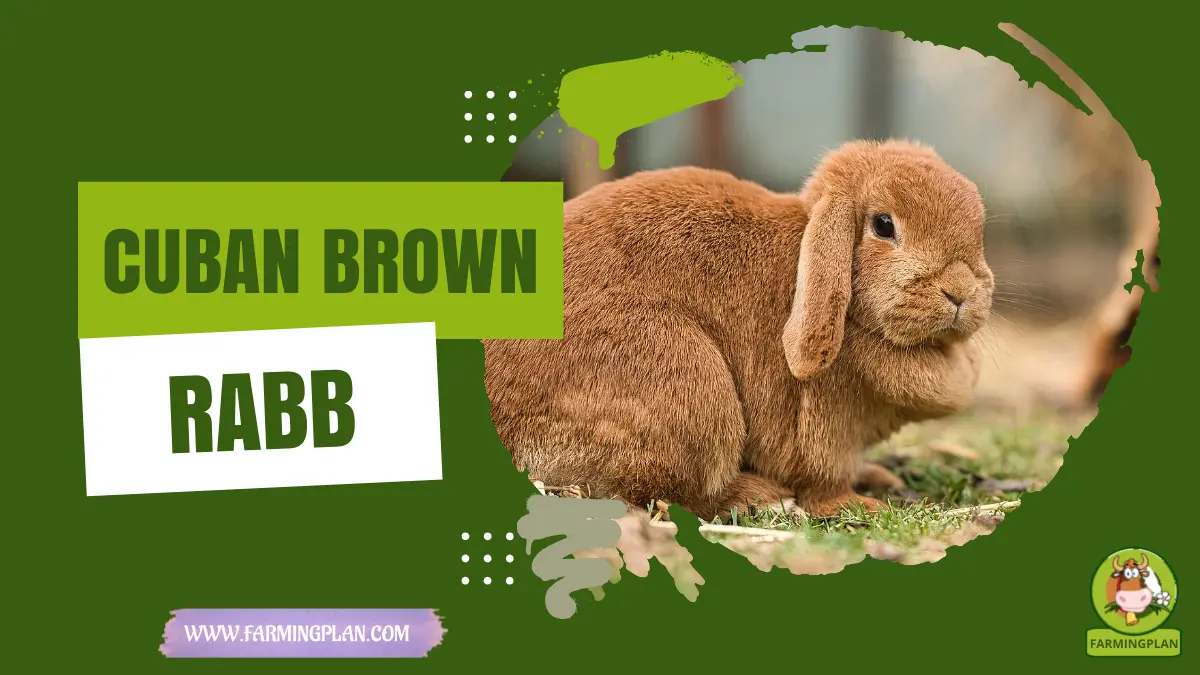
The Cuban Brown Rabbit is a fascinating rabbit breed from Cuba, also known as Conejo pardo cubano. When I first studied this rabbit, I found that it stood out less because of flashy show traits and more because of its practical value as a locally adapted genetic resource. The breed developed in Cuba and has connections with traditional rabbit production, where farmers valued animals that could cope with local environmental conditions.
Today, people may search for it alongside terms such as Havana rabbit brown, Havana rabbit lifespan, most common rabbit breeds, rabbits types with pictures, Lilac Havana Rabbit, and Blue Havana rabbit, but those names don’t necessarily describe the same breed. The Cuban Brown deserves its own identity. Research from western Cuba has examined thousands of matings and found that reproductive performance changes with season and year, showing just how important management and environmental factors can be.
History & Origin of Cuban Brown Rabbit
The history of this unique breed dates back to the mid-20th century in Cuba. Before European settlers arrived, local wildlife mainly consisted of birds and small reptiles. Domesticated livestock entered the island after the Spanish conquest. For decades, Cuban farmers relied heavily on imported livestock, such as the Spanish giant brown rabbit (Gigante Pardo Español). However, when international trade shifted and imports ceased, local breeders had to adapt quickly.
To preserve a strong, productive brown rabbit line, local agriculturalists crossed the remaining Spanish stock with other resilient animals. They introduced genetics from the Red rabbit from New Zealand and the Caoba breed to lock in desirable traits. This careful local selection created a distinct strain built specifically to survive hot tropical climates and rough conditions. Today, institutions like the Slow Food Ark of Taste recognize the Cuban Brown rabbit breed for its immense contribution to regional biodiversity and food security.
Characteristics of Cuban Brown Rabbit
When you look at a healthy adult Cuban Brown, you immediately notice its rustic, athletic build. It is a medium-to-large animal, with mature bucks and does weighing between 4.5 and 5 kilograms (about 10 to 11 pounds). Their glossy coat features rich shades of mahogany brown, chestnut, and dark cocoa, fading into a lighter agouti cream along the stomach area. Their ears stand tall, often exceeding 15 centimeters in length, with distinctive spoon-like tips that help radiate body heat in hot weather.
Unlike standard pet rabbits like the Lilac Havana Rabbit or Blue Havana rabbit, this breed exhibits incredible climate adaptation. While albino or chinchilla rabbit strains might struggle with direct environmental stressors, the dark pigmentation of the Cuban Brown provides natural durability. Their dense fur resists dampness, and their strong, fine-boned legs allow them to move with impressive agility.
Read More: Argentine Criollo Cattle: Amazing Hardy Breed
Nature/Temperament of Cuban Brown Rabbit
I always tell new breeders that working with this breed is a absolute joy because of their calm disposition. These animals are naturally docile, curious, and remarkably sturdy when handled correctly. They show far less nervousness than smaller hobby breeds like Mini Plush Lops or the Velveteen Lop. Does exhibit strong motherly instincts, making them exceptionally reliable when nursing large litters.
Because they evolved in busy homestead settings, they adapt well to human presence. If you spend time socialising young kits, they become wonderfully affectionate pets that gladly accept chin rubs and treats. Their steady temperament makes them a great choice for beginner farmers, families, and seasoned homesteaders alike. Some rabbits remain relaxed when people approach. Others stay cautious and prefer quiet handling. A calm environment helps both types.
Food & Diet of Cuban Brown Rabbit
Feeding these rabbits successfully requires a balance of high-fiber roughage and clean nutrients. In their native environment, they thrive on local forage resources like Tithonia diversifolia (tree marigold) alongside king grass and jackfruit leaves. Their digestive systems are famously tough, allowing them to extract nutrients from fibrous greenery that would upset other domestic strains.
To keep your herd in peak condition, build their daily menu around these core dietary items:
- Fresh Grass & Hay: Provide unlimited pangola grass, Bermuda grass, or Timothy hay to maintain proper gut motility.
- Nutritional Shrubs: Supplement daily feeding with high-protein fodder plants like Mulberry or Tithonia diversifolia.
- Commercial Pellets: Offer a balanced pellet feed (17-18% crude protein) during lactation and growth phases.
- Fresh Clean Water: Ensure continuous access to cool, fresh water using heavy terracotta pots or automated nipples.
Never give your rabbits stale, moldy lawn clippings or sugary human snacks. Keep high-starch foods like corn to a minimum, as excess carbohydrates trigger gut stasis.
Usage/Purpose of Cuban Brown Rabbit
This breed serves a true multi-purpose role on the farm. First and foremost, breeders keep them for efficient meat production. Their fast growth rates and high dressing percentage make them ideal for sustainable backyard livestock setups. Rural families frequently prepare delicious meals featuring marinated rabbit meat, traditional black beans, and mojo seasoning.
Beyond meat production, their rich brown fur provides durable pelts for local textile crafting. Researchers also maintain specific lines to study tropical genetic resources, heat tolerance, and disease resistance. Furthermore, their calm behavior makes them fantastic teaching animals for youth agricultural programs and educational homesteads.
Special Features of Cuban Brown Rabbit
What sets this strain apart from standard show breeds like the Stor Havana, Himalayan rabbit, or Czech Spot is its pure environmental resilience. These animals possess an extraordinary tolerance to ectoparasites like ear mites and fur lice. Their large, spoon-shaped ears act as efficient cooling radiators, allowing them to handle humid summers that would distress cool-climate breeds.
Another outstanding feature is their semi-intensive reproductive performance. Does consistently produce healthy, viable litters even when living on humble, forage-based diets. Their ability to convert varied plant material into high-quality protein makes them one of the most sustainable heritage strains available to modern farmers.
Health Issues & Prevention of Cuban Brown Rabbit
While remarkably hardy, these animals are not invincible. You must stay proactive with farm sanitation and preventative care to protect your herd from common ailments. Proper airflow and dry bedding are your absolute best defenses against respiratory issues and parasites.
Watch for these common issues and implement preventive measures immediately:
- Ear Mites: Look for crusty buildup inside the ear canal. Treat immediately with mineral oil drops or vet-approved topical treatments.
- GI Stasis: Identified by lethargy and small, hard droppings. Prevent this by providing unlimited long-stem forage and constant fresh water.
- Sore Hocks: Occurs when heavy rabbits sit on bare wire floors. Prevent foot injuries by providing solid resting boards inside cages.
- Heat Stress: Watch for rapid panting and wet nostrils. Ensure good shed ventilation, shade, and cool drinking water during hot weather.
“A Strong Herd Starts With Great Care And Respect For The Land.”
Step-by-Step Farming Guide/Pet Owner Care Guide
Managing this breed successfully requires a structured, practical approach. Whether you are setting up a small home hutch or managing a full farm herd, establishing daily routines ensures high animal welfare and steady growth. Follow these detailed, step-by-step instructions to set up your operation correctly from day one. Place heavy ceramic or terracotta feed pots and waterers that animals cannot easily tip over.
Step 1: Housing & Enclosure Setup
Building a clean, well-ventilated housing system is your first priority. Design your hutches to protect animals from direct rain, hot sun, and strong winds while maintaining strong cross-ventilation. Each adult rabbit needs at least 4 to 5 square feet of floor space to stretch out comfortably. Mount cages elevated off the ground to allow manure to drop through easily, which keeps the living area dry and sanitary. Equip every enclosure with sturdy resting boards to prevent foot irritation. Place heavy ceramic or terracotta feed pots and waterers that animals cannot easily tip over.
Step 2: Reproductive Management & Breeding
To maintain high reproductive performance, implement a structured rotational mating schedule. Always check the doe’s health, body condition, and vulva color before breeding. Always bring the doe to the buck’s cage for mating, never the reverse, to prevent territorial fights. Record every mating date in your barn log to track pregnancy precisely.
Confirm pregnancy around day 14 using gentle abdominal palpation. At day 28 of gestation, place a clean wooden nest box filled with fresh wood shavings or dry grass inside the doe’s cage. The doe will pull fur from her chest to build a warm nest before kindling. Leave her in peace during birth, and check the new kit count quietly the following morning.
Step 3: Daily Feeding & Hygiene Routine
Consistency keeps your animals healthy and growing rapidly. Clean out water dishes every morning and fill them with cool, fresh water. Offer your primary feed mixture early in the day when ambient temperatures are cooler, as rabbits eat more eagerly during morning hours. Remove any wilted, uneaten green forage daily to prevent mold buildup and fly problems. Sweep droppings from under the hutches twice a week, and apply dry lime to control ammonia fumes. Inspect your animals during feeding to catch early signs of illness or injury instantly.
Read More: Chengde Polled Goat Breeding Guide: Discover Amazing Profits!
Expert Tips & Best Practices for Cuban Brown Rabbit
- Provide Deep Shade: Position outdoor hutches under dense tree canopies or insulated roofs to block harsh afternoon sun.
- Keep Barn Records: Track litter sizes, weaning weights, and breeding dates in a dedicated ledger to select your top replacement stock.
- Offer Free-Choice Roughage: Keep grass racks filled constantly to prevent boredom and maintain healthy tooth wear.
- Quarantine New Animals: Isolate any incoming rabbits for 30 days before introducing them to your main farm herd.
- Utilize Natural Forage: Cut down feed costs by harvesting nutritious local plants like Mulberry, Hibiscus leaves, and tree marigold.
FAQs
How big do Cuban Brown Rabbits get?
Adult Cuban Browns typically weigh between 4.5 and 5 kilograms (10 to 11 pounds). They are medium-to-large rabbits with strong, muscular bodies built for rustic farm conditions.
What is the average lifespan of a Cuban Brown Rabbit?
With proper care, diet, and shelter, these rabbits live between 5 and 8 years. Well-maintained animals in low-stress environments can sometimes live even longer.
Are Cuban Brown Rabbits good for beginner farmers?
Yes, their hardy nature, calm temperament, and strong parasite resistance make them ideal for beginners. They adapt easily to varied forage diets and handle warm weather well.
How do Cuban Browns handle hot summer weather?
They feature long, spoon-shaped ears that dissipate body heat effectively in tropical conditions. However, you must still provide continuous shade, good air circulation, and cool water.
What makes the Cuban Brown coat color unique?
Their coat showcases a glossy mahogany-brown or cocoa color that lightens to an agouti tone on the belly. This dark pigmentation offers excellent sun protection and durability.
Conclusion
Raising the Cuban Brown Rabbit brings fantastic rewards for homesteaders, breeders, and heritage livestock supporters. This exceptional breed combines unmatched climate resilience, easygoing behavior, and outstanding mothering ability into a complete farm package. By giving them clean housing, high-fiber forage, and proper daily care, you can build a thriving, productive herd that honors sustainable agriculture. Are you ready to add these remarkable brown bunnies to your farm? Start planning your enclosure today, leave a comment below with your questions, and share this guide with your fellow rabbit enthusiasts!


