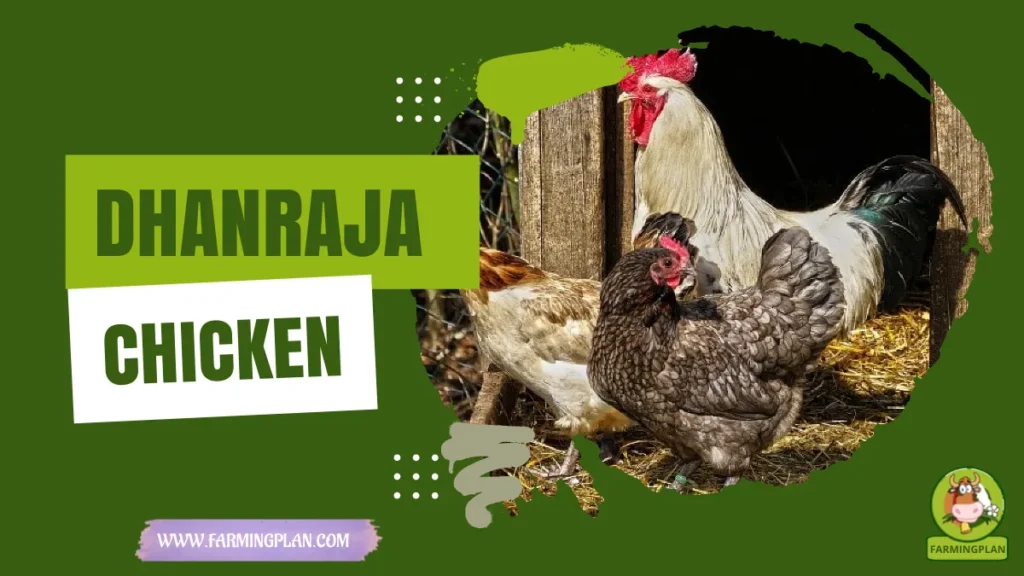
I have raised many poultry breeds during my farming career, but the Indian Game Chicken always stands out because of its muscular build, excellent meat qualities, and unique appearance. Although many people confuse this breed with fighting chickens, the breed actually became famous as one of the most important meat-producing chickens in the world. Today, breeders value it for exhibition, breeding programs, and table chicken production.
The Indian Game, also known as the Cornish or Cornish Game, originated in England and later helped create modern broiler chickens such as the Cornish Rock and Cornish Cross. Many poultry enthusiasts admire their hard feather, pearl eyes, broad breast, and strong body. Farmers also appreciate their calm nature and outstanding meat quality. In this guide, I will share my practical experience with Indian Games, including their history, breeding, feeding, egg production, housing, and daily care.

History & Origin
I always tell new breeders that understanding a breed’s history helps them raise it properly. The Indian Game originated in Cornwall, England, during the nineteenth century. Breeders wanted a powerful meat bird with excellent body structure. They crossed several game breeds, including the Aseel, Old English Game chickens, English Game, and other imported fighting birds.
Sir Walter Gilbert played an important role in promoting the breed. Early breeders called these birds “Indian Game” because people believed some of the bloodlines came from eastern fighting chickens. Despite the name, the breed did not originate in India. Instead, it developed in Cornwall.
Development Into The Cornish Breed
The breed later became known as the Cornish in many countries. The American Poultry Association accepted it into the Standard of Perfection, and breeders started developing several varieties. Dark Cornish became especially popular. As commercial poultry farming expanded, breeders crossed Cornish birds with other breeds to create modern broilers. The Cornish Cross and Cornish Rock became the foundation of the modern meat industry. Today, almost every broiler chicken carries Cornish genetics.
Recognition Around The World
Organizations such as the Poultry Club of Great Britain, British Poultry Standards, Entente Européenne, Australian Poultry Standards, and the Rare Breeds Survival Trust recognize the breed. The Global Databank for Animal Genetic Resources also lists it among valuable poultry breeds. Many Indian Game clubs and poultry enthusiasts continue preserving the original bloodlines because they represent an important piece of poultry history.
Characteristics
Whenever I show Indian Games to new chicken keepers, they immediately notice the broad chest and heavy body. These birds have one of the most muscular builds among domestic chickens.
Adult cockerels often reach 8–10 pounds, while hens usually weigh 6–8 pounds. Their short legs, wide stance, and compact body give them a powerful appearance. The back feathers lie close to the body because the breed has hard feather qualities. Their pearl eyes, strong beak, thick neck, and pronounced shoulders make them easy to recognize.
Indian Game Chicken Weight
- Cockerels: 8–10 pounds
- Hens: 6–8 pounds
- Bantams: Much smaller exhibition versions
Feathering And Plumage Colors
The breed carries several beautiful colour variants. Popular varieties include:
- Dark Indian
- Jubilee Indian
- White Indian Game
- Blue Laced Indian Game
- Double Laced Blue Indian
- Dark Cornish
- Jubilee Indian Game
The plumage often appears tight against the body. Unlike fluffy breeds such as Orpingtons, Indian Games display firm feather quality. White Indian Game chickens remain popular among exhibition breeders, while Dark Cornish varieties dominate commercial breeding programs.
Eggs And Egg Production
Indian Game hens lay brown eggs. Their egg productivity remains moderate compared to specialized layers.
Typical production:
- 100–160 brown eggs yearly
- Medium-sized egg yolk
- Cream to light brown shell
They do not appear high on most egg layer charts, but they perform adequately for backyard producers.
Bantams And Exhibition Birds
Many poultry enthusiasts keep Indian Game bantams for shows. Bantams display the same muscular appearance in smaller bodies. Exhibition breeders focus heavily on feather quality, plumage, body shape, and standard traits. The American Poultry Association standards help judges evaluate these birds at poultry exhibitions.
Nature & Temperament
One thing I appreciate most about Indian Games is their personality. Although they descend from game-cock ancestors, they usually behave calmly around people. Hens often become friendly and tolerate regular handling. Cockerels may show dominance toward other males, especially during breeding season. I always keep enough space between males to reduce conflict. They enjoy scratching, foraging, and exploring pasture areas.
Broodiness And Mothering Ability
Many Indian Game hens become broody. A broody hen may sit on eggs and raise chicks successfully. Their protective instincts help them guard young chicks from predators.
The hens often display excellent maternal behavior:
- Protect chicks carefully.
- Teach feeding habits.
- Keep chicks warm.
- Alert chicks about danger.
This quality makes them useful for small farms.
Suitability For Different Owners
I recommend Indian Games for:
- Backyard producers
- Poultry enthusiasts
- Homesteading families
- Exhibition breeders
- Meat producers
- Heritage breed keepers
The breed requires slightly larger housing because of its broad body. Mobile coops and poultry on pasture systems work very well.
Predator Awareness And Behavior
Indian Games stay alert around predators such as owls, foxes, and dogs. Their muscular body gives them confidence, but they still need secure housing and strong fences. I always install sturdy coops because predators can cause serious losses. Good housing, regular egg collection, and daily health checks help maintain a healthy flock.
Tip From My Farm
“Strong birds still need strong shelters. Good fences and secure coops protect your investment better than any medicine.”
Food & Diet
During my years of raising Indian Game Chickens, I learned that nutrition plays the biggest role in their growth, muscle development, feather quality, and egg productivity. These birds develop heavy muscles and broad bodies, so they need a balanced diet from chick stage to adulthood.
Young chicks need starter feed that contains 20–22% protein. High protein supports feathering, bone development, and healthy growth. As the birds mature, I gradually move them to grower and breeder rations.
A proper diet includes:
- Commercial poultry feed
- Corn and grains
- Wheat
- Cracked maize
- Fresh greens
- Vegetable scraps
- Calcium supplements
- Clean water
Because Indian Games grow muscular bodies, they often require slightly higher protein than many laying breeds.
Feeding Chicks For Healthy Development
Indian Game chicks grow steadily. I provide chick starter feed during the first six weeks. Protein supports muscle growth and improves feather quality.
Good chick feeding practices include:
- Fresh water daily.
- Clean feeders.
- Small frequent meals.
- Dry bedding.
- Protected brooder housing.
Young birds also benefit from small amounts of boiled eggs and finely chopped greens. Healthy chicks develop stronger immune systems and better adult performance.
Feeding Adult Hens And Cockerels
Adult hens require balanced nutrition for egg production and breeding. Brown eggs require adequate calcium and minerals.
I normally provide:
- 16–18% protein layer feed.
- Oyster shell for calcium.
- Fresh vegetables.
- Grains in moderation.
- Fresh grass from pasture.
Breeding cockerels need strong muscles but should not become overweight. Excess weight reduces fertility.
Foods To Avoid
Certain foods may harm chickens:
- Moldy feed
- Excess salt
- Chocolate
- Raw potato peels
- Spoiled leftovers
- Excess sugary foods
Clean water remains essential. Dirty water quickly spreads disease and parasites.
Usage And Purpose
The Indian Game changed poultry farming around the world. When I discuss meat production with new farmers, I always explain the importance of this breed. The broad breast, muscular build, and excellent meat qualities made Indian Game chickens the foundation of modern broiler production. The breed contributed heavily to:
- Cornish Cross
- Cornish Rock
- Commercial broilers
Their meat remains tender and flavorful. Many breeders still raise pure Indian Games for specialty meat markets.
Contribution To The Table Chicken Industry
The table chicken industry owes much of its success to Cornish bloodlines. Crossbreeding programs improved growth rates, feed efficiency, and meat yield.
Modern broilers inherited several traits:
- Large breast muscles.
- Fast growth.
- Excellent carcass quality.
- Efficient feed conversion.
Although pure Indian Games grow slower than commercial broilers, they produce high-quality meat with excellent texture.
Exhibition And Poultry Shows
Many poultry enthusiasts raise Indian Games for exhibitions. Their broad body, pearl eyes, feather quality, and unique stance attract judges.
Organizations such as:
- American Poultry Association
- Poultry Club of Great Britain
- British Poultry Standards
maintain official breed standards.
Exhibition breeders focus on:
- Plumage.
- Body shape.
- Feathering.
- Leg placement.
- Overall condition.
Backyard And Homestead Uses
Indian Games fit well into homesteading operations. They provide:
- Meat production.
- Moderate egg production.
- Breeding stock.
- Exhibition opportunities.
- Heritage breed preservation.
Backyard producers often appreciate their calm personality and manageable flock behavior.
Special Features
Few chicken breeds match the muscular body of Indian Games. Their wide chest, broad shoulders, and compact body create a distinctive appearance. When visitors see my flock, they often compare them to small bodybuilders because of their heavy muscles and thick frame. Their hard feather quality allows the muscles to show clearly beneath the plumage.
Important Role In Modern Poultry
One of the most remarkable features of Indian Game chickens is their influence on modern agriculture.
Without the Cornish bloodline:
- Modern broilers would not exist.
- Cornish Rock production would differ.
- Commercial meat birds would look very different.
This contribution makes the breed historically important.
Beautiful Colour Variants
Several stunning colour varieties attract poultry enthusiasts:
- Dark Indian
- Jubilee Indian
- White Indian
- Blue Laced Indian Game
- Double Laced Blue Indian
Jubilee Indian birds display beautiful feather patterns that make them highly desirable among breeders.
Strong Breeding Traits
Indian Game breeding stock often passes desirable characteristics to offspring:
- Muscle development.
- Meat qualities.
- Strong legs.
- Broad breast.
- Good growth.
This ability explains why breeders continue using Cornish genetics.
Heritage Value And Conservation
Rare breed organizations continue protecting Indian Games because genetic diversity matters.
Groups such as:
- Rare Breeds Survival Trust.
- Poultry clubs.
- Indian Game Club.
encourage breeders to maintain healthy bloodlines.
Farm Tip
“Preserving old breeds protects the future of farming. Every heritage chicken carries valuable genetics.”
Health Issues And Prevention
Common Health Problems
Like all chickens, Indian Games can suffer from several health issues. Regular health checks help detect problems early.
Common diseases include:
- Respiratory infections
- Coccidiosis
- Marek’s disease
- Worm infestations
- External parasites
Because these birds have heavy bodies, excessive weight may also create leg problems.
Parasites And External Pests
Parasites remain one of the biggest concerns for poultry keepers.
Common parasites include:
- Mites
- Lice
- Internal worms
Symptoms include:
- Feather damage.
- Weight loss.
- Reduced egg production.
- Poor feathering.
- Weakness.
I routinely inspect feathers, skin, and droppings during health checks.
Housing And Sanitation
Clean housing prevents many diseases.
Important practices include:
- Dry bedding.
- Good ventilation.
- Clean feeders.
- Fresh water.
- Regular disinfection.
Mobile coops help reduce parasite buildup because birds regularly move to fresh ground.
Predator Protection
Predators create serious risks for Indian Games.
Common predators include:
- Owls.
- Dogs.
- Foxes.
- Snakes.
Strong fences and secure coops protect valuable birds.
Preventive Health Care
My prevention program includes:
- Vaccinations when necessary.
- Routine deworming.
- Regular health checks.
- Balanced nutrition.
- Clean water.
- Stress reduction.
Healthy birds display:
- Bright pearl eyes.
- Smooth plumage.
- Good appetite.
- Strong activity.
- Proper body weight.
Early treatment saves birds and reduces long-term problems.
Recognizing Warning Signs
Farmers should immediately investigate:
- Loss of appetite.
- Diarrhea.
- Labored breathing.
- Drooping wings.
- Sudden weight loss.
- Reduced egg production.
Quick action often prevents major outbreaks.
Proper diet, clean housing, regular observation, and good management remain the best medicine for Indian Game chickens.
Read More: Holland Chicken Amazing Heritage Breed Guide
Step-by-Step Indian Game Chicken Farming Guide
Complete Farming Guide From My Experience
Over many years of raising Indian Game Chickens, I have learned that success comes from good planning, proper housing, quality feed, and daily observation. These birds reward careful management with strong growth, healthy breeding stock, and excellent meat qualities. I always tell beginners that Indian Games are not difficult to raise, but they do need attention because of their heavy bodies and muscular build.
A successful flock begins long before the chicks arrive. You must prepare housing, choose healthy breeding stock, provide balanced nutrition, and maintain strict health checks. Good management reduces disease, improves feather quality, and increases egg productivity. Whether you are a backyard producer, poultry enthusiast, or small farmer, these step-by-step instructions can help you raise healthy Indian Game chickens successfully.
Step 1: Choose Healthy Birds And Good Bloodlines
I always begin with healthy chicks, fertile eggs, or quality breeding stock. Strong genetics influence growth, plumage, fertility, and body structure.
When selecting birds, I look for:
- Bright pearl eyes.
- Clean nostrils.
- Wide chest.
- Strong legs.
- Good feather quality.
- Active behavior.
If purchasing eggs, buy from trusted breeders who maintain proper Indian Game standards. Dark Cornish, Jubilee Indian, White Indian Game, and Blue Laced Indian Game lines all offer excellent options. Healthy breeding stock produces stronger chicks and reduces future problems.
Step 2: Prepare Safe Housing And Coops
Indian Games require more space than lighter breeds because of their muscular bodies.
My housing recommendations include:
- Four square feet per bird inside the coop.
- Ten square feet per bird outside.
- Dry bedding.
- Proper ventilation.
- Strong fences.
Predators such as owls, dogs, and foxes can cause serious losses. Secure doors and covered runs provide protection. Mobile coops work especially well for poultry on pasture systems. Fresh ground helps reduce parasites and keeps birds active.
Step 3: Raise Chicks Properly
Young chicks need warmth, clean water, and high-protein feed.
Brooder requirements:
- Temperature: 95°F during week one.
- Reduce heat gradually.
- Clean bedding.
- Fresh water daily.
- Good ventilation.
I closely watch chicks for signs of weakness, pasty vent, or slow growth. Early care greatly affects adult performance. Small amounts of chopped greens and occasional boiled eggs help support healthy development.
Step 4: Follow A Balanced Feeding Program
Indian Games develop heavy muscles, so nutrition remains extremely important.
My feeding schedule includes:
- Starter feed for chicks.
- Grower feed for juveniles.
- Layer feed for hens.
- Breeder ration during breeding season.
Fresh grass, grains, vegetables, and calcium supplements improve overall health. Avoid obesity because overweight birds often experience breeding problems and reduced fertility.
Step 5: Monitor Health Every Day
Daily observation helps prevent serious problems.
I check:
- Appetite.
- Feather condition.
- Eyes.
- Droppings.
- Breathing.
- Activity levels.
Regular health checks help identify parasites, respiratory infections, or digestive problems before they spread. Clean housing and dry bedding remain the best prevention methods.
Step 6: Manage Breeding And Egg Collection
Indian Game hens lay brown eggs and often become broody. I collect eggs twice daily to keep them clean and reduce breakage. Fertile eggs should be stored properly before incubation.
Breeding groups usually contain:
- One cockerel.
- Four to six hens.
This ratio helps maintain good fertility rates.
Step 7: Maintain Adult Birds
Adult Indian Games need routine care throughout the year.
Important tasks include:
- Regular deworming.
- Feather inspections.
- Nail and spur checks.
- Predator protection.
- Fresh water.
Healthy adult birds display smooth plumage, good muscle tone, and active behavior. Consistent management produces better breeding results and longer bird life.
Expert Tips And Best Practices
Professional Advice From My Farm
After many years with Indian Games, these practices have given me the best results:
- Choose quality breeding stock.
- Keep coops dry and well ventilated.
- Feed balanced diets.
- Avoid overcrowding.
- Perform weekly health checks.
- Separate aggressive cockerels.
- Protect birds from predators.
- Maintain clean water at all times.
- Rotate pasture areas regularly.
- Record breeding and egg production.
I also recommend joining poultry clubs and connecting with other breeders. Experienced poultry enthusiasts often provide valuable advice.
“The best poultry farmers watch their birds every day. The chickens will tell you what they need.”
FAQs
What is the Indian Game Chicken used for?
Indian Game chickens mainly serve meat production, breeding programs, and exhibition purposes. Their muscular bodies helped create modern broiler chickens.
How much does an Indian Game Chicken weigh?
Adult cockerels usually weigh 8–10 pounds, while hens weigh 6–8 pounds. Bantam varieties remain much smaller.
How many eggs do Indian Game hens lay?
Most hens produce between 100 and 160 brown eggs each year. They do not match specialized egg-laying breeds.
Are Indian Game Chickens aggressive?
Hens usually behave calmly and become friendly with people. Cockerels may show aggression toward other males during breeding season.
Are Indian Game Chickens good for beginners?
Yes. Beginners can successfully raise them if they provide proper housing, balanced nutrition, and regular health checks.
Conclusion
Indian Game Chicken remains one of the most important poultry breeds in history. Its strong muscular build, excellent meat qualities, unique appearance, and contribution to the modern broiler industry make it highly valuable. Throughout my years as a poultry specialist, I have found these birds rewarding to raise because they combine beauty, strength, and practical usefulness. Whether you keep them for breeding, meat production, exhibitions, or homesteading, proper housing, nutrition, and health care will help them thrive. If you are interested in heritage poultry breeds, Indian Games deserve a place on your farm. Share your experience, ask questions, and leave a comment to help other poultry enthusiasts learn more about this remarkable breed.