As a long-time farming specialist, I love working with the Champagne d’Argent rabbit because this heritage breed offers an amazing balance of utility and beauty. When you first bring home these unique animals, you step into a rich tradition of French livestock breeding that spans centuries. I have raised many meat rabbits and show stock over the years, yet this breed always holds a special place in my barn due to its fast growth rate and calm temperament.
Whether you want to produce high-quality meat for self-sufficient living, produce lush fur pelts, or enter the show table, this versatile rabbit delivers fantastic results. In this guide, I will share my hands-on practical knowledge to help you raise healthy, thriving kits and adult breeding stock on your own farm or backyard homestead.
History & Origin of Champagne d’Argent Rabbit
The history of the Champagne d’Argent rabbit begins in the Champagne region of France during the mid-1600s. Local breeders selectively bred native silver rabbits, then known as Argenté de Champagne or Silver of Champagne, to produce dense, luxurious pelts and prime meat. Historical records, such as the Live Stock Journal and early agricultural texts by writers like Gervase Markham, document the long-standing appreciation for these silver-furred animals. By the late 1800s, breeders presented them at major French agricultural shows and at the famous Jardin d’Acclimatation near Paris. Farmers prized them as one of the oldest known French heritage breeds.
Arrival in America and ARBA Recognition
Importers brought these striking animals to North America in the early 20th century. American breeders refined the line to enhance its meat-producing qualities and commercial frame while preserving its iconic coat. The American Rabbit Breeders Association (ARBA) recognized the breed, solidifying its place among top show and livestock animals across the United States. Over the decades, devoted homesteaders conserved this genetic lineage, ensuring that modern livestock operations still benefit from their robust health and productive heritage traits.
Read More: Canadian Plush Lop Rabbit Care Secrets Unlocked
Characteristics of Champagne d’Argent Rabbit
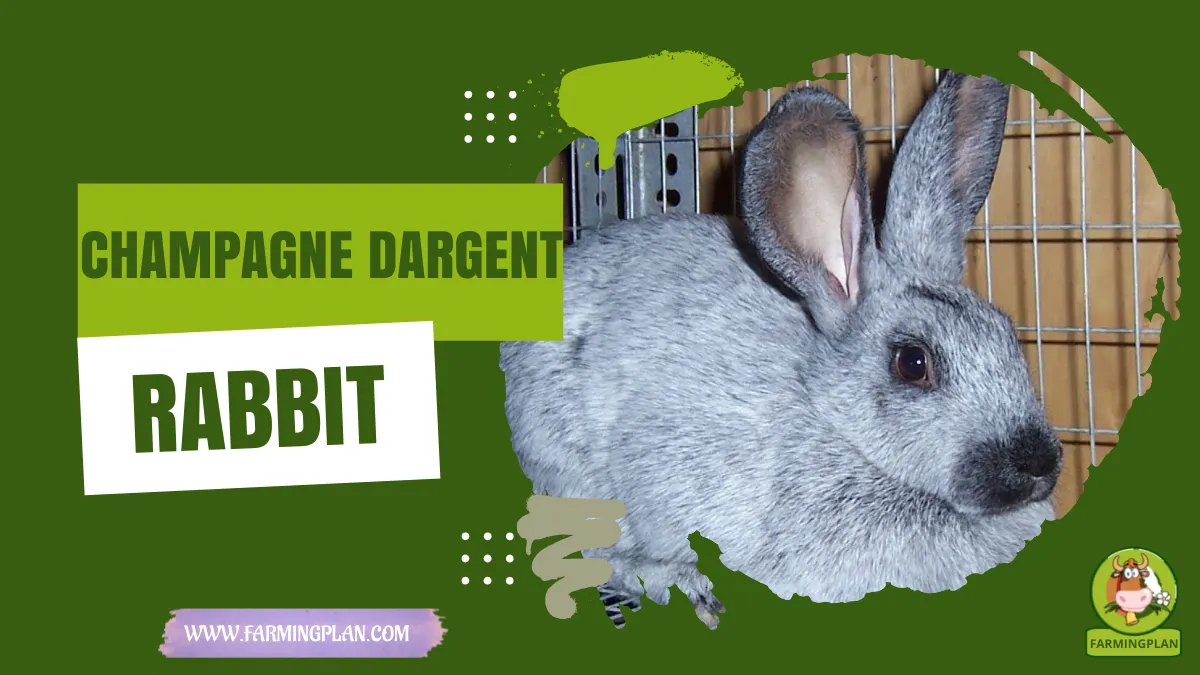
One of the most fascinating aspects of this breed is its coat development. Kits are born completely black, resembling a little star baby or wearing a tiny black top hat. As they grow, dark guard hairs mix with white-tipped fur, creating a dramatic color transformation. By full maturity, the coat turns a striking shade of old silver with dark slate blue underfur. Breeders often describe their unique facial markings as looking like clown cheeks, polka dots, or subtle batman masks before the silvering gene spreads completely across the muzzle, body, and ears.
Body Structure, Weight, and Build
This breed displays a well-rounded, commercial body type built for solid meat production. A mature buck or doe features a deep body, broad shoulders, and full hindquarters that yield meat-type quality. According to show standards, the maximum weight reaches around 12 lbs, though adult weight typically sits comfortably between 9 and 11 pounds. Their dense fur pelts feel soft yet resilient, making them popular for custom fur trimmings, winter crafts, and historical pelt preservation.
Nature/Temperament of Champagne d’Argent Rabbit
In my years managing a busy barn, I have found that the Champagne d’Argent rabbit possesses one of the most docile temperaments in the livestock world. They display a remarkably calm attitude during daily chores, standing quietly while you inspect their health or clean their living areas. These rabbits enjoy gentle human interaction, making them a pleasure for beginners, young homesteaders, and seasoned rabbitry owners alike. Their patient behavior reduces stress in the barn, which keeps production levels steady and smooth.
Suitability for Families and Show Handlers
Their relaxed nature extends to handling on the show table or during routine health checks. Junior does and young bucks adapt quickly to friendly daily contact, forming steady bonds with their keepers. Unlike skittish breeds that bolt at sudden noises, these animals remain grounded and confident. They perform exceptionally well in family homestead settings, interactive farm setups, and busy youth exhibition circles where calm animals are an absolute necessity.
Food & Diet of Champagne d’Argent Rabbit
Proper feeding guarantees strong bone development, high growth rate, and a rich, shiny coat. The backbone of their diet must always consist of unlimited, high-quality grass hay, such as Timothy or orchard grass. Fresh hay keeps their digestive system moving smoothly and wears down their constantly growing teeth. Alongside hay, feed a balanced commercial feed pellet containing 16% to 18% crude protein to support fast development in growing meat stock and lactating does.
Fresh Greens, Water, and Feeding Rules
Fresh, clean water must remain available at all times, especially during hot summer months or heavy lactation periods. You can supplement their daily dry feed with dark leafy greens, dandelion leaves, and small pine-cone treats for enrichment. Avoid feeding sugary fruits, iceberg lettuce, or sudden diet changes that disrupt gut flora. When bringing home new breeding stock, always request a small bag of transfer feed from the previous owner to transition the rabbit’s digestive system without causing stress or bloat.
Usage/Purpose of Champagne d’Argent Rabbit
homesteaders rely on this breed as an ideal meat rabbit operation choice. They offer an impressive feed conversion ratio, converting basic pellets and forage into lean, fine-grained flesh with minimal internal body fat. A well-managed litter grows rapidly, reaching market weight in a short time frame. Crossing them with other commercial heritage breeds, such as the Silver Fox, creates robust hybrid litters that thrive in diverse rural living environments.
Fur Crafting and Show Exhibition
Beyond meat production, their silvery pelt provides substantial value for traditional leathercraft and pelt trade applications. The thick fur pelts make beautiful clothing liners, gloves, and cozy winter accessories. Furthermore, these animals excel in formal rabbit show circles. Judges consistently praise well-bred specimens for their conformational quality, rich slate blue underfur, and uniform guard hair silvering, making them a standout entry on any show table.
Special Features of Champagne d’Argent Rabbit
The defining feature of this animal is the silvering gene, which converts a pitch-black kit into an elegant, silver-coated adult over a few short months. This striking visual change makes raising litters an exciting process for homesteaders. Structurally, their deep bone frame yields a high dressing percentage, providing ample meat for family food-preservation techniques like pressure canning, curing, or freezing.
Hardiness and Adaptability
These animals possess exceptional resilience against varying weather conditions. Their dense coat protects them from chilly winter draughts, while their calm nervous system keeps heat stress lower than more excitable breeds. Their proven genetic lineage spans hundreds of years, proving that their health, mothering ability, and high kit survival rates remain unexcelled across generations.
Health Issues & Prevention of Champagne d’Argent Rabbit
Maintaining a healthy rabbitry requires active monitoring of common ailments. GI stasis remains a top threat to any lagomorph; it occurs when the gut stops moving due to low fiber or high stress. Respiratory issues, often marked by sneezing or nasal discharge, can spread quickly in poorly ventilated spaces. Sore hocks can also develop if heavy adults rest on rough wire floors without resting pads.
Proactive Care and Hygiene Routine
Preventative care is always easier than treating an active disease. Provide constant access to long-strand fiber hay to keep digestion moving. Keep your barn well-ventilated, clean manure trays regularly, and supply clean wooden resting boards to protect foot pads. Quarantine any new breeding stock for 30 days before introducing them to your main herd, and perform bi-weekly physical exams checking eyes, ears, teeth, and nails.
“Raising Silver Rabbits Brings Timeless Homestead Success and Pure Joy.”
Step-by-Step Farming Guide of Champagne d’Argent Rabbit
Setting up a successful rabbitry requires proper planning, solid equipment, and consistent care routines. Over my years managing livestock, I have streamlined the process into clear, manageable steps that ensure your animals thrive from day one. A Good Rabbit Breeder Knows That Patience, Proper Nutrition, And Daily Care Turn Every Young Kit Into Pure Homestead Gold.
Step 1: Housing and Infrastructure Setup
Build or purchase sturdy cages or hutches that offer plenty of space for full-grown animals. Each adult requires a footprint of at least 30 by 36 inches with sufficient ceiling height so they can stretch out fully. Secure all housing against predators like raccoons, dogs, and rats. Place resting pads over wire flooring to protect their feet, and position cages in a well-ventilated barn protected from harsh winds and direct afternoon sunlight.
Step 2: Feeding and Daily Watering Systems
Install heavy ceramic crock bowls or reliable siphon water bottles to supply clean water continuously. Mount J-feeders on the outside of cages to keep dry pellets clean and dry from waste. Supply a generous handful of clean Timothy hay every morning in a metal wire rack to keep it off the floor. Establish a strict daily feeding schedule, as predictable feeding times reduce stress and promote steady digestion across your whole herd.
Step 3: Breeding Management and Nest Box Care
Introduce the doe to the buck’s cage for breeding, never the other way around, to prevent territorial fights. Mark your calendar for a 31-day gestation period. On day 28, sanitize a wooden or metal nest box, pack it with clean wood shavings and soft straw, and place it inside the doe’s cage. The doe will pull fur from her chest to line the nest, creating a warm, protected environment for the incoming star baby litter.
Step 4: Kit Care, Weaning, and Herd Selection
Inspect newborn kits immediately after birth to remove any stillborns and ensure the mother feeds every baby successfully. Look for full, round bellies each morning. Leave the kits with the doe for six to eight weeks while introducing them to small amounts of hay and mother’s feed pellets. At eight weeks, wean the young stock into separate grow-out pens. Select the best offspring based on growth rates, coat silvering, and calm temperaments for future breeding stock.
Read More: Ukrainian Honey Bee: With Best Farming
Expert Tips & Best Practices
- Keep detailed lineage records and pedigrees to track performance, growth rate, and genetic silvering quality.
- Place woodstove ash or food-grade diatomaceous earth under manure cages to control odors and deter flies in summer.
- Add apple cider vinegar to drinking water once a week to boost digestive health and coat luster.
- Freeze water bottles during heatwaves and place them in cages so animals can lean against them to cool off.
- Handle young kits daily for short periods to cultivate exceptionally friendly and calm adult temperaments.
FAQs
What is the average lifespan of a Champagne d’Argent rabbit?
With proper diet and care, these hardy animals live between 7 to 10 years as pets or breeding stock.
How big do adult Champagne d’Argent rabbits get?
Mature bucks usually weigh between 9 and 11 pounds, with standard show weight capping around 12 pounds.
Are Champagne d’Argent rabbits good for meat production?
Yes, they make fantastic meat rabbits because they feature a fast growth rate, deep meat shoulders, and excellent feed conversion.
Why are Champagne d’Argent kits born pure black?
They carry a unique silvering gene that changes their coat color over time, starting with black fur at birth that gradually turns silver.
How often does Champagne d’Argent give birth?
Dogs can safely raise 3 to 4 litters per year, with average litter sizes ranging between 6 to 8 healthy kits.
Conclusion
The Champagne d’Argent rabbit stands out as a top-tier heritage choice that offers outstanding versatility, beauty, and practical utility for any homestead or animal lover. From their fascinating coat transformation to their deep body build and sweet disposition, these animals bring genuine value whether you raise them for meat production, show awards, or peaceful companionship. By providing proper fiber-rich nutrition, clean housing, and attentive care, you can build a thriving herd that yields top-quality stock for years to come. Start your journey with this incredible French heritage breed today, connect with local heritage breeders, and share your experiences with our growing farming community! Learn essential care, diet, history, and breeding advice from a livestock specialist.