The Australian Shepherd Dog holds a very special place in my heart as a lifelong working dog specialist. I remember the exact day I brought my first Aussie pup home to my farm. That fluffy bundle of energy instantly stole my heart and kept me on my toes! This active breed brings endless joy, high intelligence, and non-stop energy to any household or farm environment. Whether you want an Australian shepherd dog for sale, an energetic Australian shepherd dog puppy for sale, or a loyal partner for farm chores, this breed offers unmatched devotion.
I often tell people that living with these high-energy working dogs feels like sharing your home with a furry, fast genius! They crave active lifestyle habits, mental stimulation, and constant human companionship. If you are looking for a loyal companion that loves agility, obedience training, and outdoor adventures, you have picked the absolute best breed. Let us dive deep into the wonderful world of this bright and beautiful dog.
History & Origin of Australian Shepherd Dog
Many people assume the Australian Shepherd Dog originated in Australia because of its name. I always laugh when visitors on my farm get surprised by the true history of this incredible working dog! Basque shepherds actually brought these intelligent herding dogs from Europe to Australia, and then brought them to the western region of the United States during the nineteenth century. American farmers and ranchers instantly fell in love with their fierce work ethic, natural herding instinct, and ability to handle rugged terrain. Ranchers in California and across the West selectively bred them to work cattle and sheep in harsh, unpredictable weather conditions.
Their popularity skyrocketed after World War II through rodeos, horse shows, and popular television programs. Organizations like the Australian Shepherd Club of America, the United States Australian Shepherd Association, the United Kennel Club, and the American Kennel Club later recognized their incredible talents. While some folks compare them to the Australian Cattle dog or various collies, the Standard Aussie possesses a unique lineage all its own. Breeders also developed the Miniature American Shepherd, often called the Mini Australian Shepherd or Mini Aussie, to offer that same work ethic in a compact size. Today, the American Stock Dog Registry and Fédération Cynologique Internationale recognize their incredible versatility across the world.
Read More: Arad Tumbler Pigeon: Discover Incredible Flying Beauty
Characteristics of Australian Shepherd Dog
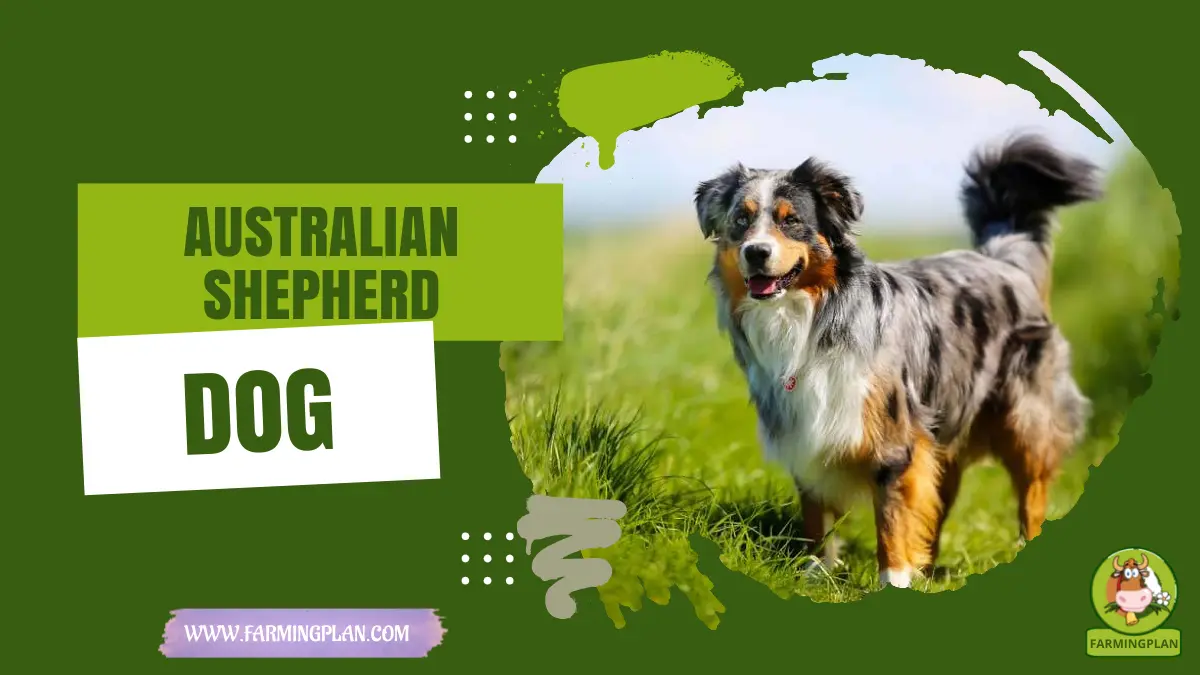
When you look at an Australian Shepherd, you immediately notice their striking appearance and intense, athletic eyes. They possess a weather-resistant double coat with medium length hair that protects them during long working hours. Their magnificent merle coat variations leave people breathless every single time! You will see a mesmerizing blue merle Australian Shepherd with silver-gray patches, or a stunning red merle Australian Shepherd with warm copper markings and white trim. Some dogs sport a solid black coat or a solid red Australian Shepherd pattern with beautiful tan points. Their almond-shaped eyes can be brown, blue, amber, or even two different colors on the same dog!
As a farming specialist, I always emphasize that their physical build reflects their true purpose. They are medium-sized dogs built for agility, quick turns, and endurance rather than heavy pulling. A healthy male stands about twenty to twenty-three inches tall, while females remain slightly smaller and lighter. Their ears fold forward nicely, protecting their inner ears from dirt while working in dusty livestock fields. They move with smooth, effortless strides that allow them to cover long distances without getting tired. These beautiful physical traits make them stand out instantly in any dog show ring, agility field, or busy livestock yard!
Nature & Temperament of Australian Shepherd Dog
Understanding Australian shepherd dog temperament is essential before bringing one into your active household or working farm. These dogs possess incredible intelligence, high energy, and an eager-to-please attitude that makes training a true joy. However, they are classic “velcro dogs” that follow their human family members from room to room! They form intense bonds with their owners and want to participate in every single daily activity. Without proper physical activity and mental exercise, that high energy can quickly turn into unwanted barking, counter-surfing, or severe separation anxiety.
Their strong prey drive and herding background mean they might try to herd running children, cats, or even your lawnmower! Early socialization helps them interact nicely with strangers, other pets, and busy neighborhood environments. They possess a natural protective nature, making them vigilant watchdogs that always alert you to unexpected visitors. If you are an active owner who loves hiking, running, or outdoor farm chores, this loyal pup will happily match your fast pace every single day. They thrive in homes where they receive clear leadership, loving boundaries, and plenty of daily tasks to keep their quick minds busy.
Food & Balanced Diet Guidelines of Australian Shepherd Dog
Feeding your high-energy Aussie properly ensures they stay healthy, vibrant, and strong throughout their active life. I recommend feeding high-quality dry kibble rich in clean animal protein, healthy fats, and vital vitamins. Active working dogs require more calories than couch potato breeds to sustain their high metabolic rate. Split their daily food allowance into two distinct meals, providing breakfast and dinner at consistent times each day. Puppies need three to four small meals of specialized puppy food daily to support their rapid bone and muscle growth.
Avoid free-feeding your dog because overeating leads to dangerous joint stress and unexpected weight gain. Use a slow feeding bowl if your pup gulps down their lunch in seconds! Make sure your dog always has access to clean, fresh water, especially after vigorous outdoor play or exercise sessions. Here is a simple daily feeding reference guide based on your dog’s activity level and weight:
| Dog Size / Status | Daily Food Amount (Cups) | Meals Per Day | Key Nutritional Focus |
| Puppy (3-6 months) | 1.5 – 2.5 cups | 3 meals | High Protein & DHA for Brain Growth |
| Adult Companion | 2.0 – 2.5 cups | 2 meals | Balanced Protein & Joint Supplements |
| Active Farm / Working | 3.0 – 4.0 cups | 2 meals | Extra Calories & Healthy Omega Fats |
| Senior Aussie | 1.5 – 2.0 cups | 2 meals | Low Fat & High Fiber with Glucosamine |
Purpose & Daily Work Uses of Australian Shepherd Dog
The Australian shepherd’s original purpose centers squarely on hard farm labor and livestock control. On my farm, these dogs excel at moving cattle, sheep, and ducks smoothly through tight gates and open pastures. Their intense “eye” and quick footwork allow them to guide stubborn animals without causing unnecessary stress or harm. Beyond traditional farm labor, these versatile working dogs excel in modern search and rescue missions, police work, and therapy roles. Their keen sense of smell and deep empathy make them wonderful service animals for people with special needs.
Many owners train their dogs for thrilling canine sports like flyball, agility competitions, and AKC herding events. They possess rapid acceleration and supreme body control, allowing them to soar over jump hurdles and weave through poles effortless. Organizations like aHOPE Animal Assisted Crisis Response rely on gentle Aussies to comfort victims during natural and man made disasters. They also serve as dedicated service animals and emotional support animals in hospital rehabilitation program facilities. Whether guarding a quiet family home or working a large cattle ranch, this breed executes every assigned job with absolute pride and enthusiasm!
Special Features of Australian Shepherd Dog
One of the most remarkable features of this breed is their incredible mental flexibility and desire to solve complex problems. I often watch my own Aussies analyze a difficult farm situation, like a loose calf, and solve the problem without waiting for a direct command! Another distinct feature is their natural bobtail, which occurs in some bloodlines at birth. Many puppies are born with naturally short tails, while others have full, beautiful feathered tails. Their expressive eyebrows and intense gaze give them a human-like facial expression that instantly communicates their thoughts.
Their unique coat genetics also produce eye-catching patterns that fascinate geneticists and pet lovers around the globe. However, dog owners must understand double merles genetics before breeding these dogs. Breeding two merle dogs together can produce double merle puppies with serious health complications like microphthalmia, vision loss, or microphthalmia defects. Reputable breeder practices prevent these genetic issues by testing parent bloodlines carefully. These dogs also showcase incredible speed and leaping ability, easily clearing high fences and catching flying discs in mid-air during games of fetch!
Health Issues & Essential Prevention Tips
Like all purebred dogs, Aussies are prone to specific genetic health conditions that every responsible owner should monitor. Joint problems like hip dysplasia and elbow dysplasia can affect their mobility as they age into their senior years. Cruciate ligament damage, such as an ACL tear, can happen during sudden sharp turns while chasing balls or livestock. Eye issues like cataracts, iris colobomas, retinal detachment, and progressive retinal atrophy also require regular veterinary eye exams. Some dogs carry the MDR1 gene mutation, making them sensitive to common veterinary medications and heartworm preventative drugs.
Neurological conditions like vestibular disease and sudden seizures can occasionally occur in aging dogs. Cancer that metastasized to major organs remains a primary concern for older working dogs as well. You can protect your dog by scheduling regular wellness exams, keeping accurate vaccination records, and maintaining a lean body weight. Providing joint support supplements containing glucosamine and chondroitin helps keep their working joints smooth and pain-free. Always consult licensed Physical Therapists or animal medical specialists if your active dog starts limping after exercise sessions.
“A Smart Australian Shepherd Dog Will Always Outsmart Your Best Plans With A Smile!”
Step-by-Step Farming Guide/Pet Owner Care Guide
Taking care of an active working dog requires dedicated planning, proper gear, daily exercise routines, and structured training. I have spent years refining my routine to keep my dogs healthy, happy, and well-behaved around my farm. You must establish yourself as a calm, confident leader from the very first day your dog steps into your home. This comprehensive step-by-step guide walks you through every single phase of raising a well-adjusted, confident dog from early puppyhood into adulthood. Follow these practical steps carefully to build a strong bond with your new furry family member.
Step 1: Setting Up The Ideal Living Environment
Before bringing your pup home, prepare your living space with sturdy safety equipment and comfortable resting areas. Secure your yard with a safe, fenced in play area at least five to six feet high to prevent escaping. Aussies love to jump, so low garden fences will not hold an excited pup! Set up a durable wire crate or heavy-duty travel crate like a Gunner Kennels G1™ Intermediate model in a quiet corner of your house. Place a soft Performance Pad inside the crate to give them a cozy, secure den for restful sleep.
Equip your home with interactive toys, lick mats, and dog puzzles to keep their quick mind engaged indoors. Remove toxic household items, dangerous electrical cords, and loose shoes from areas your puppy can reach easily. I always keep a well-stocked pet first aid kit in my mudroom, complete with bandages, antiseptic, and emergency numbers. If you plan pet travel in a Toyota Sienna or Honda Odyssey, secure your crate safely inside the cargo area. Preparing your home properly eliminates unnecessary stress and sets your new companion up for instant success!
Step 2: Mastering Early Socialization and Puppy Rules
Early socialization builds a confident, calm adult dog that reacts well to unexpected daily situations. Introduce your puppy to different surfaces, loud sounds, new people, and friendly dogs during their first four months of life. Enroll your young pup in Petco’s Puppy Socialization classes to build positive experiences around unfamiliar dogs in a safe environment. Expose them gently to busy street sounds, household vacuum cleaners, opening umbrellas, and sudden noises like a doorbell ring. Always pair new experiences with high-value dog treats to build happy, positive associations.
Teach your puppy polite household manners from day one so they learn what behavior brings positive rewards. Do not allow your puppy to nip your ankles, chase cats, or bite your hands during play sessions. Use positive reinforcement techniques like counterconditioning and clicker rewards whenever they choose quiet, calm behavior instead of barking. Invite friends like Osric, Kim Taylor, or Lori Coleman over to offer treats and speak softly to your growing pup.
Step 3: Daily Exercise and Mental Enrichment Routines
Your Aussie requires at least one to two hours of vigorous physical activity and mental stimulation every single day. Simple leash walking around the block will never tire out a healthy, energetic working dog! Plan dynamic activities like playing fetch with a flying disc, hiking hilly trails, or setting up a backyard agility course. If you live near safe water spots like Sunset Cliffs, Santa Cruz Cliffs, Point Loma, or Ocean Beach pier in California, bring your dog along for a fun swim session.
Mental exercise is just as critical as physical activity for keeping an Aussie calm indoors. Teach your dog advanced tricks, hide-and-seek games with their favorite toys, or complex scent tracking tasks daily. Use a slow feeding bowl or scatter kibble across the lawn to make breakfast an exciting foraging puzzle. Hire a professional dog walker if you work long hours away from home to break up their day.
Step 4: Consistent Grooming and Coat Maintenance
Maintaining that gorgeous double coat requires regular weekly grooming to prevent painful mats and reduce household shedding. Brush your dog two to three times a week using a sturdy slicker brush and an undercoat rake. Pay special attention to the soft fur behind their ears, under their armpits, and around their rear legs where mats form easily. Increase brushing to a daily routine during seasonal shedding periods when they drop their thick undercoat all over your furniture!
Bath your dog only when they get thoroughly muddy or smelly on farm trails to protect their natural coat oils. Trim their nails every three to four weeks using sharp dog nail clippers or a gentle rotating nail grinder. Clean their ears weekly with an approved veterinary ear cleaner to prevent moisture buildup and painful ear infections. Brush their teeth regularly with dog-safe toothpaste to maintain fresh breath and healthy gums throughout their adult life.
Read More: Banjara Hound Dog: Amazing Expert Guide
Expert Tips & Best Practices For Australian Shepherd Dog
- Use positive reinforcement dog training methods featuring high-value food rewards and cheerful verbal praise.
- Practice the recall command daily using a long leash until your dog returns to you instantly every single time.
- Never use harsh physical punishment, as sensitive Aussies shut down or develop defensive animal aggressive behaviors.
- Test your dog’s focus using a simple training/respect test before releasing them for exciting play or meal times.
- Work with a certified dog behaviorist if your pup shows stubborn counter-surfing, resource guarding, or persistent separation anxiety.
- Watch expert dog training videos online to learn new trick ideas, obedience steps, and fun agility handling techniques.
- Keep your dog safe during summer outdoor play by providing shady rest spots, cooling mats, and plenty of cold water.
- Join local breed clubs or community groups like the Clay County Humane Society to connect with experienced Aussie lovers.
FAQs
Are Australian Shepherd Dog good family dogs for households with young kids?
Yes, Australian Shepherds make wonderful family pets for active households that teach children how to treat dogs respectfully. However, their strong herding instinct may prompt them to nip at running heels or chase playing children. Early obedience training and supervision ensure your dog interacts calmly with all family members.
How much daily exercise does an Australian Shepherd Dog need?
An Australian Shepherd needs at least one to two hours of vigorous physical activity and mental exercise every single day. Activities like agility, fetch, running, and puzzle games help burn off their high working energy. Without enough physical activity, they may develop destructive habits like digging or excessive barking.
Do Australian Shepherd Dog shed a lot around the house?
Yes, Australian Shepherd Dog shed moderately year-round and drop their undercoat heavily during spring and fall seasons. Brushing their double coat two to three times weekly helps manage shedding and prevents painful fur matting. Routine coat care keeps their skin healthy and keeps floating fur off your carpets and furniture.
Is an Australian Shepherd Dog suitable for first-time dog owners?
Australian Shepherd Dog can be challenging for first-time dog owners due to their high intelligence and non-stop energy levels. First-time owners must commit to consistent obedience training, daily mental stimulation, and plenty of outdoor exercise. Without clear guidance, an Aussie will quickly take control of the home and outsmart their human owners!
What is the average lifespan of a healthy Australian Shepherd Dog?
A healthy Australian Shepherd Dog typically lives between twelve and fifteen years when given proper care and nutrition. Regular veterinary checkups, high-quality food, proper weight management, and daily exercise contribute to a long life. Purchasing from a reputable breeder who performs genetic health testing also ensures a healthier pup.
Conclusion
Bringing an Australian Shepherd Dog into your life opens the door to unbelievable adventure, deep companionship, and endless working joy! My personal journey with these brilliant working dogs has taught me that their loyalty and intelligence know no limits when given proper love, guidance, and daily exercise. They are far more than beautiful pets; they are dedicated working partners that thrive when included in every part of your daily routine. By providing structured obedience training, balanced nutrition, healthy socialization, and clear leadership, you will unlock the true potential of this incredible breed. Now that you know what it takes to raise a happy, healthy dog, I would love to hear from you!