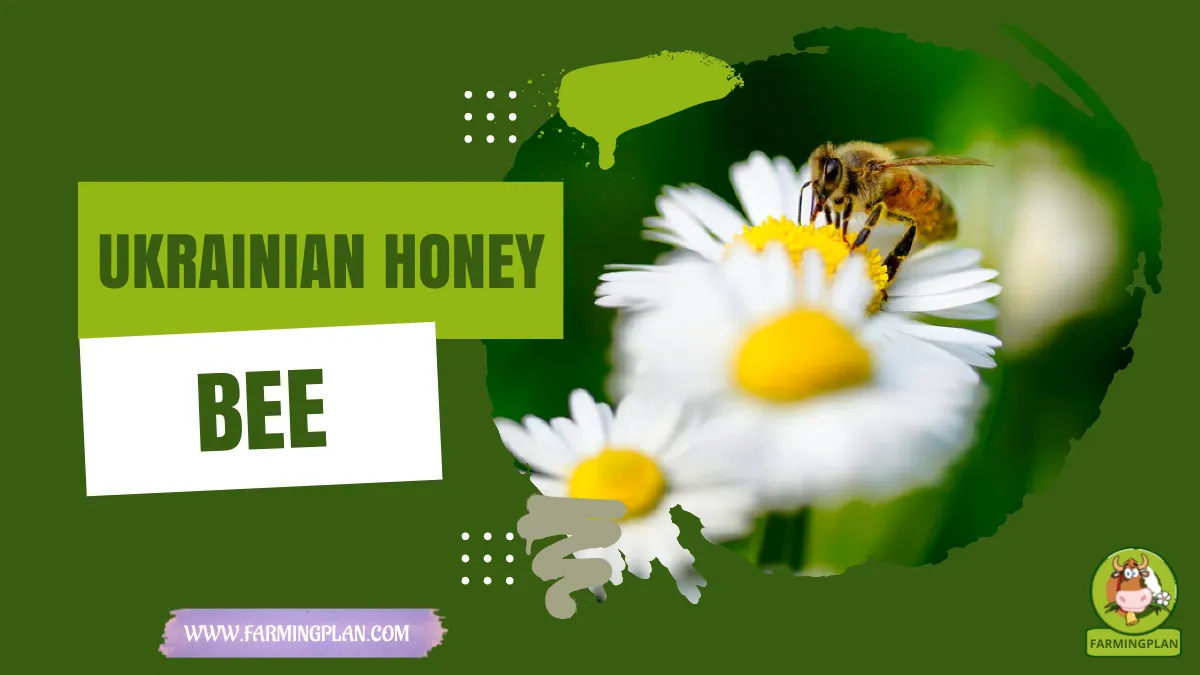
Welcome to my apiary journal, where I share my deep passion for sustainable farming and native bees! The Ukrainian honey bee is an amazing insect that brings outstanding hardiness and rich honey yields to modern beekeepers. I love working with these native bees because they thrive under tough conditions while staying remarkably gentle around the hive.
Over the years, I have seen how the Ukrainian honey bee (Apis mellifera sossimai) adapts to freezing winters and sudden temperature drops across regions like Kyiv and Mykolaiv. These bees collect abundant nectar from sunflower honey fields and acacia blossoms, turning raw nature into sweet golden rewards. Whether you manage a small backyard setup or a large commercial apiary, understanding these bees will change how you approach sustainable beekeeping.
History & Origin of Ukrainian Honey Bee
The story of the Ukrainian honey bee goes back centuries across Eastern Europe. Beekeepers have nurtured these regional ecotypes, such as the famous Carpathian bees, along the lush river basins and mountainous terrains of Ukraine. Pioneers like Petro Prokopovych revolutionized modern beekeeping right here by developing early hive frame designs and frame systems. The historical lineage includes distinct regional ecotypes like Apis mellifera acervorum and connections to Carniolan honey bees. These populations survived extreme climate shifts, historical conflicts, and regional changes across Eastern Europe and the Caucasus mountains.
Throughout history, local apiarists selected queens that could endure harsh freezing periods with minimal food stores. Today, researchers study their mtDNA analysis and phylogenetic relationships to preserve pure genetic lines. Organizations like the Brotherhood of Ukrainian Beekeepers work tirelessly to safeguard these unique native stocks. When you work with this historic lineage, you hold a living piece of agricultural heritage that continues to inspire beekeepers worldwide.
Read More: Gallina del Sobrarbe Chicken: Amazing Guide for Heritage Breeders
Characteristics of Ukrainian Honey Bee
When you look closely at a Ukrainian honey bee, you immediately notice its distinctive dark grey banding and dense body hairs. These bees belong to distinct ecotypes that developed unique physical traits to survive cold, windy climates. Compared to standard Italian bees, they possess longer proboscis lengths, which help them extract nectar from deep floral sources like clover and monofloral acacia blooms. The workers build neat honeycombs with white wax cappings that keep honey fresh and dry inside the hive frame structure.
Their genetic background reflects strong ties to Carniolan and Macedonian bee populations. These physical variations allow them to manage heat during summer in Zaporizhzhia while maintaining ideal brood temperatures in spring. The queens are exceptionally prolific, laying tight, organized brood patterns across every frame. Recognizing these physical traits helps you identify authentic stock when evaluating bee packages or selecting high-quality Carpathian queen honey bees for your farm.
Nature & Temperament of Ukrainian Honey Bee
Working with a hive full of these bees is pure joy because of their amazingly calm temperament. I frequently inspect my hives without heavy smoke because these gentle insects stay relaxed on the comb during regular frame checks. Their low defensive behavior makes them ideal for small farmers, hobbyists, and suburban beekeeping setups. You will notice that workers continue their routine tasks on the honeycomb even while you lift frames out for inspection.
Another remarkable trait is their controlled swarming tendency when managed properly with timely space expansion. Unlike hyper-aggressive strains, these bees focus their energy on foraging, brood care, and store maintenance. Their gentle nature reduces stress for both the beekeeper and the colony during seasonal hive splits. If you want a peaceful yard environment without sacrificing productivity, this docile breed offers the perfect balance.
Food & Diet of Ukrainian Honey Bee
A healthy colony depends on continuous access to high-quality pollen and diverse floral nectars. Ukrainian bees excel at collecting rich nectar from huge fields of sunflowers, wild clover, and linden trees. During peak spring blooms, they store massive amounts of pollen to feed growing larvae and sustain worker energy. I always ensure my apiaries have rich floral diversity so the colony can build strong winter reserves naturally.
When natural blooms fade in late autumn, you must step in with supplementary feeding. I offer clean sugar syrup and high-protein pollen patties to build colony strength before cold weather sets in. Never feed open, unpasteurized honey from unknown sources, as this spreads destructive pathogens like nosema. Providing clean water sources near the apiary prevents bees from exhausting themselves searching for hydration during hot summer weeks.
Purpose & Usage in Ukrainian Honey Bee
Farmers value these bees primarily for their extraordinary honey production and pollination capacity. Their strong foraging drive helps crop yields soar across fields of sunflowers, berries, and orchard fruits. The complex terroir of local flora results in exquisite monofloral honey types that command premium prices in specialty markets. Beyond honey, these hives yield valuable beeswax, propolis, and royal jelly for natural health products.
These bees also serve an essential ecological purpose by supporting biodiversity in agricultural landscapes. Smallholders and large commercial producers rely on their reliable pollination services to secure better harvest weights. Their ability to work during cool, overcast mornings gives farmers an extra edge during early spring bloom periods. Keeping these bees transforms your farm into a thriving, highly productive ecosystem.
Special Features of Ukrainian Honey Bee
One outstanding feature of this strain is its remarkable winter hardiness and conservative honey consumption during cold months. While other breeds burn through stores rapidly, these bees cluster tightly and conserve energy until spring arrives. They also exhibit strong hygienic behavior, actively grooming each other to remove destructive pests like Varroa mites. This natural cleanliness keeps disease levels low without heavy reliance on chemical treatments.
Additionally, their quick flight response allows them to forage efficiently even under windy or lightly drizzly conditions. They adapt effortlessly to sudden seasonal changes, adjusting their brood rearing based on available nectar flows. Their ability to produce distinct, slow-crystallizing acacia honey and rich sunflower blends highlights their incredible foraging versatility. These combined strengths make them one of the most reliable bee stocks in the world.
Health Issues & Disease Prevention Tips of Ukrainian Honey Bee
Maintaining strong hive health requires constant vigilance, proper sanitation, and routine monitoring. The main threats to any colony include Varroa mites, nosema fungal infections, and various brood diseases. I perform monthly mite counts using sugar rolls to catch infestations early before they weaken adult worker populations. Keeping hives off the wet ground on sturdy stands improves ventilation and prevents fungal spores from taking root.
Preventative care relies on replacing old brood frames every two to three years to eliminate trapped pathogens. I install queen excluders to keep brood nests organized and separate from clean honey supers. If you notice irregular brood patterns or greasy comb surfaces, isolate the affected hive immediately to prevent cross-contamination. Using screened bottom boards and natural organic acid treatments keeps disease levels low without contaminating your honey harvest.
Every Beekeeper Holds The Power To Nurture Exceptional Hives.
Step-by-Step Farming Guide for Beginners of Ukrainian Honey Bee
Starting your own apiary journey with native stock is an exciting venture that rewards patience, proper preparation, and continuous care.
Step 1: Equipment Preparation & Site Selection
Choosing the right site sets the foundation for your entire beekeeping success. Place your beehives on flat, dry ground that receives full morning sun and offers reliable windbreak protection. Make sure fresh water sits within short flying distance so your workers do not waste energy searching for moisture. Assemble sturdy wooden hive bodies, frames, and deep brood boxes using durable, weather-resistant materials to protect your bees from severe rain and cold drafts.
Prepare your personal protective gear, including a ventilated veil, leather gloves, and a reliable hive tool. Position hive stands at least eighteen inches off the grass to keep skunks, rodents, and damp moisture out of the bottom board. Ensure the entrance faces south or southeast to encourage early morning foraging activity. Having all physical equipment, spare frames, and sugar feeders ready before your bees arrive prevents unnecessary stress during installation day.
Step 2: Installing Your Bee Package or Nuc
Installing a new package requires calm movements and precise handling techniques. Spray the package bees lightly with sugar water to settle them down before opening the transport container. Carefully remove the queen cage, verify the queen is active and healthy, and remove the safety seal from her candy plug. Hang her cage securely between two central brood frames inside your prepared hive body.
Gently shake the bulk of the worker bees out of the shipping crate into the hive box beside the queen cage. Close the hive cover gently, install a entrance reducer to help them defend the box, and leave them undisturbed for several days. Supply continuous sugar syrup through an internal feeder so the young workers can immediately draw out fresh beeswax combs. Check back in five days to confirm the queen emerged safely from her cage and started laying eggs.
Step 3: Seasonal Management & Hive Inspections
Regular inspections keep your colonies strong, productive, and completely healthy throughout the growing season. Open your hives every seven to ten days during warm spring weather to check the queen’s egg-laying pattern and monitor brood space. Look for healthy, pearly-white larvae swimming in clear royal jelly across the center comb areas. Add extra honey supers on top of the brood chamber before the main nectar flow begins so workers have ample room to store surplus honey.
Watch closely for swarm cells along the bottom edges of frames, which signal that the hive feels overcrowded. Provide extra space or perform controlled hive splits if you notice heavy queen cell development. Ensure ventilation remains high during sweltering summer afternoons to prevent wax combs from melting inside the hive. Keeping accurate written records during every visit helps you track queen performance and colony growth across the season.
Step 4: Honey Harvesting & Winter Preparation
Harvesting honey represents the rewarding climax of months of dedicated care and effort. Pull full honey supers only when workers have capped at least eighty percent of the comb surface with clean wax. Use a soft bee brush or escape board to gently remove adult workers from the frames without causing panic. Extract the golden honey using sanitary equipment, filter out coarse wax particles, and bottle your harvest in clean glass jars.
Once harvesting finishes, shift your complete focus toward winter preparation and colony survival. Reduce the hive entrance size to protect against cold winds and hungry robber bees from neighboring yards. Ensure each colony enters winter with at least sixty pounds of capped honey stores or thick sugar syrup. Wrap the hive exterior with protective insulation panels to buffer against severe freezing temperatures while maintaining upper ventilation to prevent deadly moisture buildup.
Read More: Anatolian Ringbeater Pigeon: Ultimate Master Guide
Expert Tips & Best Practices for Apiarists
- Always position hive entrances toward the morning sun to encourage early daily foraging flights.
- Keep detailed written logs for every hive inspection to monitor queen productivity and health trends over time.
- Replace one-third of your brood frames annually to maintain clean wax and reduce pathogen accumulation.
- Use screened bottom boards year-round to improve air circulation and drop fallen Varroa mites out of the hive.
- Plant diverse flowering cover crops like clover and buckwheat near your apiary to extend natural foraging seasons.
- Plant shade trees or construct windbreaks to protect hives from harsh winter gusts and extreme summer heat.
- Never harvest honey from brood chambers; always leave ample natural stores for the colony’s winter survival.
FAQs
Where can I find a Ukrainian honey bee for sale?
You can purchase certified bee packages or Carpathian queen honey bees from specialized breeders and registered suppliers. Always verify health certificates and local import regulations before ordering live bees to ensure you receive genuine, parasite-free stock.
What makes Ukrainian honey unique compared to other varieties?
Ukrainian honey comes from vast, rich agricultural terroirs featuring sunflowers, acacia, and diverse wildflowers. This unique floral origin gives the honey distinct flavor profiles, vibrant colors, and exceptional purity that honey lovers cherish worldwide.
How do these bees handle severe winter temperatures?
These native bees form tight, heat-efficient winter clusters and consume their stored honey very conservatively throughout the cold months. Their high cold tolerance allows them to survive long, freezing winters without developing dysentery or wasting colony strength.
Are Carpathian bees suitable for beginner beekeepers?
Yes, their gentle temperament and calm behavior on the comb make them an excellent choice for beginners. They stay relaxed during frame inspections, which builds confidence for new handlers while managing their apiary routines.
What main floral sources fuel honey production in Ukraine?
Sunflowers, acacia, linden trees, and wild clover serve as the primary nectar sources for these productive colonies. These rich blossoms allow bees to produce both light, slow-crystallizing varieties and dark, aromatic monofloral honey blends.
Conclusion
Working with the Ukrainian honey bee offers an incredibly rewarding path toward sustainable, productive, and enjoyable beekeeping. These resilient insects combine impressive winter hardiness, gentle temperaments, and exceptional honey yields into one reliable package. By providing proper seasonal care, disease management, and adequate winter stores, you ensure your apiary thrives year after year. Every hive you nurture helps support essential crop pollination and preserves valuable agricultural heritage for future generations. Now is the perfect time to elevate your farm by introducing these remarkable bees to your home yard! Share your beekeeping stories in the comments below, pass this guide along to fellow farmers, and join our growing community of passionate native bee enthusiasts today!