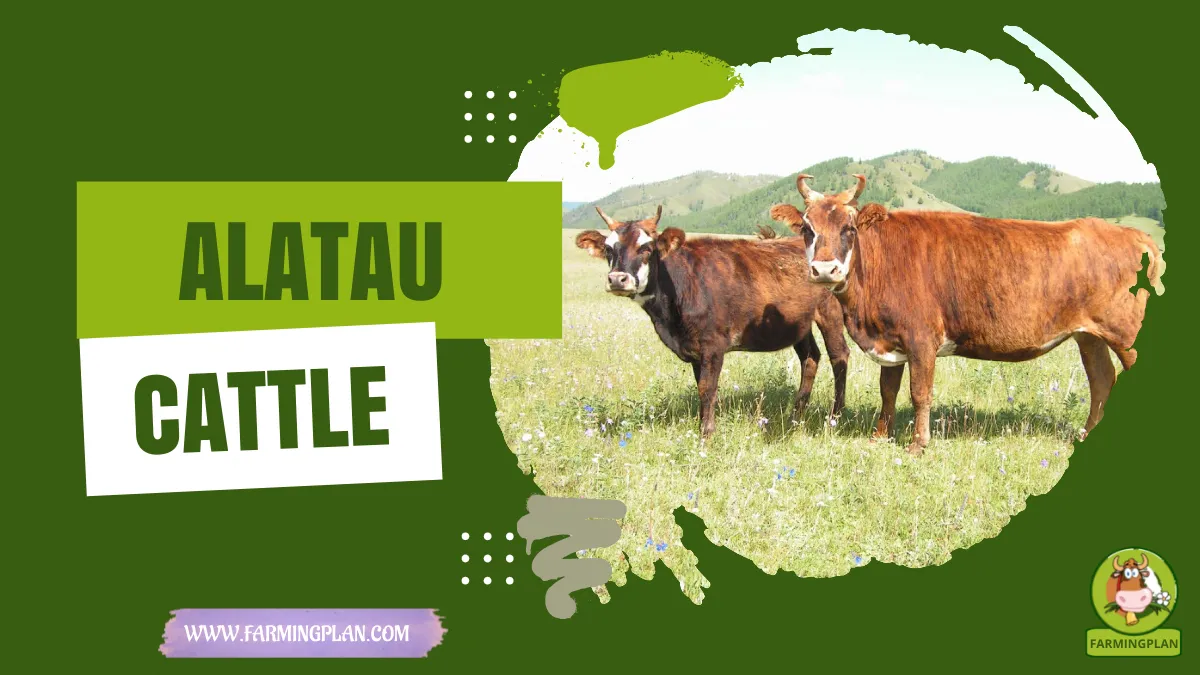
Alatau Cattle are one of the most important cattle breeds developed in Kazakhstan. As a farming specialist, I have always admired breeds that combine productivity, adaptability, and strong genetics, and the Alatau cattle breed fits that description perfectly. Farmers value this breed for its reliable milk production, good meat traits, and ability to thrive in challenging environmental conditions. The breed emerged through carefully planned breeding programs that combined local Kazakh cattle with imported dairy breeds such as Schwyz and Black-and-White cattle.
Today, Alatau cattle remain significant in dairy farming and livestock improvement projects. Researchers continue studying their genetic diversity through whole-genome sequencing, SNP markers, DNA fingerprinting, genotyping, linkage disequilibrium analysis, and molecular genetics. These studies help breeders improve dairy productivity, reproduction, meat production traits, and disease resistance. In this guide, I will share practical information about the breed’s history, characteristics, feeding requirements, farming practices, health management, and modern breeding technologies that support sustainable management and conservation of breeds.
History & Origin
The Alatau breed originated in the foothills of the Alatau Mountains near Almaty, Kazakhstan. During the early twentieth century, livestock specialists aimed to improve local cattle breeds while maintaining their ability to adapt to harsh climates. Breeders crossed indigenous Kazakh cattle with imported Schwyz bulls and later used Schwyz bull semen to strengthen dairy traits.
Breeding Programs That Shaped The Breed
Scientists and livestock experts implemented extensive breeding programs across Kazakhstan. These efforts focused on increasing milk yield, improving lactation performance, enhancing body size regulation, and maintaining reproductive indicators. The resulting cattle demonstrated excellent adaptability and productivity.
Researchers from organizations such as the Scientific and Production Center for Animal Husbandry and Veterinary LLP, Kazakh National Agrarian Research University, the Institute of Cytology and Genetics of the Russian Academy of Sciences, Siberian Branch, and the Royal Veterinary College, University of London have contributed valuable research on Kazakhstani cattle breeds.
Genetic Influences And Breed Formation
The Alatau cattle breed inherited characteristics from both local and imported breeds. Genetic studies show contributions from East Asian taurine, European taurine, and Eurasian taurine cattle populations. Breeders also evaluated relationships with breeds such as the Kazakh white-headed breed, Kalmyk breed, Aulieata breed, Auliekol breed, Hereford, Holstein, Montbéliarde, and Black-and-White cattle.
Modern research involving whole-genome SNP genotyping, genome resequencing, microsatellites, and structural variation analysis helps scientists understand the breed’s genetic origins and genetic material. These findings support biodiversity conservation and sustainable livestock breeding.
Read More: Daothigir Chicken: Remarkable Native Breed Guide
Characteristics of Alatau Cattle
When I first observe Alatau cattle, I immediately notice their strong and balanced body structure. These animals typically display a sturdy frame, deep chest, broad back, and well-developed musculature. Their coat color often ranges from brown to dark brown, though variations may occur depending on breeding history. Adult cows generally possess a well-developed udder that supports efficient milk production. Bulls demonstrate strong muscle deposition and excellent growth characteristics, making them useful for both dairy and meat production.
Production Characteristics
One of the breed’s biggest strengths is dairy productivity. Many Alatau cows achieve impressive milk yield during lactation while maintaining good health and reproductive performance. Their milk often contains favorable fat and protein levels, making it suitable for cheese production and other dairy products. Researchers studying the kappa casein gene have found genetic factors linked to cheese suitability and milk quality. Feed and Milk Quality Assessment programs often highlight the breed’s valuable dairy characteristics.
Genetic Features Identified Through Research
Modern molecular biology has revealed several important genetic markers associated with productivity and adaptation. Scientists have identified selection signatures involving genes such as PDGFRA, KDR, KIT, MYBPH, S100A8, and PPP3R1. Studies using whole-genome sequencing, single nucleotide polymorphism analysis, runs of homozygosity, and linkage disequilibrium have improved understanding of genomic architecture. These discoveries help breeders select animals with superior milk production, reproductive indicators, and meat quality traits.
Nature & Temperament
In my experience, Alatau cattle usually exhibit calm and manageable temperaments. Their steady behavior makes daily handling easier for farmers, veterinarians, and livestock workers. Cows generally adapt well to milking routines and farm management systems.
Strong Adaptability To Various Conditions
This breed developed in environments that demanded resilience. As a result, Alatau cattle can tolerate temperature fluctuations, varying pasture quality, and different housing systems better than many specialized dairy breeds. Their adaptability contributes to long-term productivity and reduces management challenges. Farmers often appreciate animals that remain productive despite environmental changes.
Suitable For Small And Large Farms
Whether a farmer operates a small family dairy or a large commercial enterprise, these cattle can fit successfully into many production systems. Their balanced combination of milk production, fertility, and manageable temperament makes them practical for diverse farming operations.
Food & Diet of Alatau Cattle
Proper nutrition directly influences milk yield, reproduction, animal growth, and overall health. I always recommend developing a balanced feeding plan based on the animal’s age, weight, and production level. High-quality forage should form the foundation of the diet. Farmers can use pasture grass, hay, silage, and legume crops to provide essential nutrients.
Important Nutrients For Dairy Performance
Protein supports muscle deposition, lactation, and reproductive functions. Energy-rich feeds help maintain body condition and support dairy productivity. Minerals such as calcium, phosphorus, magnesium, and trace elements play critical roles in skeletal health and milk production. Fresh water remains one of the most important nutritional requirements. A productive dairy cow may consume large amounts of water each day, especially during hot weather.
Feeding Dos And Don’ts
Dos
- Provide clean water continuously.
- Offer high-quality forage daily.
- Monitor body condition regularly.
- Supply balanced mineral supplements.
- Adjust rations according to lactation stage.
Don’ts
- Avoid moldy feed.
- Do not make sudden dietary changes.
- Prevent overcrowding at feeding areas.
- Avoid nutritional deficiencies.
- Never ignore declining feed intake.
“Healthy Feed Today Creates Higher Milk Yield Tomorrow. Good Nutrition Is Always The Best Investment In Dairy Farming.”
Usage & Purpose of Alatau Cattle
The primary purpose of Alatau cattle involves dairy production. Their strong lactation performance and consistent milk yield make them valuable in commercial dairy farming systems. Many breeding programs continue selecting animals for improved dairy productivity.
Contribution To Meat Production
Although dairy performance remains the main focus, these cattle also contribute to meat production. Their solid frame, efficient animal growth, and muscle development provide additional economic benefits. Research involving MYBPH and other growth-related genes helps breeders improve meat production traits while maintaining dairy characteristics.
Genetic Resource For Future Breeding
The breed serves as an important genetic resource for livestock improvement. Scientists use genomic data from Alatau cattle in studies involving molecular genetics, genome resequencing, SNP markers, DNA fingerprinting, and conservation strategies. These efforts support sustainable management, biodiversity preservation, and the development of future cattle breeds.
Special Features of Alatau Cattle
One remarkable feature involves the breed’s genetic diversity. Studies using whole-genome sequencing and whole-genome SNP genotyping reveal a rich genetic foundation that supports adaptability and productivity. Researchers continue investigating genetic markers associated with milk production, reproductive indicators, and disease resistance.
Adaptability Combined With Productivity
Many breeds excel in either productivity or adaptability. Alatau cattle manage to combine both qualities. They perform well in varied climates while maintaining respectable milk yield and growth characteristics.
Valuable Research Interest
The breed attracts attention from scientists worldwide. Research published in Veterinary Medicine, molecular biology, and animal genetics journals explores genomic architecture, selection signatures, chromosome 6 regions, structural variation, and reproductive performance. Scientists also study genes including PDGFRA, KIT, KDR, PPP3R1, MYBPH, and S100A8 to better understand dairy and meat production traits.
Health Issues & Prevention
Like all dairy cattle breeds, Alatau cattle may experience mastitis, reproductive disorders, nutritional deficiencies, digestive problems, and parasitic infections. Early detection plays a critical role in successful treatment. Mastitis can reduce milk production and affect milk quality. Farmers should monitor udders regularly for swelling, heat, or abnormal milk.
Reproductive Health Management
Breeders closely monitor service period length, fertility rates, conception success, and reproductive indicators. Hormonal factors involving estrogen and reproductive tissues such as oviduct mucosal epithelial cells influence successful reproduction. Proper nutrition and veterinary care support reproductive performance and healthy calves.
Prevention Strategies That Work
I always emphasize prevention over treatment. Effective prevention measures include:
- Vaccination programs
- Clean housing conditions
- Proper milking hygiene
- Balanced nutrition
- Parasite control
- Regular veterinary examinations
- Biosecurity protocols
These practices reduce disease risk and improve long-term herd performance.
Read More: Drava Goose: Remarkable Beauty And Wetland Wonder
Step-by-Step Farming Guide
When I help farmers establish a successful herd, I focus on practical steps that support animal welfare, productivity, and profitability. Raising Alatau cattle requires careful planning, proper housing, good nutrition, regular health management, and continuous monitoring. The breed adapts well to many farming systems, but success still depends on consistent daily care.
A well-organized farm creates better conditions for milk production, reproduction, and animal growth. Farmers should start with healthy breeding stock and build a strong management system from day one.
Step 1 – Select High-Quality Breeding Animals
I always begin by choosing healthy animals from reputable breeding programs. Look for strong body structure, healthy udders, good temperament, and documented production records. Evaluate pedigree information when available. Modern breeding operations often use DNA fingerprinting, SNP markers, and genomic testing to identify superior genetics. Selecting quality animals creates the foundation for long-term success.
Step 2 – Build Comfortable Housing
Provide dry, clean, and well-ventilated housing. Good airflow reduces disease risk while comfortable bedding improves animal welfare. Ensure adequate space for feeding, resting, and movement. Separate young calves, pregnant cows, and milking cows when necessary. Clean facilities regularly to reduce bacterial growth and improve herd health.
Step 3 – Create A Balanced Feeding Program
Develop feeding plans that match production goals. Growing animals require different nutrient levels than lactating cows. Provide quality forage, balanced concentrates, mineral supplements, and constant access to fresh water. Monitor feed intake and adjust rations based on milk production and body condition scores.
Step 4 – Establish Health Management Protocols
Schedule vaccinations, parasite treatments, and veterinary examinations. Maintain detailed health records for every animal. Observe cattle daily for signs of illness, lameness, reproductive issues, or mastitis. Quick intervention often prevents serious problems and reduces treatment costs.
Step 5 – Manage Breeding And Reproduction
Track heat cycles carefully and maintain accurate breeding records. Work closely with veterinarians and breeding specialists to improve conception rates. Use artificial insemination or natural breeding depending on farm goals. Modern breeding technologies help improve dairy productivity and genetic quality.
Step 6 – Monitor Milk Production And Performance
Record milk yield, milk quality, fertility data, and growth rates. Performance records help identify top-producing animals and management improvements. Regular analysis supports better decision-making and increases overall profitability.
Step 7 – Focus On Continuous Improvement
Successful farming never stops evolving. Follow research developments in molecular genetics, breeding technologies, and livestock management. Participate in training programs and learn from other farmers. Small improvements each year can significantly increase herd productivity over time.
Expert Tips & Best Practices
Proven Strategies From My Experience
After years of working with cattle breeds and dairy production systems, I have found several practices that consistently improve results.
Best Practice Tips
- Keep detailed production records.
- Monitor milk yield every month.
- Select breeding stock carefully.
- Prioritize animal welfare.
- Use quality forage throughout the year.
- Test feed quality regularly.
- Maintain strict milking hygiene.
- Prevent mastitis through early detection.
- Work with experienced veterinarians.
- Improve genetics gradually rather than making sudden changes.
- Evaluate reproductive indicators consistently.
- Invest in employee training.
- Follow sustainable management practices.
- Support conservation of local livestock breeds.
- Use modern genomic tools when available.
Building Long-Term Success
Successful dairy farming depends on consistency. Small daily improvements create stronger herds, better milk production, and improved profitability. Farmers who combine practical management with modern breeding knowledge often achieve the best results.
FAQs
What are Alatau cattle?
Alatau cattle are a dairy-oriented cattle breed developed in Kazakhstan through crosses between local Kazakh cattle and imported dairy breeds such as Schwyz. They combine adaptability with good milk production.
What is the main use of the Alatau cattle breed?
Farmers primarily use the breed for dairy production. Many herds also contribute to meat production because of their solid body structure and growth performance.
How much milk do Alatau cattle produce?
Milk yield varies depending on genetics, nutrition, management, and lactation stage. Well-managed cows can achieve strong dairy productivity suitable for commercial farming.
Why do scientists study Alatau cattle genetics?
Researchers investigate genetic diversity, SNP markers, whole-genome sequencing data, and selection signatures to improve breeding programs, productivity, and conservation efforts.
Are Alatau cattle suitable for harsh climates?
Yes. The breed developed under challenging environmental conditions and demonstrates strong adaptability, making it suitable for regions with variable climates and pasture conditions.
Conclusion
Alatau cattle represent a remarkable achievement in livestock breeding. Their combination of strong milk production, adaptability, valuable genetics, and practical management qualities makes them an important breed in Kazakhstan and beyond. Research involving molecular genetics, whole-genome sequencing, SNP markers, and breeding technologies continues to reveal new opportunities for improving dairy productivity, meat production traits, and sustainable management. As a farming specialist, I believe this breed offers excellent value for farmers seeking dependable cattle that perform well under diverse conditions. If you found this guide helpful, share it with fellow farmers, leave a comment with your experience, and join the conversation about preserving and improving valuable cattle breeds for future generations.