As a lifelong farming specialist, I love sharing my personal hands-on experience with extraordinary livestock breeds. The Bantu Pig stands out as one of the most resilient heritage animals I have ever raised on my pasture. Native to Southern Africa, this remarkable African village pig adapted over centuries to harsh climates, local parasites, and tough foraging conditions. When you look at the broad Bantu Pig breeds list, you might see famous modern animals like the Large White, Hampshire, Landrace, or Duroc.
However, traditional heritage breeds like the Bantu Swine, Kolbroek, and even exotic options like the Mangalitsa, Kunekune, or Red Wattle pig hold a special place in sustainable agriculture. In this comprehensive guide, I will walk you through the history, unique physical traits, temperament, feeding practices, and complete herd health management strategies for this legendary animal. Whether you manage a smallholder pig farming setup or explore pastured pig breeds for high-quality meat production, my practical advice will help you succeed with confidence!
History & Origin of Bantu Pig
My journey with southern African swine history taught me that these animals have a deep, fascinating lineage. Archaeological evidence and genetic studies trace their roots back through centuries of human migration across East Africa and down to Southern Africa. Local farming communities depended on these hardy animals for food security long before modern registry breed standards existed.
The early ancestors crossed paths with various trading ships, mixing local African stocks with old European wild boar descendants and Southeast Asia strains. Over generations, natural selection honed their survival instincts in rugged bush country. These pigs lived alongside wild species like the common warthog (Phacochoerus africanus) and the European wild boar (Sus scrofa). While they share geographic territory with South African wild pigs, local farmers domesticated these hogs into gentle, productive livestock.
Historical Background of the African Village Hog
The heritage livestock community recognizes their cultural value, listing similar historic strains on global conservation priority lists like the Ark of Taste to protect their valuable genetic diversity. Understanding their past helps us appreciate their tough nature today. These Bantu Pigs survived severe weather, fluctuating food supplies, and local disease exposure without modern medical interventions. Today, preserving this genetic heritage provides modern farmers with strong stock for sustainable crossbreeding programs.
Read More: Buff Back Goose: Nature’s Golden Elegance Soars!
Characteristics of Bantu Pig
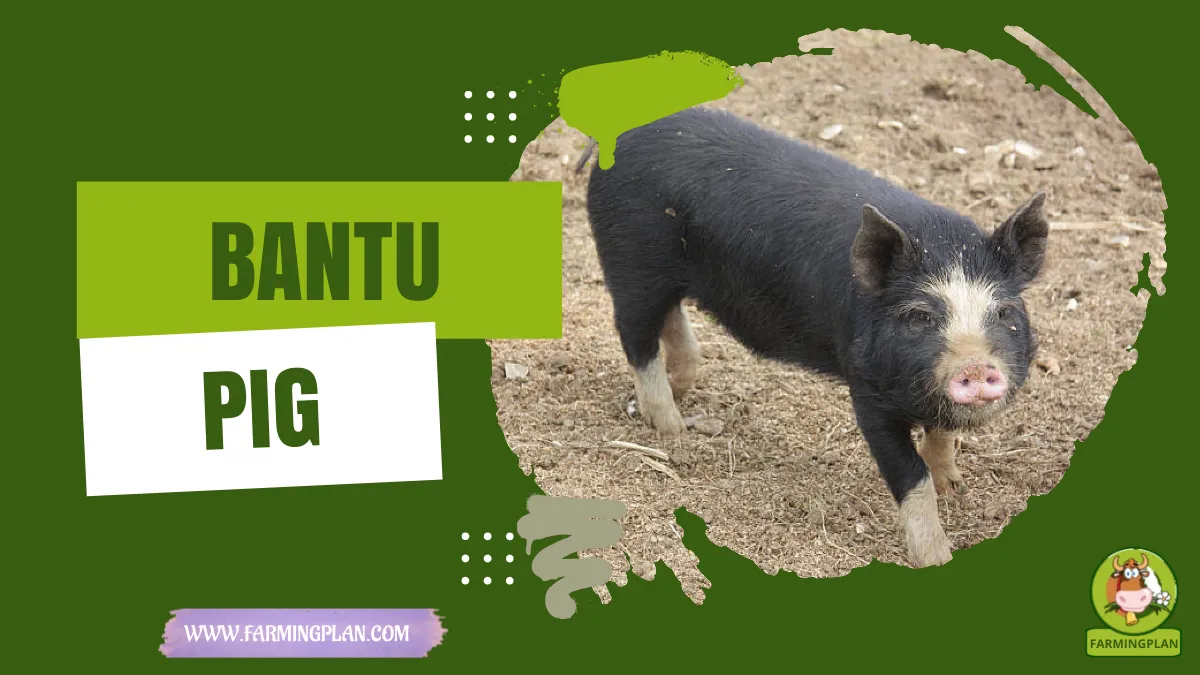
When you walk into my barnyard, you immediately notice how distinct these hogs look compared to commercial white Bantu Pigs. They sport strong, muscular bodies with dark skin pigments that protect them from harsh solar radiation and sunburn. Many individuals display striking black spots, thick bristly coats, and occasionally charming wattles under their necks. Their ears can range from erect to slightly floppy, giving each animal a unique personality in the pasture.
Their physical measurements show a compact, medium-sized frame that handles rugged terrain with ease. Unlike large factory-farm hogs bred purely for fast growth, these heritage animals develop dense bones and balanced muscular carcasses. Their dark coat color varieties help them blend into forest edges and shaded paddocks, making them less visible to large predators like the leopard, hyena, or lion in open range conditions.
Unique Physical Traits and Appearance Variations
Here is a quick comparison showing how heritage pigs compare to standard commercial breeds:
| Feature / Trait | Heritage Breed (e.g., Bantu) | Commercial Breed (e.g., Landrace) |
| Skin Pigmentation | Dark / Black Spots (Sun Resistant) | Pale / Pink (Sunburn Prone) |
| Foraging Capacity | High (Thrives on pasture & residues) | Moderate (Requires commercial feed) |
| Body Size | Medium / Compact Frame | Large / Heavy Lean Muscle |
| Hardiness | Superior parasite & disease tolerance | Sensitive to environmental stress |
I always admire their thick skin and tough hooves. These features allow them to root safely through gravel, brush, and damp soil without developing foot rot or joint injuries. Their natural physical build makes them ideal candidates for low-input farming systems.
Nature/Temperament of Bantu Pig
I always tell new farmers that working with these hogs is a genuine pleasure because of their calm demeanor. They exhibit a friendly, curious personality that makes daily chores easy and safe for everyone on the farm. When you handle them with patience and gentle affection, they quickly learn to trust their caretakers and respond happily to your voice.
In a pasture environment, they form tight social groups known as a sounder. They display natural instincts like maternal protective care, clear communication grunts, and active diurnal foraging patterns. Their alert senses keep them watchful during the day, yet they remain very manageable when you move them between rotation paddocks using simple sorting boards or secure pens.
Their gentle nature makes them suitable for smallholder farmers, hobbyists, and family farm operations. Even young farm helpers can manage them safely under proper guidance. Their peaceful temperament reduces stress within the herd, which directly leads to better animal welfare and higher overall productivity.
Food & Diet of Bantu Pig
Feeding my herd correctly requires balancing their natural foraging instincts with wholesome supplemental nutrients. These pigs excel at turning low-cost forage foods, crop residues, fallen fruits, and kitchen scraps into high-quality protein. In my pastured pig system, they root happily for roots, tubers, insects, and lush native grasses throughout the day.
To keep your herd in peak condition, combine natural pasture grazing with high-protein grains like corn, barley, or soybean meal. Always provide clean, fresh water in heavy troughs that they cannot tip over easily. During dry seasons when natural vegetation dies back, supplement their diet with good quality hay or fermented bed technology fodder to maintain healthy digestion.
Avoid feeding spoiled food, salty table scraps, raw potatoes, or unpasteurized dairy items that might harm their stomachs. Proper feeding practices build strong immune systems, ensuring your animals grow steadily while maintaining optimal body condition scores.
Usage/Purpose of Bantu Pig
I raise these animals primarily for their exceptional, high-quality heritage pork. The meat features rich intramuscular fat marbling that yields a sweet, nutty, floral, robust, concentrated, bold, tender, and porky flavor profile. Chefs, local meat production markets, and specialty butchers actively seek out this premium pork for gourmet dishes, dry-cured charcuterie, and traditional Cajun cuisine recipes.
Meat Production and Sustainable Agricultural Roles
Beyond meat production, these hogs perform vital labor on my land. Their natural rooting behavior turns over compacted soil, aerates pasture ground, and clears unwanted weeds naturally. You can use them to renovate old gardens or clear wooded paddocks without relying on heavy tractor machinery. Their multi-purpose value makes them an incredible asset for any homestead or commercial farm. They produce rich organic manure that fertilizes agricultural crops, creating a closed-loop sustainable farming system that improves your soil health year after year.
Special Features of Bantu Pig
One of the most impressive special features I observe in my herd is their incredible parasite tolerance and heat endurance. Their thick dark skin shields them from painful sunburns, allowing them to graze comfortably under direct sunlight. They also possess extraordinary foraging skills, finding nutritious tubers and roots where other livestock breeds would struggle to survive.
Rare Traits and Exceptional Environmental Adaptations
Their long reproductive capacity and strong maternal traits stand out as well. Sows give birth easily, build warm nests independently, and nurse large litters with rich milk. The strong survival instincts of newborn piglets drastically lower infant mortality rates in pasture setups. Their high resistance to extreme weather shifts saves farmers money on expensive climate-controlled housing. These adaptive survival traits make them one of the most reliable heritage livestock investments available to modern smallholders.
“Raising Heritage Livestock Like The Robust Bantu Pig Brings Unmatched Joy And Real Food Resilience To Every Local Farm.”
Health Issues & Prevention of Bantu Pig
Keeping my Bantu Pigs healthy requires proactive biosecurity measures and consistent daily observation. While these animals carry strong natural immunity against many common ailments, you must protect them from viral threats like African swine fever and foot-and-mouth disease. Setting up strict farm entry protocols and perimeter fences keeps wild animal vectors away from your domestic stock.
Check your herd daily for signs of illness such as lethargy, coughing, skin lesions, loss of appetite, or abnormal droppings. Internal parasites can slow growth rates, so implement a strategic deworming schedule with help from local veterinary services. Clean drinking water and dry sleeping areas stop most common bacterial infections before they start.
Herd Health Management and Disease Prevention Strategies
Here is a quick preventative health check list I follow regularly on my farm:
- Clean and disinfect feeding equipment weekly.
- Provide clean mud wallows for natural cooling and parasite protection.
- Quarantining new animals for at least thirty days before herd introduction.
- Maintain complete vaccination schedules recommended by your regional veterinarian.
- Keep perimeter fences secure to block contact with feral pigs and wild boar.
Establishing a solid relationship with a qualified veterinarian ensures long-term herd health management. Early detection and simple cleanliness prevent major disease outbreaks, keeping your animals thriving year-round.
Step-by-Step Farming Guide of Bantu Pig
Practical Advice for Raising Healthy Pastured Swine
Setting up a successful Bantu Pig operation requires careful planning, sturdy infrastructure, and consistent daily care routines. Over my years of farming, I developed a simple step-by-step framework that guarantees excellent results for both beginners and experienced producers. Following these practical steps will save you time, reduce costs, and keep your livestock safe, happy, and productive.
Step 1: Site Preparation and Secure Fence Installation
Before bringing your first pigs home, you must prepare a safe outdoor environment. Build heavy-duty woven wire fencing reinforced with a low electric wire line to prevent rooting underneath. Set up durable shelter structures filled with deep dry straw bedding to shield your animals from cold winds, heavy rain, and harsh summer sun. Ensure your pasture area features good water drainage to avoid stagnant mud holes that harbor parasites. Position feeding troughs on concrete slabs or sturdy wooden pallets to keep feed clean. Investing time in robust boundary fences and secure handling facilities during step one prevents stressful animal escapes later on.
Step 2: Selecting Healthy Breeding Stock and Weaners
Choose your foundation animals from reputable breeders who maintain detailed health records and good genetic diversity. Look for energetic piglets with bright eyes, smooth coats, clear breathing, and active curiosity. Avoid purchasing sluggish animals or those displaying visible joint swelling and nasal discharge. Verify that your source farm practices good biosecurity and parasite control. Introducing strong, healthy stock into your clean farm setup gives your piggery system the absolute best start possible. Take your time during selection to build a high-performing breeding herd.
Step 3: Establishing Daily Feeding and Nutrition Routines
Set up a consistent daily feeding schedule to keep your animals calm and growing well. Supply balanced grain rations alongside fresh rotational pasture forage every morning and late afternoon. Always monitor their body condition scores to adjust grain quantities based on seasonal weather changes and exercise levels. Clean out water troughs daily to prevent algae buildup and bacterial contamination.
Step 4: Implementing Biosecurity and Sanitation Protocols
Maintain strict farm sanitation standards to protect your investment from dangerous infectious diseases. Restrict outside visitors from entering your animal paddocks without disinfected boots and clean clothing. Set up dedicated isolation pens for monitoring any sick animals or new herd additions safely. Remove soiled bedding material regularly and apply fresh straw or wood shavings to keep sleeping quarters dry.
Step 5: Managing Reproduction, Mating, and Farrowing
Plan your breeding schedule carefully based on the standard 114-day gestation period. Provide pregnant sows with spacious, quiet farrowing quarters equipped with warm bedding and protection against crushing. Monitor farrowing sows closely, offering gentle assistance only if complications arise during birth. Ensure newborn piglets nurse rich colostrum milk within their first few hours of life. Keep the farrowing area warm, dry, and draft-free to boost piglet survival rates.
Read More: Basque Pig Farming Guide for Rare Heritage Success
Expert Tips & Best Practices of Bantu Pig
Pro Strategies for Sustainable Herd Success
- Rotate your pasture paddocks every three to four weeks to break internal parasite life cycles and refresh native grass cover.
- Build shade structures or plant dense tree lines to provide cool resting spots during hot summer months.
- Use deep litter straw beds in winter shelters to generate natural microbial heat for young piglets.
- Mix kelp meal and mineral salts into daily feed rations to boost overall immune health and bone density.
- Train your pigs to electric fencing early using small training pens before turning them into large pasture spaces.
- Install automatic nipple drinkers to supply continuous clean water while eliminating wasted, muddy water around troughs.
- Keep detailed written records of birth dates, vaccinations, weaning weights, and breeding lines for efficient farm management.
FAQs
What is a Bantu Pig?
It is a resilient heritage swine breed native to Southern Africa. Local farmers value these animals for their dark skin, heat tolerance, and exceptional foraging abilities in rugged pasture environments.
How do Bantu pigs handle hot weather and intense sunshine?
Their heavy dark skin pigmentation protects them naturally from painful sunburns and skin damage. They stay cool easily by using shade, mud wallows, and natural breeze corridors across pastures.
What do these traditional hogs eat on pasture?
They thrive on a diverse diet of forage grasses, roots, tubers, crop residues, and agricultural scraps. Farmers supplement their foraging with balanced grains to support steady growth and strong immune health.
Are these heritage hogs friendly and easy to manage?
Yes, they possess a calm, curious, and gentle temperament when handled with routine care. Their cooperative nature makes them easy to move between rotational pasture paddocks using simple sorting boards.
Why should farmers choose heritage swine over commercial breeds?
Heritage swine offer superior disease resistance, low input costs, excellent mothering skills, and highly flavorful marbled meat. Their hardiness makes them ideal for pastured, organic, and smallholder farming systems.
Conclusion
Raising resilient livestock like these hardy African hogs transforms your farming journey by bringing incredible strength, productivity, and rich history to your land. Their natural survival instincts, sun-resistant dark coats, gentle personalities, and superior foraging skills make them an unbeatable choice for low-input pasture setups. By implementing proper biosecurity, balanced nutrition, and clean shelter practices, you create a thriving homestead system that yields mouthwatering, gourmet heritage pork. Protecting these historic genetics ensures sustainable agriculture remains vibrant for future generations of growers. What are your favorite heritage livestock breeds to raise on your farm? Leave a comment below, share this guide with fellow farmers, and join our passionate community dedicated to sustainable homesteading success today!