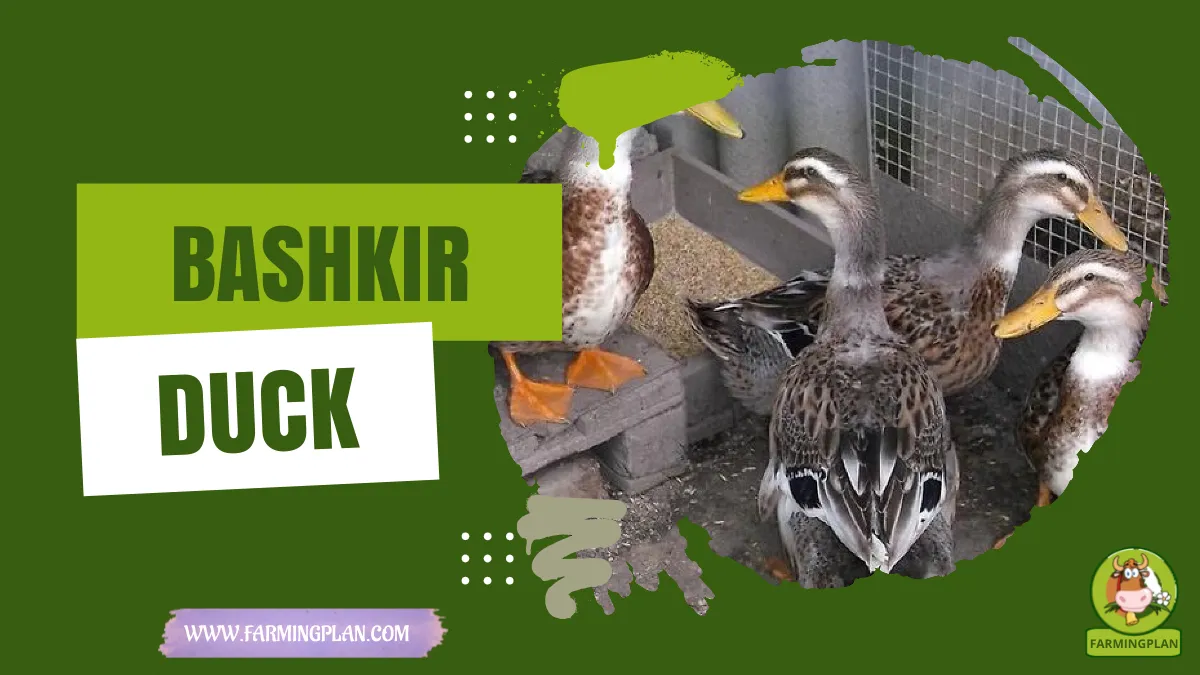
I love working with poultry on my farm, and the Bashkir duck always stands out as an absolute favorite among farm enthusiasts. This incredible breed originated at the Blagovarsky poultry breeding plant in Bashkortostan, coming directly from crossbreeding experiments with the White Peking Bashkir Duck.
Whether you are looking for top-tier duck meat, impressive egg-laying performance, or just a hardy domestic duck for your yard, this hardy waterfowl species delivers fantastic results every time. In this guide, I will share my personal hands-on experience so you can raise strong, happy birds with confidence.
History & Origin of Bashkir Duck
The story of this wonderful bird takes us back to the Volga-Ural region of Russia, specifically to the famous Blagovarsky poultry breeding plant in Bashkortostan. Breeders developed this line by carefully selecting unique mutations discovered within local White Peking duck flocks. The goal was simple: create a bird with rapid growth, excellent meat productivity, and high egg production while keeping the legendary toughness of local farm stock.
Historical Connections and Spread
The region of Bashkortostan has a rich heritage tied to the Ural Mountains, where the historic Bashkir tribes and Kipchak culture flourished. The local climate requires hardy animals that can thrive during freezing winters and hot summers. Through selective breeding, poultry experts produced a magnificent domestic duck that spread quickly across Russia, North America, and beyond. Today, farmers around the globe cherish these birds for their resilience and high economic return.
Genetic Strength and Popularity
Genetic studies show that these birds retain strong genetic health, making them far easier to manage than delicate rare breeds. They carry a proud lineage that rivals other famous domestic waterfowl like the Muscovy Duck, Indian Runner Duck, and Khaki Campbell. My own experience with them has proven that their historical breeding gives them a clear advantage on any small farm or large Homestead.
Read More: Appenzell Goat Care: Discover Pure Joy
Characteristics of Bashkir Duck
When you look at this bird, you immediately notice its robust and muscular frame. A healthy adult male boasts a wide chest, strong back, and well-developed thighs that showcase high meat productivity. Their body weight normally ranges from seven to nine pounds, making them an ideal choice for farm production. Their short, strong legs give them an upright stance, similar to the Indian Runner Duck, yet with far more solid mass.
Color Variations and Plumage
These birds feature two primary color patterns that captivate every bird lover. The variety “khaki” presents warm brownish-grey tones that blend nicely into natural farm environments. The variety “black white-breasted” features striking dark feathers with a bright white patch across the chest, echoing the classic look of a juvenile black looney muscovy hen. Their dense plumage protects them from cold winds and water.
Structural Differences from Other Breeds
Unlike the Cairina moschata (Muscovy) with its red, warty facial skin, this bird has a clean, smooth head with a broad orange-yellow beak. Their feathers stay tight and oily, shedding fresh water easily after a swim. Their sturdy build sets them apart from lightweight varieties like the East Indie Duck, Faroese Duck, or French White Duck, granting them an unmistakable presence in the yard.
Nature/Temperament of Bashkir Duck
I always tell new farmers that these birds are a true delight to manage because of their calm and gentle temperament. Unlike skittish Wild Mallard descendants or noisy hybrid offspring, these domestic birds remain quiet and confident around humans. They quickly get used to daily farm routines and often walk right up to you at feeding time with a friendly quack.
Friendly Interaction with Farm Animals
These birds get along wonderfully with other farm animals, including chickens, geese, and other domestic waterfowl like the German Pekin Duck or Gressingham Duck. They rarely display aggressive behavior, which makes them perfect for mixed-flock homesteads. Their steady demeanor means they waste very little energy on stress, channeling their calories into healthy growth and egg laying instead.
Adaptability for Owners
Whether you are a beginner or an experienced breeder, you will appreciate how easy they are to train. They enter their night coops without much coaxing and adapt well to both small backyards and sprawling pastures. Their social nature means they love staying in small groups, bringing a lively, cheerful atmosphere to your homestead every single morning.
Food & Diet of Bashkir Duck
To keep your flock thriving, you must feed them a well-balanced diet rich in protein and nutrients. Young ducklings require a high-protein starter feed to support rapid muscle growth and bone development. As they mature, transition them to a commercial compound feed formulated specifically for waterfowl, supplementing with whole grains like wheat, corn, and barley.
Healthy Greens of Bashkir Duck
These birds love foraging for fresh green food across the pasture. I recommend offering them fresh clover, chopped cabbage, and shredded beet tops as healthy treats. These greens supply natural vitamin A and vital omega acids that boost immunity and improve egg quality. Providing a dish of grain rub mixed with fresh greens keeps their digestive system working perfectly.
Crucial Dietary Dos and Don’ts
Always make sure your flock has unlimited access to clean fresh water alongside their feed bowl, as ducks need water to wash down every mouthful. Never feed them moldy grain, processed bread, or salty snacks, as these cause severe digestive blockage. Adding clean grit and crushed oyster shells to their feeding area guarantees proper digestion and strong eggshell formation.
Usage/Purpose of Bashkir Duck
Farmers around the world value this breed for its rapid growth rate and high-quality meat. Chicks reach commercial market weight in just seven to eight weeks when fed proper rations. Their duck meat is tender, juicy, and significantly leaner than standard White Peking duck meat, making it a high-value item for farm-to-table sales or personal family meals.
Impressive Egg-Laying Capabilities
Do not underestimate their egg production! A healthy hen lays between 200 and 230 large eggs every year under good management. Their eggs feature strong shells and rich yolks, perfect for culinary baking or incubation. Their high fertility rate makes them a dream breed for homesteaders who want to maintain a self-sustaining flock without constantly buying new stock.
Hybridization and Crossbreeding
Thanks to their sturdy genetics, breeders frequently use this duck in crossbreeding programs. Crossing them with other meat breeds produces fast-growing mulard hybrids known for exceptional live weight. Whether you raise them for meat, eggs, or breeding stock, these birds offer an unbeatable return on your time and financial investment.
Special Features of Bashkir Duck
One of the most remarkable traits of this breed is its incredible cold tolerance. Originating near the Ural Mountains, these birds handle freezing temperatures, snow, and rain without dropping their egg performance or losing weight. Their thick down layer keeps them warm and dry during harsh winter storms that force other birds indoors.
Strong Natural Immunity
These ducks possess natural disease resistance that saves farmers significant money on medicine and treatments. They rarely contract common waterfowl infections if you keep their coop dry and clean. Their hardy constitution allows them to thrive in basic outdoor housing without complex climate control systems.
High Feed Conversion Efficiency
These birds convert feed into body weight and eggs faster than almost any other heritage duck. Their efficient metabolism allows them to grow rapidly on basic whole grains, pasture grasses, and simple compound feed. This impressive conversion efficiency makes them one of the most profitable duck breeds available to modern small-scale poultry producers.
Health Issues & Prevention of Bashkir Duck
While naturally hardy, these birds can still face health challenges if kept in poor conditions. Bacterial infections, parasite infestations, and foot problems like bumblefoot can happen when bedding stays wet and dirty. Respiratory issues may arise if coops lack proper ventilation, leading to ammonia buildup from accumulated manure. Healthy birds exhibit bright eyes, smooth plumage, and active foraging behavior. If a bird appears sluggish, separates from the flock, or stops eating, isolate it immediately in a quiet quarantine pen for direct treatment and care.
Essential Preventive Steps
Prevention is always better than cure on the farm. Schedule timely vaccination protocols for your ducklings to guard against duck viral hepatitis and cholera. Keep night pens clean by replacing damp straw regularly with dry wood shavings. Clean all fresh water troughs daily to prevent slime build-up and disease transmission. Check your flock every morning while feeding to spot health problems early.
“A Healthy Bashkir Duck Brings Joy To Your Backyard Farm Every Single Day With Easy Care And Great Energy.”
Step-by-Step Farming Guide for Bashkir Duck
Raising a productive flock requires a clear, organized approach from the day your ducklings hatch to their adult years. Following a structured management system ensures low mortality, high growth rates, and steady egg production throughout the entire year.
Step 1: Setting Up the Brooder Environment
Creating a warm, clean brooder is the vital first step for newborn ducklings. Set up a secure box with wood shavings for bedding and hang a reliable heat lamp above it. Keep the brooder temperature at 95°F for the first week, reducing it by 5°F each week as feathers grow. Always place shallow fresh water dishes nearby so ducklings drink without drowning.
Provide continuous light during the first few days so young chicks locate food and water easily. Use an incubator with precise temperature settings if you plan on hatching your own brood eggs on the farm. Keep drafty winds out of the brooder space while ensuring enough fresh air ventilation to control internal moisture levels.
Step 2: Constructing Secure Outdoor Housing
When your birds reach four weeks old, transition them to a sturdy outdoor duck coop. Build the shelter with strong wood or metal wire to protect your flock from night predators like foxes, raccoons, and stray dogs. Ensure the pen provides at least four square feet of floor space per adult bird to prevent crowding and stress.
Install clean nest boxes lined with soft straw along the dark corners of the coop for your laying hens. Good coop ventilation remains vital to remove dampness and ammonia gases. Slope the floor slightly or build raised wooden platforms so liquid drains off easily, keeping the bedding clean and dry every night.
Step 3: Designing Pasture and Water Access
These birds love outdoor range time, so provide a safe, fenced pasture where they can forage for insects and wild clover. Install a small farm pond, plastic wading pool, or clean water trough where they submerge their heads and clean their nostrils. Fresh water access keeps their eyes clear and their plumage perfectly conditioned.
Change the pool water frequently to stop mud and bacteria from building up. Build covered shaded areas out in the pasture so your flock shelters from scorching mid-day summer sun. Fencing the outer perimeter with heavy-duty wire keeps stray animals out while giving your birds total freedom to forage safely all day long.
Step 4: Daily Feeding and Flock Management
Establish a strict morning and evening feeding routine to keep your flock healthy and stress-free. Fill feed troughs with high-quality compound feed every morning before releasing the birds onto the pasture. Collect fresh eggs early in the day to keep them clean and prevent accidental breakage inside the nest boxes.
Check water containers twice daily to ensure clean water flows constantly, especially during hot summer afternoons. Inspect each bird quickly during evening feed time as they return to the coop. Secure the coop door tightly at sunset to guard against nocturnal predators, guaranteeing your flock rests in safety every single night.
Read More: Alambadi Cattle Powering Small Farms With Great Strength
Expert Tips & Best Practices of Bashkir Duck
- Provide Clean Water at All Times: Ducks must submerge their beaks while eating to clear their nostrils and prevent choking.
- Maintain Deep Bedding: Add fresh wood shavings regularly to absorb moisture, keeping the coop floor clean and dry.
- Offer Calcium Boosts: Keep a separate bowl of crushed oyster shells available so laying hens produce thick, durable eggshells.
- Rotate Pasture Spaces: Move portable fencing every few weeks to allow pasture grass to regrow and reduce parasite build-up.
- Keep Night Predators Away: Secure coop doors with heavy-duty latches and dig wire fencing twelve inches deep into the ground.
- Provide Adequate Grit: Supply coarse sand or small commercial grit so your birds crush tough whole grains inside their gizzards smoothly.
- Collect Eggs Early: Gather fresh eggs every morning around dawn to preserve cleanliness and maintain maximum hatching fertility.
FAQs
How many eggs does a Bashkir duck lay per year?
A healthy hen lays between 200 and 230 large eggs annually under proper management. Consistent feeding and good lighting keep egg production steady through most of the year.
What is the average weight of a mature Bashkir duck?
Adult drakes weigh around 8 to 9 pounds, while hens usually weigh between 7 and 8 pounds. Their solid frame makes them an excellent meat bird for homesteaders.
Are Bashkir ducks good for beginner Bashkir Duck keepers?
Yes, they are fantastic for beginners due to their calm nature and extreme cold hardiness. They require simple housing and adapt quickly to standard farm routines.
How long is the incubation period for Bashkir duck eggs?
The incubation period lasts exactly 28 days from the start of warming inside a incubator or under a broody hen. Maintaining proper humidity levels during incubation ensures a high hatching success rate.
What are the main color varieties of the Bashkir duck?
The two primary recognized color varieties are “khaki” and “black white-breasted.” Both varieties share the exact same strong growth rates and excellent egg-laying performance.
Conclusion
Raising this magnificent breed brings immense joy, reliable egg yields, and top-tier meat production to any homestead. Their quiet nature, cold resistance, and low-maintenance needs make them an unbeatable choice for beginner farmers and experienced breeders alike. Incorporating these hardy birds into your yard will give you a sustainable, productive, and beautiful flock that thrives for years. If you are ready to upgrade your backyard poultry setup, start exploring local hatcheries today, share your thoughts in the comments below, and pass this guide along to fellow bird lovers!