Galloway Cattle will absolutely change the way you think about raising livestock on your land. As a longtime farming specialist, I have raised many different types of beef cattle, but this spectacular heritage breed from Scotland holds a truly special place in my heart. You get incredible hardiness, easy management, and outstanding gourmet beef quality all wrapped up in one beautiful animal. Whether you want to purchase Galloway cattle for sale or just want to explore unique heritage cattle breed choices, I will guide you through everything you need to know today.
History & Origin of Galloway Cattle
I always tell people that you cannot truly appreciate these animals without understanding their rugged past. This native breed stems from the harsh, windswept seacoast region of southwest Scotland, specifically the old district of Galloway. The brutal winters and wet climates of this area forced the animals to adapt or perish over hundreds of years. Local farmers selected animals for survival, which naturally created a beef herd that can handle almost any weather condition you throw at them. Are you ready to elevate your pastures and experience the incredible benefits of these world-class animals firsthand?
Spreading Across the Great Plains and Beyond
The British Galloway Cattle Society established the official Galloway herd book back in 1877 to keep strict pedigree records. Soon after, adventurous breeders brought these amazing animals across the Atlantic Ocean to North America. The American Galloway Breeders Association quickly formed to support farmers across the Great Plains, Nebraska, and Montana State University research fields. Today, you can find active breeders from Canada and Alberta all the way to the hot landscapes of Australia.
Preserving a Crucial Piece of Livestock History
Organizations like the Livestock Conservancy track the global Galloway population closely to ensure its genetic biodiversity. The breed even earned a spot on the Slow Food Ark of Taste due to its traditional significance and amazing flavor profile. As pedigree breeders, we work hard to register your cattle and maintain these ancient bloodlines. Protecting this heritage cattle breed protects the future of our planet by maintaining strong, low-input farming options.
Read More: Al Batinah Goat Secrets Revealed
Characteristics of Galloway Cattle
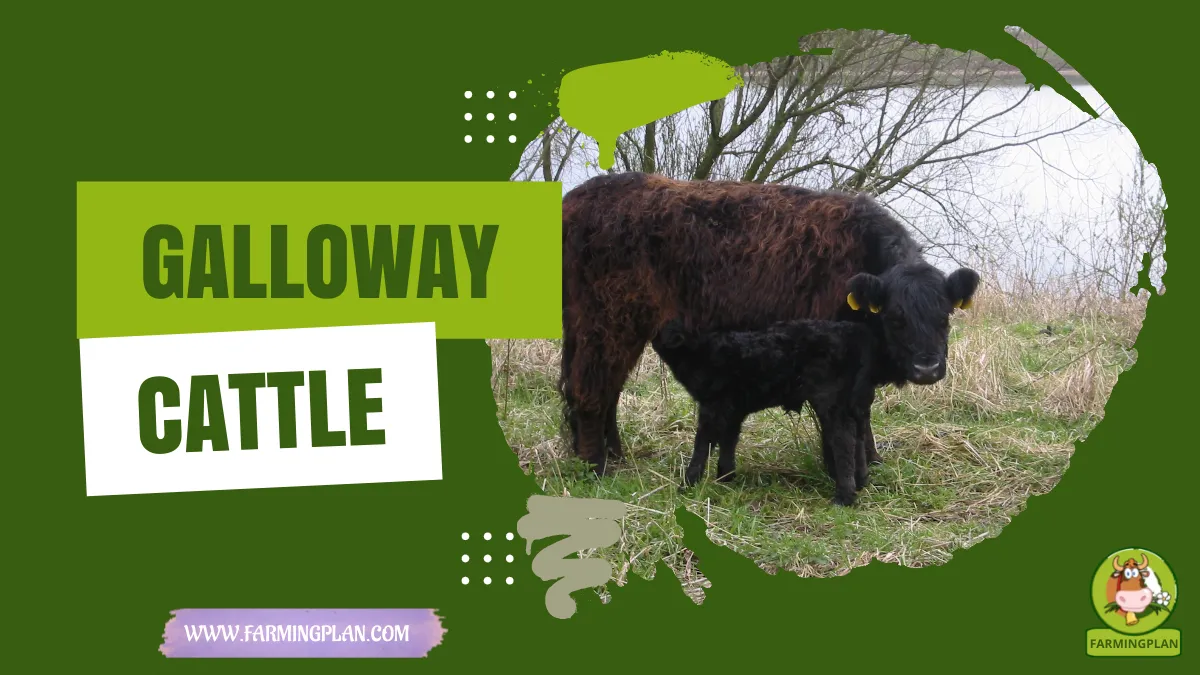
When you look at a herd of these animals, their unique physical traits immediately catch your eye. They sport a famous double haired coat that features a long, wavy outer layer to shed rain and a soft, mossy undercoat for warmth. This incredible insulation means they do not need to grow a thick layer of backfat to stay warm during freezing winter months. You can find them in several stunning colors, including solid black, dun, red, and the beautiful White Galloway variation.
Naturally Polled and Structurally Sound
You will never have to worry about dehorning these animals because they are a naturally polled breed. This dominant poll trait means they pass hornless characteristics down to their offspring even when you engage in cross-breeding. They have a medium frame with short, sturdy legs and deep bodies that maximize forage conversion. Adult Galloway cows typically weigh between 1,000 and 1,200 pounds, while mature bulls can easily reach 1,800 pounds.
The Famous Belties and Variations
The Belted Galloway cattle variation represents one of the most recognizable sights in the livestock world. Often called “Oreo cows,” these animals showcase a distinct white belt around their middle section. The Belted Galloway Society manages this specific branch, though they share the exact same rugged ancestry as their solid-colored cousins. Whichever variation you choose, you get an animal built for heavy grazing and total environmental resilience.
Nature / Temperament of Galloway Cattle
I love working with these animals because they possess a remarkably calm and gentle nature. They do not get spooked easily, which makes them incredibly safe for small-scale homesteaders and family farms. You can easily train them to come to a whistle or follow a bucket of sweet grain across the pasture. This docile temperament keeps my stress levels low and ensures a peaceful environment on the farm every single day.
Unmatched Maternal Instincts and Calving Ease
The cows excel as mothers and consistently rank at the top for natural maternal instincts. They experience legendary calving ease, meaning you rarely have to pull a calf in the middle of a cold night. The mothers produce rich milk that promotes rapid growth and outstanding calf survival rates in rough weather. They will fiercely protect their young from predators while remaining perfectly cooperative with human handlers they trust.
Smart Browsing and Social Habits
These animals maintain a highly organized social structure within the herd, which minimizes fighting and injuries. Their unique browsing ability allows them to explore pastures intelligently rather than sticking to one spot. They adapt quickly to new routines, rotational grazing systems, and regular handling protocols. If you treat them with kindness and respect, they will reward you with years of easy, predictable behavior.
Food & Diet of Galloway Cattle
You will save a massive amount of money on feed bills because these animals thrive on simple forage grasses. Their large, efficient digestive systems allow them to extract maximum nutrition from coarse weeds, brush, and low-quality hill pastures. While an Aberdeen Angus or Certified Angus Beef herd might struggle on poor brush, Galloways turn that rough vegetation into premium muscle. I rarely feed my herd expensive commercial grain because they simply do not need it to maintain body condition.
Smart Pasture Management and Winter Feeding
During the peak summer months, I utilize a free-range pasture setup that lets them utilize their natural browsing skills. When winter arrives and snow covers the ground, they will actually dig through the crust to find hidden grass. I supplement them with good quality grass hay and a basic mineral block to ensure they get proper micronutrients. You should always avoid overfeeding grain to this breed, as excess starches can ruin their natural lean carcass development.
Water Needs and Proper Supplementation
Clean, fresh water must remain available to your animals at all times of the day and night. Even though they handle cold weather easily, freezing temperatures require you to use tank heaters to keep water flowing. I always keep a loose mix of salt and selenium available, especially if your local soil lacks these essential minerals. Keep your feeding system simple, trust your pastures, and let their natural genetics do the hard work.
Usage / Purpose of Galloway Cattle
The absolute primary purpose of raising these animals is the production of exceptional, high-value Galloway Beef. Chefs around the world seek out this meat because it features exquisite marbling flecks throughout the muscle. This marbling creates a spectacular, juicy flavour that beats standard commercial beef in blind taste tests. The meat contains high levels of healthy Omega 3 fatty acid and an ideal balance of Omega 6 fatty acids.
Excellent Cross-Breeding Programs
Commercial ranchers love crossbreeding Galloway cows with other traditional breeds like Shorthorn bulls or Canadian Angus. This cross-breeding creates the famous Blue-Grey cross, an animal highly prized in the cattle trade for commercial feedlots. The resulting calves gain the incredible hardiness of the Galloway parent along with the fast growth rates of the sire. This crossbreeding strategy allows traditional cattlemen to boost their profit margins with minimal extra effort.
Small Homesteading and Creative Uses
Many farmers use the White Galloway or Belted varieties for pasture beauty, agritourism, and show competitions like the Sydney Royal Show. Their gentle nature makes them perfect for small-scale cheese production projects or weed mitigation work on overgrown land. The thick, beautiful Galloway coat can even be tanned after harvest to create valuable, warm robes and rugs. They fit perfectly into low-input farming systems designed for modern, climate-conscious customers.
Deep Dive into Carcass Merit and Yield
When we look at the financial side of running a beef operation, carcass yield determines our ultimate take-home pay. My experience with this heritage breed reveals a fascinating anatomical secret that surprises many commercial cattlemen. Because these animals rely on their dense, double-layered hair coat for cold-weather insulation, they do not need to develop a thick layer of external backfat. In traditional feedlot breeds, a massive amount of feed energy goes into producing waste fat that simply gets trimmed away on the butchering block. With our rugged Scottish friends, that energy goes directly into creating lean, beautifully distributed muscle meat instead.
Understanding the Hanging Weight Advantage
When you send an animal to the processor, you pay close attention to the transition from live weight to hanging weight. The exceptional depth of body and spring of rib in this breed translates to a remarkably high dressing percentage, often hovering between 60% and 62% on a pure grass diet. When I process a whole side of beef for my direct-to-consumer market, my clients always remark on how little waste fat ends up in the scrap bin. You get more actual, saleable retail meat cuts per pound of carcass weight compared to many mainstream commercial crosses. This high yield directly boosts your profit margins per animal, making your small-scale pasture operation highly competitive.
The Science Behind the Marbling Flecks
We cannot talk about carcass merit without diving into the beautiful marbling flecks that populate the ribeye muscle of these animals. Research from institutions like the USDA Meat Animal Research Center (MARC) at the Clay Center has shown that this breed naturally deposits intramuscular fat efficiently without requiring high-grain diets. This genetic trait means you can achieve a choice or prime grade carcass completely on free-range pasture and forage grasses. The marbling does not form in a thick, solid ring around the outside of the meat; rather, it weaves gently throughout the muscle fibers. This intricate internal distribution ensures that every single steak remains incredibly tender, juicy, and packed with authentic, old-school beef flavor.
Advanced Breeding Strategies and Genetics
While I absolutely love keeping a purebred herd of registered cattle, I also recognize the massive economic power of strategic cross-breeding. When you introduce a high-quality Shorthorn bull or a Canadian Angus sire to a group of purebred cows, magic happens in the pasture. This specific cross triggers an explosion of hybrid vigor, creating the legendary Blue-Grey maternal suckler cows. These crossbred daughters inherit the bulletproof winter hardiness and browsing ability of the mother, combined with the slightly faster frame growth of the sire. Commercial cattle buyers actively seek out these distinctive calves at auction houses, often paying a premium price because they know those animals will thrive in any feedlot system.
Utilizing the Dominant Polled Trait
As a pedigree breeder, one of my favorite genetic tools to work with is the absolute dominance of the hornless poll gene. If you use a registered, homozygous polled bull on a horned herd of traditional cattle, 100% of the resulting calf crop will be born completely hornless. This natural dehorning saves you an incredible amount of labor, reduces veterinary costs, and eliminates a major source of stress for young calves. Furthermore, hornless cattle can stand tightly packed around a winter feed bunk without the constant risk of bruising each other’s hides or causing painful puncture wounds. Managing a naturally hornless herd keeps your daily operational environment peaceful and safe for both the livestock and your family handlers.
Leveraging Modern Tools Like Embryo Transfer
To fast-track the genetic progress of your herd, you can utilize advanced reproductive technologies like Embryo Transfer (ET) and artificial insemination. I select my very best, top-performing mature cows—those with perfect udders, exceptional feet, and a history of high calf survival rates—to serve as donor dams. By flushing these elite cows and transferring their embryos into commercial recipient cows, we can multiply our best genetics in a single season. This strategy allows you to build up a high-value population of registered cattle much faster than relying solely on natural service. Keep immaculate pedigree records in your herd book, track your lineage diligently, and use modern science to preserve the best traits of this ancient breed.
Special Features of Galloway Cattle
The double-haired coat provides an unbelievable shield against extreme weather elements. These animals can stand comfortably in cold, wet climates that would send other beef cattle shivering into the barn. Because they rely on their hair coat for insulation instead of thick fat, they produce a very high hanging weight percentage. You get more clean meat and less wasted waste fat when you process a quarter, half, or whole side of beef.
Natural Resistance to Common Pests
Their thick skin and dense hair coat provide a natural physical barrier against biting flies, ticks, and lice. I notice far fewer pest problems in my herd compared to traditional short-haired commercial cattle breeds. This built-in protection reduces the need for chemical pour-on treatments and expensive veterinary interventions. Your animals stay comfortable and healthy while you keep your production costs beautifully low.
Long Productive Lifespans
Galloway cows live and produce healthy calves much longer than the industry average. It is common to see a fifteen-year-old cow successfully raising a fat, healthy calf every single year on the pasture. This incredible longevity means you do not have to replace your breeding stock nearly as often as other operations. You can sell more heifer calves as premium registered cattle instead of keeping them for herd replacements.
Health Issues & Prevention of Galloway Cattle
Avoiding Foot Rot and Structural Issues
Thanks to centuries of natural selection in wet Scottish bogs, these animals possess incredibly tough, dark hooves. They rarely suffer from foot rot or lameness, even when walking through muddy spring pastures. However, you must still maintain good pasture drainage and avoid forcing them to stand in deep mud for weeks. I inspect their feet visually during regular herd checks to catch any rare splits or rock punctures early.
Managing Internal Parasites Naturally
While they exhibit fantastic overall health, internal parasites can still impact young Galloway calves on pasture. I prevent heavy worm loads by utilizing strict rotational grazing methods to break the parasite life cycle naturally. You should sample manure occasionally to check worm egg counts before applying any chemical dewormers. Keeping your pastures tall and healthy prevents the animals from grazing too close to the ground where parasite larvae hide.
Protecting Against Common Bovine Viruses
You must maintain a basic vaccination schedule to protect your herd from widespread cattle diseases like BVD and respiratory viruses. Work closely with a local veterinarian to design a protocol that matches the specific disease risks in your geographic region. Keep a clean quarantine pen ready for any new animals you bring home from other pedigree breeders. Simple biosecurity steps will safeguard your investment and keep your herd thriving for decades.
Step-by-Step Farming Guide of Galloway Cattle
How to Build a Successful Livestock Operation From the Ground Up
Starting your own livestock journey requires a clear plan, solid preparation, and a deep understanding of your animals’ basic daily needs. I always emphasize that proper preparation before your cattle arrive prevents expensive mistakes and unnecessary stress later on. You do not need a massive, high-tech industrial facility to raise these beautiful heritage animals successfully. A simple, well-thought-out design that respects their natural instincts will yield amazing results for your family or business. I will share my step-by-step practical blueprint to help you establish a thriving pasture operation that runs smoothly throughout every season of the year.
Step 1: Secure Your Perimeter Fencing
You must build a strong, reliable boundary before you bring any animals onto your property. I prefer using a four-strand high-tensile wire system with a solar-powered electric charger to keep the cattle safely contained. Galloways respect electric fences very well because their thick coats require a strong pulse to feel the tickle through the hair. Make sure your fence lines avoid deep bogs where young calves could potentially get stuck or separated from their mothers. Check the entire perimeter once a month to clear fallen tree branches and repair loose wires quickly.
Step 2: Establish a Clean Water Source
Your animals require constant access to clean, fresh drinking water to stay healthy and maximize their daily weight gains. I set up heavy-duty stock tanks connected to a reliable well system or a clean, protected spring on my acreage. If you live in an area with freezing winters, install automated tank heaters to keep ice from sealing the water surface. Situate your water stations on high, gravel-packed ground to prevent muddy wallows from forming around the drinking area. Clean the tanks regularly to remove algae growth and ensure your livestock always enjoys crisp, inviting water.
Step 3: Source Your Foundation Breeding Stock
When you are ready to buy, look for reputable pedigree breeders who keep meticulous records through the national registry. I suggest starting with a small group of bred cows or a few high-quality heifers and a gentle, proven bull. Examine the animals closely to ensure they possess clear breed characteristics like a deep body, straight back, and a naturally polled head. Ask the seller for the animal’s pedigree records and verified health history before you finalize the purchase price. Starting with calm, well-handled foundation stock makes your daily farm chores an absolute pleasure.
Step 4: Implement a Rotational Grazing Routine
Divide your acreage into smaller pasture paddocks to make the most of your available forage grasses and clover. I move my herd to a fresh paddock every few days, which gives the grazed grass plenty of time to rest and regrow. This management technique maximizes your land’s carrying capacity and drastically reduces internal parasite problems in your cattle. The animals will quickly learn the routine and will eagerly wait by the gate whenever it is time to move. This system keeps your pastures lush, prevents soil erosion, and provides your herd with top-quality nutrition for free.
Read More: Przewalski Horse Comeback: A Wild Survivor’s Journey
Expert Tips & Best Practices of Galloway Cattle
- Avoid Overfeeding Grain: Let your animals grow naturally on high-quality pasture and hay to preserve the authentic, lean texture of Galloway meat.
- Handle Your Herd Quietly: Use slow, calm movements and a gentle voice to build trust and maintain their beautifully docile temperament.
- Keep Meticulous Registry Records: Always register your calves with the appropriate breed association to maximize their resale value as purebred breeding stock.
- Monitor Winter Body Condition: Feel through their thick, double-haired coat during winter to ensure they maintain good muscle mass underneath the fluff.
- Utilize Natural Browsing Skills: Use your herd to clear brushy, overgrown areas that traditional, sensitive cattle breeds would refuse to enter.
- Provide Simple Summer Shade: Give them access to shade trees or simple open sheds during extreme summer heatwaves to keep them cool.
- Network with Breed Societies: Join your local breed group to connect with experienced mentors and find eager buyers for your calves.
FAQs
Are Galloway cattle naturally aggressive?
No, these animals possess an incredibly gentle, calm, and docile temperament that makes them very safe to handle. They work beautifully for small-scale family farms, homesteaders, and youth livestock projects.
Do Galloway cattle have horns?
No, this breed is naturally polled, which means they are completely hornless right from birth. They pass this dominant trait down to their calves, saving you the trouble of dehorning.
Can Galloway cattle handle hot weather?
Yes, they adapt surprisingly well to warm climates by shedding their thick winter coat when spring arrives. They thrive across various regions, including hot areas throughout Australia and the southern United States.
How long do Galloway cows remain productive?
These cows enjoy exceptional longevity and frequently raise healthy calves well into their mid-teens. This long productive life reduces your need to purchase expensive replacement heifers.
What makes Galloway beef taste so good?
The meat features excellent natural marbling distributed evenly throughout the muscle, which creates an incredibly juicy, rich flavour. It also contains high levels of beneficial Omega 3 fatty acids from a grass-based diet.
Conclusion
Raising Galloway Cattle offers an incredibly rewarding path for farmers, homesteaders, and heritage breed enthusiasts alike. These magnificent, polled animals bring unmatched hardiness, exceptional maternal instincts, and premium grass-fed beef quality straight to your acreage. By choosing this historic Scottish breed, you invest in a low-input livestock operation that respects the environment and rewards your hard work with beautiful, delicious results. Their calm nature makes daily chores a true joy, while their unique double coat protects your investment from the harshest winter weather. Please leave a comment below to share your thoughts, ask questions, or connect with fellow cattle lovers across our growing farming community!