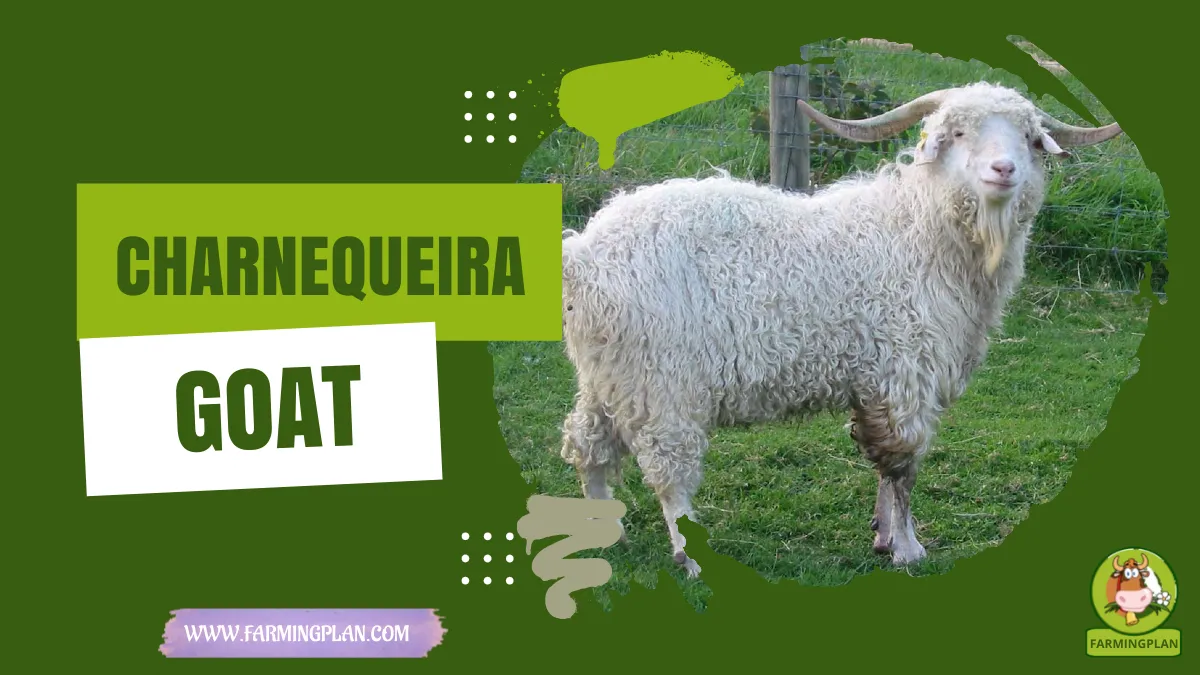
I love working with unique livestock, and the Charnequeira goat stands out as an amazing breed. This ancient heritage breed originates from Portugal and brings incredible strength to any homestead. As a farming specialist, I have worked with many Portuguese goat breeds, but this hardy animal holds a special place in my heart. They thrive in rugged environments, survive harsh weather, and provide both rich milk and high-quality meat. In this guide, I will share my personal experience to help you raise a healthy, thriving herd on your farm.
History & Origin of Charnequeira Goat
The Charnequeira goat comes from the dry, sunny regions of Portugal, particularly the Alentejo and Beira Interior regions. For centuries, local farmers relied on these animals to utilize dry scrub, native pastures, and woodland edge vegetation. These goats evolved alongside native species like the Iberian ibex and wild Capra aegagrus ancestors. They developed incredible endurance through traditional transhumance practices, where herds walked vast distances between seasonal pastures to find freshwater and green forage.
Historically, the breed split into distinct regional types, including the Alentejana and Beiroa varieties. Local breeders created the official herd book to maintain pure genetic lines and manage overall population records. Government groups like the Direccao-Geral de Pecuaria and the Banco Português de Germoplasma Animal step in to support genetic resource conservation. Programs like the Programa de Desenvolvimento Rural 2014-2020 protect these animals from extinction. Today, raising them supports regional agricultural economies and preserves rich cultural traditions across Mediterranean landscapes.
Read More: Faroese Duck Guide: Rare Heritage Breed Success
Characteristics of Charnequeira Goat
When you look at this breed, you immediately notice their magnificent lyre-shaped horns that sweep backward gracefully. Their coat color typically ranges from deep red to light chestnut, often showing beautiful shading along their backs. Adult bucks weigh between 60 to 70 kilograms, while adult does weigh around 40 to 50 kilograms. The average adult height at the withers ranges from 65 to 75 centimeters, giving them a sturdy, balanced frame built for tough terrain.
These medium-sized goats possess dense skin and strong hooves that resist rough ground and rocky paths. Their long heads feature direct expressions, alert eyes, and broad ears that drop slightly. They display great physical stamina and maintain low dystocia rates, meaning does give birth naturally with minimal human help. Their physical resilience makes them far easier to manage than delicate commercial breeds like the Boer goat, Kiko goat, or Murciana goat.
Nature & Temperament of Charnequeira Goat
These goats display a calm, alert, and independent personality that works well in extensive farming systems. They handle human contact nicely when you build trust early through daily interaction and quiet handling. They live comfortably in close-knit herds, establishing a clear social structure without excessive aggression toward herd mates or handlers.
Compared to nervous breeds, they remain composed during routine health checks and farm moves. Their strong foraging instinct keeps them busy all day, reducing boredom and fence-testing behaviors. They protect their young fiercely while maintaining a gentle disposition toward farm workers. Their practical, easygoing nature makes them ideal for both seasoned breeders and new homesteaders looking for a dependable animal.
Food & Diet of Charnequeira Goat
Proper nutrition forms the backbone of success when raising these strong animals. These efficient grazers thrive on low-input grazing systems, eating tough dry scrub, native flora, and thick shrubs that other livestock ignore. They convert rough vegetation into clean energy, making them perfect for vegetation management and fire prevention in dry brush zones.
- Native Pasture: Allow daily access to diverse grasses, weeds, and wild shrubs.
- Clean Hay: Provide good quality grass hay during dry winter months or droughts.
- Fresh Water: Keep clean, cool water available at all times to aid digestion.
- Essential Minerals: Offer free-choice loose minerals designed for goats to prevent deficiencies.
- Avoid Overfeeding: Limit rich grain mixes to prevent digestive problems like bloat.
During peak milk production or late pregnancy, supplement their diet with extra legumes or mild grain rations. Always avoid dusty, moldy hay or sudden diet changes that upset their rumen balance. I keep my feeding routine simple, consistent, and focused on natural grazing habits to ensure optimum health year-round.
Usage & Purpose of Charnequeira Goat
Farmers classify this traditional breed under dual-purpose ability, known locally as aptidão mista (leite/carne). They yield rich, flavorful milk that traditional artisans process into famous local products like Queijo da Beira Baixa and Transmontano Goat’s Cheese. Their lactation duration spans several months, providing steady production for home use or commercial cheese craft.
In meat production, they produce lean, high-quality meat with excellent flavor profiles. Young kids yield tender meat used in regional delicacies like Cabrito da Beira and Cabrito de Barroso. Beyond milk and meat, these goats excel at silvo-pastoral landscape management. They clear dense underbrush, lower parasite pressure on pasture land, and preserve the delicate balance of regional ecosystems.
| Purpose | Primary Output | Traditional Product Examples |
| Milk Production | Rich, high-fat goat milk | Queijo da Beira Baixa, regional artisanal cheeses |
| Meat Production | Lean, tender kid meat | Cabrito da Beira, Cabrito de Barroso |
| Land Management | Brush clearing & fire prevention | Silvo-pastoral ecosystem control |
Special Features of Charnequeira Goat
This breed holds incredible adaptations that set it apart from popular commercial livestock like the Halep goat or Verata goat. They withstand blistering summer heat and sudden temperature drops without dropping body condition rapidly. Their natural foraging instincts allow them to extract vital nutrients from sparse, rocky soils where standard grass fails to grow. Discover how to raise the Charnequeira goat successfully.
Their strong genetic base grants them natural defense against common environmental stresses and local diseases. Their unique horn structure aids in heat regulation during scorching summer afternoons on open fields. Breeders display these magnificent animals at regional fairs like Faceco, where judges celebrate pure breed standards. Their genetic resilience offers vital tools for sustainable farming amidst changing global climates.
Health Issues & Prevention of Charnequeira Goat
Even hardy breeds require consistent veterinary care and smart preventative management. These goats face typical livestock challenges like internal parasites, foot rot, and seasonal respiratory infections. High parasite pressure occurs when herds graze damp pasture land continuously without proper pasture rotation strategies.
I implement strict quarantine protocols for new arrivals to protect my main herd from introduced illnesses. Inspect hooves monthly and trim them regularly to avoid painful hoof infections and lameness. Schedule regular fecal tests to monitor parasite loads before administering targeted dewormers. Keep housing dry, clean, and well-ventilated to prevent pneumonia during damp weather seasons.
“Proper Care And Deep Respect For Native Breeds Always Transform A Simple Farm Into A Thriving Legacy.”
Step-by-Step Farming Guide of Charnequeira Goat
Starting your herd requires careful planning, hard work, and step-by-step execution. I built my management system over many years of trial and error on the farm. Follow these proven steps to establish a safe, healthy, and profitable operation from day one.
Step 1: Secure Proper Shelter and High-Quality Fencing
Before bringing animals home, build a secure perimeter to protect them from wild predators and keep them from wandering off. Install strong four-foot woven wire fencing with heavy-duty wooden posts spaced tightly together. Build a dry, three-sided shelter that blocks harsh prevailing winds and keeps rain off their bedding. Provide clean straw or wood shavings on the floor to maintain warmth and absorb moisture effectively. Ensure proper high-level ventilation to keep airflow moving without creating cold floor drafts.
Step 2: Establish Pasture Management and Grazing Rotation
Divide your available acreage into smaller paddocks using interior cross-fencing or electric fence lines. Rotate your animals through these paddocks every few weeks to break parasite life cycles and allow native plants to recover. Introduce your herd to native pastures gradually to avoid sudden digestive upsets from rich spring growth. Clear toxic plants from the pasture perimeter before opening new grazing sections to your herd. Monitor forage heights continuously, moving stock when plants graze down to three inches tall.
Step 3: Implement Daily Health Inspections and Care Routines
Check every animal visually twice a day during morning and evening feeding routines. Watch their movement for subtle signs of lameness, lethargy, droopy ears, or separation from the main herd. Examine eyes and gums using the FAMACHA scale to spot anemia from internal parasites early. Clean and refill water troughs daily to prevent bacterial growth and stop algae blooms. Maintain accurate health records, recording vaccination dates, deworming treatments, and breeding dates systematically.
Read More: Antwerp Pigeon Master Breeding Success Now
Expert Tips & Best Practices for Success of Charnequeira Goat
Managing a native breed requires practical skills, keen observation, and consistent effort. I always share these core lessons with new farmers joining local breeding groups or regional agricultural programs:
- Observe Herd Behavior: Spend twenty minutes daily watching your animals interact without disturbing them.
- Prioritize Hoof Trimming: Keep hoof shears sharp and trim hooves every six to eight weeks consistently.
- Support Local Associations: Join groups like the Associação de Produtores Agropecuários or Ovibeira for expert guidance.
- Breed for Quality: Select breeding bucks with strong backs, correct horn shapes, and solid feet.
- Work with Specialists: Partner with regional experts like Pedro Cardoso to preserve pure genetic lines.
- Maintain Clean Bedding: Add fresh straw weekly to reduce ammonia fumes and keep udders clean.
FAQs
What makes the Charnequeira goat unique compared to other breeds?
This breed stands out for its high heat tolerance, lyre-shaped horns, and exceptional adaptation to dry environments. They thrive on sparse brush and produce rich milk used for regional artisanal cheeses.
How much space does a Charnequeira goat need?
Each animal requires roughly 250 to 500 square feet of pasture space if you manage rotational grazing carefully. They perform best when given access to extensive brush land and open acreage.
What do Charnequeira goats eat daily?
They eat dry scrub, native grasses, wild shrubs, and high-quality grass hay. You should also supply fresh water and free-choice minerals every single day.
Is the Charnequeira goat endangered?
Yes, conservation groups classify them as a rare native breed needing genetic protection. Organizations work actively through gene banks to preserve their overall population numbers.
Are Charnequeira goats good for milk or meat?
They serve as a dual-purpose breed that produces high-fat milk and tender meat. Farmers prize them for making traditional regional cheeses and high-value kid meat.
Conclusion
The Charnequeira goat represents a perfect mix of ancient heritage, tough physical resilience, and practical agricultural value. By raising these beautiful animals, you support biodiversity, protect rare genetic resources, and produce clean milk and meat for your local community. Whether you manage a small homestead or run a large silvo-pastoral operation, these rugged goats will serve your farm reliably for years to come. What step will you take today to support heritage livestock on your own farm? Share your thoughts in the comments below, or contact your local breeding association to get started!