

⚡ Rabbit Breeds at a Glance: Functional Classes & Biological Benchmarks
| Recognized Breed Count | 51 official breeds recognized by the American Rabbit Breeders Association (ARBA); over 300 worldwide |
| Primary Operational Classes | Commercial fryers (meat), luxury textile fiber (wool), specialized fur (pelt), exhibition pets |
| Commercial Fryer Standard | 5.0 lbs (2.27 kg) live body weight achieved at 8 to 10 weeks; 58% to 62% dressed carcass yield |
| Average Meat Doe Prolificacy | 6 to 8 litters per year; averaging 7 to 10 robust kits per litter (weaning 45+ fryers annually) |
| Fiber Production Benchmark | Giant and French Angoras yield 12 to 16 ounces (340–450 g) of premium fine wool annually |
| Mature Weight Spectrum | Ranging from tiny Netherland Dwarfs (2.0–2.5 lbs) to colossal Flemish Giants (15–22+ lbs) |
| Fur Specialization Trait | Rex rabbit hair mutation causes guard hairs to stand flush with dense undercoat, creating velvet texture |
| Average Commercial Feed Conversion | 3.0:1 to 3.5:1 feed conversion ratio (FCR) on pelleted commercial rations from weaning to fryer weight |
Selecting the proper genetic line represents the foundational cornerstone of any rabbitry venture. Domestic rabbits (Oryctolagus cuniculus) have been selectively bred across centuries into specialized physical varieties, spanning muscular commercial meat producers, ultra-soft luxury fiber spinners, and placid domestic companion animals. Aligning your operational goals with breed characteristics ensures efficient feed conversion and steady revenue. Providing adequate space and ventilation prevents common stress issues in rabbit breeds.
Whether you are establishing a homestead meat battery, breeding show champions, or supplying pet markets, each rabbit breed brings distinct feed requirements, maternal temperaments, and housing demands. Navigating breed management through our comprehensive rabbit farming guide helps producers establish healthy, productive herd lines designed for sustainable production. Understanding breed-specific traits helps maximize rabbit breeds longevity and output.
Novice breeders often struggle by selecting oversized show giants for meat production or choosing high-strung novelty breeds for commercial facilities. Matching cage dimensions, temperature controls, and breeding intervals to your chosen variety prevents herd stress and maximizes kit weaning rates. This guide breaks down the world’s leading rabbit breeds across commercial meat, fiber, fur, and companion categories. Routine preventive care saves time and lowers veterinary costs for rabbit breeds.
Lagomorph Classification & Breed Selection Matrix
Breed standards evaluate lagomorphs across body type (commercial, compact, semi-arch, full arch, and cylindrical), coat structure (standard, rex, satin, and wool), and mature adult weight. In commercial meat systems, commercial body types dominate because their deep loins, wide shoulders, and light bone mass yield superior meat-to-bone ratios. Review nutritional requirements across breeds in our rabbit feeding guide. Matching forage or ration quality to life stage optimizes rabbit breeds growth.
📊 Major Commercial & Heritage Rabbit Breed Comparison
| Breed Name | Primary Functional Role | Mature Adult Weight | Body Conformation Type | Commercial Trait Highlights |
|---|---|---|---|---|
| New Zealand | Commercial Meat & Laboratory | 10.0 – 12.0 lbs | Commercial | Gold standard meat breed; rapid growth, exceptional maternal milk |
| Californian | Commercial Meat & Fur | 9.0 – 10.5 lbs | Commercial | Broad shoulders, high meat-to-bone ratio, dense white pelt |
| Rex | Commercial Fur & Meat | 8.0 – 10.5 lbs | Commercial | Velvety guard-hairless pelt; premium fur pricing; lean carcass |
| Flemish Giant | Heritage Meat & Exhibition | 15.0 – 22.0+ lbs | Semi-Arch (Mandolin) | Docile temperament, heavy bone mass, slow maturation rate |
| French Angora | Luxury Fiber Production | 7.5 – 10.5 lbs | Commercial (Wool) | Low-maintenance wooling; harvested by natural plucking or shearing |
| Netherland Dwarf | Exhibition & Companion Pet | 2.0 – 2.5 lbs | Compact | High pet market demand, low feed consumption, small litters |
Commercial Meat Breeds: Fast Growth & Carcass Yield
Commercial fryer production demands rapid daily gain, minimal feed conversion, and a plump, well-muscled carcass by 8 to 10 weeks of age. Two breeds form the undisputed foundation of global commercial rabbitries: the New Zealand and the Californian. To evaluate alternative bloodlines and practical management routines, check our Enderby Island Rabbit overview. Gradual dietary transitions protect digestive stability in rabbit breeds.
New Zealand White: The Industry Workhorse
The New Zealand rabbit is the undisputed champion of commercial rabbit meat production. Originally developed in California despite its name, the New Zealand White features a blocky commercial body type, dense pink meat, and a fine-boned skeleton that yields dressing percentages exceeding 60%. Does are prolific mothers, routinely raising litters of 8 to 12 kits while producing heavy milk yields. Selecting healthy foundation stock is the cornerstone of successful rabbit breeds management.
Californian: High Meat-to-Bone Density
Developed by crossing Chinchilla, Himalayan, and New Zealand White lines, the Californian rabbit is recognized by its pure white coat accented by dark Himalayan points on the nose, ears, feet, and tail. Californians mature slightly faster than New Zealands, offering exceptionally broad loins and dense muscling across the hindquarters. Pairing Californian bucks with New Zealand does produces premier hybrid meat fryers. Good predator-proofing and dry bedding safeguard rabbit breeds comfort in harsh weather.
Luxury Fiber & Pelt Breeds: Angora & Rex Genetics
Specialty fiber and fur rabbits provide lucrative high-margin micro-farming opportunities. Rather than competing in commodity meat markets, fiber producers harvest value-added luxury textiles for hand spinners and specialty apparel artisans. Monitoring water quality and mineral balance directly benefits rabbit breeds vitality.
Angora Rabbits: The Elite Wool Spinners
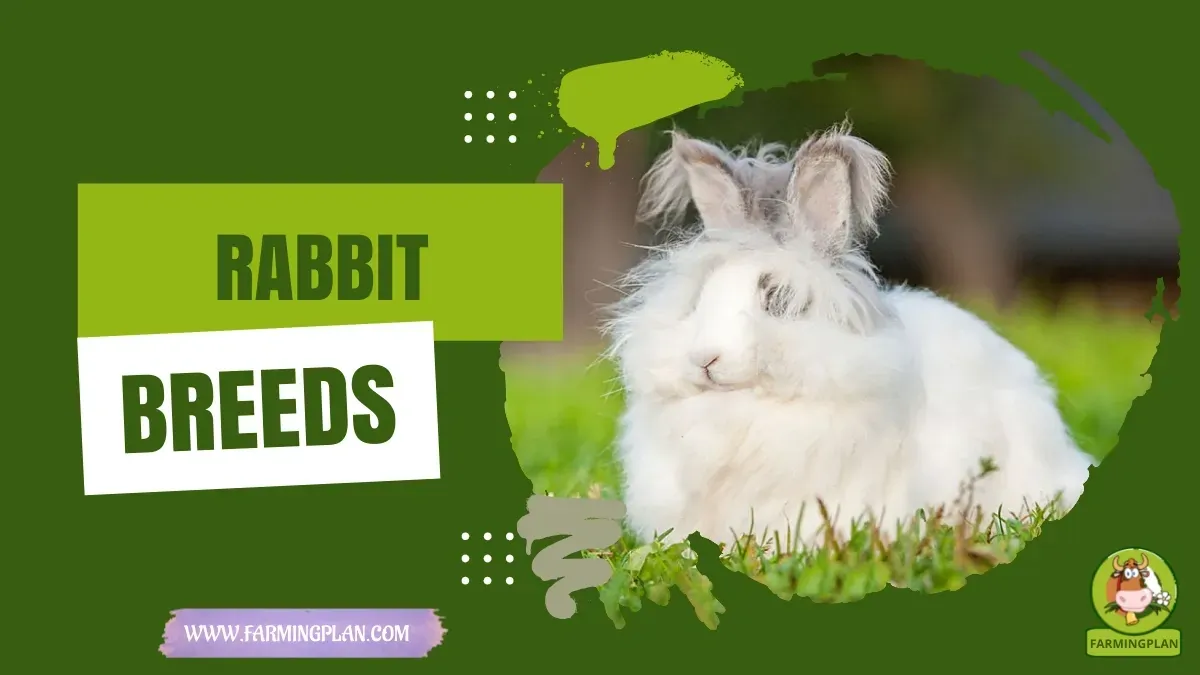
Angora breeds—including English, French, Satin, and Giant Angoras—produce ultra-fine luxury wool measuring 12 to 16 microns, softer and warmer than cashmere. The Angora rabbit requires meticulous grooming and high-protein nutrition (18% crude protein) to sustain continuous fiber growth. English Angoras feature facial wool furnishings requiring daily brushing, while French and Giant Angoras possess guard-hair-rich coats that harvest smoothly through gentle seasonal plucking or clipping. Practical hands-on husbandry ensures consistent results when raising rabbit breeds.
Rex Rabbits: The Velveteen Pelt Standard
The Rex rabbit carries a unique recessive genetic mutation that causes guard hairs and undercoat hairs to grow to the exact same length (approximately 0.5 inches), standing perpendicular to the skin. This creates a dense, plush fur resembling velvet or sheared beaver. Rex rabbits combine dual-purpose commercial meat conformation with premium hide value, commanding premium prices from furriers and crafters. Early intervention at the first sign of lethargy protects overall rabbit breeds flock or herd health.
Giant Draft Breeds: Flemish Giant & Large Heritage Lines
Giant rabbit breeds capture immense popular fascination due to their dog-like dimensions and docile personalities. While their historical origin involved utility meat production in Belgium and northern France, modern giants serve primarily as exhibition animals and gentle farm companions.
The Flemish Giant rabbit frequently reaches lengths of 2.5 to 3.0 feet and mature weights of 15 to 22 pounds or more. While they yield large carcasses, their heavy bone structure, high feed consumption, and slow maturation timeline (requiring 10 to 12 months to reach adult scale) make them less feed-efficient for commercial fryer production than New Zealands. Giants require reinforced wooden pens or deep-bedded floor housing, as standard wire cage floors cause severe hock sores under their heavy weight. Review pen blueprints in our rabbit housing guide. Structured culling and biosecurity protocols strengthen rabbit breeds genetic quality.
Companion & Dwarf Breeds: Holland Lop & Netherland Dwarf
Compact and dwarf rabbit breeds dominate the companion pet trade and competitive exhibition circuits. Their small body size requires minimal cage space and reduces daily feed consumption to just 1.5 to 2.5 ounces of pellets daily, making them exceptionally cost-effective to maintain. Maintaining clean feeders and sanitized equipment supports sustainable rabbit breeds care.
The Netherland Dwarf rabbit weighs just 2.0 to 2.5 pounds, possessing a rounded head, short erect ears, and energetic personality. In contrast, the Holland Lop and Dutch rabbit are celebrated for their laid-back, affectionate temperaments, making them the top choice for family pets. For official breed standards, show registration guidelines, and rabbitry sanctioned shows, consult the American Rabbit Breeders Association (ARBA) Official Portal. Consistent daily observation helps keepers spot early changes in rabbit breeds health and behavior.
Dwarf breeds are more susceptible to dental malocclusion and digestive upsets due to their shortened skulls. Monitor health carefully using our comprehensive clinical rabbit diseases guide. Clean housing, fresh water, and balanced nutrition remain essential for rabbit breeds productivity.
Commercial Crossbreeding & Hybrid Vigor (Heterosis)
Commercial meat production rarely relies on purebred lines alone. Implementing a structured terminal crossbreeding program captures heterosis (hybrid vigor), boosting fryer growth rates by 8% to 12% and increasing kit survival rates. Purebred New Zealand White does are crossed with Californian or Altex terminal bucks. Tracking feed intake and body condition supports long-term rabbit breeds performance.
This cross combines the heavy milk production and maternal instincts of the New Zealand dam with the wide muscling and rapid bone calcification of the sire line. All hybrid offspring are grown out directly for meat marketing, while purebred replacement does are produced in dedicated breeding pens to maintain genetic purity. Following biosecurity best practices reduces disease risk in any rabbit breeds operation.
Rabbitry Enterprise Budgets & Financial Comparison
Economic returns vary significantly based on your chosen breed specialization. While commercial meat fryer production offers rapid turnaround, luxury fiber and pedigreed show stock command much higher per-unit margins. The comparison below illustrates financial models for three 10-doe rabbitry operations. Seasonal adjustments to shelter and diet keep rabbit breeds thriving year-round.
💰 10-Doe Commercial Rabbitry Annual Financial Breakdown
| Operational Model | Primary Breed Foundation | Annual Operating Expenses | Annual Gross Revenue | Net Profit Potential |
|---|---|---|---|---|
| Commercial Meat Fryers | New Zealand White x Californian | $2,400 – $3,100 (Pellets, hay, processing) | $6,800 – $8,500 (350 fryers sold @ $20–$25 ea) | $3,700 – $5,400 |
| Specialty Angora Fiber | French or Giant Angora | $1,800 – $2,300 (High-protein feed & grooming) | $5,200 – $7,000 (Raw wool & spun yarn sales) | $3,400 – $4,700 |
| Pedigreed Companion Pets | Holland Lop / Netherland Dwarf | $1,400 – $1,800 (Pellets, hay, pedigrees) | $6,000 – $9,000 (90 kits sold @ $65–$100 ea) | $4,600 – $7,200 |
🐇 Rabbit Daily Hay & Pellet Calculator
Calculate daily Timothy hay (unlimited bulk), pellet rations, fresh greens, and clean water intake for your Rabbit.
Frequently Asked Questions (FAQ)
What is the absolute best rabbit breed for meat production?
The New Zealand White is universally recognized as the best meat rabbit breed. They possess an optimal commercial body type, fine bones, heavy meat-to-bone ratio, and rapid growth, reaching 5-pound fryer weight in 8 to 10 weeks while yielding large, robust litters.
How big do Flemish Giant rabbits get?
Flemish Giant rabbits typically weigh between 15 and 22 pounds, with exceptional individuals exceeding 25 pounds and measuring over 2.5 to 3 feet in length. They require specialized extra-large hutch dimensions or solid-floor pens to prevent painful foot hock sores.
Which rabbit breed has the softest fur for spinning wool?
Angora rabbit breeds produce the softest fiber, with wool fibers measuring between 12 and 16 micronsu2014significantly finer and warmer than sheep wool. The French Angora and Giant Angora are the most popular choices for commercial spinning and raw fiber harvest.
What makes the Rex rabbit coat unique?
The Rex rabbit possesses a genetic mutation that causes guard hairs to remain short and flush with the dense undercoat. This creates an extraordinarily plush, velvety texture that feels like sheared velvet and commands premium pricing in the fur and pelt industry.
What is the calmest and most friendly rabbit breed for children?
Holland Lops, Dutch rabbits, and Flemish Giants are known for being the calmest and most docile breeds. Their laid-back temperament, tolerance for gentle handling, and affectionate dispositions make them ideal companion pets for families and children.
Can you cross Californian and New Zealand rabbits?
Yes, crossing Californian bucks with New Zealand White does is the industry standard for commercial fryer production. The resulting F1 crossbred kits demonstrate hybrid vigor (heterosis), achieving faster daily weight gains and superior carcass dressing percentages.
Expert Summary & Breed Selection Roadmap
Successful rabbit farming starts with matching functional genetic characteristics against your market objectives. Commercial producers maximize revenue per cage through high-turnover New Zealand and Californian crossbred lines, while fiber and pelt crafters capture artisan margins through Angoras and Rex lines. Proper record-keeping makes breeding and culling decisions easier for rabbit breeds keepers.
By investing in registered foundation breeding stock, designing well-ventilated housing suited to your breed’s frame size, and maintaining clean biosecurity, producers establish a durable, high-producing rabbitry operation. Providing adequate space and ventilation prevents common stress issues in rabbit breeds.
Expert Verdict & Next Steps for Rabbit Breeds Keepers
Successful management of Rabbit Breeds hinges on rigorous adherence to species-specific housing dimensions, precision daily nutrition, and proactive biosecurity protocols. Whether you are managing commercial production or establishing a self-sufficient homestead breeding flock, maintaining disciplined husbandry standards ensures long-term vitality, exceptional output yields, and sustainable enterprise profitability. Understanding breed-specific traits helps maximize rabbit breeds longevity and output.
By pairing predator-proof shelter infrastructure with high-quality rations and regular veterinary wellness monitoring, growers can confidently optimize productive longevity across all life stages. For comprehensive operational management blueprints and companion breed guides, explore our complete technical library in Farming Plan Agricultural Guides.
📚Agricultural Reference & Scientific Citations
Standards and physiological data referenced in this guide comply with American Rabbit Breeders Association (ARBA), USDA APHIS Animal Health, and the FAO Domestic Animal Diversity Information System.


