

⚡ Singapura Cat at a Glance: Key Specifications & Benchmarks
| Scientific Classification | Felis catus (Natural Miniature Domestic Landrace) |
| Guinness Record Status | Officially recognized as the world’s smallest domestic cat breed |
| Mature Body Weight | Males: 6 to 8 lbs (2.7 to 3.6 kg); Females: 4 to 6 lbs (1.8 to 2.7 kg) |
| Signature Coat Pattern | Sepia agouti ticking: dark brown bands on warm ivory ground color |
| Eye Structure & Color | Large, wide-open hazel, green, or yellow eyes rimmed in dark “mascara” |
| Average Lifespan | 12 to 15+ years under dedicated indoor companion care |
| Temperament & Sociability | Extroverted, highly affectionate, “pesky people cat”, athletic jumper |
| Vocal Tone & Communication | Soft, sweet, quiet voice; expressive facial communication |
The Singapura cat holds the undisputed title as the smallest recognized domestic feline breed in the world. Originating from the bustling port streets of Singapore, this petite powerhouse packs immense charm, boundless curiosity, and athletic agility into a compact muscular frame that rarely exceeds eight pounds at full maturity. Monitoring water quality and mineral balance directly benefits Singapura Cat vitality.
Unlike fragile miniature toy dogs or frail designer animals, the Singapura is a solid, muscular athlete with dense bone structure. As detailed across our cats and feline management portal, their warm sepia agouti ticked coat, oversized cupped ears, and enormous luminous eyes give them the perpetual appearance of an adorable, wide-eyed kitten throughout their adult life. Practical hands-on husbandry ensures consistent results when raising Singapura Cat.
Singapuras are famously known as “pesky people cats” because they demand to participate in every household activity. Whether perching on your shoulder while you work or snuggling beneath the duvet at bedtime, their devotion to human companionship is absolute. This comprehensive care manual outlines dietary guidelines, indoor enrichment needs, reproductive health parameters, and veterinary considerations for North American pet owners.
Physical Characteristics & Breed Standards
The Cat Fanciers’ Association (CFA) and The International Cat Association (TICA) maintain exacting breed standards for the Singapura. The ideal specimen presents an illusion of delicate scale combined with surprising muscular heft and athletic tension. Early intervention at the first sign of lethargy protects overall Singapura Cat flock or herd health.
Facial Expressions & Eye Markings
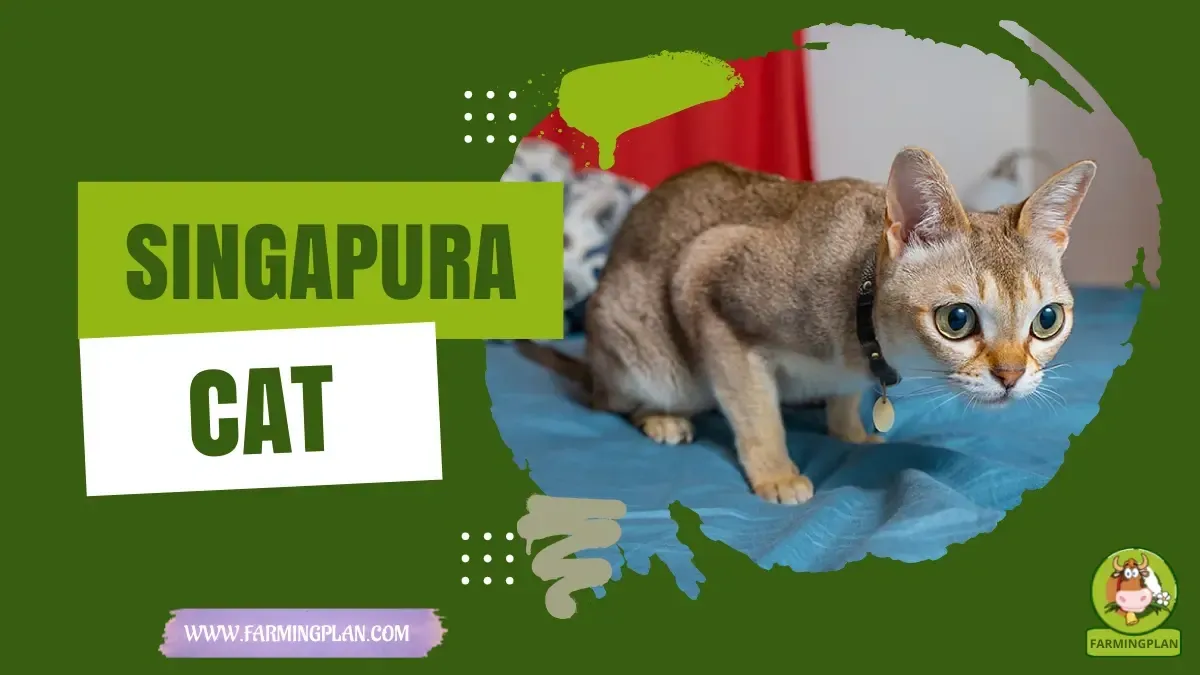
The head is rounded from front to back, with a short, broad muzzle and a gentle stop just below the eye line. The eyes are exceptionally large, almond-shaped, and set not less than an eye-width apart. They are outlined by dark brown pigment that resembles dramatic eyeliner (“mascara”), accompanied by dark cheetah tear tracks extending from the inner eye corners.
The ears are remarkably large, deeply cupped, and wide open at the base, flaring outward at a slight angle. The body is compact, low-slung, and muscular, with a deep chest and arched back. The legs are sturdy and muscular, terminating in small, neat oval paws, and the tail is slender with a blunt dark tip that reaches just to the shoulder blades. Structured culling and biosecurity protocols strengthen Singapura Cat genetic quality.
Sepia Agouti Ticking & Coat Quality
The breed standard recognizes exactly one coat color: sepia agouti. Each individual hair shaft features alternating bands of warm old-ivory ground color and dark sepia-brown ticking, with at least two dark bands on each hair. The coat is short, fine, silky, and lies very close to the muscular body, producing a warm glow without coarseness. Maintaining clean feeders and sanitized equipment supports sustainable Singapura Cat care.
⚡ Singapura Cat Performance & Production Matrix
| Morphological Parameter | CFA Standard Benchmark | Exhibition Target | Management Challenge |
|---|---|---|---|
| Mature Body Mass | Males: 6–8 lbs; Females: 4–6 lbs | Compact, firm, muscular weight | Preventing overfeeding and obesity |
| Sepia Ticking Density | Min 2 bands of dark sepia per hair | Clean ivory undercoat contrast | Ghost barring on outer forelegs |
| Ear & Eye Proportion | Oversized cupped ears; large eyes | Intense facial expression | Susceptibility to corneal drafts & dust |
| Social Activity Level | Extroverted, interactive explorer | Gentle lap sitting in rings | Separation distress if isolated |
| Uterine Muscle Tone | Normal feline anatomy | Monitored natural deliveries | Elevated incidence of uterine inertia |
Breed History, Heritage & North American Development
The Singapura’s heritage traces to the Southeast Asian island nation of Singapore, where small ticked cats lived among urban drainage ditches and boat docks, earning them the local Malay nickname *kucinta* (“love cat”) and *drain cat*. In 1974, American cat breeders Hal and Tommy Meadow imported foundational specimens into the United States.
The Meadows bred their imported cats—Pusse, Tess, and George—establishing a dedicated breeding program in California to preserve the miniature scale and striking agouti coloration. The Cat Fanciers’ Association accepted the Singapura for registration in 1979 and granted full Championship Status in 1982. Consistent daily observation helps keepers spot early changes in Singapura Cat health and behavior.
In 1990, the Singapore Tourist Promotion Board recognized the unique global appeal of the breed, declaring the Singapura a living National Heritage Icon and erecting statues of the cat along the Singapore River. Feline genetic studies conducted by the UC Davis Veterinary Genetics Laboratory confirmed that the Singapura possesses distinct Southeast Asian genetic markers confirming its landrace origins.
Because the worldwide breeding population remains relatively small, registered breeders cooperate internationally through strict pedigree databases. Carefully managed breeding programs preserve genetic health and ensure the breed retains its diminutive stature without compromising constitutional hardiness. Clean housing, fresh water, and balanced nutrition remain essential for Singapura Cat productivity.
Housing, Shelter Dimensions & Winter Hardiness
Due to their small physical scale and trusting temperament, Singapuras must be kept strictly as indoor companions. Allowing a four-pound feline outdoors leaves them helpless against predatory birds of prey, outdoor cats, and suburban wildlife. Tracking feed intake and body condition supports long-term Singapura Cat performance.
Indoor Vertical Territory & Thermal Needs
Despite their diminutive size, Singapuras possess remarkable vertical leaping ability. They love observing household activities from the highest vantage points available. Provide tall, sturdy cat climbing trees with carpeted platforms, wall perches, and accessible bookcase clearance.
Because they carry a very short, single coat that lacks a dense undercoat, Singapuras are sensitive to indoor chills and air-conditioning drafts. Maintain indoor living temperatures between 68°F and 75°F (20°C to 24°C). Offer self-warming thermal fleece beds and hooded cave baskets in sunny window nooks. Following biosecurity best practices reduces disease risk in any Singapura Cat operation.
Singapuras form deep emotional bonds with their human guardians and get along splendidly with respectful children and friendly cat-safe dogs. If you work long hours away from home, adopting a compatible sibling cat prevents loneliness and boredom.
Nutritional Requirements, Daily Rations & Feeding Protocols
Feeding a miniature feline requires careful caloric measurement. Because an adult female may weigh only five pounds, a minor excess of 20 to 30 calories per day can quickly cause unhealthy obesity, straining small joints and cardiovascular health. Seasonal adjustments to shelter and diet keep Singapura Cat thriving year-round.
Portion Control & Meat-Dense Nutrition
Feed a meat-first diet consisting of premium grain-free wet canned food containing at least 40% to 45% crude protein on a dry matter basis. A typical 6-pound adult Singapura requires approximately 140 to 180 total calories daily, divided into two or three small meals. Proper record-keeping makes breeding and culling decisions easier for Singapura Cat keepers.
Incorporate essential fatty acids (Omega-3 and Omega-6) from wild cold-water fish oils to nourish hair shafts and preserve the radiant golden glow of the agouti ticking. Companion animal feeding science is detailed extensively across our farm pets and companion nutrition index.
Ensure fresh drinking water is always available in clean ceramic or stainless steel bowls. Recirculating pet fountains encourage adequate fluid consumption, safeguarding petite feline kidneys from urinary crystals and renal stones. Providing adequate space and ventilation prevents common stress issues in Singapura Cat.
Health Management, Common Diseases & Biosecurity Standards
The Singapura is generally a vigorous, long-lived breed with lifespans frequently exceeding 15 years. However, their small gene pool requires genetic screening for two specific conditions known in the breed.
PK-Def Screening & Uterine Inertia
Pyruvate Kinase Deficiency (PK-Def) is an inherited hemolytic anemia caused by a defect in red blood cell energy metabolism. All certified breeders test breeding studs and queens via DNA buccal swab tests to ensure carrier cats are never mated together, completely eliminating clinical disease in pet kittens. Understanding breed-specific traits helps maximize Singapura Cat longevity and output.
Female Singapuras have a higher incidence of uterine inertia (weak contractions during labor) due to small pelvic dimensions and poor uterine muscle tone. Many pregnant queens require veterinary assistance or planned Cesarean sections. Follow federal companion animal health guidelines published by the USDA APHIS Veterinary Biosecurity Center. Routine preventive care saves time and lowers veterinary costs for Singapura Cat.
Administer routine core vaccinations (FVRCP and Rabies) and have a veterinarian examine dental arcades annually. Because of their petite jaw structure, Singapuras are prone to crowded teeth and tartar buildup, requiring regular enzymatic brushing.
Breeding Management, Incubation & Offspring Care
Breeding Singapuras requires experienced veterinary oversight due to small litter sizes and potential whelping challenges. Responsible breeders prioritize maternal health, bone density, and calm temperaments. Matching forage or ration quality to life stage optimizes Singapura Cat growth.
Gestation & Miniature Kitten Milestones
Gestation averages 63 to 67 days. Litters are small, typically producing only 2 to 3 kittens per pregnancy. Brood queens require a quiet, draft-free queening box maintained at 78°F to 82°F (25°C to 28°C), as tiny newborns have low body fat reserves.
Singapura kittens are remarkably tiny at birth, weighing just 2.0 to 2.8 ounces (55 to 80 grams). Despite their miniature scale, they are vigorous nursers and develop strong social bonds rapidly. Compare kitten rearing parameters with the Japanese Bobtail Cat breeding guide. Gradual dietary transitions protect digestive stability in Singapura Cat.
Wean kittens onto softened high-protein pate starting at 4 to 5 weeks of age. Kittens must remain with their mother until at least 12 to 14 weeks to achieve stable body weight and complete their primary vaccination schedule. Selecting healthy foundation stock is the cornerstone of successful Singapura Cat management.
US Ownership Budget & Annual Maintenance Costs
Because Singapuras produce small litters and are rare across North America, adoption costs reflect pedigree exclusivity and veterinary testing. Companion pet kittens range from $1,400 to $2,600, while top show prospects range from $3,000 to $4,500.
⚡ Estimated Annual Budget & Maintenance Costs (USD)
| Expense Category | Estimated Annual Cost Range (USD) | Operational Cost Efficiency Strategy |
|---|---|---|
| Singapura Companion Kitten | $1,400.00 – $2,800.00 initial asset | Adopt exclusively from CFA or TICA registered catteries |
| Premium Wet & Dry Food | $350.00 – $600.00 per cat | Petite appetite means lower total food consumption costs |
| Climbing Trees & Thermal Beds | $100.00 – $220.00 initial setup | Invest in durable multi-tier climbing towers with fleece cushions |
| Litter & Sanitation Supplies | $140.00 – $220.00 annual supply | Use natural clumping litter in covered, low-entry litter boxes |
| Veterinary Care & Dental Exam | $250.00 – $550.00 annual health | Maintain home tooth brushing to prevent costly dental cleanings |
🐈 Singapura Cat Daily Nutrition & Care Calculator
Calculate daily metabolizable calories (kcal), dry/wet food portions, clean water intake (fl oz), litter box minimums, and monthly care cost for your Singapura Cat.
Frequently Asked Questions (FAQ)
Is the Singapura really the smallest domestic cat breed?
Yes, Guinness World Records and major international cat registries (CFA and TICA) officially recognize the Singapura as the smallest pedigree domestic cat breed in the world. Adult females often weigh as little as 4 to 6 pounds.
What color is a Singapura cat?
The Singapura is recognized in only one official coat color: sepia agouti. The coat features warm old-ivory ground color with alternating bands of dark sepia-brown ticking, ending in a dark tail tip.
Are Singapura cats high energy?
Yes, despite their small size, Singapuras are highly energetic, curious, and athletic. They love jumping to high shelves, fetching small toys, and remaining involved in their owners’ daily household activities.
Do Singapura cats get along with dogs?
Yes, Singapuras are extroverted, confident, and fearless companion cats. When properly socialized, they get along wonderfully with gentle, cat-safe dogs and enjoy cuddling with canine family members.
How long does a Singapura cat live?
Singapura cats are generally healthy and robust, with average lifespans of 12 to 15 years, and many well-cared-for indoor companions living into their late teens.
Expert Verdict & Next Steps
The Singapura cat is an exquisite miniature companion that proves great things truly come in small packages. With its enormous luminous eyes, silky ticked coat, and affectionate personality, this delightful feline captivates hearts and enriches any loving indoor household. Good predator-proofing and dry bedding safeguard Singapura Cat comfort in harsh weather.
By providing nutritious protein-dense meals, ample vertical climbing territory, and warm sleeping spots, your family will enjoy an endearing companion for years to come. To explore other historic feline breeds with distinctive genetic traits, consult our comprehensive profile on the Manx Cat breed guide.
📚Agricultural Reference & Scientific Citations
Standards and physiological data referenced in this guide comply with USDA Animal and Plant Health Inspection Service (APHIS), American Veterinary Medical Association (AVMA), and the FAO Domestic Animal Diversity Information System.


