

⚡ Peterbald Cat at a Glance: Key Specifications & Benchmarks
| Scientific Classification | Felis catus (Russian Hairless / Oriental Hybrid Breed Group) |
| Mature Body Weight | Males: 8 to 12 lbs (3.6 to 5.4 kg); Females: 6 to 9 lbs (2.7 to 4.1 kg) |
| Coat Morphologies | Ultra-bald (rubber bald), flock/chamois, velour, brush, and straight coat |
| Body & Frame Architecture | Extreme oriental elegance: long tubular body, fine bone, whip tail |
| Average Lifespan | 12 to 15+ years under dedicated indoor climate-controlled care |
| Metabolic Caloric Demand | High baseline metabolic rate; requires increased daily food calories |
| Temperament & Social Drive | Extremely affectionate, vocal, dog-like shadow, demands close lap contact |
| Skin Maintenance Requirement | Routine sponge baths to manage natural sebum and sebaceous oils |
The Peterbald cat is one of the most distinctive, elegant, and affectionate feline breeds in modern cat fancy. Originating in Saint Petersburg, Russia, this striking breed merges the refined, elongated contours of the Oriental Shorthair with a unique dominant hair-loss mutation inherited from the Russian Donskoy. Seasonal adjustments to shelter and diet keep Peterbald Cat thriving year-round.
Unlike conventional domestic cats featured throughout our cats and feline management portal, the Peterbald exists in a fascinating continuum of coat textures. A single litter can produce kittens ranging from completely hairless “rubber bald” individuals to unique crinkled “brush coats” with wiry, coarse textures. Proper record-keeping makes breeding and culling decisions easier for Peterbald Cat keepers.
Living with a Peterbald is a deeply interactive experience. Their hairless or semi-nude skin makes them natural heat seekers, driving them to burrow under bedcovers, ride on their owners’ shoulders, and follow family members from room to room. This technical guide outlines proper skin care protocols, elevated metabolic nutrition, thermal shelter standards, and genetic breeding principles for American cat fanciers. Providing adequate space and ventilation prevents common stress issues in Peterbald Cat.
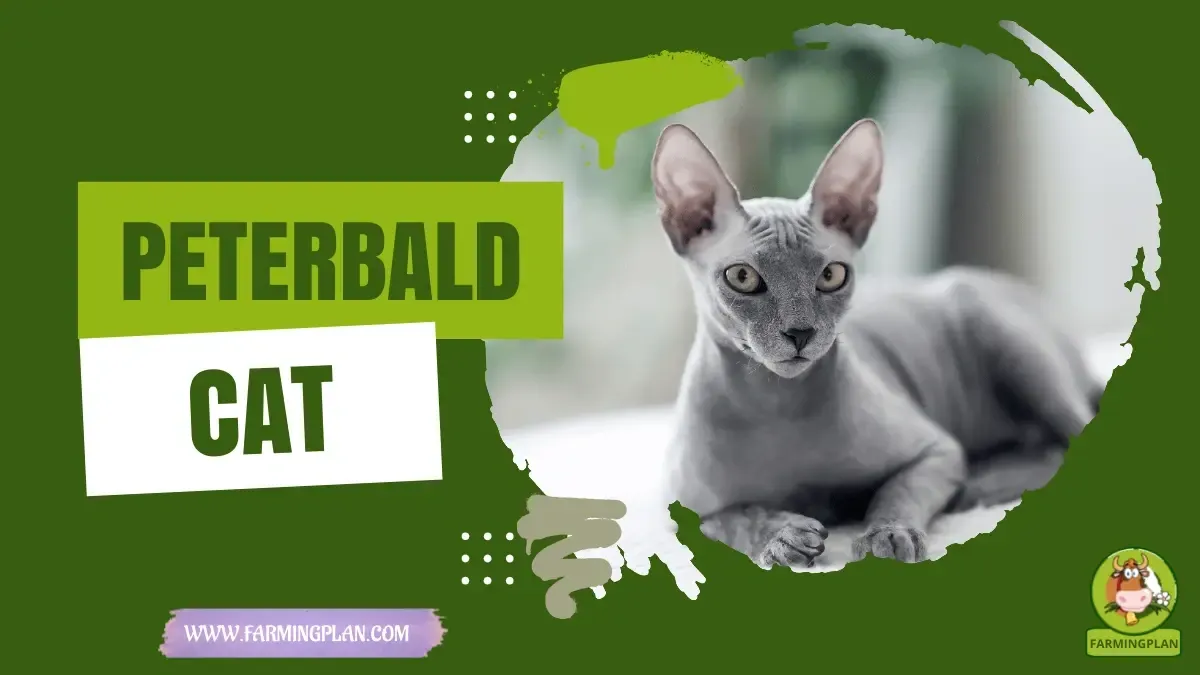
Physical Characteristics & Breed Standards
The International Cat Association (TICA) and the World Cat Federation (WCF) maintain strict morphological criteria for the Peterbald. The standard emphasizes extreme oriental elegance, grace, fine bone substance, and long, fluid muscular lines. Understanding breed-specific traits helps maximize Peterbald Cat longevity and output.
Oriental Architecture & Head Proportions
The head is a narrow, elongated wedge that begins at the nose and flares out in straight lines to the tips of the ears, forming a balanced triangle. The profile shows a straight, long nasal bridge without a nose break or stop. The eyes are almond-shaped, medium in size, and set at an oriental slant toward the base of the ears, radiating vibrant green or vivid blue.
The ears are enormous, pointed, broad at the base, and set low on the skull, continuing the lines of the wedge. The neck is long and slender, carrying the head gracefully above a long, tubular body with fine boning and firm, lithe musculature. The legs are exceptionally long and slim, terminating in oval paws with long, dexterous toes, and the tail is long and whiplike. Routine preventive care saves time and lowers veterinary costs for Peterbald Cat.
Coat Variety Spectrum & Skin Texture
The Peterbald’s coat mutation produces five distinct morphological variations: Ultra-bald (born hairless with warm, sticky “rubber” skin), Flock or Chamois (completely hairless feel with residual invisible peach fuzz), Velour (soft 1mm down like velvet), Brush (crinkled, wiry, irregular coat 2–5mm long), and Straight Coat (standard domestic shorthair coat without the hairless gene). All recognized feline colors and patterns are permitted. Matching forage or ration quality to life stage optimizes Peterbald Cat growth.
⚡ Peterbald Cat Performance & Production Matrix
| Morphological Parameter | TICA Standard Benchmark | Exhibition Target | Management Challenge |
|---|---|---|---|
| Coat Texture Spectrum | Bald, flock, velour, or brush | Warm, clean rubber-bald skin | Daily sebum staining on light fabrics |
| Head Wedge Geometry | Straight triangle wedge | No muzzle pinch; flat forehead | Fragile cartilage on giant bat ears |
| Thermal Caloric Needs | 15–20% higher than furred cats | Lean, tight abdominal musculature | Hypothermia in rooms below 68°F |
| Skin Care Routine | Gentle sponge bathing biweekly | Supple skin without comedones | Yeast or bacterial dermatitis if neglected |
| Sociability & Vocal Drive | Extremely high human bonding | Confident, interactive exhibition | Severe separation anxiety if left alone |
Breed History, Heritage & North American Development
The Peterbald breed was created in Saint Petersburg in 1994 by Russian feline geneticist Olga S. Mironova. Intrigued by the discovery of the dominant hairless gene in the Russian Don Sphynx (Donskoy), Mironova envisioned combining this hairless trait with the graceful, aristocratic lines of modern Siamese and Oriental Shorthairs. Gradual dietary transitions protect digestive stability in Peterbald Cat.
Mironova bred a foundation brown mackerel tabby Don Sphynx stud named Afinogen Myth to an exquisite Oriental Shorthair female named Radma von Jagerhov. The initial two experimental litters produced four foundation kittens: Mandarin iz Murino, Muscat iz Murino, Nezhenka iz Murino, and Nocturne iz Murino, establishing the bedrock of the breed.
The Russian Selection Feline Federation (SFF) recognized the breed in 1996. The International Cat Association (TICA) accepted the Peterbald into championship competition in 2005. Unlike the Canadian Sphynx, which carries a recessive hairless mutation, the Peterbald’s hairlessness is caused by a dominant gene, allowing continuous outcrossing to Oriental Shorthairs to maintain extreme type. Selecting healthy foundation stock is the cornerstone of successful Peterbald Cat management.
Today, dedicated North American breeders selectively breed Peterbalds to preserve genetic health, sound skin condition, and affectionate personalities. Continuous outcrosses to registered Orientals ensure genetic vigor, preventing the inbreeding depression seen in closed populations. Good predator-proofing and dry bedding safeguard Peterbald Cat comfort in harsh weather.
Housing, Shelter Dimensions & Winter Hardiness
Peterbalds are strictly indoor felines requiring dedicated climate-controlled living conditions. Because bald and flock specimens lack a protective insulating fur barrier, they are highly vulnerable to ambient temperature drops and solar ultraviolet burns. Monitoring water quality and mineral balance directly benefits Peterbald Cat vitality.
Indoor Climate Control & Heat Stations
Maintain household temperatures between 70°F and 76°F (21°C to 24°C). Provide heated pet beds, self-warming thermal pads, and plush fleece igloo caves in every main room. When ambient room temperatures drop below 68°F during winter, dress bald Peterbalds in soft, breathable cotton sweaters that protect the skin without causing friction rubs.
Never permit Peterbalds to sunbathe on open outdoor decks or direct unshaded windowsills without ultraviolet window tinting. Their pale, exposed skin sunburns rapidly, creating high risks of solar keratosis and squamous cell carcinoma. Secure window perches with sheer draperies that diffuse harsh direct sunlight. Practical hands-on husbandry ensures consistent results when raising Peterbald Cat.
Peterbalds are agile, acrobatic athletes that leap effortlessly onto high refrigerator tops and door frames. Provide tall, stable cat trees wrapped with soft carpet or fleece rather than rough sisal, which can scratch hairless bellies and flanks. Early intervention at the first sign of lethargy protects overall Peterbald Cat flock or herd health.
Nutritional Requirements, Daily Rations & Feeding Protocols
Because hairless cats lose body heat continuously to their surrounding environment, their basal metabolic rate is 15% to 25% higher than that of fully coated felines. To maintain a normal core body temperature of 101.5°F (38.6°C), a Peterbald requires significantly more daily caloric energy. Structured culling and biosecurity protocols strengthen Peterbald Cat genetic quality.
Caloric Density & High-Protein Protocols
Feed a calorie-dense, meat-based diet with minimum 42% to 48% crude protein and 20% to 24% crude fat on a dry matter basis. Feed 3 to 4 smaller meals daily rather than a single large meal, or provide free-choice high-protein kibble supplemented with warm canned wet food morning and evening. Compare feline nutritional models in our farm pets and companion animal care index. Maintaining clean feeders and sanitized equipment supports sustainable Peterbald Cat care.
Supplement the diet with marine fish oils containing active Omega-3 and Omega-6 fatty acids. These vital lipids reinforce the epidermal skin barrier, reducing dryness and supporting cellular lipid synthesis. Ensure consistent dietary taurine to prevent cardiomyopathy and retinal degeneration.
Continuous hydration is essential because high metabolic activity increases respiratory moisture loss. Provide multiple fresh water stations and a pet drinking fountain, keeping water bowls clean and free from oily facial residues. Consistent daily observation helps keepers spot early changes in Peterbald Cat health and behavior.
Health Management, Common Diseases & Biosecurity Standards
Living without fur changes standard feline grooming and dermatological care. Without hair shafts to absorb natural sebum secretions, oils accumulate directly on the cat’s skin, requiring an attentive bathing and skin hygiene schedule. Clean housing, fresh water, and balanced nutrition remain essential for Peterbald Cat productivity.
Dermatological Hygiene, Ear Care & Biosecurity
Bathe bald and flock Peterbalds every 2 to 3 weeks using a gentle, soap-free, pH-balanced veterinary shampoo (chlorhexidine or ketoconazole based if yeast blooms develop). Rinse thoroughly with warm water and wrap the cat immediately in a pre-warmed towel. Between baths, wipe the skin folds, neck, and paws with alcohol-free baby wipes. Tracking feed intake and body condition supports long-term Peterbald Cat performance.
Clean the ears weekly with a veterinary ear cleaner. Because Peterbalds lack ear canal hairs to trap environmental dust, dark ear sebum accumulates quickly. Wipe paw beds and claw sheaths to remove reddish-brown nail bed sebum. Follow federal companion animal health standards outlined by the USDA APHIS Veterinary Biosecurity Guidelines.
Administer core vaccinations (FVRCP and Rabies) on a schedule established by your veterinarian. Because hairless cats lack eyelashes, inspect the eyes daily for dust irritation, gently wiping ocular discharge with sterile saline gauze. Following biosecurity best practices reduces disease risk in any Peterbald Cat operation.
Breeding Management, Incubation & Offspring Care
Peterbald breeding is governed by the inheritance of the dominant Donskoy hairless gene (often designated as Hr or Pbd). Understanding dominant gene mechanics allows breeders to plan litters that produce exceptional type while safeguarding health. Seasonal adjustments to shelter and diet keep Peterbald Cat thriving year-round.
Hairless Inheritance & Queening Care
Mating a heterozygous hairless Peterbald to an Oriental Shorthair produces approximately 50% hairless or modified coat kittens and 50% straight-coated kittens. Straight-coat progeny do not carry the hairless gene but carry the long oriental body type, making them valuable breeding assets for future outcrosses. Proper record-keeping makes breeding and culling decisions easier for Peterbald Cat keepers.
Gestation averages 63 to 67 days. Queening queens must be housed in a warm nursery room maintained at 78°F to 82°F (25°C to 28°C), as hairless newborns cannot regulate their body temperature. Provide supplemental ceramic heat lamps placed safely above one side of the nesting box. Compare maternal oriental dynamics with the Oriental Shorthair breeding guide.
Kittens open their eyes early—frequently within 3 to 5 days of birth. Brush-coated kittens may slowly lose their crinkled fur between 6 and 18 months of age, gradually transitioning into flock or velour coats as adults. Providing adequate space and ventilation prevents common stress issues in Peterbald Cat.
US Ownership Budget & Annual Maintenance Costs
The Peterbald is a rare, exotic breed with limited registered breeders in North America. Companion pet kittens range from $1,600 to $3,200, while prime exhibition and breeding stock from imported Russian champion lineages range from $3,500 to $5,500. Understanding breed-specific traits helps maximize Peterbald Cat longevity and output.
⚡ Estimated Annual Budget & Maintenance Costs (USD)
| Expense Category | Estimated Annual Cost Range (USD) | Operational Cost Efficiency Strategy |
|---|---|---|
| Peterbald Companion Kitten | $1,600.00 – $3,500.00 initial cost | Adopt from certified TICA-registered breeders providing genetic guarantees |
| High-Calorie Premium Wet & Dry Diet | $550.00 – $900.00 per cat | Purchase case quantities of high-protein formulas via recurring auto-delivery |
| Thermal Beds, Heat Mats & Sweaters | $150.00 – $300.00 initial setup | Utilize washable low-voltage pet heating pads that conserve electricity |
| Specialty Skin Shampoos & Wipes | $120.00 – $220.00 annual supply | Buy concentrated chlorhexidine shampoos diluted per vet guidelines |
| Veterinary Exams & Vaccinations | $250.00 – $600.00 annual wellness | Enroll in preventative clinic wellness packages to bundle annual bloodwork |
🐈 Peterbald Cat Daily Nutrition & Care Calculator
Calculate daily metabolizable calories (kcal), dry/wet food portions, clean water intake (fl oz), litter box minimums, and monthly care cost for your Peterbald Cat.
Frequently Asked Questions (FAQ)
What is the difference between a Peterbald and a Sphynx?
The Canadian Sphynx has a stocky, rounded body and carries a recessive hairless mutation. The Peterbald has a long, slender oriental body type, large bat ears, and carries a dominant hair-loss mutation derived from the Russian Donskoy.
Are all Peterbald kittens born completely hairless?
No, Peterbalds are born in a wide range of coat textures: ultra-bald (rubber bald), flock (chamois peach fuzz), velour (short velvet down), brush (crinkled wiry hair), and straight coat (normal shorthair).
How often does a Peterbald cat need a bath?
Most hairless and flock Peterbalds require a gentle sponge or tub bath every 2 to 3 weeks. Because they lack fur to absorb natural skin oils, sebum accumulates on their skin and can soil furniture if not washed away.
Are Peterbald cats hypoallergenic?
No, Peterbald cats are not hypoallergenic. Cat allergies are triggered primarily by the Fel d 1 protein found in feline saliva and skin glands. While Peterbalds do not shed fur, their skin produces normal levels of allergens.
Do Peterbald cats get cold easily?
Yes, without a protective coat of insulating fur, Peterbalds lose body heat rapidly. They require heated cat beds, warm sweaters when room temperatures drop below 68°F, and elevated daily food calories to maintain warmth.
Expert Verdict & Next Steps
The Peterbald cat is an avant-garde masterpiece of companion animal breeding. Combining otherworldly sculptural elegance with a deeply loving, dog-like devotion to its human companions, this warm, purring shadow transforms any home into an affectionate sanctuary. Routine preventive care saves time and lowers veterinary costs for Peterbald Cat.
Potential owners must be prepared to commit to regular skin hygiene, high-calorie nutrition, and continuous indoor thermal comfort. To explore other unique domestic feline mutations that challenge conventional beauty, review our in-depth profile on the Lykoi Cat care and genetics guide.
📚Agricultural Reference & Scientific Citations
Standards and physiological data referenced in this guide comply with USDA Animal and Plant Health Inspection Service (APHIS), American Veterinary Medical Association (AVMA), and the FAO Domestic Animal Diversity Information System.


